In this article
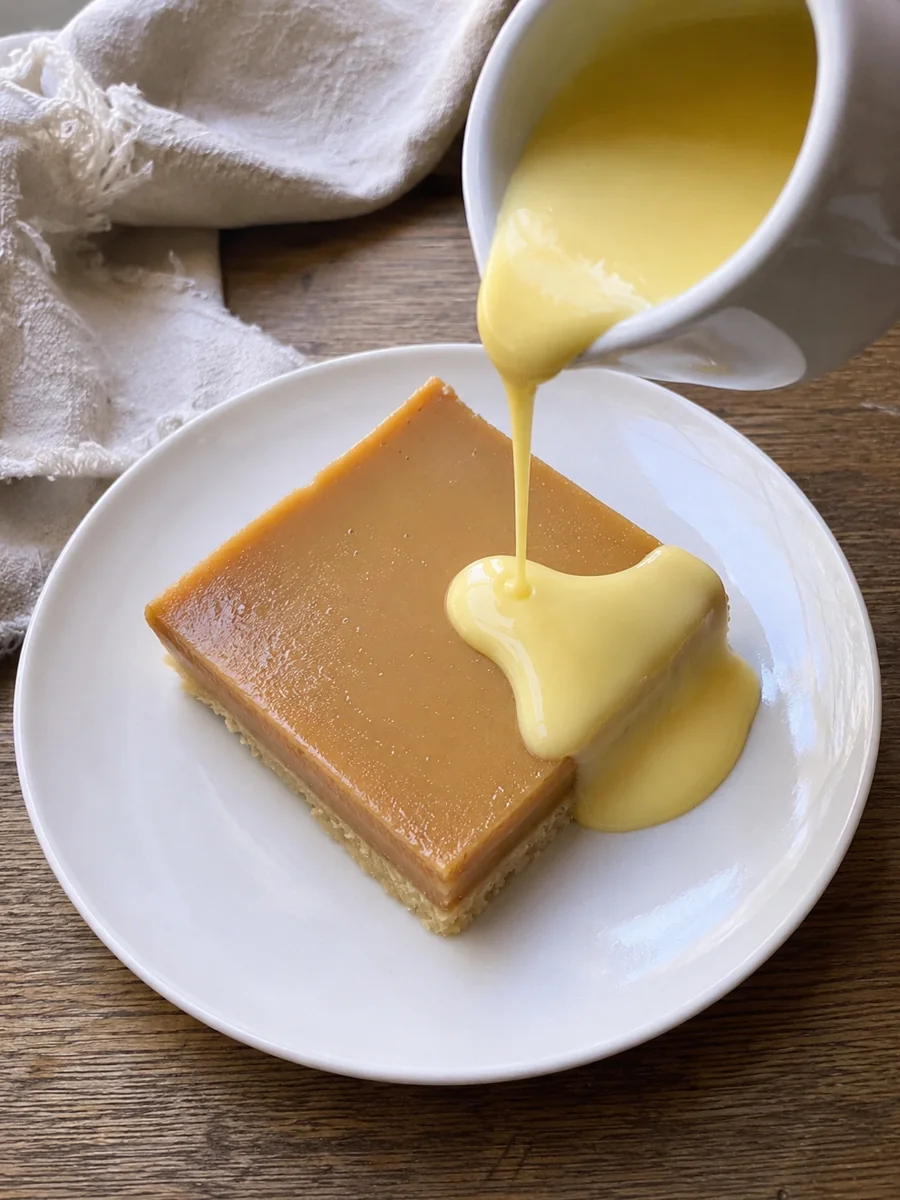
Ask anyone who went to school in Britain between the 1970s and the 1990s about their favourite pudding and there’s a good chance they’ll say butterscotch tart. A square of it, slightly warm, with a jug of custard or a splash of cold milk – it sits right alongside chocolate concrete and sprinkle sponge with pink custard in the hall of fame of school dinner desserts.
What made it so good was its simplicity: a plain shortcrust base and a thick, glossy filling of brown sugar, butter and milk, thickened with flour and cooked until it tasted like boiled sweets. No cream, no eggs in most versions, nothing fancy. That’s also why it’s so easy to get slightly wrong at home – a filling that won’t set, a soggy bottom, a grainy texture – and why this recipe goes into the details that actually matter.
What is a butterscotch tart?
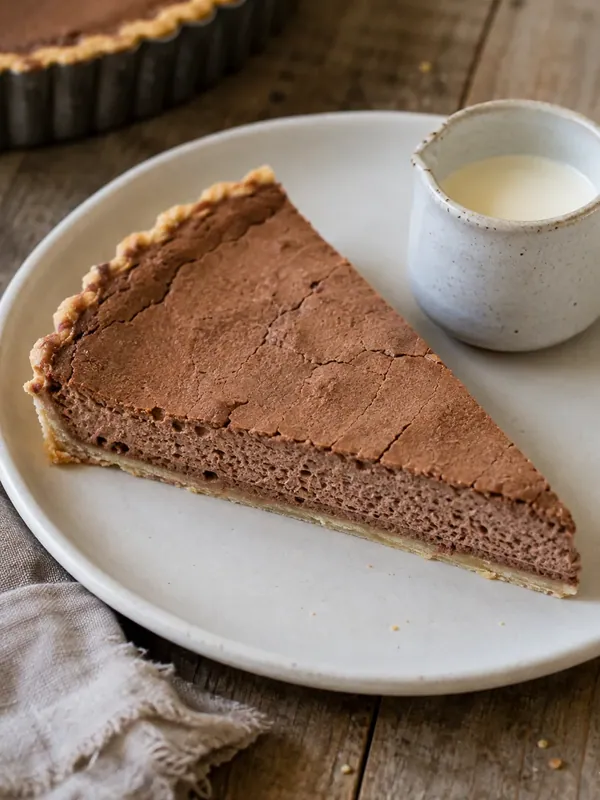
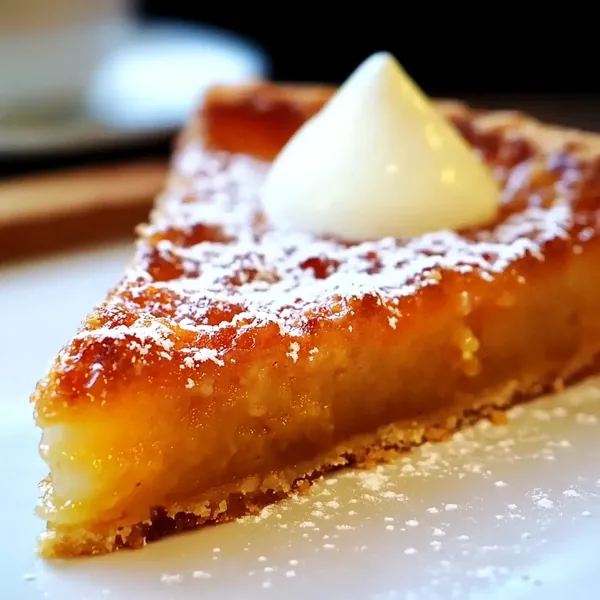
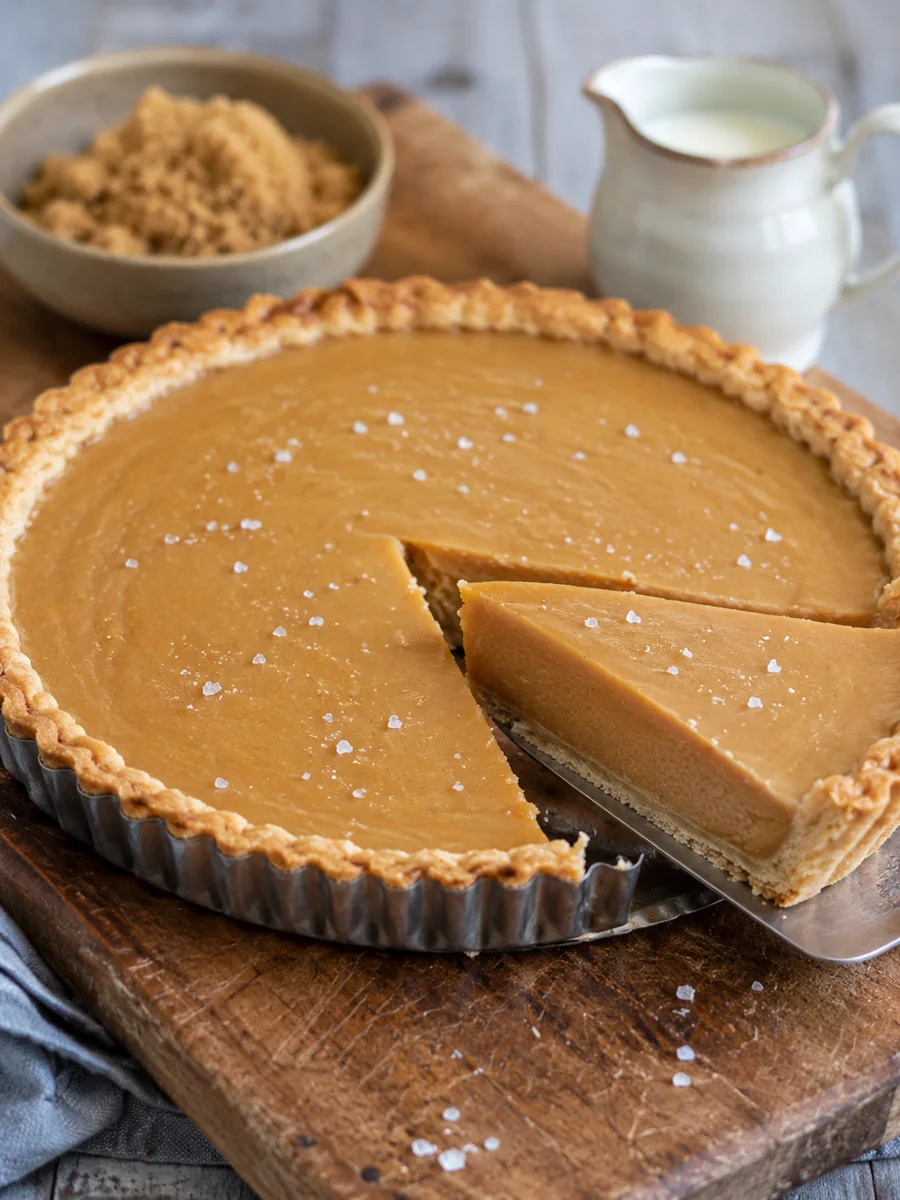
A butterscotch tart is a shallow, open pastry tart filled with a cooked butterscotch – a mixture of brown sugar and butter that’s boiled briefly, then thickened with milk and flour or cornflour into something between a pudding and a fudge. Once cooled, the filling sets firm enough to cut into neat squares or wedges, with a slight chew at the edges and a soft, melting centre.
It belongs to the same family of British tray puddings as gypsy tart (evaporated milk and muscovado, whipped and baked) and Manchester tart (custard over jam, topped with coconut). Butterscotch is the richest and most caramel-flavoured of the three, and the only one where the filling is cooked on the hob rather than baked.
“Butterscotch” itself is an old Yorkshire word – the sweet was being sold in Doncaster in the early 1800s – and the “scotch” most likely refers to scotching (cutting) the boiled sugar into pieces, not to Scotland.
Why this recipe works
- Light brown or dark brown sugar, not white. The molasses in brown sugar gives the genuine butterscotch flavour. Dark brown (or half dark, half light) gives the deepest, most school-dinner taste.
- The filling is boiled briefly before the milk goes in. A minute of proper bubbling caramelises the sugar and butter together so the tart tastes of butterscotch rather than sweet milk.
- Plain flour plus a little cornflour. Flour gives the filling body and that slightly fudgy texture; cornflour helps it set with a clean, glossy cut.
- Blind-baked pastry. The filling is wet when it goes in, so the base is baked until fully crisp first – this is the single biggest difference between a good tart and a soggy one.
- It’s chilled before cutting. The filling firms up as it cools. Cut it warm and it will slump; chill it for a couple of hours and you get the clean squares you remember.
Ingredients
For the pastry (or use 320g ready-rolled shortcrust):
- 200g plain flour, plus extra for dusting
- 100g cold unsalted butter, cubed
- 1 tablespoon caster sugar
- a pinch of salt
- 2–3 tablespoons cold water
For the butterscotch filling:
- 100g unsalted butter
- 150g light brown soft sugar (or 100g light + 50g dark brown for a deeper flavour)
- 2 tablespoons golden syrup
- 40g plain flour
- 1 tablespoon cornflour
- 250ml whole milk
- 1 teaspoon vanilla extract
- a pinch of salt
To serve: hot custard, cold milk, or pouring cream.
A note on the sugar: the older school versions were made with soft brown sugar and nothing else. If you only have white caster sugar, add an extra tablespoon of golden syrup and a teaspoon of black treacle – it gets you surprisingly close.
How to make butterscotch tart
1. Make the pastry
Rub the cold butter into the flour, sugar and salt with your fingertips (or pulse in a food processor) until it looks like fine breadcrumbs. Add the cold water a tablespoon at a time and bring it together into a dough – it should just hold, not feel sticky. Flatten into a disc, wrap, and chill for 30 minutes. Cold pastry shrinks less and bakes crisper.
2. Line and blind bake
Heat the oven to 190°C / 170°C fan / gas 5. Roll the pastry out on a floured surface to about 3mm thick and line a 20cm loose-bottomed tart tin (or a 20cm square tin for school-style squares), pressing it into the corners and leaving a little overhang. Prick the base with a fork, line with baking paper and fill with baking beans or dried rice.
Bake for 15 minutes, then lift out the paper and beans and bake for another 8–10 minutes until the base is golden and dry to the touch. Trim the overhang with a sharp knife while it’s still warm. Let it cool in the tin.
3. Cook the butterscotch
Melt the butter in a medium, heavy-based saucepan over a medium heat. Add the brown sugar and golden syrup and stir until the sugar has dissolved, then let it bubble for 1 minute, stirring – it will look like a dark, glossy caramel. This step is where the flavour comes from, so don’t skip it.
4. Thicken with milk and flour
Meanwhile, whisk the flour and cornflour into the cold milk in a jug until completely smooth (no lumps – this is easier than whisking flour into hot sugar). Take the pan off the heat and pour the milk mixture in gradually, whisking as you go. It will seize and look lumpy for a moment; keep whisking and it comes together.
Return the pan to a medium-low heat and cook, whisking constantly, for 3–5 minutes until it’s very thick – it should hold a trail from the whisk and start to pull away from the sides of the pan. Stir in the vanilla and salt.
5. Fill, cool and chill
Pour the filling into the cooled pastry case and smooth the top with a palette knife. Leave to cool at room temperature for 30 minutes, then chill for at least 2 hours (overnight is fine) until set. Cut into squares or wedges with a knife dipped in hot water for the cleanest edges.
Serving suggestions
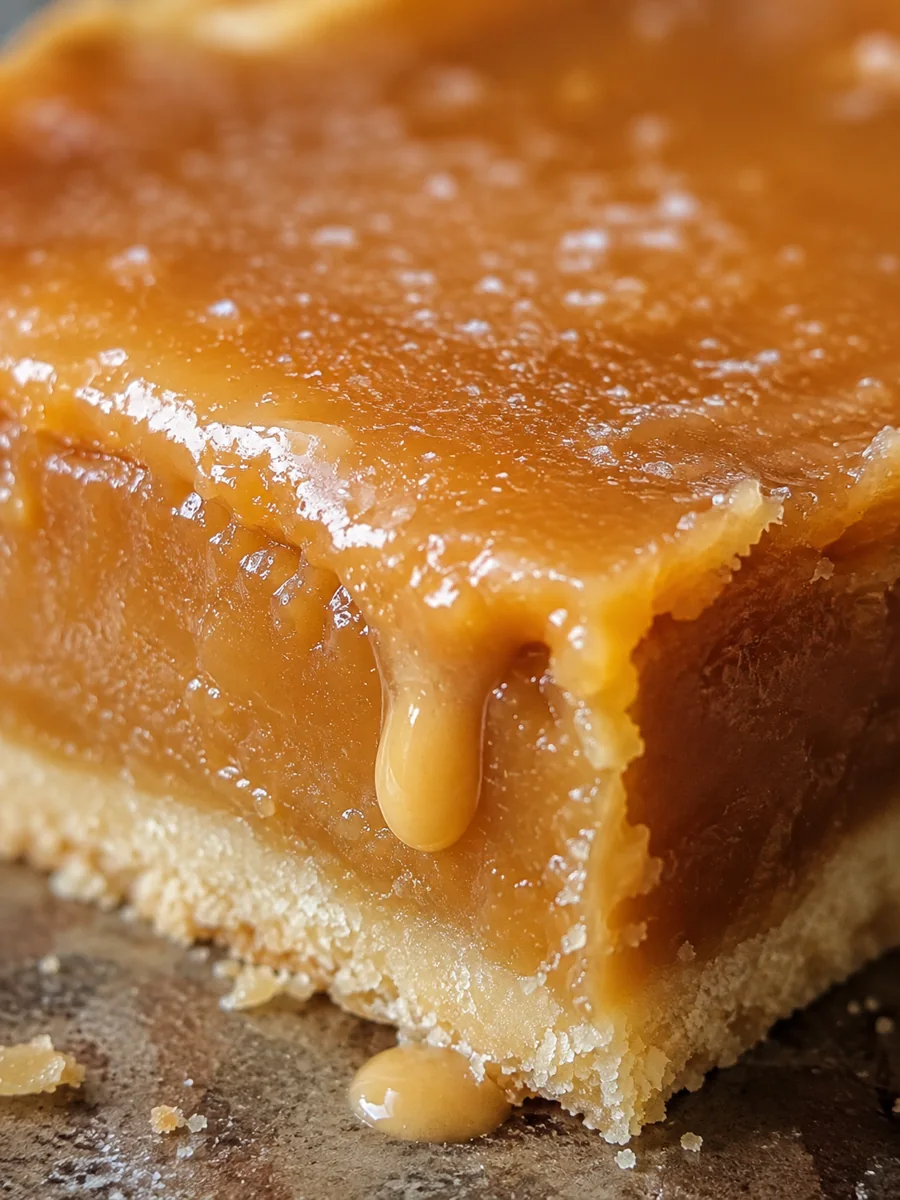
The classic way is a square of tart with hot custard poured over – the contrast of the cold, firm butterscotch and the warm custard is the whole point. A jug of cold milk or single cream is the other traditional option.
For something a little more grown-up, add a pinch of flaky sea salt on top before serving, or a spoonful of crème fraîche to cut the sweetness. It’s also very good alongside a cup of strong tea in the afternoon, like a cherry bakewell traybake or a slice of shortbread.
Troubleshooting
The filling didn’t set. Almost always undercooked – it needs those few minutes at a gentle bubble after the milk goes in, until it’s genuinely thick in the pan. It will not thicken much more in the fridge than it was in the pan. If it’s already in the tart, chill it longer and serve it as a softer, spoonable pudding with custard – it still tastes right.
The filling is grainy. The sugar hadn’t fully dissolved before boiling, or the mixture was boiled too hard for too long. Keep the heat at medium and stir until you can’t feel grains on the bottom of the pan before letting it bubble.
Lumps in the filling. Flour added to hot liquid. Always whisk the flour and cornflour into cold milk first; if lumps do appear, push the hot filling through a sieve straight into the pastry case.
Soggy base. The case wasn’t baked long enough before filling. It should be golden and feel dry and sandy – pale pastry will soften under the filling. Cooling the case fully before filling also helps.
The filling cracked or wept. Usually from being cut while still warm or from a very wet filling. Chill properly, and don’t add more milk than the recipe calls for.
Variations
- Butterscotch tart with coconut – scatter 2 tablespoons of desiccated coconut over the filling before it sets, the way some schools did.
- Salted butterscotch – increase the salt to ½ teaspoon and finish with flaky salt.
- Deeper flavour – use all dark brown sugar and add a teaspoon of black treacle with the golden syrup.
- Individual tarts – the same quantities fill 8 tartlet tins; blind bake for 12 minutes plus 6, and chill for an hour.
- Traybake squares – double the pastry and filling for a 20×30cm tin to feed a crowd, school-dinner style.
Make ahead and storage
Butterscotch tart is better made the day before – the filling sets more evenly and the flavour deepens. Keep it covered in the fridge for up to 4 days. Bring it to room temperature for 15 minutes before serving if you find it too firm straight from the fridge.
The baked, unfilled pastry case freezes well for up to 3 months. Freezing the filled tart isn’t recommended: the filling can turn grainy and weep as it thaws.
Frequently asked questions
What’s the difference between butterscotch and caramel? Caramel is made by cooking white sugar until it browns; butterscotch starts with brown sugar and butter, so it tastes richer and more toffee-like without ever reaching a hard caramel stage.
Can I use ready-made pastry? Yes – a 320g sheet of ready-rolled shortcrust is exactly what you need and most school kitchens would have used something similar. Blind bake it just the same.
Do I need eggs in the filling? No. Traditional school butterscotch tart is eggless; the flour and cornflour do the setting. Some modern recipes add an egg yolk for richness, but it isn’t necessary.
Can I make it without golden syrup? Yes – replace it with another 25g of brown sugar and a teaspoon of honey or maple syrup. The syrup mainly helps keep the filling smooth.
Is it the same as gypsy tart? No. Gypsy tart is made with evaporated milk and muscovado sugar whipped together and baked, giving a lighter, fluffier filling; butterscotch tart is cooked on the hob and is denser and more buttery. Both are Kent and north-of-England school classics – try our traditional gypsy tart recipe next.
Can I double it? Yes. Use a 20×30cm baking tin, double everything, and bake the pastry 3–4 minutes longer. Cooking the filling takes a minute or two more to thicken.
More classic British puddings
If you loved this, the rest of our classic British bakes and puddings collection is where to go next – particularly sticky toffee pudding, traditional Bakewell pudding, spotted dick with golden syrup and the old English trifle.
Butterscotch Tart (Classic School Dinner Recipe)
The proper old-school butterscotch tart: crisp blind-baked shortcrust with a thick brown-sugar-and-butter filling thickened with flour and cornflour, chilled until it slices cleanly. Eggless, made with everyday ingredients, and served the traditional way with hot custard.
Ingredients
- 200g plain flour, plus extra for dusting
- 100g cold unsalted butter, cubed
- 1 tablespoon caster sugar
- Pinch of salt
- 2-3 tablespoons cold water
- 100g unsalted butter (for the filling)
- 150g light brown soft sugar
- 2 tablespoons golden syrup
- 40g plain flour (for the filling)
- 1 tablespoon cornflour
- 250ml whole milk
- 1 teaspoon vanilla extract
- Pinch of salt (for the filling)
Instructions
Pastry
- Rub the cold butter into the flour, caster sugar and salt until it resembles fine breadcrumbs. Add cold water a tablespoon at a time and bring together into a dough. Flatten into a disc, wrap and chill for 30 minutes.
- Heat the oven to 190C / 170C fan / gas 5. Roll the pastry to 3mm and line a 20cm loose-bottomed tart tin, leaving a small overhang. Prick the base, line with baking paper and baking beans.
- Bake for 15 minutes, remove the paper and beans and bake for a further 8-10 minutes until golden and dry. Trim the edges and leave to cool in the tin.
Butterscotch filling
- Melt the butter in a heavy-based saucepan over a medium heat. Add the brown sugar and golden syrup, stir until dissolved, then let it bubble for 1 minute, stirring.
- Whisk the flour and cornflour into the cold milk until smooth. Take the pan off the heat and gradually whisk in the milk mixture.
- Return to a medium-low heat and cook, whisking constantly, for 3-5 minutes until very thick and pulling away from the sides of the pan. Stir in the vanilla and salt.
- Pour into the cooled pastry case and smooth the top. Cool for 30 minutes, then chill for at least 2 hours until set.
- Cut into squares or wedges with a hot knife and serve with hot custard, cold milk or cream.
Nutrition
- Serving
- 1 slice
- Calories
- 395 calories