Traditional Genoa Cake Recipe: A Light, Almond-Topped British Fruit Cake
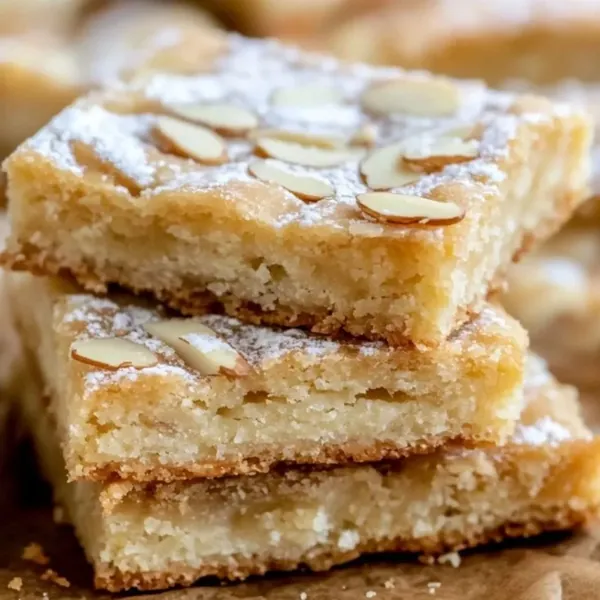
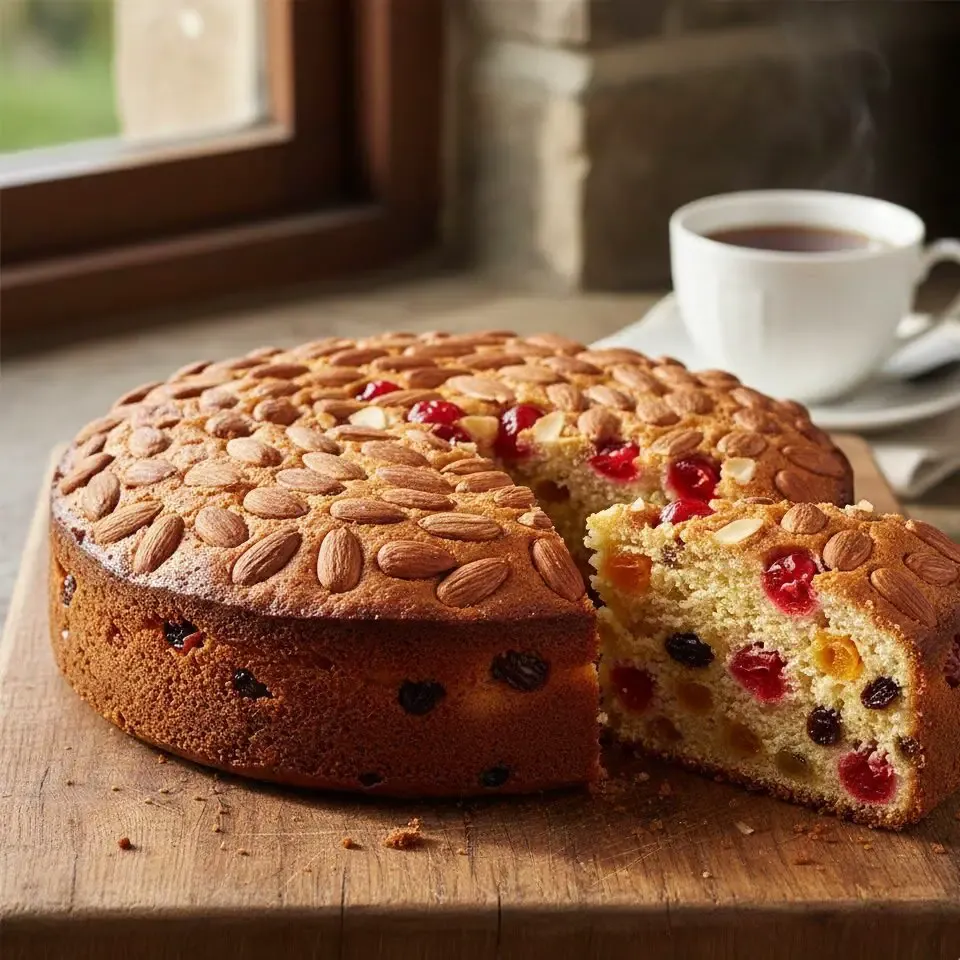
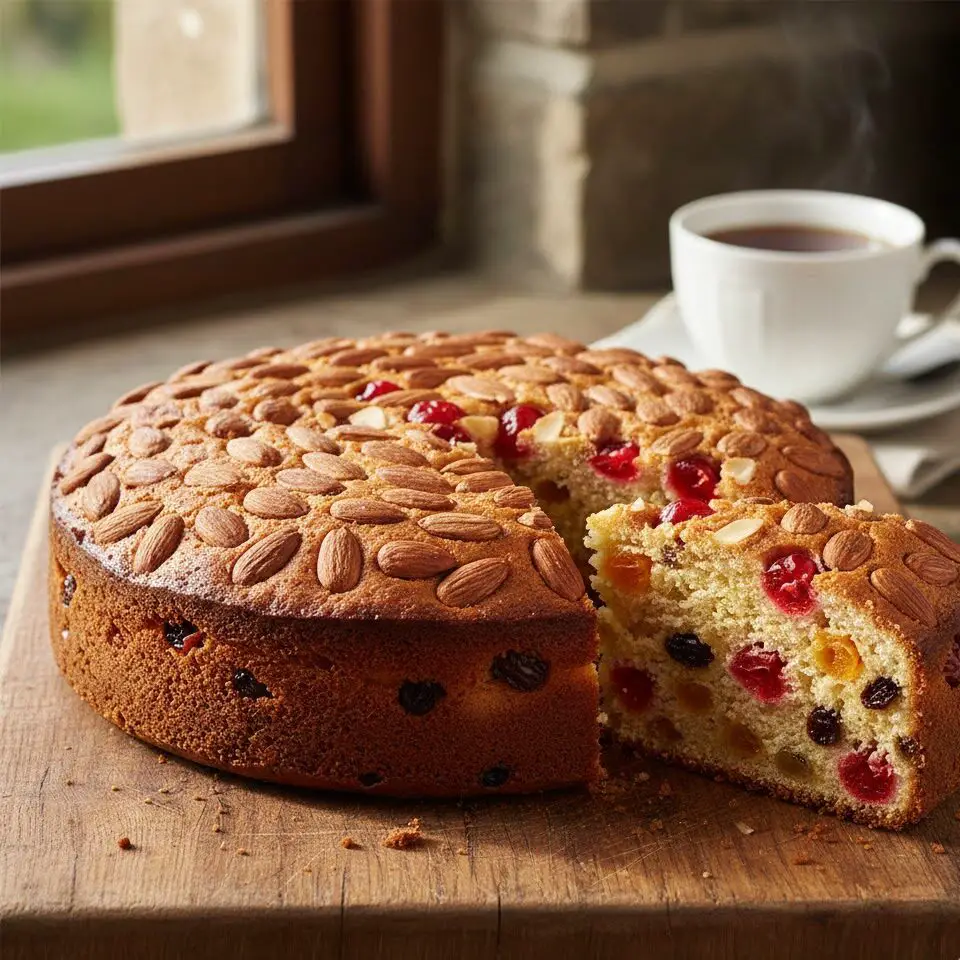
Traditional British Genoa cake is a delightfully light fruit cake packed with glacé cherries, sultanas, chopped apricots, and ground almonds, then crowned with a signature layer of blanched almonds. Perfect for afternoon tea.
Ingredients
- 225 g self-raising flour, sifted
- 50 g ground almonds
- 175 g unsalted butter, softened
- 175 g caster sugar
- 3 large eggs, room temperature
- 150 g glacé cherries, rinsed, dried, and halved
- 150 g sultanas
- 50 g dried apricots, finely chopped
- Zest of 1 unwaxed lemon
- 50 g blanched almonds, for decoration
Instructions
- Preheat your oven to 160 degrees Celsius (fan). Grease and line the base and sides of a deep 20 cm (8 inch) round cake tin with baking parchment.
- Rinse the glacé cherries in warm water to remove their sticky syrup, then dry them thoroughly on kitchen paper and cut them in half.
- In a medium bowl, mix the cherries, sultanas, chopped apricots, and lemon zest with two tablespoons of the weighed flour to lightly coat the fruit.
- In a large mixing bowl, cream the softened butter and caster sugar together until pale, light, and fluffy.
- Beat the eggs in a small jug. Add the beaten egg to the butter mixture a little at a time, beating well after each addition. If the mixture starts to curdle, beat in a spoonful of flour.
- Gently fold in the remaining sifted self-raising flour and ground almonds until just combined.
- Fold the floured fruit mixture evenly into the batter.
- Spoon the batter into the prepared tin and level the surface with the back of a spoon. Arrange the blanched almonds on top in a decorative pattern.
- Bake on the middle shelf of the oven for 1 hour and 30 minutes to 1 hour 45 minutes, or until a skewer inserted into the centre comes out clean. Cover loosely with foil after 1 hour if it is browning too quickly.
- Leave the cake to cool in the tin for 15 minutes before transferring to a wire rack to cool completely.
Nutrition
- Serving
- 1 slice
- Calories
- 345 calories
- Sugar
- 28
- Sodium
- 110
- Fat
- 16
- Saturatedfat
- 8
- Unsaturatedfat
- 6
- Transfat
- 0
- Carbohydrate
- 46
- Fiber
- 2
- Protein
- 5
- Cholesterol
- 75
A traditional Genoa cake strikes the perfect balance for those who love the rich flavours of a fruit cake but prefer a lighter, more delicate crumb. Originating in Italy but firmly adopted into British baking lore by legends like Mary Berry and Delia Smith, this cake is packed with glacé cherries, golden sultanas, and ground almonds, rather than the dark, heavy vine fruits associated with Christmas cakes. Evelyn has baked this exact recipe for decades, serving it on Sunday afternoons with a proper pot of strong tea. In this guide, you will learn the secrets to stopping your cherries from sinking, achieving that perfectly moist texture, and creating the stunning blanched almond pattern on top that makes a classic Genoa cake so recognisable.
What Is a Traditional Genoa Cake?
A Genoa cake (sometimes called entirely “Genoese fruit cake”) is a lightly fruited sponge cake enriched with ground almonds and crowned with a decorative layer of whole blanched almonds. The name points to its presumed origins in Genoa, Italy, where lightly spiced, fruited breads and cakes have a long history. However, it was enthusiastically embraced by British bakers in the 19th and 20th centuries, becoming a staple of farmhouse baking and afternoon teas.
What sets a Genoa cake apart from a traditional rich fruit cake is its lightness. It does not use distinctively dark ingredients like treacle, dark brown sugar, or heavy measures of currants and raisins. Instead, it relies on light caster sugar, butter, and a bright selection of sultanas, dried apricots, and glacé cherries. The addition of ground almonds into the batter provides remarkable moisture and a tender crumb, ensuring the cake remains delightfully soft even a week after baking. If you find a dense Christmas cake too rich, this lighter, sunnier variety will be a revelation.
If you enjoy classic British baking with a lighter touch, you must also try our traditional Welsh tea loaf (Bara Brith) and our yogurt scones recipe. These recipes share the same ethos of honest, comforting home baking.
Ingredients for a Classic Genoa Cake
This recipe uses everyday baking staples alongside bright, jewel-like dried fruits and plenty of almonds. Read through the complete list before you begin to ensure your ingredients are at the right temperature.
| Ingredient | Quantity | Notes |
|---|---|---|
| Self-raising flour | 225 g | Plus 2 tablespoons extra for coating fruit |
| Ground almonds | 50 g | Adds moisture to the crumb |
| Unsalted butter | 175 g | Softened at room temperature |
| Caster sugar | 175 g | For a light, tender sponge |
| Large eggs | 3 | At room temperature, beaten |
| Glacé cherries | 150 g | Washed, dried, and halved |
| Sultanas | 150 g | Plump and golden |
| Dried apricots | 50 g | Finely chopped |
| Lemon zest | 1 lemon | Finely grated from an unwaxed lemon |
| Blanched almonds | 50 g | Whole or halved, for decoration |
Preparing the Cherries Properly
The most common issue bakers face with fruit cakes is cherries sinking to the bottom. Glacé cherries are heavy and coated in sticky syrup, which encourages them to slide straight through the batter. To prevent this, place the cherries in a small sieve and rinse them quickly under warm water to wash away the syrup. Dry them meticulously with kitchen paper. Cutting them in half also reduces their individual weight, helping them stay suspended in the cake. Finally, tossing the prepared cherries with the sultanas and a couple of tablespoons of flour creates a dry, “grippy” surface that holds them in place during baking.
The Role of Ground Almonds
Ground almonds perform a magical role in this cake. Because they contain natural oils and do not develop gluten, they give the cake a supremely tender crumb and exceptional keeping qualities. A cake made purely with flour can dry out within days, whereas a cake enriched with ground almonds retains its moisture and improves in flavour as it sits. If you are baking this for a special occasion, you can comfortably make it three days in advance.
Equipment You Need
A good solid cake tin makes all the difference when baking a cake that stays in the oven for well over an hour.
- A deep 20 cm (8 inch) round cake tin with a loose base
- Baking parchment
- A large mixing bowl
- An electric hand whisk or stand mixer
- A large metal spoon for folding
- Kitchen paper
- A wire cooling rack
- Kitchen foil
Always line both the base and sides of your cake tin. The double layer of parchment protects the edges of the cake from catching and browning too quickly during the long bake time.
How to Make Genoa Cake (Step-by-Step)
Follow these steps carefully to ensure a light sponge and evenly suspended fruit.
Preparing the Tin and Fruit
Step 1: Preheat and Line
Set your oven to 160 degrees Celsius (fan). Grease a deep 20 cm (8 inch) round cake tin and line both the base and the sides securely with baking parchment. Allow the side parchment to come up slightly higher than the rim of the tin.
Step 2: Wash and Flour the Fruit
Rinse the glacé cherries under warm water in a sieve, then dry them thoroughly on layers of kitchen paper. Cut them in half. In a medium bowl, combine the halved cherries, sultanas, chopped dried apricots, and grated lemon zest. Add two tablespoons of the weighed self-raising flour and toss everything together until the fruit is lightly and evenly coated.
Mixing the Cake Batter
Step 3: Cream the Butter and Sugar
Place the softened unsalted butter and caster sugar into a large mixing bowl. Using an electric hand whisk or a stand mixer with a paddle attachment, beat them together until the mixture turns pale, light, and fluffy. This process incorporates air into the batter, which is crucial for a light cake. Do not rush this step; it should take around 4 to 5 minutes.
Step 4: Add the Eggs Carefully
Beat the three eggs together in a small jug. With your mixer running on a low speed, add the beaten egg to the butter and sugar mixture a little at a time, beating thoroughly after each addition.
[!TIP] If the batter begins to look curdled or split as you add the eggs, sprinkle in a tablespoon of the weighed flour and beat vigorously. The flour absorbs the excess moisture and brings the emulsion back together instantly.
Bringing it Together
Step 5: Fold in Dry Ingredients
Sift the remaining self-raising flour into the bowl and add the ground almonds. Switch to a large metal spoon and gently fold the dry ingredients into the butter mixture using a figure-of-eight motion. A metal spoon cuts through the heavy batter more efficiently than a wooden one, helping you retain all the air you whipped in earlier.
Step 6: Add the Floured Fruit
Tip the floured fruit and lemon zest mixture into the batter. Fold very gently until the fruit is evenly distributed throughout. Overmixing at this stage will develop the gluten and result in a tough cake.
Decorating and Baking
Step 7: Arrange the Almonds
Spoon the thick batter into your prepared tin, spreading it out evenly and levelling the top with the back of a spoon. Take the blanched almonds and arrange them in a decorative pattern over the top. A classic design involves placing them in concentric circles or overlapping slightly in a starburst pattern from the centre.
Step 8: Bake and Protect
Place the tin on the middle shelf of the preheated oven. Bake for 1 hour and 30 minutes to 1 hour 45 minutes. Because ovens vary, check the cake after 1 hour. If the almonds on top are browning too quickly, lay a piece of kitchen foil gently over the top of the tin to protect them, then continue baking. The cake is ready when it is firm to the touch and a skewer inserted into the centre comes out clean.
Step 9: Cool Gently
Remove the cake from the oven and leave it to cool in the tin for 15 minutes. This resting period allows the crumb structure to firm up before you attempt to move it. Carefully turn the cake out onto a wire cooling rack, peel away the parchment paper, and leave entirely until stone cold.
Troubleshooting Your Genoa Cake
Even experienced bakers face occasional challenges with fruit cakes. Here is how to fix the most common issues.
My Cherries Sank to the Bottom
If your fruit ends up in a sticky layer at the bottom of the cake, the batter was likely too wet, or the cherries were too heavy. Ensure your eggs are large, not extra-large. Most importantly, always wash, dry, halve, and flour the cherries before adding them to the batter. The flour creates a dry exterior coating that “grips” the surrounding crumb.
The Almonds on Top Burnt
The high sugar and oil content in almonds means they catch easily in a hot oven. Since this cake bakes for nearly two hours, the top must be protected. Always check the cake enthusiastically after 1 hour of baking, and cover it gently with foil. Do not wrap the foil tightly; a loose “tent” prevents burning while allowing steam to escape.
The Cake Has a Dry Texture
A dry Genoa cake happens when it is overbaked or when the ground almond ratio is too low. Check the cake with a skewer starting at 1 hour 30 minutes; as soon as the skewer emerges clean, take the cake out. Residual heat in the tin will continue to cook the cake slightly as it rests. Using inaccurate cup measurements for flour is another common culprit; always weigh your self-raising flour digitally for accuracy.
Recipe Variations
The traditional Genoa cake serves as a superb foundation for different fruit combinations.
Tropical Pineapple Genoa
For a brighter, tangier take, substitute the 50 g dried apricots with 50 g well-drained, thoroughly dried, and chopped tinned pineapple. Mary Berry often incorporates pineapple in her variations of the Christmas Genoa cake. You must ensure the pineapple is scrupulously dry with kitchen paper, or the extra moisture will make the cake dense.
Loaf Tin Genoa Cake
If you prefer slicing a loaf cake, you can bake this batter in a 900 g (2 lb) loaf tin. Generously line the tin and bake at the same temperature, but begin checking the cake at 1 hour and 15 minutes, as loaf tins cook differently than round ones. Our cherry and almond loaf cake uses a similar method and is equally impressive.
Serving and Storage
How to Serve Genoa Cake
This cake is the undisputed star of British afternoon tea. Serve it in generous wedges at room temperature. It requires no butter or accompaniment, though a strong pot of Earl Grey or English Breakfast tea is mandatory. The gentle almond notes and the bursts of cherry and sultana do all the heavy lifting.
How to Store Genoa Cake
Genoa cake keeps magnificently well. Once completely cool, wrap the cake securely in a double layer of baking parchment, followed by a layer of foil, and place it in an airtight tin. Store in a cool, dark cupboard. The cake will keep for up to two weeks, and like most fruit cakes, its texture and flavour actually mature and improve after the first three days.
Can You Freeze a Genoa Cake?
Yes. A fully baked and cooled Genoa cake freezes wonderfully. Wrap it tightly in parchment paper and a double layer of cling film or foil to prevent freezer burn. It will freeze happily for up to three months. Defrost it at room temperature overnight before slicing. Do not freeze the cake in slices if you want it to retain its moisture; always freeze it whole or in substantial halves.
Frequently Asked Questions (FAQ)
What is the difference between Genoa cake and English fruit cake?
A traditional English rich fruit cake (like a Christmas cake) is dark, heavy, and packed with currants, raisins, treacle, and dark sugar, often requiring “feeding” with brandy. A Genoa cake is significantly lighter, made with caster sugar, ground almonds, golden sultanas, and cherries. It bakes faster and produces a lighter, fluffier crumb.
Why is it called a Genoa cake?
The name originates from the Italian city of Genoa, which was historically renowned for its rich fruit and nut-studded breads (such as Pandolce Genovese). During the 19th century, British bakers adapted these Mediterranean concepts, creating a lighter sponge topped with almonds and christening it the Genoa cake.
Do I have to use glacé cherries?
Glacé cherries are a defining feature of a classic British Genoa cake, contributing both visual appeal and a specific sweet, sticky texture. However, if you dislike them, you can substitute the 150 g of cherries with equal parts dried cranberries or extra sultanas for a slightly different, though still delicious, fruit cake experience.
Can I add alcohol to a Genoa cake?
While traditionally an alcohol-free cake, you can certainly add a splash. Standard rich fruit cakes are fed for weeks, but for a Genoa cake, simply soaking the sultanas in 3 tablespoons of sherry or brandy for an hour before baking adds a lovely festive warmth.