In this article
A Happy Accident That Became a British Classic
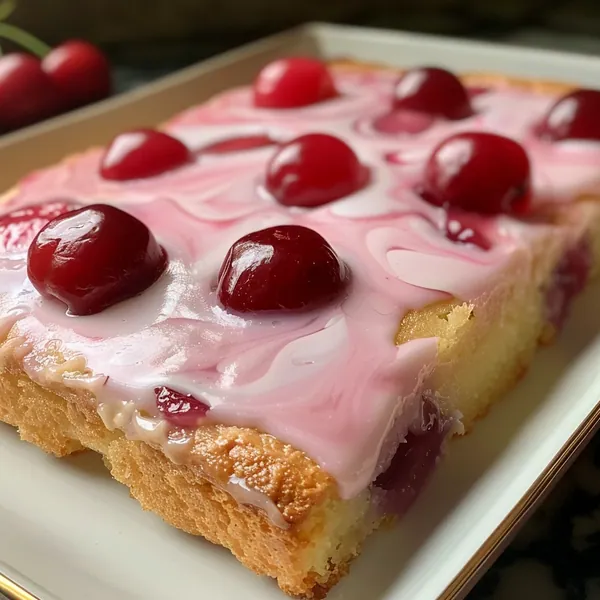
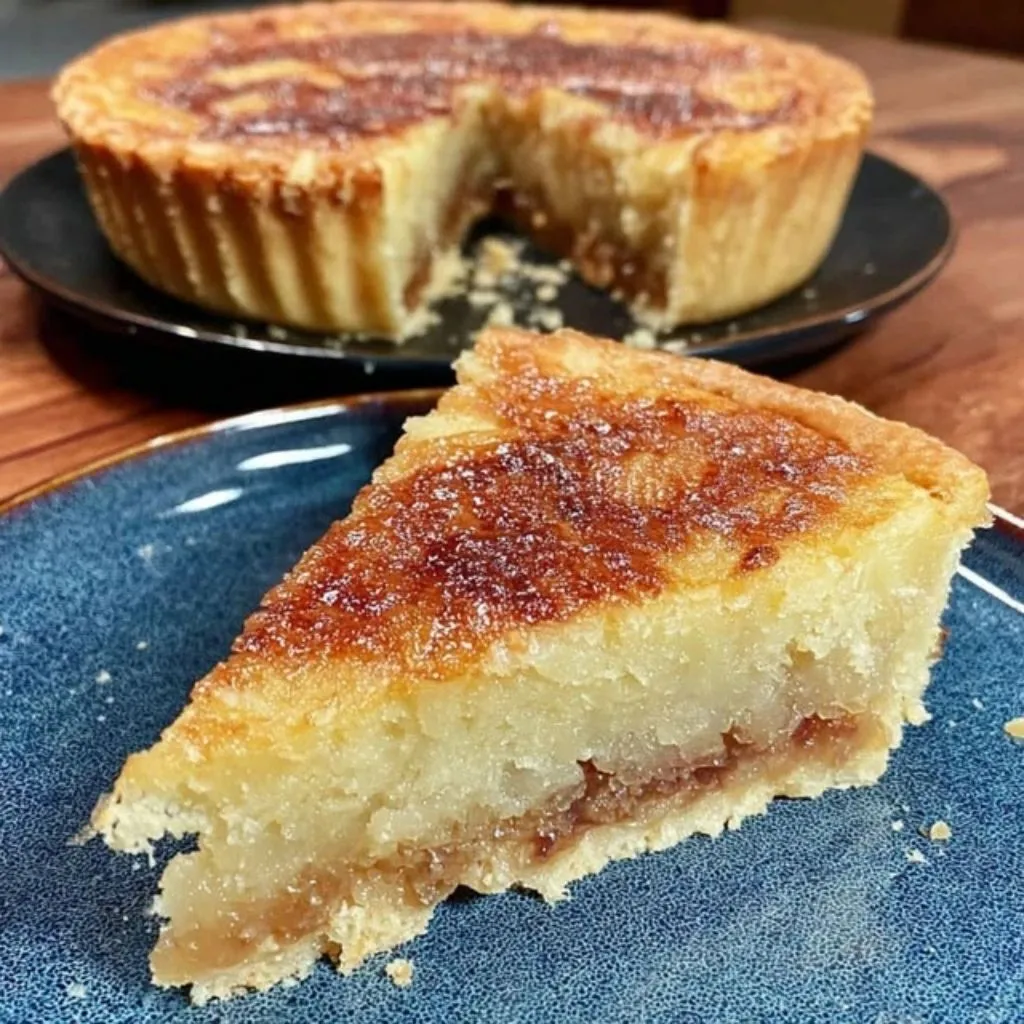
There’s something irresistibly nostalgic about a Traditional Bakewell Pudding. Not the fancy Bakewell tart you’ll find in every high-street bakery — I’m talking about the old-school, slightly rustic, gloriously gooey pudding version that’s been warming hearts since the 1800s.
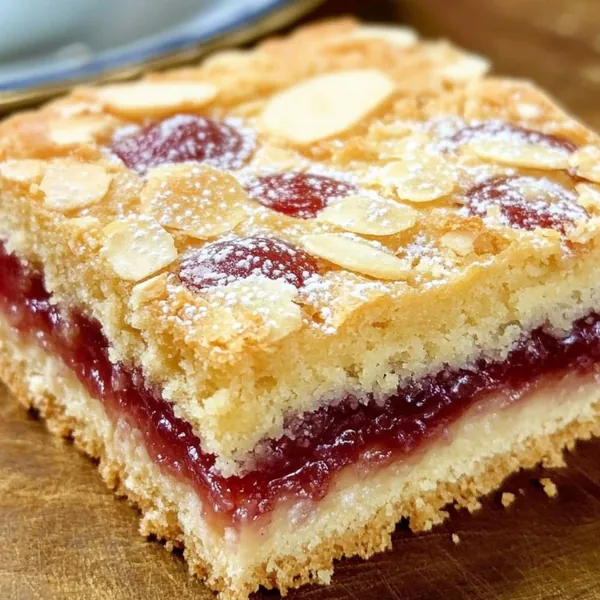
Legend has it this dish was born out of a delightful kitchen mishap in a Derbyshire inn — a cook mistakenly spread an egg-almond mixture on top of jam, instead of mixing it in. And honestly? Bless that mistake, because what emerged was a beautiful marriage of flaky pastry, sweet-tart jam, and a golden, almondy custard-like filling that just melts in your mouth. In our house, Bakewell Pudding was a Sunday tea staple — always served warm, always messy, and always devoured within minutes.
So if you’re in the mood for something that feels a little bit fancy but still brings cozy cottage vibes, this is it. Let’s get baking.
Ingredients You’ll Need
Before we dive in, gather your ingredients. This recipe is beautifully simple and uses pantry-friendly staples:
-
1 sheet ready-rolled puff pastry (about 250g)
-
3 tbsp raspberry jam (or strawberry, if that’s more your style)
-
100g unsalted butter, softened
-
100g caster sugar
-
2 large eggs + 1 egg yolk
-
100g ground almonds
-
½ tsp almond extract
-
Pinch of salt
Step 1: Prepare Your Tin and Pastry Base
Start by preheating your oven to 180°C fan (that’s around 350°F for those outside the UK). Grease a 20–23cm round tart tin — I recommend one with a loose bottom for easy removal later on.
Next, unroll your puff pastry and gently press it into the tart tin, smoothing it out into all the edges. Trim any overhang neatly with a sharp knife or kitchen scissors. Pop the lined tin into the fridge to chill while you prepare the filling — this helps prevent a soggy bottom.
TIP: Chilling the pastry helps keep it crisp during baking and prevents shrinking. It’s a small step, but it makes a big difference.
Step 2: Jam First, Then the Magic
Once your pastry is chilled, take it out of the fridge and spread a generous 3 tablespoons of raspberry jam evenly over the base. The layer should be visible but not too thick — just enough to add that bright, tangy sweetness underneath the almondy topping.
If you’re feeling adventurous, try blackcurrant or cherry jam for a deeper, fruitier punch. But raspberry is traditional and brings that classic British Bakewell flavour we all love.
Step 3: Make the Almond Filling
Now for the star of the show — that creamy, fluffy almond mixture.
In a mixing bowl, beat together 100g of softened butter and 100g of caster sugar until pale and creamy. This should take about 2–3 minutes with a hand mixer, or a bit longer by hand.
Next, beat in the 2 eggs and the extra yolk, one at a time, mixing well after each addition. It may look a little curdled at first — that’s totally fine. Once the eggs are in, stir in your 100g of ground almonds, ½ tsp almond extract, and a pinch of salt. Give it all a good mix until smooth and well combined.
Step 4: Assemble and Bake
Carefully spoon the almond filling over the jam layer. Spread it gently using the back of a spoon or an offset spatula to avoid disturbing the jam underneath.
Pop the pudding into your preheated oven and bake for 30–35 minutes, or until the top is golden brown and just set. Don’t worry if it has a slight wobble in the middle — that’s exactly what you want. It should be soft and custardy inside, not firm all the way through.
Let it cool slightly in the tin before serving. The aroma alone is going to test your patience!
Baking to Perfection & Delicious Ways to Serve
By now, your kitchen should be filled with the warm scent of buttery pastry, sweet jam, and toasted almonds — honestly, it’s the kind of aroma that makes people wander in asking, “What are you baking?” If your Bakewell Pudding is cooling slightly on the counter, you’re officially past the hardest part: waiting.
But before we dive into serving and storing tips, let’s talk about a few finishing touches, variations, and ways to make this classic Bakewell your own.
How to Know When It’s Just Right
Bakewell Pudding can be a little deceptive when it comes to doneness — the top may look perfectly golden while the inside is still quite soft. But don’t panic! This pudding is meant to be a bit wobbly in the centre. That soft, squidgy texture is part of what makes it so irresistible.
What to look for:
-
The edges should be lightly browned and pulling away slightly from the tin.
-
The top should be golden and slightly firm to the touch.
-
A slight wobble in the middle is perfect — think cheesecake-level wobble, not raw batter.
TIP: If you’re unsure, insert a skewer about an inch from the edge. It should come out with just a few moist crumbs.
Serve It Warm, Always
While you can eat Bakewell Pudding at room temperature, trust me when I say it’s best served warm. That’s when the filling is at its gooey, custardy best — almost like a soft-set almond cream. Serve slices with a spoon rather than a knife, and don’t worry if it doesn’t hold its shape perfectly. That’s all part of the charm.
Favourite Ways to Serve:
-
With warm custard: The most traditional choice, and the best comfort food combo ever.
-
With pouring cream: Light, cool, and beautifully contrastive to the warm pudding.
-
With a scoop of vanilla ice cream: For a modern twist — cold meets hot, creamy meets nutty. Heaven.
-
With stewed berries: Adds a lovely tartness to balance the sweetness.
And if you’re serving this to guests? Dust a little icing sugar over the top just before serving for a pretty finish. No one needs to know how easy it was to make.
Twists & Add-Ins: Make It Your Own
As with many traditional British bakes, there’s some wiggle room for personalisation. While purists may prefer to stick with raspberry jam and almond extract, here are a few creative ideas you might want to try:
1. Jam Variations
-
Blackcurrant jam: Rich and tangy — especially good if you like bold flavours.
-
Cherry or plum jam: Sweet and deep — complements the almond filling beautifully.
-
Orange marmalade: For a zesty twist that pairs surprisingly well with almonds.
2. Add a Citrus Kick
A touch of lemon zest (just half a lemon’s worth) stirred into the almond filling adds brightness and cuts through the richness. It’s subtle, but it makes a difference.
3. Top with Flaked Almonds
Scatter a handful of flaked almonds over the top of the filling before baking for a little extra texture and a lovely toasted look.
4. Go Gluten-Free
Use gluten-free puff pastry (available in many supermarkets now) and you’ve got an easy gluten-free dessert that doesn’t compromise on taste or texture.
Storage & Reheating
If you’re lucky enough to have leftovers — and that’s a big if — this pudding keeps surprisingly well.
Storage:
-
Room temperature: Keep covered in an airtight container for up to 2 days.
-
Refrigerated: Store for up to 3 days, though the pastry may soften slightly.
Reheating:
To bring back that freshly-baked feel, warm slices in the oven at 160°C (fan) for about 10 minutes, or microwave individual portions for 20–30 seconds.
TIP: Avoid over-microwaving — it can dry out the almond filling and make the pastry rubbery. Gentle heat is best.
Why We Love This Recipe So Much
There’s just something about Bakewell Pudding that feels like a warm hug from the past. It’s simple, satisfying, and full of history — yet adaptable enough to suit modern palates. You don’t need any fancy equipment, and the ingredients are humble, but the result? Pure magic.
Whether you serve it at a cosy family gathering, an afternoon tea party, or just because you’re craving something sweet on a rainy Sunday, this pudding never disappoints.
FAQs & Final Thoughts on the Beloved Bakewell Pudding
If you’ve followed along from the start, your Traditional Bakewell Pudding is probably long gone — or at least tucked away, waiting for a second helping. Whether this is your first time making it or it’s an old favourite in your family, there’s something timeless and comforting about this dish. It’s the kind of bake that doesn’t need perfect edges or pristine presentation — the flavour does all the talking.
But before we officially wrap up, let’s dive into some frequently asked questions that might pop up the next time you’re whipping up this British classic.
🧁 FAQ: Your Bakewell Pudding Questions, Answered
1. Can I use shortcrust pastry instead of puff pastry?
Absolutely. Shortcrust pastry gives a firmer, more biscuit-like base, which some people actually prefer. Puff pastry, on the other hand, creates a lighter, flakier base that contrasts beautifully with the soft almond filling. It really comes down to personal preference — both work well.
2. Why is my filling sinking or cracking on top?
A cracked top usually means it was slightly overbaked. The filling should have a gentle wobble in the centre when it comes out of the oven — that’s the goal. If it’s sinking dramatically, make sure you’re not overmixing the eggs or using cold ingredients, which can affect how the pudding sets.
3. Can I freeze Bakewell Pudding?
Technically yes, though it’s best enjoyed fresh or within a couple of days. If you do freeze it, let it cool completely first, then wrap it tightly in cling film and foil. Thaw overnight in the fridge, then reheat gently in the oven. Be aware that the texture may change slightly.
4. Can I make it dairy-free?
Yes! Substitute the butter with a good-quality plant-based alternative. Just make sure it’s suitable for baking (not a low-fat spread). The taste will change slightly, but the texture should still be delicious.
5. Is there a difference between Bakewell Tart and Bakewell Pudding?
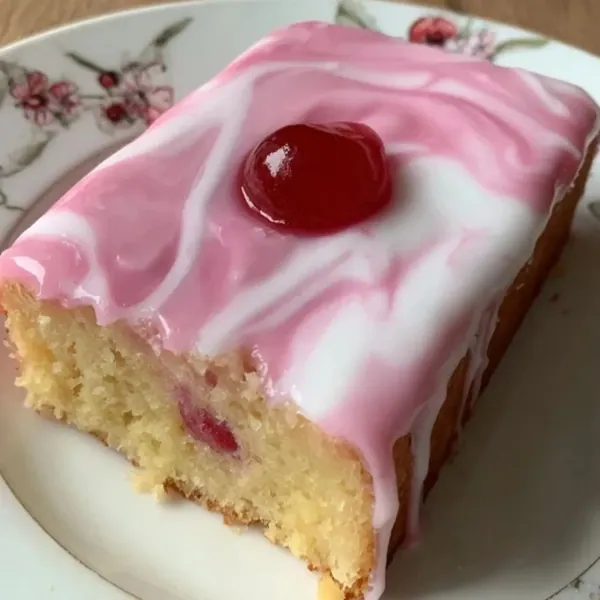
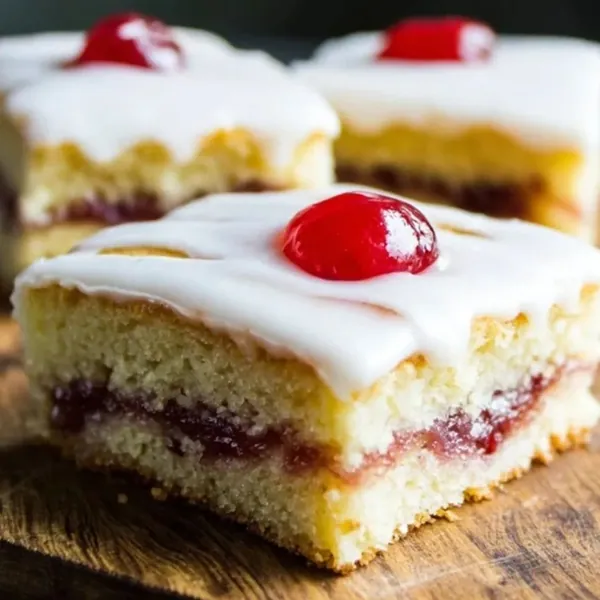
Yes — and it’s more than just a regional argument! A traditional Bakewell Pudding is made with puff pastry, jam, and an almond egg custard, as we’ve made here. A Bakewell Tart, on the other hand, typically uses shortcrust pastry, a layer of jam, and a firmer frangipane filling, often topped with icing and a cherry. Both are tasty, but very different in texture and style.
6. What other flavourings can I add to the filling?
Besides lemon zest (which adds a lovely brightness), you could try a dash of vanilla extract or even a splash of Amaretto for a boozy twist. Just keep it subtle — you don’t want to overpower the delicate almond flavour.
7. Can I make this in advance for a dinner party?
Yes — and it actually reheats really well! You can bake it earlier in the day, then gently warm it in the oven before serving. Add a scoop of ice cream or a jug of custard at the table for an easy, crowd-pleasing dessert.
Wrapping It All Up: The Beauty of a Simple British Bake
There’s a reason the Traditional Bakewell Pudding has stood the test of time. It’s humble, comforting, and just the right balance of sweet, nutty, and buttery. With minimal fuss and basic ingredients, you get a bake that feels like a special treat — whether you’re serving it at Sunday tea or sneaking a slice with your morning coffee (no judgement).
And while this recipe sticks close to the original, don’t be afraid to make it your own. Try a new jam. Add a twist of citrus. Or double the recipe for a crowd — trust me, it disappears fast.
I’d love to hear how yours turned out! Did you stick with raspberry jam, or try something a little different? Did the custard go on top on purpose, or by accident (like the original story)? Share your version in the comments, and let’s celebrate a little baking history together.
Happy baking — and here’s to the beautiful mistakes that turn into family favourites.
Traditional Bakewell Pudding Recipe – Buttery, Almondy, and Deliciously British
There’s something irresistibly nostalgic about a Traditional Bakewell Pudding. Not the fancy Bakewell tart you’ll find in every high-street bakery — I’m…
Ingredients
- 1 sheet ready-rolled puff pastry
- 3 tbsp raspberry jam
- 100g unsalted butter
- 100g caster sugar
- 2 large eggs + 1 egg yolk
- 100g ground almonds
- ½ tsp almond extract
- Pinch of salt
Instructions
- Prepare Your Tin and Pastry Base. Start by preheating your oven to 180°C fan (that’s around 350°F for those outside the UK). Grease a 20–23cm round tart tin — I recommend one with a loose bottom for easy removal later on. Next, unroll your puff pastry and gently press it into the tart tin, smoothing it out into all the edges. Trim any overhang neatly with a sharp knife or kitchen scissors. Pop the lined tin into the fridge to chill while you prepare the filling — this helps prevent a soggy bottom. TIP: Chilling the pastry helps keep it crisp during baking and prevents shrinking. It’s a small step, but it makes a big difference
- Jam First, Then the Magic. Once your pastry is chilled, take it out of the fridge and spread a generous 3 tablespoons of raspberry jam evenly over the base. The layer should be visible but not too thick — just enough to add that bright, tangy sweetness underneath the almondy topping. If you’re feeling adventurous, try blackcurrant or cherry jam for a deeper, fruitier punch. But raspberry is traditional and brings that classic British Bakewell flavour we all love
- Make the Almond Filling. Now for the star of the show — that creamy, fluffy almond mixture. In a mixing bowl, beat together 100g of softened butter and 100g of caster sugar until pale and creamy. This should take about 2–3 minutes with a hand mixer, or a bit longer by hand. Next, beat in the 2 eggs and the extra yolk , one at a time, mixing well after each addition. It may look a little curdled at first — that’s totally fine. Once the eggs are in, stir in your 100g of ground almonds , ½ tsp almond extract , and a pinch of salt . Give it all a good mix until smooth and well combined
- Assemble and Bake. Carefully spoon the almond filling over the jam layer. Spread it gently using the back of a spoon or an offset spatula to avoid disturbing the jam underneath. Pop the pudding into your preheated oven and bake for 30–35 minutes , or until the top is golden brown and just set. Don’t worry if it has a slight wobble in the middle — that’s exactly what you want. It should be soft and custardy inside, not firm all the way through. Let it cool slightly in the tin before serving. The aroma alone is going to test your patience!