In this article
At every agricultural show in country Australia there is a long table of sponge cakes, each one cut open so the judges can look at the crumb, and the bakers who take home the ribbons have been making the same cake for forty years. When Australian readers first described it to me, I thought they had left half the recipe out. There is no butter in it and no milk. There is almost no flour either. The cake is eggs, sugar and cornflour, which is what Australia and Britain call cornstarch, with a spoonful of plain flour and a little raising agent.
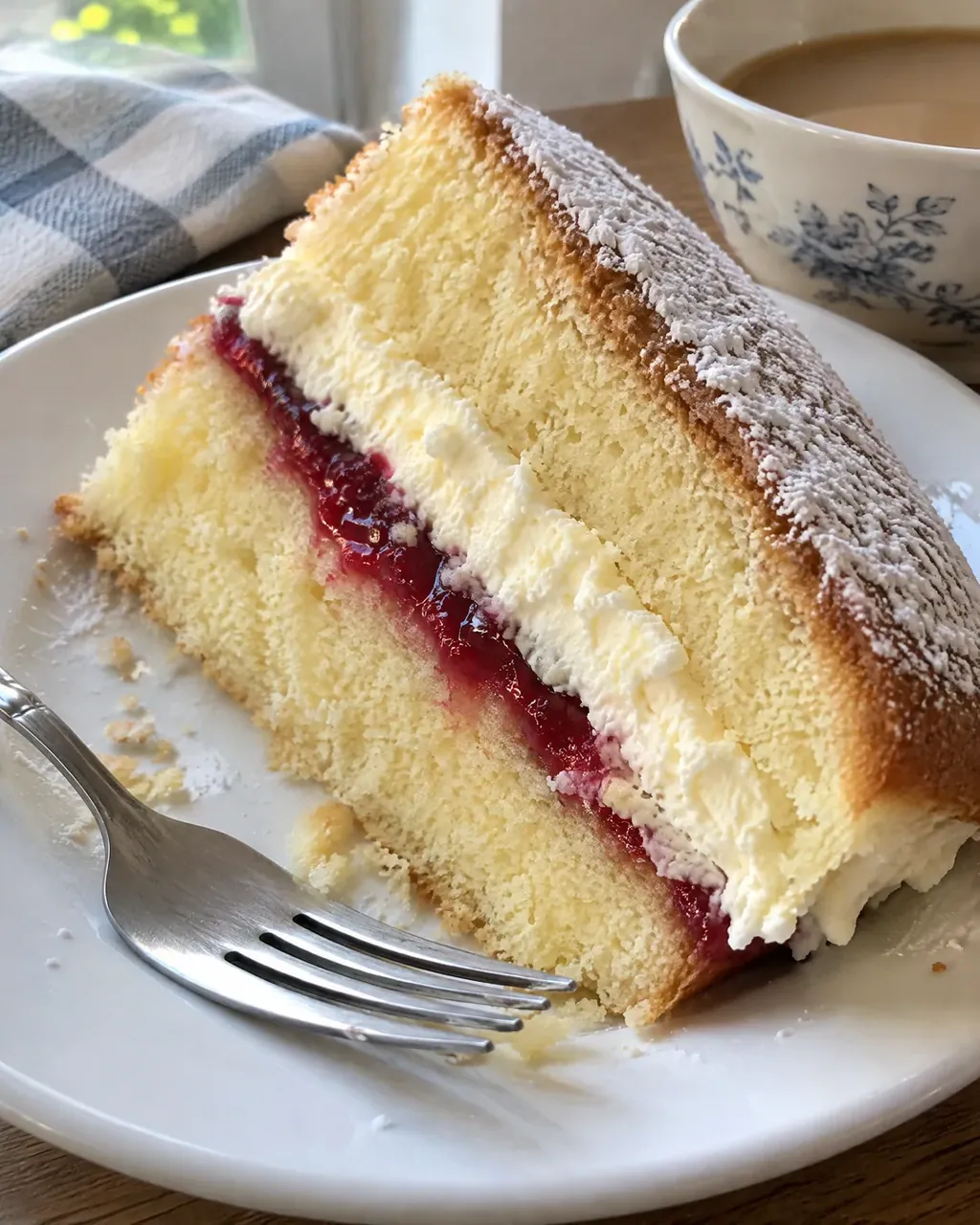
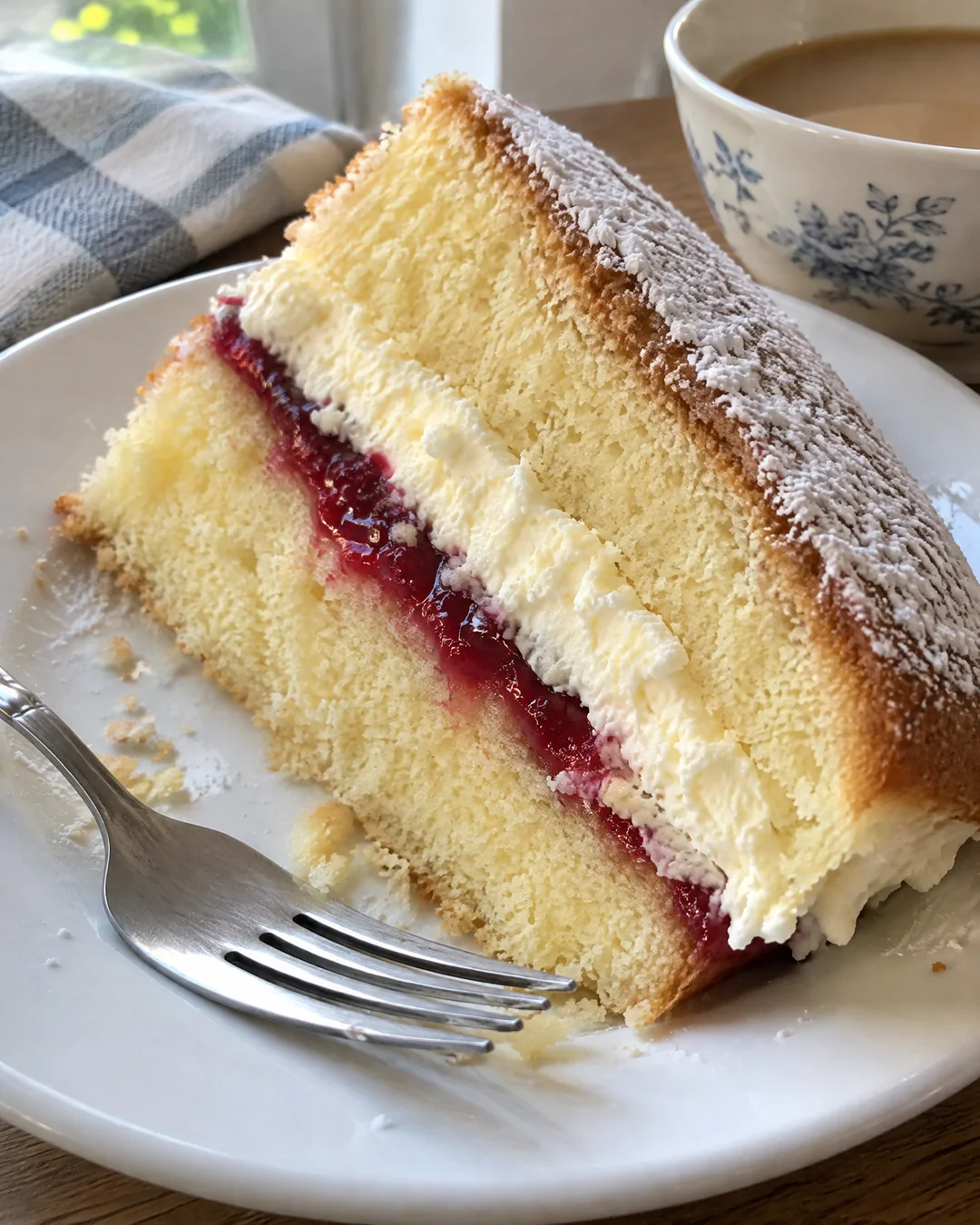
Everything that holds this cake up is air. The eggs and sugar are whipped for far longer than feels right, until the bowl is full of thick, pale foam, and then the cornflour is folded in so gently that hardly a bubble is lost. Because cornstarch has no gluten, the crumb comes out impossibly soft and fine, the kind that melts on the tongue. It is filled with jam and whipped cream and eaten the day it is made. Here is how long to whip the eggs, and how to fold so the sponge does not fall.
Why this cornflour sponge works
- Whipped whole eggs. Beaten with sugar for a full 8 to 10 minutes, eggs trap enough air to triple in volume. That foam is the only thing lifting the cake.
- Cornstarch in place of flour. It has no gluten, so the crumb is tender and feather light instead of bready.
- Sifting three times. Sifted cornstarch falls onto the foam like snow and folds in without lumps, so you fold less and lose less air.
- Cream of tartar and baking soda. The old Australian pair gives a gentle extra lift and a fine, even crumb.
- No fat at all. With no butter or oil to weigh it down, the sponge stays as light as the foam it started from.
Ingredients
Makes one two-layer 8 inch (20 cm) cake, about 10 slices. The measurements are in US cups with grams in brackets.
For the sponge
- 4 large eggs, at room temperature
- 3/4 cup superfine or granulated sugar (150g)
- 3/4 cup plus 2 tablespoons cornstarch (110g)
- 2 tablespoons all-purpose flour (16g)
- 1 teaspoon cream of tartar
- 1/2 teaspoon baking soda
- 1 pinch salt
For the filling and top
- 1/2 cup raspberry or strawberry jam (160g)
- 1 cup cold heavy cream (240ml)
- 1 tablespoon powdered sugar, plus more for dusting
- 1/2 teaspoon vanilla extract
Cornflour in Australia and Britain is the fine white powder Americans call cornstarch, not yellow cornmeal. Many Australian bakers use a tablespoon of custard powder in place of the plain flour; if you have it, use it, for a slightly yellower crumb. Superfine sugar (caster sugar) dissolves fastest. If you only have regular granulated sugar, whip a minute or two longer.
How to make cornflour sponge
Get ready
- Heat the oven to 350 degrees (175°C). Grease two 8 inch round cake pans, line the bottoms with rounds of parchment, then dust the sides lightly with cornstarch and tap out the extra.
- Sift the cornstarch, flour, cream of tartar, baking soda and salt together three times, onto a sheet of parchment or into a bowl. Do not skip this.
Whip and fold
- Put the eggs in the bowl of a stand mixer fitted with the whisk, or a large bowl if you are using a hand mixer. Beat on high speed for 1 minute until foamy.
- With the mixer running, add the sugar a tablespoon at a time. Keep beating on high for 8 to 10 minutes in a stand mixer, or 12 minutes with a hand mixer. The foam is ready when it is very thick, almost white, tripled in volume, and a ribbon of it dropped from the whisk sits on the surface for a count of five before it sinks.
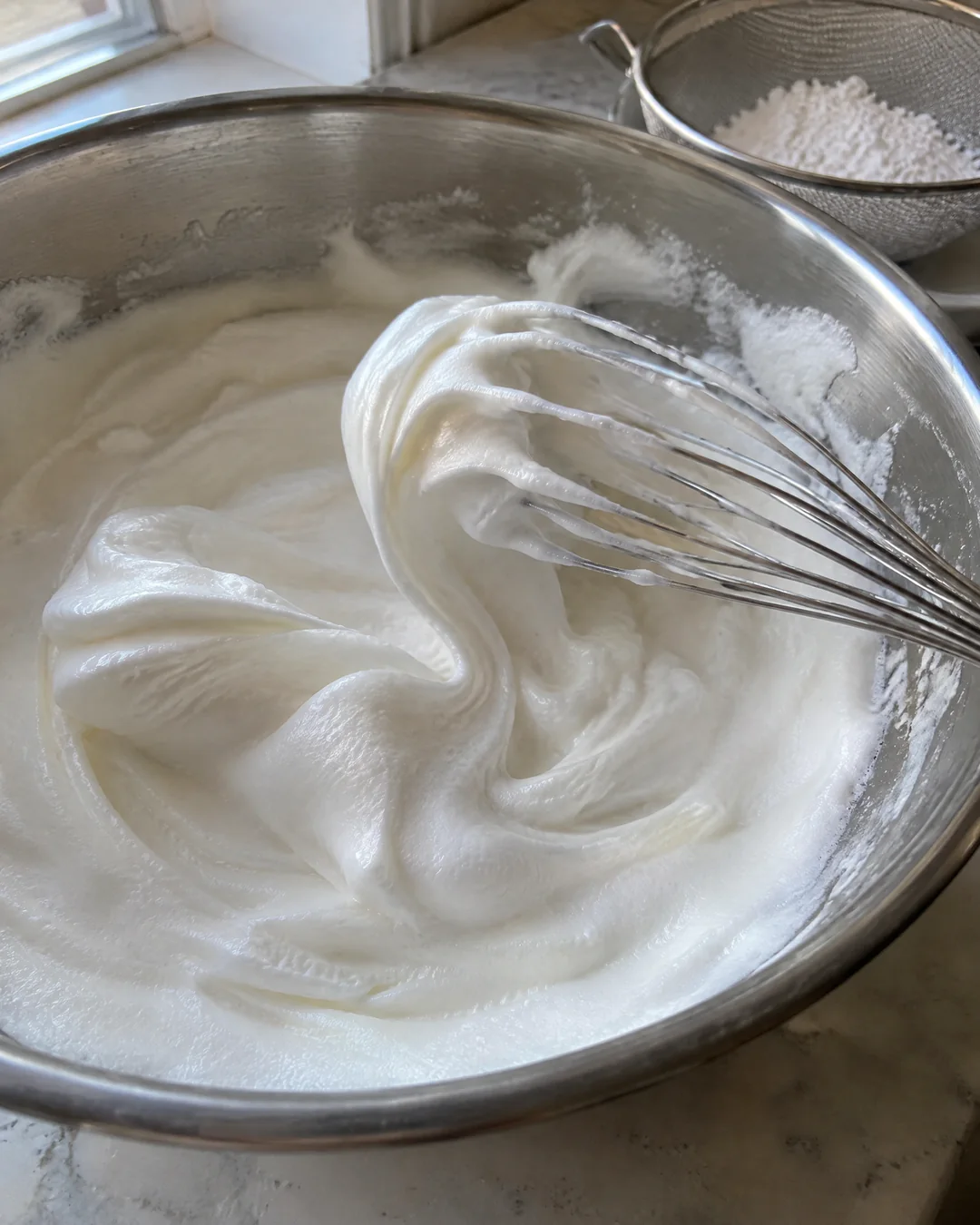
- Sift one third of the dry ingredients over the foam. Fold with a large metal spoon or a wide spatula: cut down through the middle, sweep along the bottom of the bowl and turn the mixture over, giving the bowl a quarter turn each time.
- Sift and fold in the rest in two more additions. Stop the moment no dry streaks remain. The batter should still be thick and full of air.
Bake and fill
- Divide the batter between the two pans, pouring it from close to the pan. Do not bang or tap the pans.
- Bake on the middle shelf for 18 to 20 minutes, without opening the oven door for the first 15. The sponges are done when they are pale golden, spring back when touched lightly in the center and have just begun to pull away from the sides.
- Let the pans stand for 2 minutes, then turn the sponges out onto a rack covered with a clean kitchen towel. Peel off the parchment and cool completely, about 40 minutes.
- Whip the cream with the tablespoon of powdered sugar and the vanilla until it holds soft peaks.
- Set one sponge on a plate, spread it with the jam and then the cream. Put the second sponge on top and dust it with powdered sugar. Cut with a serrated knife, using a gentle sawing motion.
Tips that make the difference
- Use eggs at room temperature. Cold eggs whip to about half the volume, and this cake has nothing else to lift it.
- Make sure the bowl and whisk are completely clean and dry. Any trace of grease keeps the eggs from foaming.
- Fold with a metal spoon, not a wooden one. A thin metal edge cuts through the foam; a thick wooden spoon crushes it.
Variations
- Passionfruit icing. Stir 1 1/2 cups powdered sugar (180g) with 1 teaspoon soft butter and the pulp of 2 passionfruit until smooth, and spread it over the top in place of the dusting of sugar.
- Lemon curd and cream. Use lemon curd in place of the jam for a sharper filling.
- Strawberries and cream. Lay sliced fresh strawberries over the jam before the cream goes on.
Storage and make-ahead
A cream-filled sponge is best eaten the day it is made. Leftovers keep, covered, in the refrigerator for 1 day, though the crumb firms up a little.
The unfilled sponge layers can be made a day ahead and kept in an airtight container at room temperature.
To freeze, wrap the unfilled layers well and freeze for up to 1 month. Thaw at room temperature, still wrapped, and fill just before serving.
Frequently asked questions
How long should I whip the eggs for a cornflour sponge?
Eight to ten minutes on high speed in a stand mixer, or about twelve with a hand mixer, adding the sugar slowly. The foam must be very thick and pale, and a ribbon dropped from the whisk should stay on the surface for a count of five. Under-whipped eggs are the main reason a sponge comes out flat.
How do I fold without the sponge falling?
Sift the dry ingredients over the foam in three lots and fold with a large metal spoon, cutting down through the middle and turning the mixture over from the bottom. Turn the bowl as you go, work gently, and stop as soon as the dry streaks are gone.
Is cornflour the same as cornstarch?
In Australia, New Zealand and Britain, yes. Cornflour there is the fine white starch Americans call cornstarch. It is not cornmeal and not the yellow corn flour used for tortillas.
Why did my sponge sink or shrink?
The eggs were not whipped long enough, the batter was folded too much, or the oven door was opened early. A sponge that shrinks a great deal as it cools was usually baked a little too long.
Put the kettle on, cut the first wedge while the cream is still cold, and you will understand why the show judges only need one bite.
Australian Cornflour Sponge (No Butter, No Milk, Almost No Flour)
The classic Australian cornflour sponge from the country shows: eggs and sugar whipped to a thick pale foam, cornstarch folded in by hand, baked in two layers as light as a cloud and filled with raspberry jam and whipped cream.
Ingredients
- 4 large eggs, at room temperature
- 3/4 cup superfine or granulated sugar
- 3/4 cup plus 2 tablespoons cornstarch
- 2 tablespoons all-purpose flour
- 1 teaspoon cream of tartar
- 1/2 teaspoon baking soda
- 1 pinch salt
- 1/2 cup raspberry or strawberry jam
- 1 cup cold heavy cream
- 1 tablespoon powdered sugar, plus more for dusting
- 1/2 teaspoon vanilla extract
Instructions
- Heat the oven to 350 degrees (175°C). Grease two 8 inch round cake pans, line the bottoms with rounds of parchment, then dust the sides lightly with cornstarch and tap out the extra.
- Sift the cornstarch, flour, cream of tartar, baking soda and salt together three times, onto a sheet of parchment or into a bowl. Do not skip this.
- Put the eggs in the bowl of a stand mixer fitted with the whisk, or a large bowl if you are using a hand mixer. Beat on high speed for 1 minute until foamy.
- With the mixer running, add the sugar a tablespoon at a time. Keep beating on high for 8 to 10 minutes in a stand mixer, or 12 minutes with a hand mixer. The foam is ready when it is very thick, almost white, tripled in volume, and a ribbon of it dropped from the whisk sits on the surface for a count of five before it sinks.
- Sift one third of the dry ingredients over the foam. Fold with a large metal spoon or a wide spatula: cut down through the middle, sweep along the bottom of the bowl and turn the mixture over, giving the bowl a quarter turn each time.
- Sift and fold in the rest in two more additions. Stop the moment no dry streaks remain. The batter should still be thick and full of air.
- Divide the batter between the two pans, pouring it from close to the pan. Do not bang or tap the pans.
- Bake on the middle shelf for 18 to 20 minutes, without opening the oven door for the first 15. The sponges are done when they are pale golden, spring back when touched lightly in the center and have just begun to pull away from the sides.
- Let the pans stand for 2 minutes, then turn the sponges out onto a rack covered with a clean kitchen towel. Peel off the parchment and cool completely, about 40 minutes.
- Whip the cream with the tablespoon of powdered sugar and the vanilla until it holds soft peaks.
- Set one sponge on a plate, spread it with the jam and then the cream. Put the second sponge on top and dust it with powdered sugar. Cut with a serrated knife, using a gentle sawing motion.