In this article
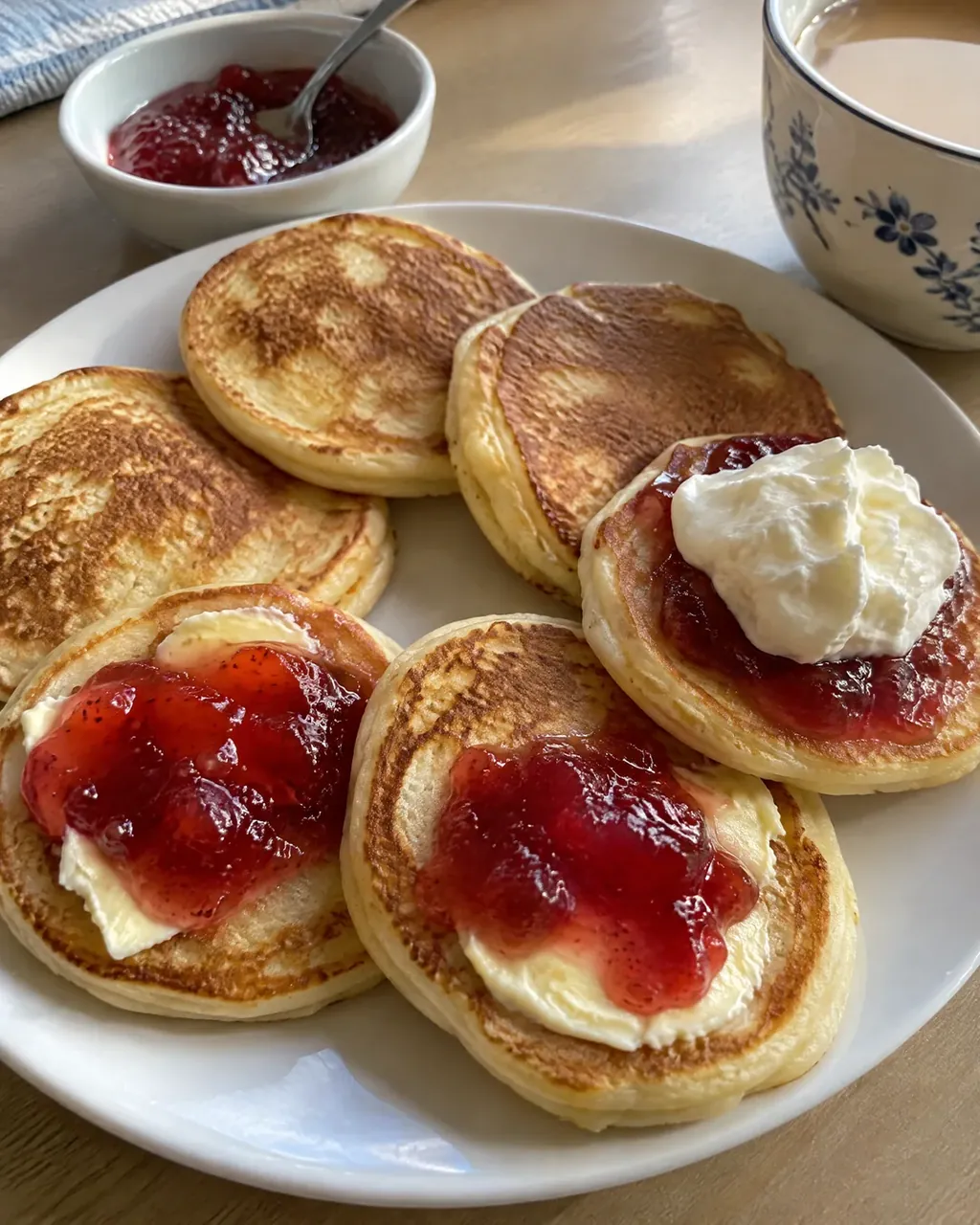
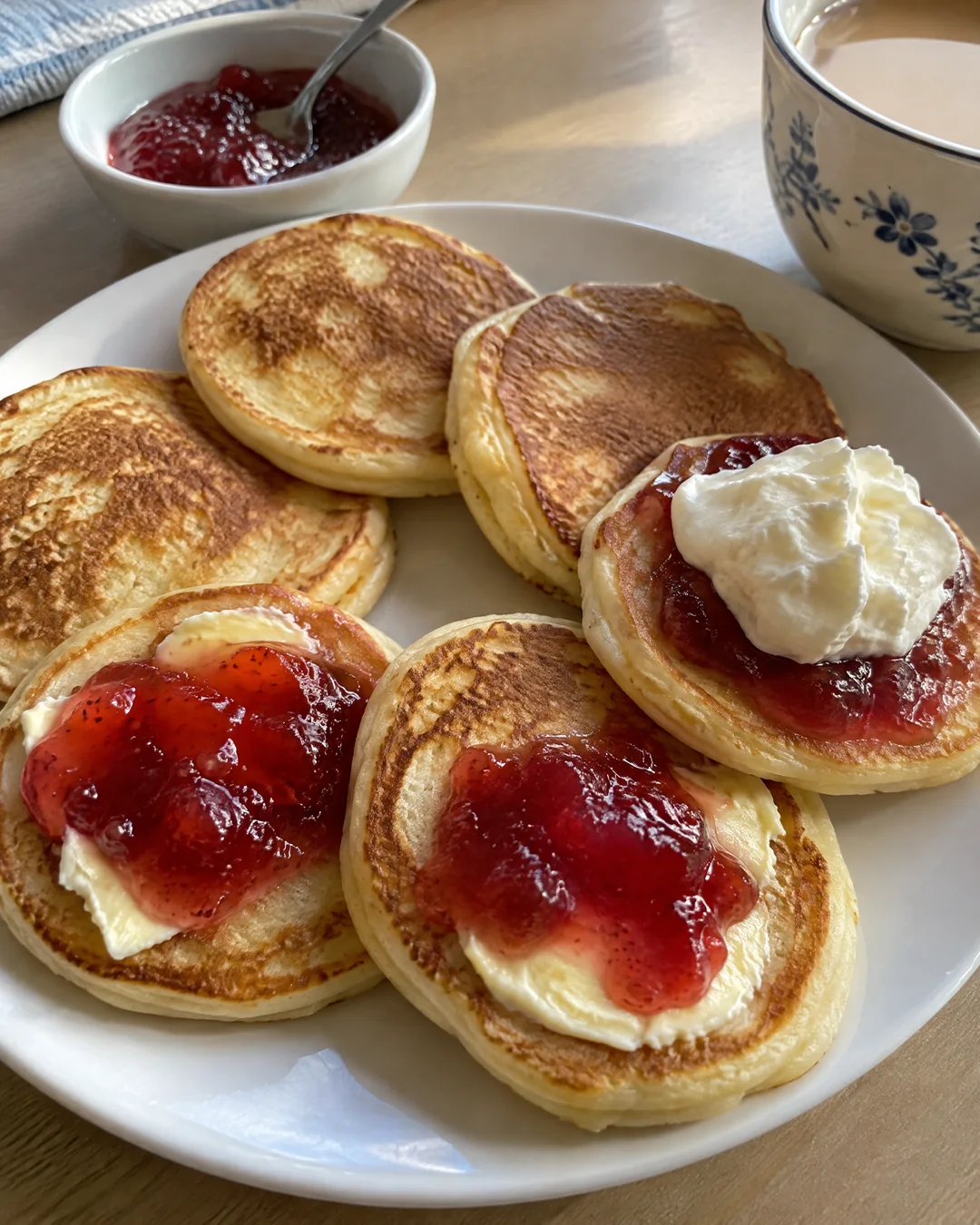
The first time an Australian reader told me about pikelets, I wrote back that we have those here and we call them pancakes. I was put right within the hour, and kindly. A pikelet, she explained, is smaller than a pancake, no wider than the top of a teacup. It is thicker, and there is a little sugar in the batter. It is not breakfast. It comes out at afternoon tea, or goes into a school lunch box, and it is eaten with butter and jam, or jam and whipped cream, as often cold as warm. Nobody pours syrup on it.
When I told my friend Margaret, who grew up in the north of England, she laughed, because where she comes from a pikelet is something else again: a thin, holey cousin of the crumpet, toasted and buttered. Same word, two different things. This is the Australian one, the kind grandmothers cook a few at a time and pile on a plate under a tea towel. The whole secret is in the batter. It has to be thick enough to hold its shape in the pan, and it has to rest before it is cooked. Here is how thick, and why.
Why this pikelets works
- A thick batter. Pikelet batter should drop slowly from the spoon in a blob, not pour. That is what makes them small, round and thick instead of wide and thin.
- A rest before cooking. In 20 minutes the flour soaks up the milk and the batter thickens and relaxes, so the pikelets cook up tender and even.
- Self-rising flour. The raising agent is already mixed evenly through the flour, which gives a steady, gentle rise with no bitter spots.
- A little sugar. Just enough to brown the outside to an even gold and make them good to eat cold with nothing but butter.
- Gentle heat. A medium-low pan cooks the thick middle through before the outside gets too dark.
Ingredients
Makes about 20 pikelets, each about 3 inches (7 cm) across, enough for 4 to 6 people at afternoon tea. The measurements are in US cups with grams in brackets.
For the batter
- 1 cup self-rising flour (125g)
- 2 tablespoons granulated sugar (25g)
- 1 pinch of salt
- 1 large egg
- 2/3 cup milk (160ml)
- 1 tablespoon butter (14g), melted and cooled a little
- 1/2 teaspoon vanilla extract, if you like
For cooking and serving
- A little soft butter for the pan
- Butter and strawberry or raspberry jam
- Softly whipped cream, if you like
No self-rising flour? Use 1 cup all-purpose flour (125g) mixed well with 1 1/2 teaspoons baking powder and 1/4 teaspoon salt, and leave out the extra pinch of salt. Whole milk gives the best flavor, but any milk works. Australian recipes use a slightly larger cup than American ones; the amounts here have been worked out for US cups, so follow the grams if you have a scale.
How to make pikelets
Make and rest the batter
- Put the flour, sugar and salt in a mixing bowl and stir them together. Make a hollow in the middle.
- In a jug or small bowl, beat the egg with the milk, melted butter and vanilla.
- Pour about half of the milk mixture into the hollow and whisk from the middle outward, drawing in the flour, until you have a thick smooth paste. Whisk in the rest of the liquid until just smooth. Stop as soon as the lumps are gone.
- Check the thickness. The batter should be thicker than pancake batter: lifted on a spoon, it should fall off slowly in a blob and sit on the surface for a second before sinking in. If it runs off like cream, whisk in another tablespoon of flour.
- Cover the bowl and let the batter rest on the counter for 20 minutes. It will thicken a little more and a few bubbles will appear on top. Do not stir it again.
Cook the pikelets
- Heat a heavy skillet or griddle over medium-low heat for 2 to 3 minutes. Rub it with a little butter on a paper towel so there is only a thin film.
- Drop level tablespoonfuls of batter into the pan, letting the batter fall from the tip of the spoon so each one spreads into a neat round. Leave space between them; four or five fit in a large skillet.
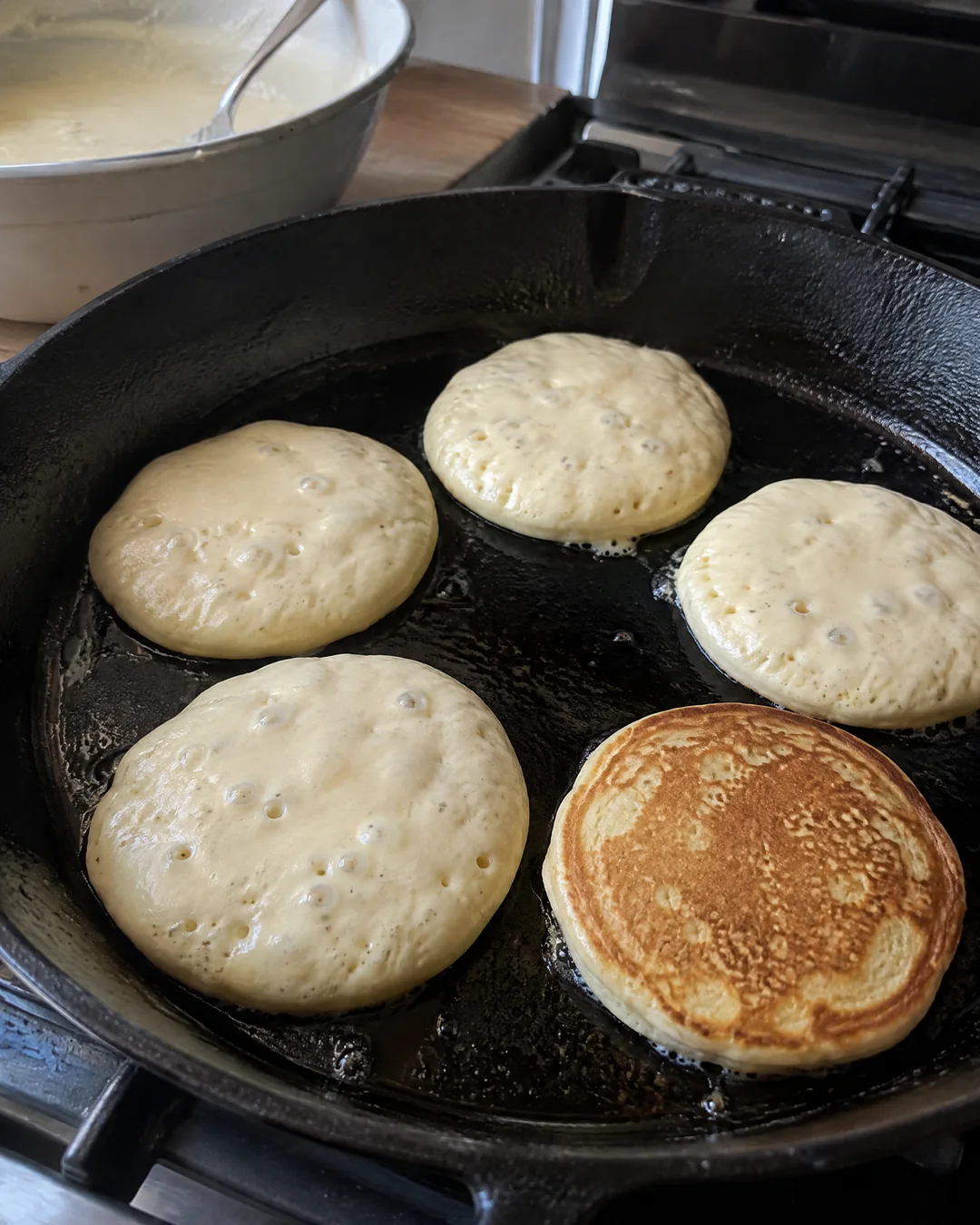
- Cook for 1 to 2 minutes, until bubbles rise and begin to break on top and the edges look set and dull. Turn with a thin spatula and cook the other side for about 1 minute, until golden and springy when pressed.
- Move the pikelets to a clean kitchen towel on a plate and fold the towel over them. This keeps them soft. Wipe the pan with the buttered paper again and cook the rest of the batter the same way.
- Serve warm or cold, spread with butter and jam, or with jam and a spoonful of whipped cream.
Tips that make the difference
- Cook one test pikelet first. If it is dark before the bubbles break, the pan is too hot. If it stays pale and flat, the pan is too cool.
- Use only a film of butter in the pan. A puddle of butter fries the edges lacy and uneven, and a pikelet should be smooth and evenly golden.
- Do not beat the batter after its rest. Stirring knocks out the bubbles that make the pikelets light.
- Drop the batter from the tip of the spoon, held straight above the pan, for round pikelets. Poured from the side they come out oval.
- Stack them in a folded towel as they come off the heat. The trapped steam keeps the tops from drying out.
Variations
- Sultana pikelets. Stir 1/4 cup of sultanas or golden raisins into the batter after its rest.
- Lemon and sugar. Serve the warm pikelets with a squeeze of lemon and a sprinkle of sugar in place of the jam.
- Buttermilk pikelets. Use buttermilk in place of the milk and add 1/4 teaspoon of baking soda to the flour. They come out a little lighter and tangier.
- Golden syrup pikelets. Replace 1 tablespoon of the sugar with 1 tablespoon of golden syrup or honey whisked into the milk, for a deeper color and a faint caramel taste.
Storage and make-ahead
Pikelets keep in an airtight container at room temperature for 2 days. Australians eat them cold with butter, straight from the tin.
To warm them, wrap a few in a paper towel and microwave for 10 to 15 seconds, or toast them lightly in a dry pan.
They freeze well for up to 2 months. Lay them flat in a freezer bag with baking parchment between the layers and thaw at room temperature for 20 minutes.
Frequently asked questions
What is the difference between a pikelet and a pancake?
An Australian pikelet is smaller, about 3 inches across, and thicker, made from a stiffer and slightly sweeter batter. It is eaten at afternoon tea or as a snack, warm or cold, with butter and jam and not with syrup.
How thick should pikelet batter be?
Thicker than American pancake batter. It should drop slowly from a spoon in a blob and hold a round shape in the pan without running. If it spreads thin, whisk in another tablespoon of flour.
Why does the batter need to rest?
Resting gives the flour time to absorb the milk, which thickens the batter and softens it. Rested batter makes pikelets that are tender, evenly risen and smooth on top. Twenty minutes is enough.
Is a pikelet the same thing in England?
Not usually. In parts of the north of England and the Midlands, a pikelet is a thin, flat crumpet full of holes, made with yeast and eaten toasted with butter. The Australian pikelet is a small, thick, sweet pancake.
Make the batter before you put the kettle on, and by the time the tea has brewed the first pikelets are ready for the butter.
Australian Pikelets (Small, Thick and Sweet, With Butter and Jam)
Australian pikelets: small, thick, lightly sweet pancakes made from a rested batter of self-rising flour, sugar, egg and milk, cooked a spoonful at a time and eaten warm or cold at afternoon tea with butter and jam, or jam and cream.
Ingredients
- 1 cup self-rising flour
- 2 tablespoons granulated sugar
- 1 pinch of salt
- 1 large egg
- 2/3 cup milk
- 1 tablespoon butter (14g), melted and cooled a little
- 1/2 teaspoon vanilla extract, if you like
- A little soft butter for the pan
- Butter and strawberry or raspberry jam
- Softly whipped cream, if you like
Instructions
- Put the flour, sugar and salt in a mixing bowl and stir them together. Make a hollow in the middle.
- In a jug or small bowl, beat the egg with the milk, melted butter and vanilla.
- Pour about half of the milk mixture into the hollow and whisk from the middle outward, drawing in the flour, until you have a thick smooth paste. Whisk in the rest of the liquid until just smooth. Stop as soon as the lumps are gone.
- Check the thickness. The batter should be thicker than pancake batter: lifted on a spoon, it should fall off slowly in a blob and sit on the surface for a second before sinking in. If it runs off like cream, whisk in another tablespoon of flour.
- Cover the bowl and let the batter rest on the counter for 20 minutes. It will thicken a little more and a few bubbles will appear on top. Do not stir it again.
- Heat a heavy skillet or griddle over medium-low heat for 2 to 3 minutes. Rub it with a little butter on a paper towel so there is only a thin film.
- Drop level tablespoonfuls of batter into the pan, letting the batter fall from the tip of the spoon so each one spreads into a neat round. Leave space between them; four or five fit in a large skillet.
- Cook for 1 to 2 minutes, until bubbles rise and begin to break on top and the edges look set and dull. Turn with a thin spatula and cook the other side for about 1 minute, until golden and springy when pressed.
- Move the pikelets to a clean kitchen towel on a plate and fold the towel over them. This keeps them soft. Wipe the pan with the buttered paper again and cook the rest of the batter the same way.
- Serve warm or cold, spread with butter and jam, or with jam and a spoonful of whipped cream.