In this article
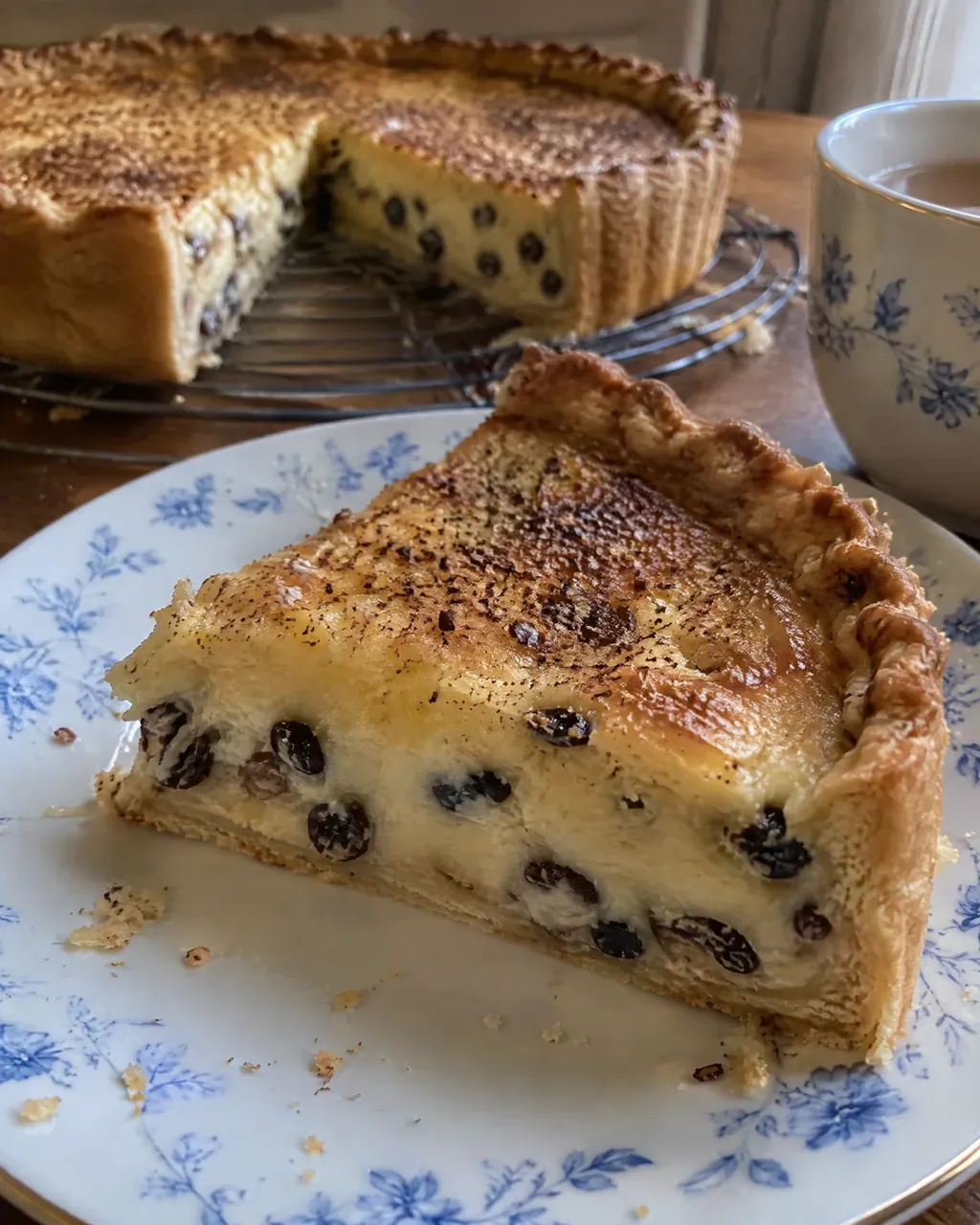
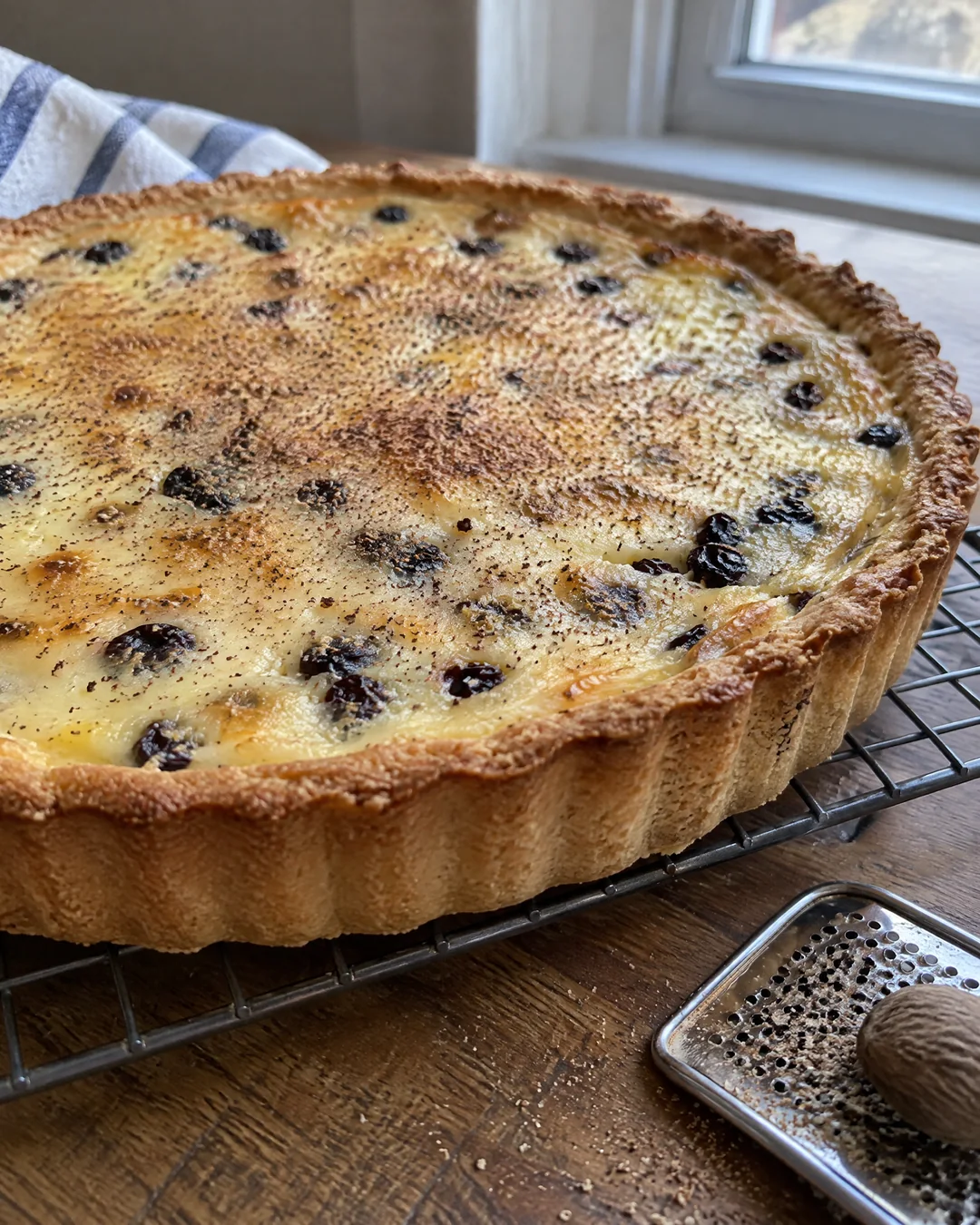
My English friend Margaret says Yorkshire was baking cheesecake in a pastry case hundreds of years before anybody in New York, and after the first slice of hers I decided I was not going to argue with her. A Yorkshire curd tart is a crisp pastry shell filled with fresh curds, sugar, a little butter, eggs and currants, with a grating of nutmeg over the top. Margaret’s grandmother sold them at the market in the town where she grew up, and every bakery in Yorkshire still has them in the window next to the scones.
The curds are the old part, and the part that makes it. Nobody’s grandmother bought a tub of anything. She warmed a pot of whole milk, took it off the heat, stirred in lemon juice, and waited ten minutes while the milk separated into soft white curds and thin yellow whey. Then the pot went through a sieve lined with a thin dish towel and drained for half an hour. That is all fresh curd is, and it takes no skill at all. The result tastes like a lighter, older cheesecake: less rich, a little tangy from the lemon, sweet with the currants, and warm with nutmeg. Margaret eats it cold with a cup of tea and nothing on top, and she will tell you so.
Why this Yorkshire curd tart works
- Fresh curds made at home. Milk and lemon give soft, mild curds with a gentle tang, lighter than cream cheese and nothing like cottage cheese from a carton.
- Drained, not squeezed. Thirty minutes in a towel-lined sieve leaves the curds moist enough to bake creamy but dry enough to set.
- Currants and lemon zest. Small dark currants scatter through every bite and the zest echoes the lemon in the curds.
- Nutmeg twice. A little in the filling and a fresh grating on top, which is what makes it taste like Yorkshire.
Ingredients
Makes one 9 inch tart, 8 slices. The measurements are in US cups with grams in brackets.
For the curds
- 6 cups whole milk (1.4 liters)
- 1/4 cup fresh lemon juice (60ml), from about 2 lemons
For the tart
- 1 unbaked 9 inch pie crust, homemade or ready-rolled, fitted into a tart or pie pan
- 1/2 cup granulated sugar (100g)
- 3 tablespoons unsalted butter (42g), softened
- 2 large eggs, beaten
- 1/2 cup dried currants (70g)
- Finely grated zest of 1 lemon
- 1/4 teaspoon ground nutmeg, plus more freshly grated for the top
Use whole milk. Low-fat milk gives fewer, drier curds. The 6 cups make about 1 1/2 cups of drained curds, exactly what one tart needs.
How to make Yorkshire curd tart
Make the curds
- Heat the 6 cups milk in a large saucepan over medium heat, stirring now and then, until it steams and small bubbles form at the edge, just below a boil.
- Take the pan off the heat and stir in the 1/4 cup lemon juice gently. Leave it alone for 10 minutes. The milk will separate into white curds and thin yellowish whey.
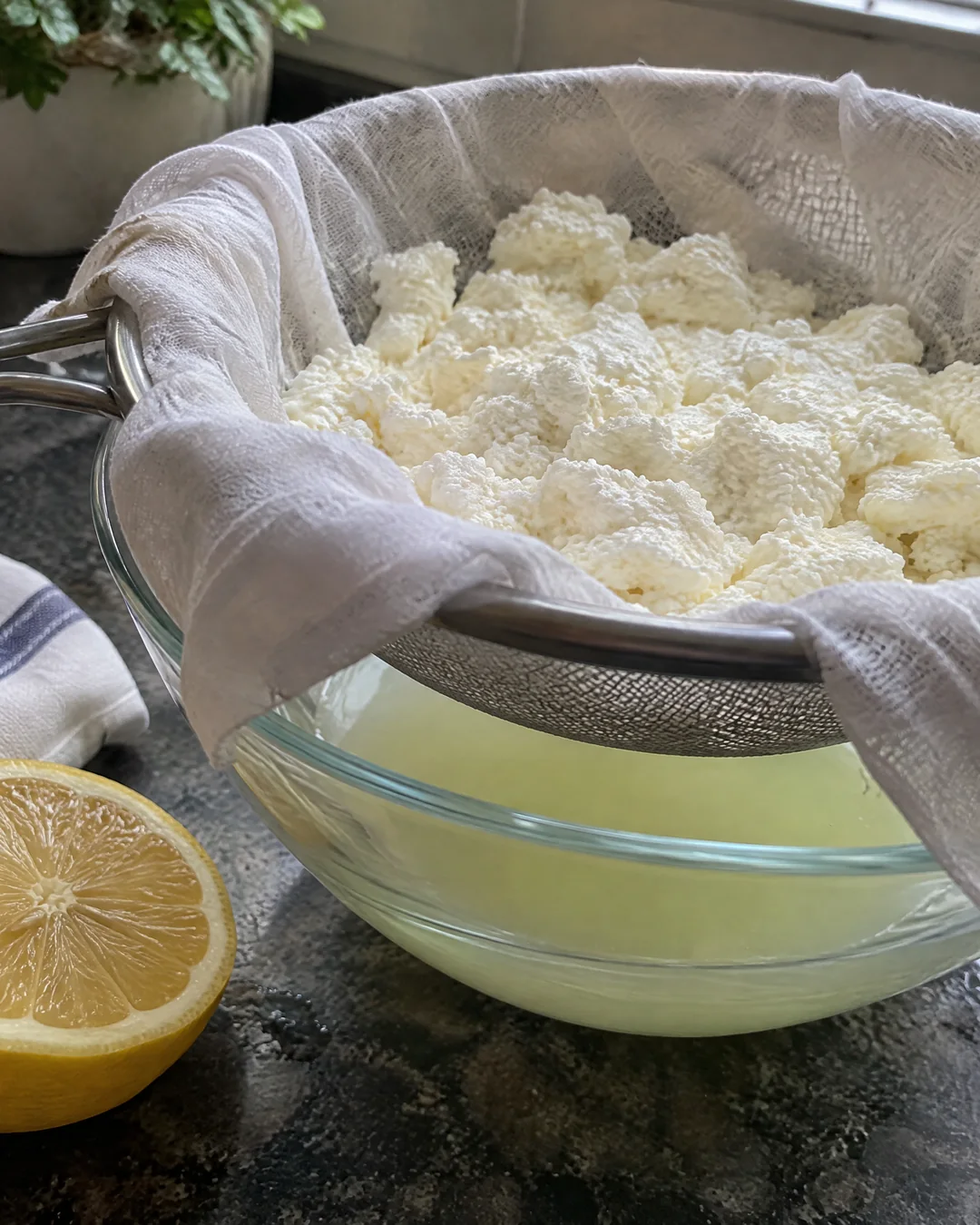
- Line a sieve with a thin clean dish towel or a double layer of cheesecloth and set it over a bowl. Pour in the curds and whey and let the curds drain for 30 minutes. Do not squeeze them.
Fill and bake
- Heat the oven to 375 degrees F (190 C). Fit the unbaked crust into a 9 inch tart or pie pan and keep it in the refrigerator while you make the filling.
- Tip the drained curds into a bowl and mash them lightly with a fork. Beat in the 1/2 cup sugar and the 3 tablespoons soft butter, then the 2 beaten eggs.
- Stir in the 1/2 cup currants, the lemon zest and the 1/4 teaspoon nutmeg.
- Spread the filling evenly in the crust and grate a little fresh nutmeg over the top.
- Bake at 375 degrees for 30 to 35 minutes, until the filling is set, puffed slightly and golden in spots, and the pastry is crisp and brown at the edge.
- Cool the tart completely on a rack before you cut it, at least 2 hours. It firms as it cools.
Tips that make the difference
- Do not boil the milk hard. Just below a boil gives soft, tender curds; boiling makes them rubbery.
- Do not squeeze the towel. Squeezed curds bake dry and crumbly.
- Chill the crust while you make the filling so the pastry stays crisp.
- Let it cool all the way. A warm curd tart is soft and the slices fall apart.
Variations
- With raisins. Golden raisins, chopped small, work in place of currants.
- Ricotta shortcut. If time is short, use 1 1/2 cups well-drained whole milk ricotta (370g) instead of the homemade curds. Margaret says this is not a curd tart, but it is a very good tart.
- Allspice. Some Yorkshire bakers use a pinch of allspice with the nutmeg.
- Little tarts. Bake the filling in 12 small tart shells for 18 to 22 minutes, for a tea table.
Storage and make-ahead
Keep the tart covered in the refrigerator for up to 3 days. It is eaten cold, so it goes straight from the refrigerator to the plate.
The curds can be made a day ahead and kept covered in the refrigerator, which makes the tart a twenty-minute job on baking day.
It does not freeze well; the curds weep when thawed.
Frequently asked questions
What are curds in a curd tart?
Fresh soft curds made by warming milk and adding an acid such as lemon juice, which separates the milk into curds and whey. Drained, they are mild, moist and slightly tangy, like a very fresh, soft cheese.
Is a Yorkshire curd tart the same as cheesecake?
It is a close cousin and much older. It is lighter and less rich than a New York cheesecake, baked in pastry instead of a crumb crust, with currants and nutmeg.
Can I use cottage cheese?
Pressed cottage cheese pushed through a sieve is used by some bakers, but the texture is lumpier and saltier. Homemade curds from milk and lemon take fifteen minutes and are far better.
What do I do with the whey?
Keep it. Margaret uses it in place of milk in scones or bread dough, where it makes them softer.
Warm the milk, add the lemon, wait ten minutes and drain. The rest is a pie, and the pie is three hundred years old.
Yorkshire Curd Tart with Homemade Curds, Currants and Nutmeg
The old Yorkshire curd tart: fresh curds made at home from whole milk and lemon juice, mixed with sugar, butter, eggs, currants, lemon zest and nutmeg, baked in a 9 inch pastry shell at 375 degrees. Cups and grams, the times, and how to drain the curds.
Ingredients
- 6 cups whole milk
- 1/4 cup fresh lemon juice (60ml), from about 2 lemons
- 1 unbaked 9 inch pie crust, homemade or ready-rolled, fitted into a tart or pie pan
- 1/2 cup granulated sugar
- 3 tablespoons unsalted butter (42g), softened
- 2 large eggs, beaten
- 1/2 cup dried currants
- Finely grated zest of 1 lemon
- 1/4 teaspoon ground nutmeg, plus more freshly grated for the top
Instructions
- Heat the 6 cups milk in a large saucepan over medium heat, stirring now and then, until it steams and small bubbles form at the edge, just below a boil.
- Take the pan off the heat and stir in the 1/4 cup lemon juice gently. Leave it alone for 10 minutes. The milk will separate into white curds and thin yellowish whey.
- Line a sieve with a thin clean dish towel or a double layer of cheesecloth and set it over a bowl. Pour in the curds and whey and let the curds drain for 30 minutes. Do not squeeze them.
- Heat the oven to 375 degrees F (190 C). Fit the unbaked crust into a 9 inch tart or pie pan and keep it in the refrigerator while you make the filling.
- Tip the drained curds into a bowl and mash them lightly with a fork. Beat in the 1/2 cup sugar and the 3 tablespoons soft butter, then the 2 beaten eggs.
- Stir in the 1/2 cup currants, the lemon zest and the 1/4 teaspoon nutmeg.
- Spread the filling evenly in the crust and grate a little fresh nutmeg over the top.
- Bake at 375 degrees for 30 to 35 minutes, until the filling is set, puffed slightly and golden in spots, and the pastry is crisp and brown at the edge.
- Cool the tart completely on a rack before you cut it, at least 2 hours. It firms as it cools.