In this article
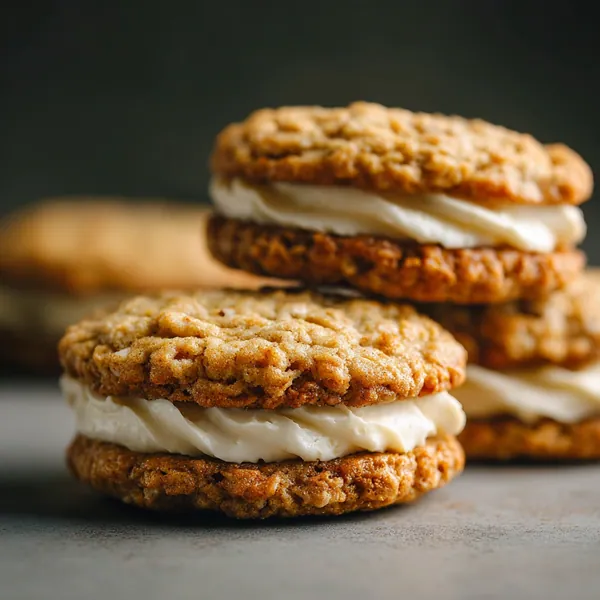
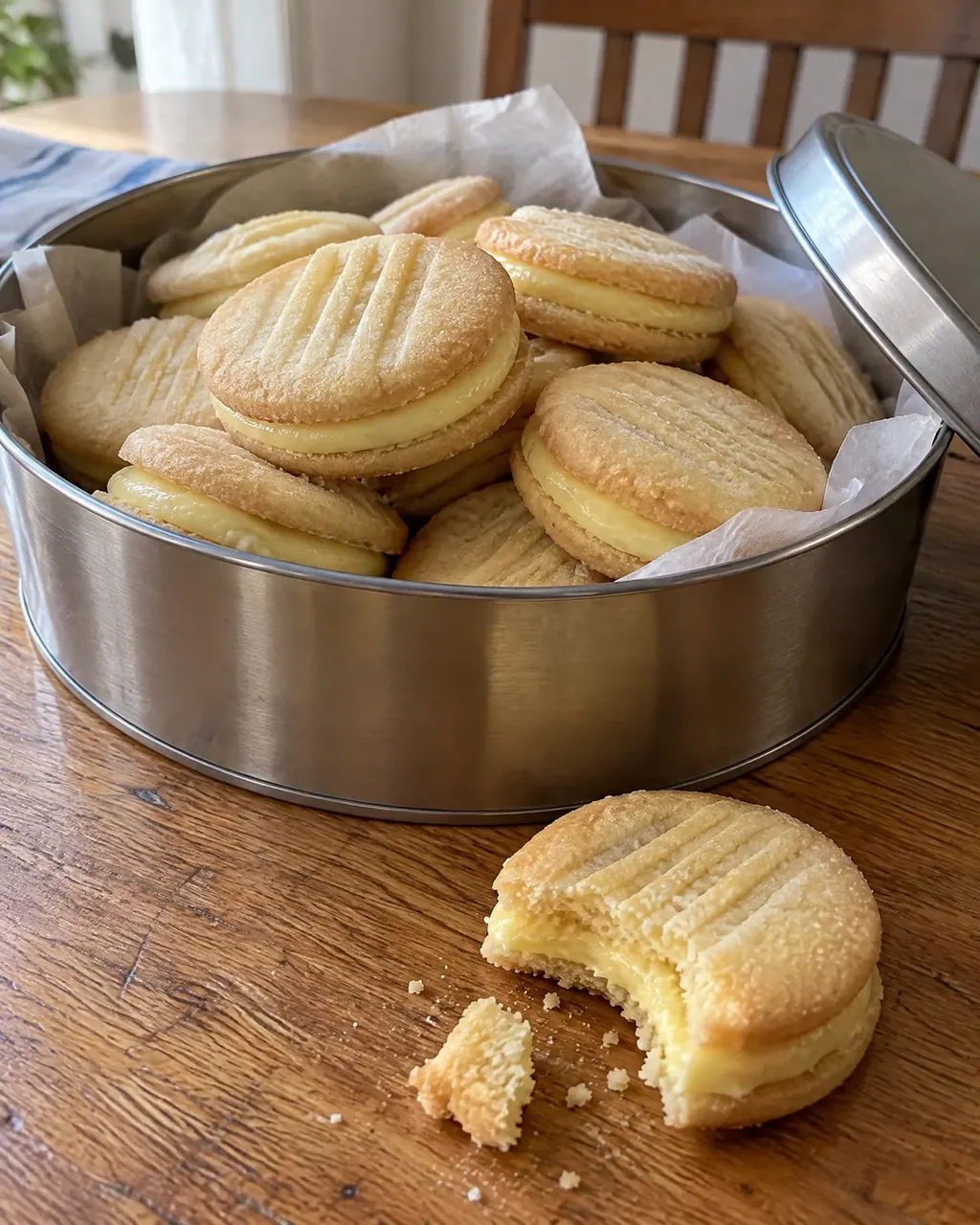
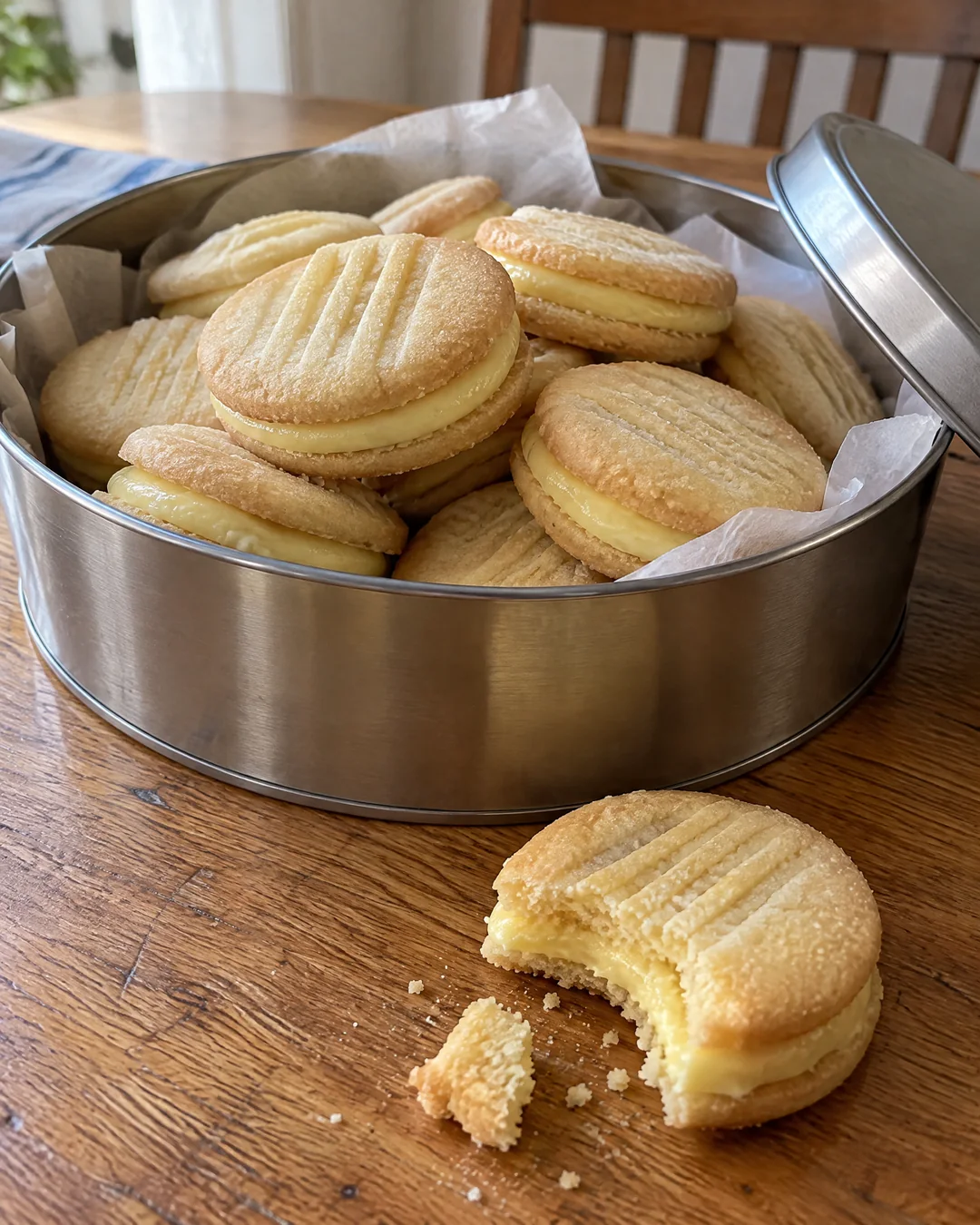
In Australia and New Zealand, every grandmother kept a tin of melting moments, and every cafe still has a glass dome of them by the till. They look like plain little sandwich cookies: two pale rounds marked with a fork, pressed together around a spoonful of lemon buttercream. Then you bite one, and it is gone before you have finished chewing. It does not crunch and it does not snap. It dissolves. The reason sounds wrong to an American baker: there is no egg in the dough at all, and a big part of the flour has been replaced with cornstarch.
Down under that scoop is usually custard powder, a yellow powder that is mostly cornstarch with vanilla and coloring, and it gives the cookies their pale gold color. Plain cornstarch and a little vanilla do exactly the same job in an American kitchen. The two things people get wrong are the amounts, because too little cornstarch gives an ordinary butter cookie, and the spreading, because a soft buttery dough with no egg will melt into flat puddles in the oven if you let it. Here are the flour to cornstarch amounts and how to keep the cookies tall, with their fork lines sharp.
Why this melting moments works
- Cornstarch for a quarter of the flour. Cornstarch has no gluten, so the cookie has almost nothing to hold it together and it falls apart on the tongue.
- No egg. Egg would bind the dough and make it firm. Without it, the crumb stays short and sandy.
- Powdered sugar, not granulated. It dissolves completely into the butter, so the texture is smooth with no crunch of sugar.
- A short chill. Cold dough goes into the oven holding its shape, so the cookies stay thick and the fork lines stay sharp.
- A low, pale bake. A moderate oven dries the cookies without browning them, which keeps them tender.
Ingredients
Makes 28 small cookies, enough for 14 sandwiches. The measurements are in US cups with grams in brackets.
For the cookies
- 1 cup unsalted butter (2 sticks, 225g), soft but still cool
- 1/2 cup powdered sugar (60g), sifted
- 1 teaspoon vanilla extract
- 1 1/2 cups all-purpose flour (190g)
- 1/2 cup cornstarch (60g), or the same amount of custard powder
- 1/4 teaspoon fine salt
For the lemon buttercream
- 4 tablespoons unsalted butter (60g), soft
- 1 cup powdered sugar (120g), sifted
- 1 teaspoon finely grated lemon zest
- 1 tablespoon fresh lemon juice
To finish
- A little powdered sugar for dusting, optional
The butter should be soft enough to press a finger into, but not shiny or greasy. Butter that is too warm is the first reason these cookies spread. If you use custard powder in place of the cornstarch, leave out the vanilla.
How to make melting moments
Make the dough
- Line two baking sheets with parchment. In a large bowl, beat the butter, powdered sugar and vanilla with a mixer for 3 minutes, until very pale and fluffy.
- Sift the flour, cornstarch and salt together over the butter. Mix on low speed, or stir with a wooden spoon, just until a soft, smooth dough forms and no dry flour remains.
Shape and chill
- Roll level tablespoons of dough into 28 balls, each about the size of a small walnut, and set them 2 inches apart on the baking sheets.
- Dip a fork in flour and press each ball down gently until it is about 1/2 inch thick and marked with the lines of the fork. Flour the fork again whenever it sticks.
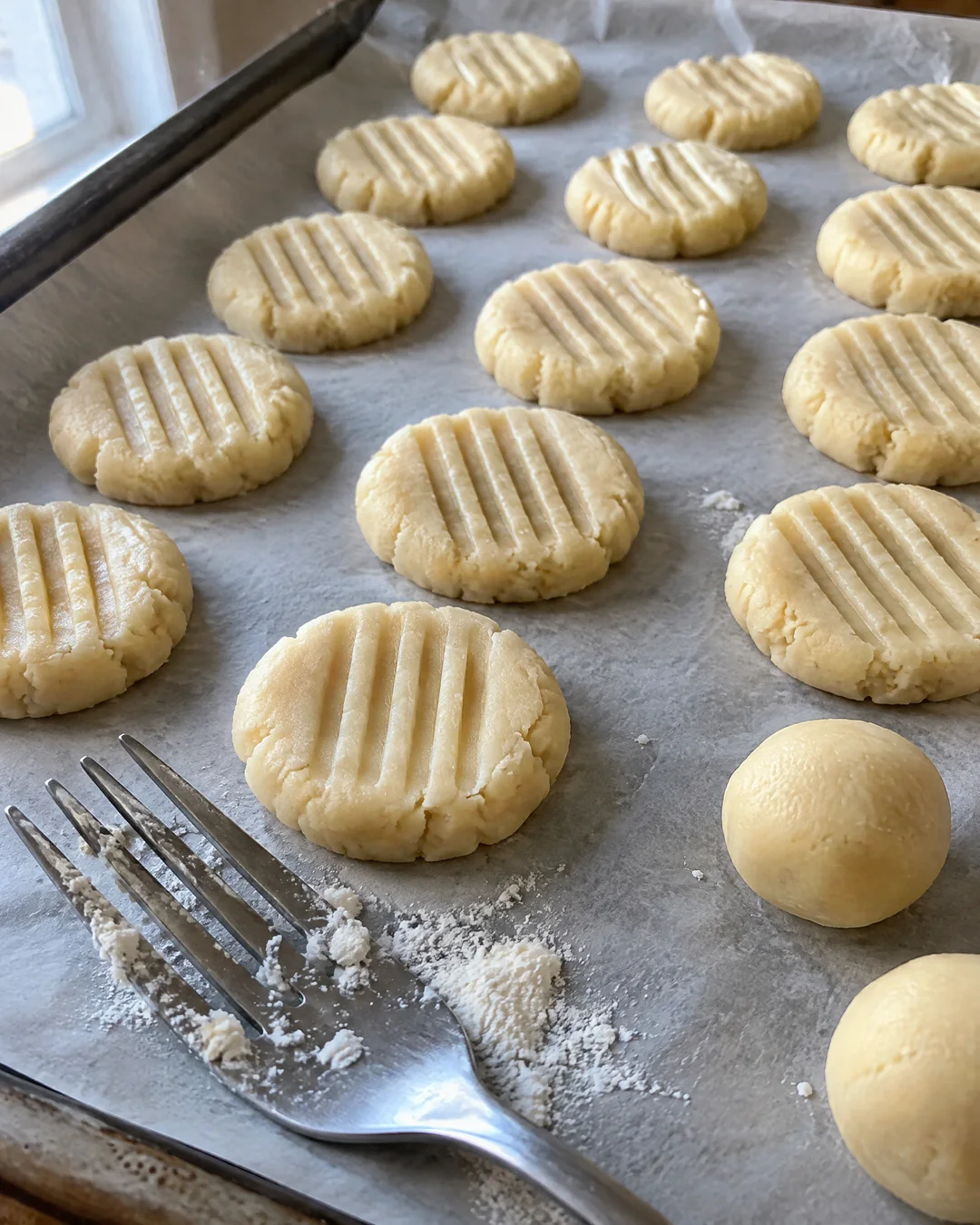
- Put the trays in the refrigerator for 20 minutes. Heat the oven to 325 degrees (160°C) while they chill.
Bake and fill
- Bake one tray at a time for 15 to 18 minutes, until the cookies are set and dry on top and barely golden at the bottom edge. They should stay pale; do not let them brown.
- Leave the cookies on the tray for 10 minutes, because they are very fragile while hot, then move them carefully to a rack to cool completely.
- For the buttercream, beat the soft butter until creamy, then beat in the powdered sugar, lemon zest and lemon juice until smooth and fluffy.
- Spread or pipe a heaped teaspoon of buttercream on the flat side of half the cookies and press a second cookie gently on top. Dust lightly with powdered sugar.
Tips that make the difference
- Measure the flour by spooning it into the cup and leveling it, or weigh it. Too much flour makes the cookies dry instead of melting.
- Do not skip the chill. Twenty minutes in the refrigerator is the difference between thick cookies and flat ones.
- Bake on a cool tray. If you reuse a hot baking sheet, the butter starts melting before the cookies reach the oven.
- Take them out pale. By the time a melting moment looks golden on top, it is overbaked and will crunch.
- Handle the baked cookies gently and fill them only when completely cold, or the buttercream will melt and slide.
Variations
- Passion fruit filling. Replace the lemon juice and zest with 1 tablespoon of strained passion fruit pulp, the favorite in Australia.
- Vanilla. Use 1 tablespoon of milk and 1/2 teaspoon of vanilla in the buttercream in place of the lemon.
- Orange. Use orange zest and orange juice in the filling and add a pinch of zest to the dough.
- Raspberry. Spread a little raspberry jam on one cookie and vanilla buttercream on the other before sandwiching.
Storage and make-ahead
Keep filled melting moments in an airtight tin at cool room temperature for up to 4 days, or in the refrigerator for a week. Let them sit out for 15 minutes before serving.
Unfilled cookies keep in a tin for up to 2 weeks, so you can fill them as you need them.
Freeze the unfilled cookies, layered with parchment, for up to 2 months. The shaped raw dough balls can be frozen too and baked from cold with 2 extra minutes.
Frequently asked questions
Why are there no eggs in melting moments?
Egg binds a dough and makes it firm. Leaving it out, and using cornstarch for part of the flour, gives a cookie with almost no structure, so it dissolves in the mouth.
Why did my cookies spread flat?
The butter was too soft, the dough was not chilled, or the tray was warm. Use cool soft butter, chill the shaped cookies for 20 minutes and bake on a cold baking sheet.
Is custard powder the same as cornstarch?
Nearly. Custard powder is cornstarch with vanilla flavor and yellow color. Cornstarch plus vanilla extract gives the same texture, only a little paler.
Can I make them without a mixer?
Yes. Beat the soft butter and powdered sugar with a wooden spoon until pale and creamy; it takes about 5 minutes by hand.
Fill a tin with them, put the lid on, and see how long they last.
Melting Moments (Australian Sandwich Cookies with Lemon Buttercream, No Egg, They Dissolve on the Tongue)
Classic Australian melting moments: pale, tender shortbread cookies made with butter, powdered sugar, flour and cornstarch and no egg, pressed with a fork, baked pale and sandwiched with lemon buttercream.
Ingredients
- 1 cup unsalted butter (2 sticks, 225g), soft but still cool
- 1/2 cup powdered sugar (60g), sifted
- 1 teaspoon vanilla extract
- 1 1/2 cups all-purpose flour
- 1/2 cup cornstarch (60g), or the same amount of custard powder
- 1/4 teaspoon fine salt
- 4 tablespoons unsalted butter (60g), soft
- 1 cup powdered sugar (120g), sifted
- 1 teaspoon finely grated lemon zest
- 1 tablespoon fresh lemon juice
- A little powdered sugar for dusting, optional
Instructions
- Line two baking sheets with parchment. In a large bowl, beat the butter, powdered sugar and vanilla with a mixer for 3 minutes, until very pale and fluffy.
- Sift the flour, cornstarch and salt together over the butter. Mix on low speed, or stir with a wooden spoon, just until a soft, smooth dough forms and no dry flour remains.
- Roll level tablespoons of dough into 28 balls, each about the size of a small walnut, and set them 2 inches apart on the baking sheets.
- Dip a fork in flour and press each ball down gently until it is about 1/2 inch thick and marked with the lines of the fork. Flour the fork again whenever it sticks.
- Put the trays in the refrigerator for 20 minutes. Heat the oven to 325 degrees (160°C) while they chill.
- Bake one tray at a time for 15 to 18 minutes, until the cookies are set and dry on top and barely golden at the bottom edge. They should stay pale; do not let them brown.
- Leave the cookies on the tray for 10 minutes, because they are very fragile while hot, then move them carefully to a rack to cool completely.
- For the buttercream, beat the soft butter until creamy, then beat in the powdered sugar, lemon zest and lemon juice until smooth and fluffy.
- Spread or pipe a heaped teaspoon of buttercream on the flat side of half the cookies and press a second cookie gently on top. Dust lightly with powdered sugar.