In this article
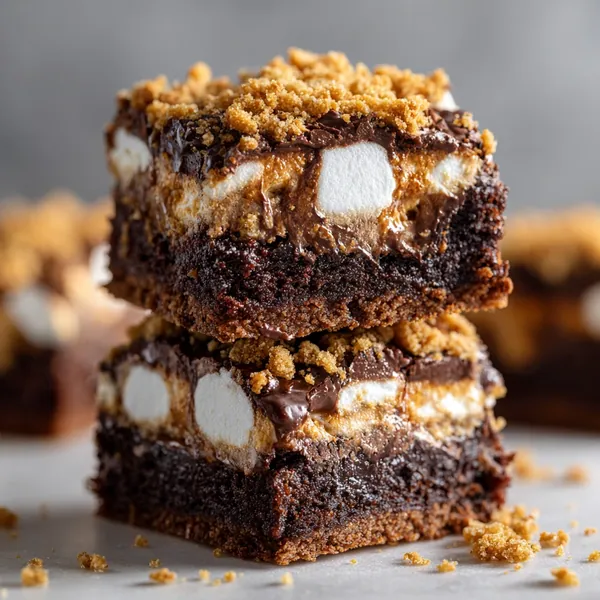
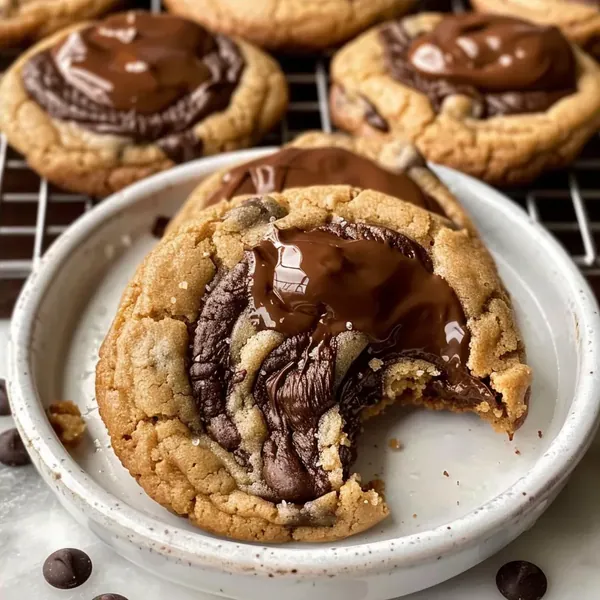
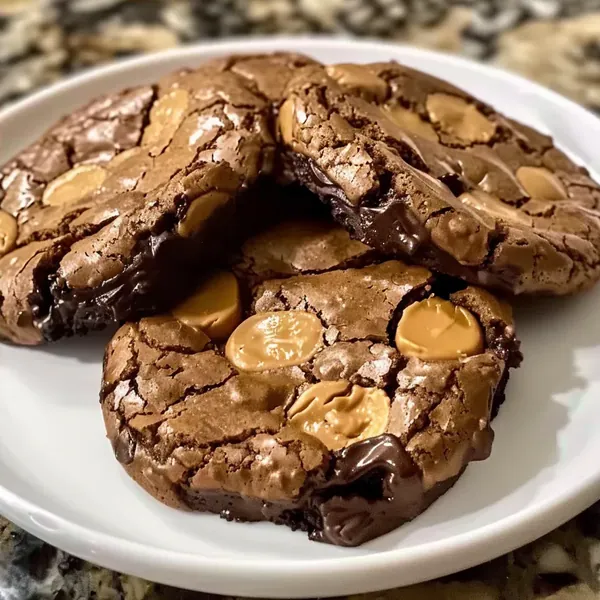
Peanut Butter S’mores Sandwich Cookies fuse the nostalgia of campfire treats with the convenience of homemade cookies. Imagine biting into a chewy peanut butter cookie that cradles a melting marshmallow and a square of rich chocolate—each component harmonizing to deliver sweet, salty, and toasty flavors in one handheld delight. Ideal for backyard gatherings, children’s parties, or an indulgent afternoon snack, these cookies reinvent the classic s’more by swapping graham crackers for peanut butter dough. In this article, you’ll discover the history behind s’mores and sandwich cookies, learn how to choose and prepare the best ingredients, follow step-by-step baking instructions, and explore creative variations. Whether you’re a seasoned baker or new to cookie making, our detailed guide will ensure perfect, crowd-pleasing results every time.
The Sweet Origins: From Campfires to Cookie Sheets
S’mores have been an American campfire staple since at least the early 1920s, when the first published recipe appeared in the 1927 Girl Scouts handbook. Traditionally assembled by sandwiching a toasted marshmallow and a piece of chocolate between two graham crackers, s’mores offer a nostalgic blend of gooey, melty, and crunchy textures. Meanwhile, sandwich cookies—two cookies enveloping a filling—trace their lineage to European biscuit traditions and evolved in the United States with the rise of commercial brands like Oreos in 1912.
The marriage of peanut butter cookies and s’mores components reflects modern bakers’ penchant for mash-ups. Peanut butter cookies themselves gained widespread popularity during the 1930s, following the commercialization of peanut butter as an affordable pantry staple. Combining peanut butter’s creamy, savory notes with chocolate and marshmallow not only elevates the flavor profile but also creates a sturdier vessel for gooey fillings. Today’s home bakers and patisserie chefs experiment with endless permutations—swapping nut butters, chocolates, and even marshmallow types—transforming a simple campfire dessert into a versatile cookie trend that can be enjoyed year-round.
Key Ingredients & Their Roles
Selecting high-quality ingredients is essential for rich flavor and ideal texture:
Peanut Butter:
-
Creamy vs. Crunchy: Creamy yields a uniform, tender crumb; crunchy adds bits of peanut for textural contrast.
-
Function: Provides fat for moisture, protein for structure, and a signature nutty flavor that balances sweetness.
Chocolate:
-
Type: Milk chocolate melts smoothly and tastes sweet; semi-sweet offers deeper cocoa notes and holds shape slightly better; dark chocolate contributes bitterness and complexity.
-
Form: Chocolate chips or chopped bars work; finely chopped pieces distribute more evenly and melt faster.
Marshmallow:
-
Mini Marshmallows: Easy to fold directly into dough or layer between cookies; may sink during baking if not careful.
-
Marshmallow Fluff: Spreads cleanly but does not toast; offers a smoother, stickier mouthfeel.
Cookie Base:
-
Flour: All-purpose creates classic texture; substituting a portion with whole-wheat flour adds nuttiness but may yield a denser crumb.
-
Sugar: Granulated sugar promotes spread and crisp edges; brown sugar retains moisture and contributes chewiness and caramel notes.
-
Leavening Agents: Baking soda reacts with peanut butter’s acidity to create lift; baking powder offers extra rise for a lighter cookie.
Optional Add-Ins:
-
Graham Cracker Crumbs: Enhance the s’mores theme and add slight crunch.
-
Sea Salt Flakes: A sprinkle on top intensifies sweet-savory contrast.
-
Chopped Nuts or Toffee Bits: Introduce additional texture and flavor layers.
Equipment & Prep Work
-
Mixing Bowls: One large bowl for creaming butter, peanut butter, and sugars; one medium bowl for combining dry ingredients.
-
Hand Mixer or Stand Mixer: Ensures thorough creaming and even distribution of ingredients.
-
Cookie Scoop or Tablespoon: For uniform dough portions, which bake evenly.
-
Baking Sheets & Parchment Paper: Parchment prevents sticking and promotes even browning.
-
Cooling Racks: Allow air circulation to prevent soggy bottoms.
-
Optional: Kitchen torch or oven broiler for toasting marshmallow tops.
Mise en Place: Measure all ingredients and line baking sheets with parchment before starting. If using marshmallow fluff, place it in a piping bag for easy application. Preheat the oven to the specified temperature and adjust racks to upper-middle position for optimal heat distribution.
Step-by-Step Recipe Instructions
1. Prepare the Dough
a. Cream Fats and Sugars: In a large bowl, beat ½ cup (115 g) unsalted butter (room temperature), ½ cup (125 g) peanut butter, ¾ cup (150 g) granulated sugar, and ¾ cup (165 g) packed brown sugar on medium speed until light and fluffy, about 2–3 minutes. Scrape down the bowl sides halfway through.
b. Add Eggs and Vanilla: Crack in 2 large eggs, one at a time, beating well after each addition. Stir in 1 teaspoon pure vanilla extract until combined.
c. Combine Dry Ingredients: In a separate bowl, whisk together 2¼ cups (280 g) all-purpose flour, 1 teaspoon baking soda, and ½ teaspoon salt. Gradually add dry mixture to wet ingredients on low speed, mixing just until incorporated. Avoid overmixing to prevent a tough cookie.
2. Shape and Bake Cookies
a. Portion Dough: Use a 1.5-tablespoon cookie scoop (or rounded tablespoon) to drop dough balls 2 inches apart on parchment-lined baking sheets.
b. Optional Pre-Toast Marshmallows: If using mini marshmallows, gently press 3–4 into the center of each dough ball. Alternatively, plan to add marshmallow later.
c. Bake: Bake at 350 °F (175 °C) for 10–12 minutes, or until edges are set and lightly golden. Centers may appear underbaked—that’s ideal for chewiness.
d. Cool: Let cookies rest on the baking sheet for 5 minutes before transferring to a wire rack.
3. Assemble the Sandwiches
a. Add Chocolate: While cookies are warm, press a ½-ounce square of chocolate or a few chocolate chips onto the flat side of half the cookies. The residual heat will start melting the chocolate.
b. Apply Marshmallow Layer: For a toasted effect, spread 1 tablespoon marshmallow fluff onto the chocolate, then use a kitchen torch or broiler (on low, top rack, 2–3 inches from heat) to toast until golden brown. If using mini marshmallows, broil for 1–2 minutes until puffed and lightly charred.
c. Finish Sandwich: Top each prepared cookie with a plain cookie, pressing gently to distribute filling without squeezing it out. Allow sandwiches to rest 5 minutes so fillings set.
4. Serving Tips
Serve cookies warm for gooey marshmallow and melty chocolate, or let them cool completely for easier handling. Store in an airtight container at room temperature for up to 3 days, separating layers with parchment paper. For best freshness, assemble just before serving if making cookies in advance.
Flavor & Texture Variations
Peanut Butter S’mores Sandwich Cookies offer an ideal canvas for inventive twists that elevate both taste and mouthfeel. Below are three main avenues to customize your cookies, each with its own flavor profile and textural nuances.
1. Nut-Butter Swaps
-
Almond Butter: Delivers a subtly sweet, slightly tropical flavor. Almond butter’s higher oil content yields a softer, more tender cookie; consider chilling the dough 15 minutes longer to prevent excessive spread.
-
Cashew Butter: Imparts a creamy, buttery richness with a mild sweetness. Cashew butter’s neutral profile allows the chocolate and marshmallow to shine; boost flavor by toasting cashews and folding in ¼ cup of finely chopped, toasted nuts.
-
Sunflower Seed Butter: A nut-free alternative with an earthy, savory note. Because sunflower seed butter can be thinner than peanut butter, reduce any added liquid by 1 tablespoon and add 1–2 tablespoons of graham cracker crumbs for structure.
2. Chocolate Twists
-
Peppermint Bark: Layer crushed peppermint bark instead of plain chocolate. The minty crunch complements the nutty dough and toasted marshmallow, making these cookies a festive holiday treat.
-
Peanut Butter Cups: Place a mini peanut butter cup center inside each sandwich for double peanut-butter intensity. Trim excess paper cups and lightly press into the warm cookie for partial melt; this creates pockets of molten filling.
-
White Chocolate & Citrus Zest: Combine white chocolate chips with 1 teaspoon of freshly grated orange or lemon zest. The tangy brightness cuts through sweetness, while the white chocolate’s creaminess contrasts the toastiness of marshmallow.
3. Seasonal Spins
-
Pumpkin Spice: Swap ½ teaspoon of cinnamon and ¼ teaspoon each of nutmeg, ginger, and allspice for an autumnal twist. Optionally, replace 2 tablespoons of flour with canned pumpkin puree—reduce egg by half to maintain dough consistency.
-
Gingerbread: Add 1 teaspoon ground ginger, ½ teaspoon ground cinnamon, ¼ teaspoon ground cloves, and ¼ teaspoon baking powder. Brown sugar should be packed more firmly to accentuate molasses notes.
-
Holiday Sprinkles: After assembling sandwiches, roll the exposed marshmallow edges in festive-colored sugar or nonpareils. Chill briefly so decorations adhere without smudging.
By experimenting with different nut butters, chocolate inclusions, and seasonal flavors, you can tailor your Peanut Butter S’mores Sandwich Cookies to any occasion or personal preference—while maintaining the satisfying interplay of chewy dough, gooey marshmallow, and melty chocolate.

Serving Suggestions & Plating
Serve these cookies warm or at room temperature, depending on your occasion and audience. For a cozy indoor gathering, plate cookies on rustic wooden boards alongside small bowls of extra mini marshmallows and chocolate chunks so guests can customize additional fillings. For an elegant dessert display, layer cookies in a tiered stand with sprigs of fresh mint or edible flowers to introduce color contrast. Accompany with chilled glasses of milk—plain or flavored (vanilla, strawberry, or even salted caramel)—to balance sweetness. Coffee lovers will appreciate pairing with espresso shots or lattes; the coffee’s bitterness highlights the peanut butter and chocolate richness. For outdoor parties or picnics, wrap individual sandwiches in parchment paper secured with twine or ribbon for grab-and-go convenience.
Storage, Make-Ahead & Freezing
Proper storage and advance preparation ensure your Peanut Butter S’mores Sandwich Cookies stay fresh, maintain ideal texture, and remain ready for spontaneous snacking or entertaining.
Storing Fully Assembled Cookies (Short-Term)
-
Place cooled sandwiches in a single layer in an airtight container. Separate layers with sheets of parchment or wax paper to prevent sticking.
-
Store at room temperature, away from direct sunlight or heat sources. Cookies will remain chewy and marshmallow creamy for up to 2–3 days. Beyond that, the marshmallow may weep and soften the cookie exterior.
Making Cookie Rounds Ahead
-
Prepare and bake cookie rounds up to 48 hours in advance. Cool completely and store in an airtight container at room temperature.
-
Just before serving or gifting, assemble sandwiches with fresh chocolate and marshmallow to ensure optimal texture. This method prevents sogginess and keeps fillings distinct.
Freezing Options
-
Unassembled Dough Balls: Portion dough into balls, flash-freeze on a baking sheet until firm (about 1 hour), then transfer to a freezer bag. Bake frozen dough at 350 °F (175 °C) for 12–14 minutes, adding 2–3 minutes to standard bake time.
-
Baked Cookies (Unfilled): Freeze baked cookie rounds in a single layer on a tray. Once solid, stack in freezer bags with parchment layers. Thaw at room temperature 30–45 minutes before filling.
-
Fully Assembled Sandwiches: Freeze assembled cookies in a single layer on a tray for 1 hour, then stack in airtight containers with parchment separators. To refresh, microwave one sandwich for 10–12 seconds or warm in a 300 °F oven for 3 minutes.
Label all storage containers with date and contents. Properly frozen dough or baked rounds can last up to 3 months; assembled sandwiches retain best quality for 1 month in the freezer.
Troubleshooting Common Issues
Even experienced bakers encounter hiccups when crafting loaded sandwich cookies. Below are solutions to the most frequent problems:
1. Cookies Spreading Too Much
-
Cause: Dough too warm or over-creamed; insufficient chilling.
-
Fix: Chill dough balls for at least 20 minutes before baking. Ensure your workspace is cool and avoid over-creaming fats and sugars. Use a more precise cookie scoop to maintain uniform size.
2. Flat or Crumbly Texture
-
Cause: Too little fat or too much flour; overbaking; wrong leavening ratio.
-
Fix: Double-check ingredient measurements (use a kitchen scale). Add an extra tablespoon of butter or peanut butter if dough seems dry. Bake until edges set but centers remain slightly underdone for chewiness.
3. Marshmallow Leakage or Runny Filling
-
Cause: Marshmallow melting beyond cookie edges; over-toasting under broiler.
-
Fix: Use marshmallow fluff instead of mini marshmallows for a firmer spread. If toasting, keep the oven rack at least 4 inches from heating element and watch closely—toast only until light golden. For mini marshmallows, toast before sandwiching, then press gently into warm chocolate.
4. Chocolate Not Melting Properly
-
Cause: Chocolate pieces too large or cookies not warm enough.
-
Fix: Finely chop chocolate into small chunks or use chips specifically designed for melting (baking or couverture chocolate). Immediately press onto cookies while they’re hot from the oven or apply gentle microwave heat (5–7 seconds).
5. Overly Sweet Outcome
-
Cause: Excessive sugar or sweet add-ins.
-
Fix: Switch half the granulated sugar to less-refined coconut sugar or reduce total sugar by 10–15%. Add a pinch of flaky sea salt atop each assembled cookie to balance sweetness.

Nutrition Snapshot
A standard Peanut Butter S’mores Sandwich Cookie (one sandwich) contains approximately:
-
Calories: 280–320 kcal
-
Total Fat: 14–16 g (Saturated Fat: 6–7 g; Unsaturated Fat: 8–9 g)
-
Carbohydrates: 34–38 g (Sugars: 20–22 g; Dietary Fiber: 1–2 g)
-
Protein: 5–6 g
-
Sodium: 180–220 mg
To lighten the profile, consider:
-
Whole-Wheat Flour Swap: Replace up to 50% of all-purpose flour with whole-wheat pastry flour to boost fiber.
-
Sugar Alternatives: Use coconut sugar or erythritol to reduce glycemic impact.
-
Mini Marshmallows vs. Fluff: Fluff contains corn syrup and higher sugar—opt for 3–4 mini marshmallows per sandwich to cut calories by ~5 kcal.
-
Dark Chocolate: Choose 70% cocoa to increase antioxidant content and reduce sugar by up to 25%.
FAQs
Q1: Can I use crunchy peanut butter instead of creamy?
Yes. Crunchy peanut butter adds a pleasing nut-in-crumb texture but may yield a slightly drier dough. To compensate, reduce flour by 1–2 tablespoons or add a teaspoon of milk during mixing.
Q2: How do I prevent marshmallows from sticking to my fingers?
Dust hands or utensils with graham cracker crumbs or cornstarch before handling. Alternatively, lightly oil fingertips with neutral-flavored oil.
Q3: What’s the best way to reheat these cookies without a microwave?
Preheat the oven to 300 °F (150 °C). Place sandwiches on a baking sheet and warm for 3–4 minutes until the chocolate softens and marshmallow becomes gooey.
Q4: Can I bake cookies ahead of time and assemble later?
Absolutely. Bake cookie rounds up to two days in advance. Store cooled rounds in an airtight container, then fill and toast marshmallow just before serving to preserve texture.
Q5: Are there vegan or gluten-free adaptations?
Yes. Substitute gluten-free flour blend 1:1 for all-purpose flour. Use dairy-free chocolate chips and vegan marshmallow fluff. Replace egg with 3 tablespoons aquafaba, whipped slightly before adding.
Conclusion & Call to Action
Peanut Butter S’mores Sandwich Cookies strike a delightful balance between nostalgia and innovation, merging the rich savor of peanut butter with gooey marshmallow and luscious chocolate. Whether you stick to the classic version or experiment with seasonal twists and dietary adaptations, these cookies promise crowd-pleasing appeal for any occasion. Now that you have the recipes, tips, and troubleshooting insights, it’s time to head into your kitchen: preheat your oven, gather your ingredients, and start baking. Don’t forget to share your creations—post photos and variations on social media with the hashtag #PBandSmoreCookies, and let us know which twist became your new favorite!
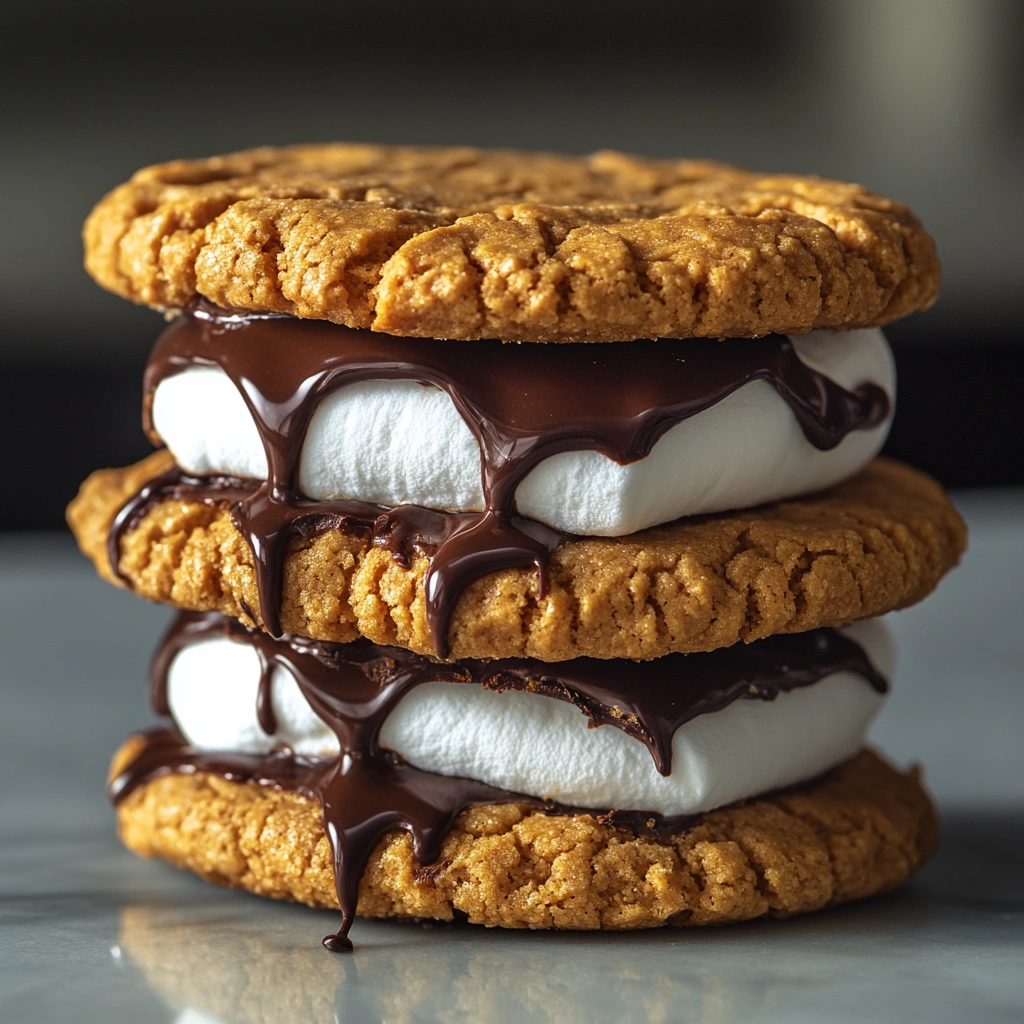
Peanut Butter S’mores Sandwich Cookies
Peanut Butter S’mores Sandwich Cookies are a playful twist on the classic campfire treat. Soft, chewy peanut butter cookies cradle a molten square of chocolate and a cloud-soft marshmallow center, delivering sweet, salty, and toasty flavors in every bite. Perfect for backyard gatherings, bake sales, or an indulgent snack at home, these cookies combine familiar pantry staples—peanut butter, chocolate, marshmallows, and a hint of sea salt—into an irresistible handheld dessert. Whether you’re a seasoned baker or trying something new, this recipe walks you through each step to achieve gooey, perfectly assembled sandwiches every time.
Ingredients
- 1 ½ cups 250 g creamy peanut butter
- ½ cup 113 g unsalted butter, softened
- ½ cup 100 g granulated sugar
- ½ cup 100 g light brown sugar, packed
- 1 large egg room temperature
- 1 teaspoon vanilla extract
- 1 ¼ cups 160 g all-purpose flour
- ¾ teaspoon baking powder
- ¼ teaspoon kosher salt
- 1 cup 96 g marshmallow fluff
- ¼ cup 64.5 g creamy peanut butter, warmed
- ½ cup 84 g milk chocolate chips
Instructions
- Preheat oven to 350°F (175°C). Line a baking sheet with parchment.
- Cream peanut butter, butter, and sugars until fluffy (2–3 min). Add egg and vanilla.
- In another bowl, whisk flour, baking powder, and salt.
- Gradually mix dry ingredients into the wet until a soft dough forms.
- Scoop 1-tbsp portions, space 2 inches apart. Flatten with fork crisscross.
- Bake 10–12 min until edges are golden. Cool 5 min, then move to rack.
- Melt chocolate in 20-sec intervals until smooth.
- On one cookie, add 1 tablespoon marshmallow fluff, 1 teaspoon peanut butter, then chocolate.
- Top with another cookie and press gently. Let set 10–15 min or chill 10 min.
- Serve and enjoy!