In this article
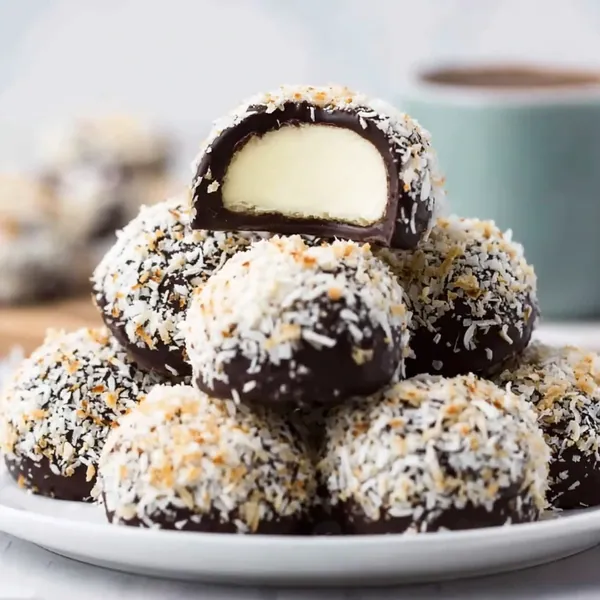
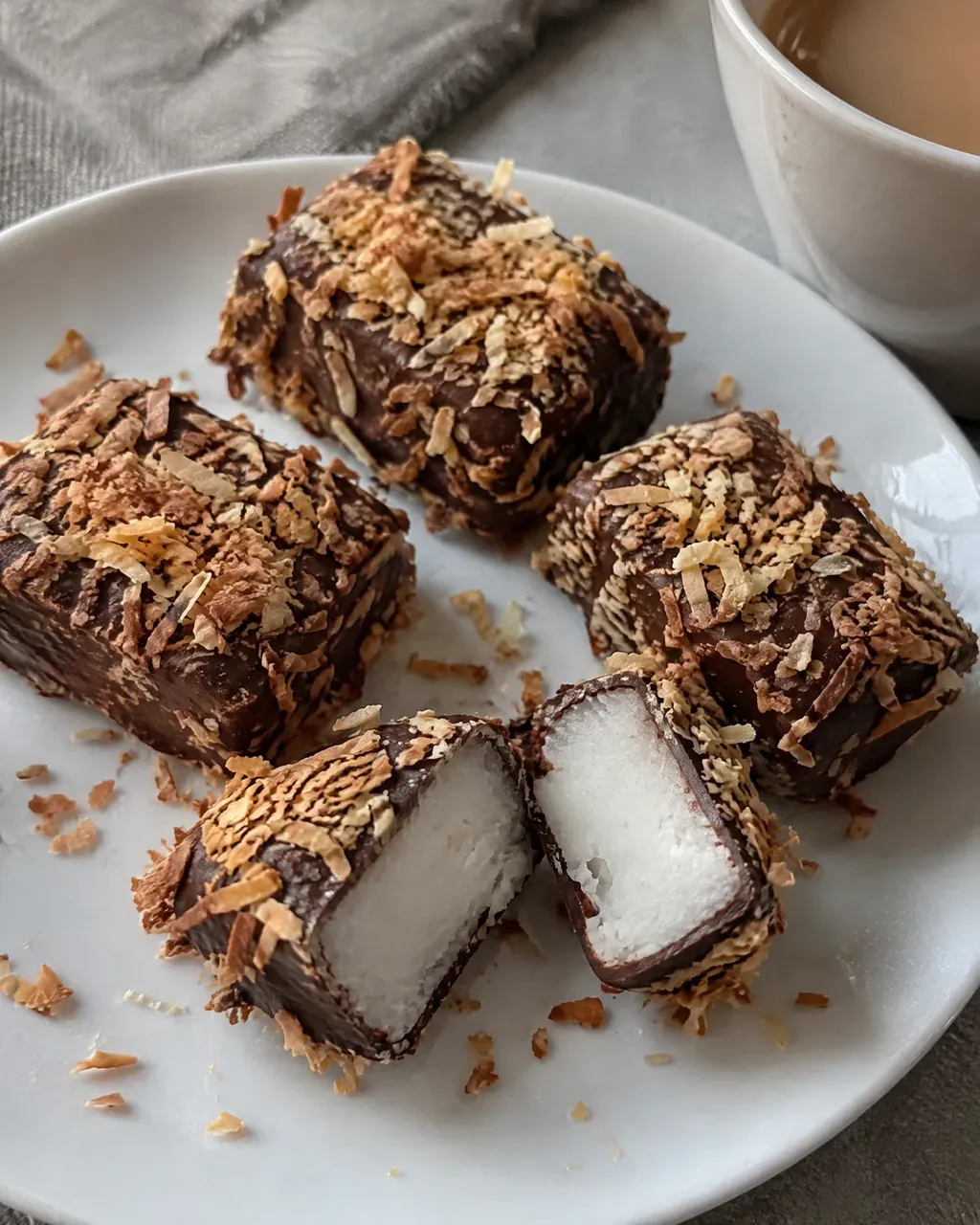
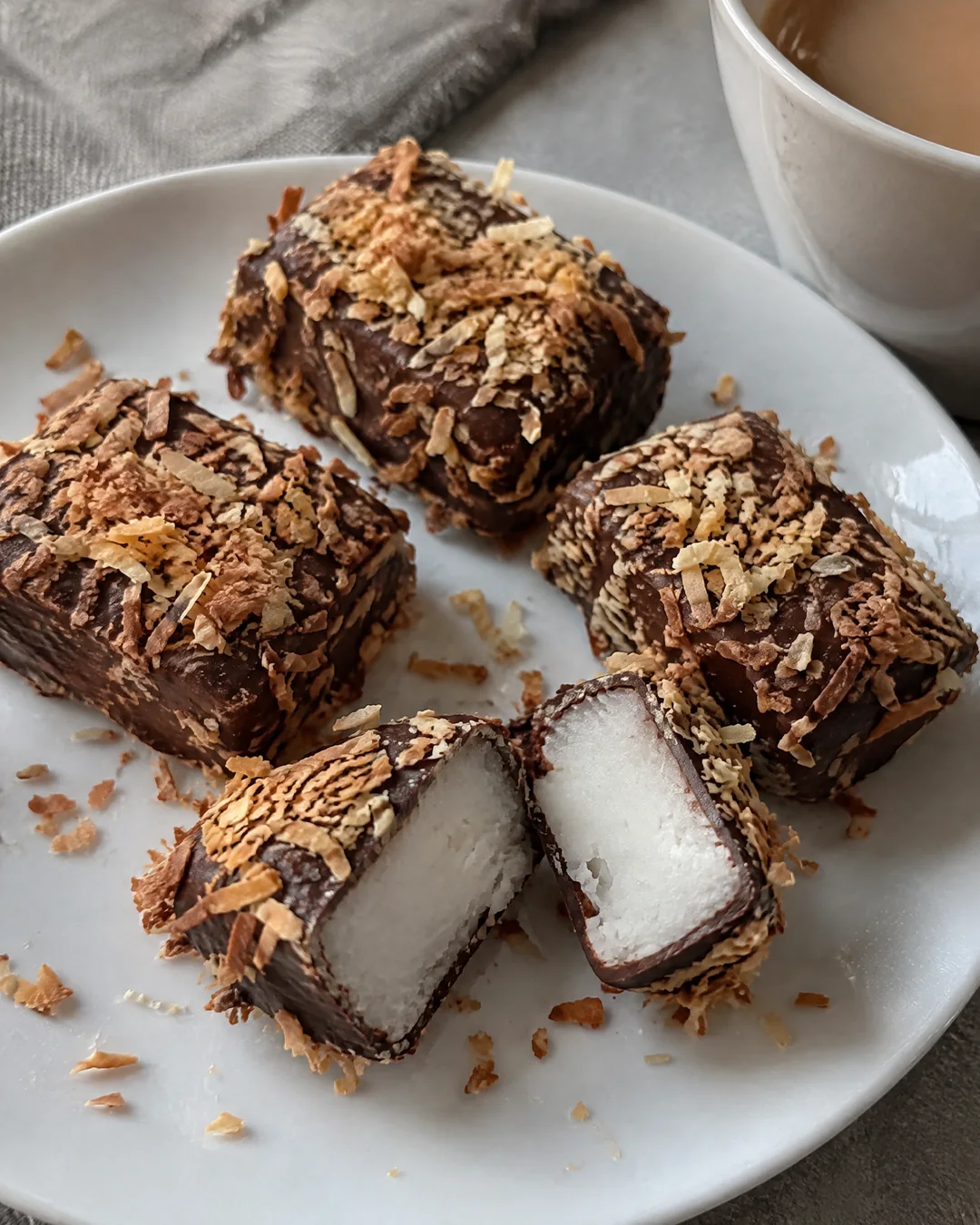
The first time somebody from Scotland told me there was potato in a macaroon bar, I was sure my leg was being pulled. A macaroon bar is candy. It has a snow white, sweet, melting middle, a thin coat of dark chocolate and a shaggy jacket of toasted coconut, and it has been sold in Scottish sweet shops for close to a hundred years. But it is true, and the grannies who made it at home by the trayful knew it long before the shops did: the white middle begins with one small boiled potato.
What happens in the bowl is strange to watch. You mash the cold potato and start adding powdered sugar, and instead of getting thicker, the potato turns to a runny liquid. You keep adding sugar and it thickens again, and at the end you have a smooth, firm fondant that can be pressed into a tin and cut. Nobody ever tastes the potato. It is only there to hold the sugar together without cooking a syrup. Here is how much sugar the potato really takes, and how to get the fondant firm enough to cut and dip.
Why this Scottish macaroon bars works
- Plain cold potato. The starch in the potato binds the sugar into a fondant with no boiling and no thermometer. It must be cold and have no butter, milk or salt in it.
- Far more sugar than seems right. A small potato takes four to five cups. The mixture turns liquid first, and only firms up once enough sugar has gone in.
- A stiff fondant. It should feel like firm modelling clay. Too soft and the bars sag in the warm chocolate.
- The freezer before dipping. Very cold bars set the chocolate on contact, so the coat is thin and neat.
- Toasted coconut. Toasting turns it golden and nutty and takes the edge off all that sweetness.
Ingredients
Makes about 24 bars, each roughly 3 inches by 1 inch (8cm by 2.5cm). The measurements are in US cups with grams in brackets.
For the fondant
- 1 medium floury potato such as a russet, about 5 ounces (140g), to give 1/2 cup cold plain mashed potato (115g)
- 4 to 5 cups powdered sugar (480 to 600g), sifted, plus extra for the counter
- 1/2 teaspoon vanilla extract
For the coating
- 2 cups unsweetened shredded or desiccated coconut (170g)
- 10 ounces dark or semi-sweet chocolate (280g), chopped
- 1 teaspoon plain oil such as sunflower or vegetable oil
Use a floury baking potato, not a waxy one, and mash it until there is not a single lump: a potato ricer or a sieve is best. The amount of sugar depends on how wet the potato is, so add it by feel and stop when the fondant is firm. Powdered sugar is what Britain calls icing sugar. Fine unsweetened coconut, sold as desiccated coconut, clings better than long sweetened shreds.
How to make Scottish macaroon bars
Cook the potato
- Peel the potato, cut it in chunks and boil it in plain unsalted water for 15 minutes, until very soft. Drain it well and let it steam dry in the colander for 5 minutes.
- Mash the potato until completely smooth, or push it through a ricer or sieve. Measure out 1/2 cup (115g) into a large bowl and let it go completely cold. Do not add anything to it.
Make the fondant
- Add 1 cup of the powdered sugar and the vanilla to the cold potato and stir with a wooden spoon. The mixture will turn wet and runny. This is what it is supposed to do.
- Keep adding the sugar, 1 cup at a time, stirring well after each. After about 3 cups it will thicken to a paste, and after 4 it will become a stiff dough that is hard to stir.
- Turn it onto a counter dusted with powdered sugar and knead in more sugar, a little at a time, until the fondant is smooth, firm and no longer sticky. It should hold a clean fingerprint.
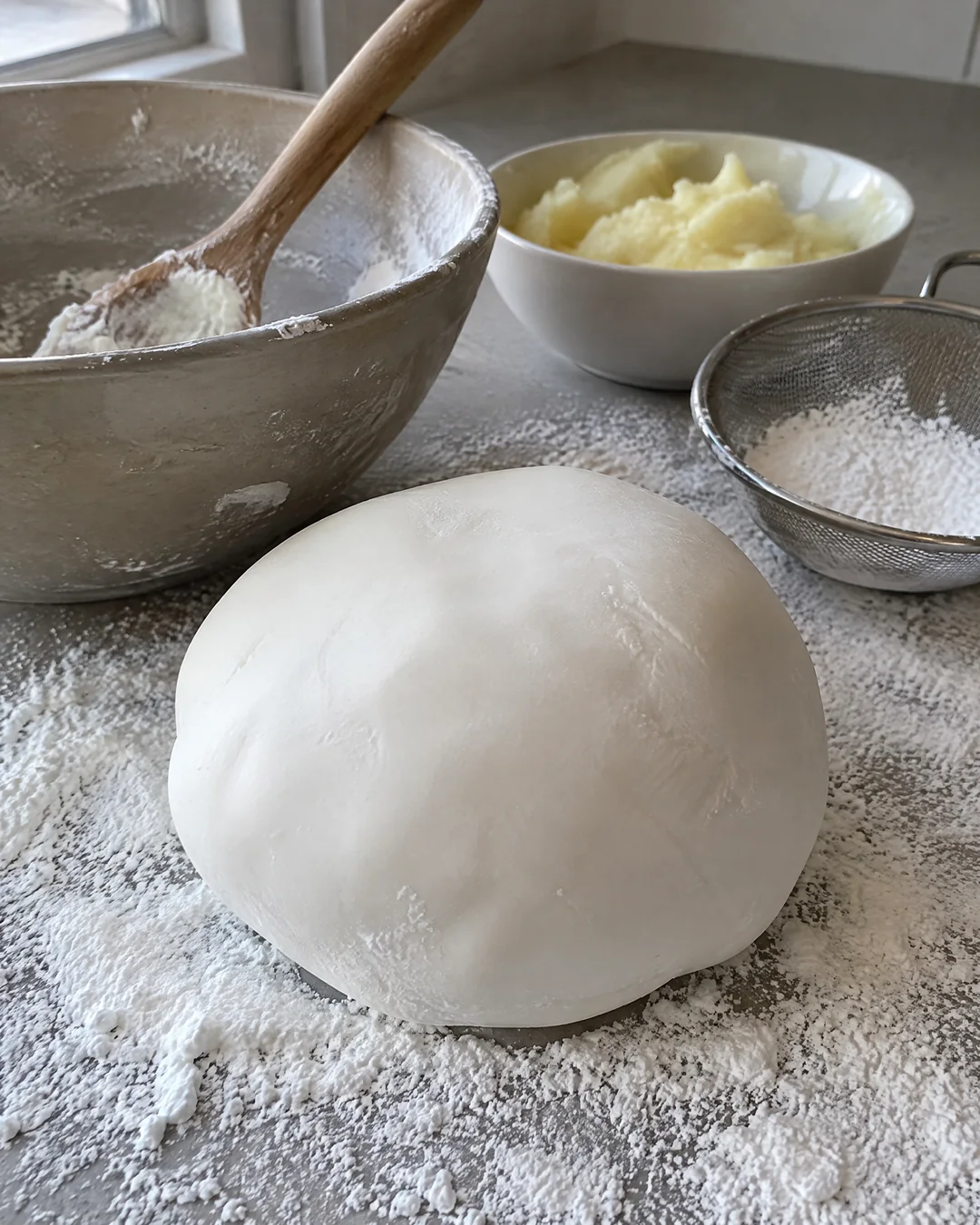
- Line an 8 inch (20cm) square pan with parchment. Press the fondant in evenly, about 1/2 inch (1.5cm) thick, and smooth the top. Put it in the freezer for 1 hour, until hard.
Toast, cut and dip
- While the fondant chills, toast the coconut in a dry skillet over medium-low heat, stirring all the time, for 4 to 5 minutes, until evenly golden. Tip it onto a large plate to cool.
- Lift the fondant out by the parchment and cut it with a sharp knife into bars about 3 inches by 1 inch. Lay them on a tray and return them to the freezer for 20 minutes.
- Melt the chocolate with the oil in a heatproof bowl set over a pan of barely simmering water, stirring until smooth. Take it off the heat.
- Working with a few bars at a time, lower a bar into the chocolate on a fork, turn it to coat, lift it out and tap the fork on the edge of the bowl so the extra runs off. Drop it into the coconut, roll it over with a second fork and set it on a parchment-lined tray.
- Leave the bars in a cool place or in the refrigerator for 30 minutes, until the chocolate is set.
Tips that make the difference
- Do not panic when the potato turns to liquid. Every batch does it. Keep adding sugar and it comes back.
- The potato must be stone cold. Warm potato melts the sugar into a syrup that takes twice as much sugar to firm up.
- Sift the powdered sugar. Lumps of sugar stay as hard white beads in the finished fondant.
- Keep most of the bars in the freezer while you dip. A bar that warms up goes soft and breaks on the fork.
- Use one fork for the chocolate and another for the coconut, or the coconut bowl fills with chocolate and clumps.
Variations
- Milk chocolate. Many Scottish families use milk chocolate, which makes a sweeter, softer bar closer to the ones in the shops.
- Coconut in the chocolate. Stir half the toasted coconut into the melted chocolate and simply dip the bars. It is quicker and less messy.
- Macaroon snowballs. Roll the fondant into walnut-sized balls in place of bars, freeze, dip and coat the same way.
- Peppermint creams. Flavor the same fondant with a few drops of peppermint extract in place of the vanilla, cut it in small rounds and half dip them in dark chocolate, with no coconut.
Storage and make-ahead
Keep the bars in an airtight tin, between sheets of parchment, in a cool place for up to 1 week. In a warm kitchen, keep the tin in the refrigerator.
The fondant softens a little after a day or two as the sugar draws moisture, and many people like them best then.
They freeze well for up to 2 months in a sealed container. Thaw them in the refrigerator so the chocolate does not sweat.
Frequently asked questions
Can you taste the potato in macaroon bars?
No. There is only a little of it against four or five cups of sugar, and plain boiled potato has almost no taste of its own. It gives the fondant its body and its soft, melting texture, nothing more.
Why is my fondant too soft to cut?
It needs more sugar, or it has not been chilled long enough. Knead in more sifted powdered sugar until it is firm and no longer sticky, then freeze it for a full hour before cutting.
Can I use leftover mashed potatoes?
Only if they are completely plain. Mashed potatoes made for supper have butter, milk and salt in them, and all three spoil the fondant. It is safer to boil one small potato just for this.
Is this the same as a coconut macaroon?
No. A coconut macaroon is a baked cookie made with egg whites, and a French macaron is an almond sandwich cookie. The Scottish macaroon bar is an unbaked candy with a fondant center, and the coconut is only on the outside.
Make them on an afternoon when somebody needs convincing, hand over a bar, and wait until it is finished before you say the word potato.
Scottish Macaroon Bars (Made with Mashed Potato, Chocolate and Toasted Coconut)
Traditional Scottish macaroon bars: a spoonful of cold plain mashed potato worked with powdered sugar into a smooth white fondant, cut into bars, dipped in dark chocolate and rolled in toasted coconut.
Ingredients
- 1 medium floury potato such as a russet, about 5 ounces
- 4 to 5 cups powdered sugar (480 to 600g), sifted, plus extra for the counter
- 1/2 teaspoon vanilla extract
- 2 cups unsweetened shredded or desiccated coconut
- 10 ounces dark or semi-sweet chocolate (280g), chopped
- 1 teaspoon plain oil such as sunflower or vegetable oil
Instructions
- Peel the potato, cut it in chunks and boil it in plain unsalted water for 15 minutes, until very soft. Drain it well and let it steam dry in the colander for 5 minutes.
- Mash the potato until completely smooth, or push it through a ricer or sieve. Measure out 1/2 cup (115g) into a large bowl and let it go completely cold. Do not add anything to it.
- Add 1 cup of the powdered sugar and the vanilla to the cold potato and stir with a wooden spoon. The mixture will turn wet and runny. This is what it is supposed to do.
- Keep adding the sugar, 1 cup at a time, stirring well after each. After about 3 cups it will thicken to a paste, and after 4 it will become a stiff dough that is hard to stir.
- Turn it onto a counter dusted with powdered sugar and knead in more sugar, a little at a time, until the fondant is smooth, firm and no longer sticky. It should hold a clean fingerprint.
- Line an 8 inch (20cm) square pan with parchment. Press the fondant in evenly, about 1/2 inch (1.5cm) thick, and smooth the top. Put it in the freezer for 1 hour, until hard.
- While the fondant chills, toast the coconut in a dry skillet over medium-low heat, stirring all the time, for 4 to 5 minutes, until evenly golden. Tip it onto a large plate to cool.
- Lift the fondant out by the parchment and cut it with a sharp knife into bars about 3 inches by 1 inch. Lay them on a tray and return them to the freezer for 20 minutes.
- Melt the chocolate with the oil in a heatproof bowl set over a pan of barely simmering water, stirring until smooth. Take it off the heat.
- Working with a few bars at a time, lower a bar into the chocolate on a fork, turn it to coat, lift it out and tap the fork on the edge of the bowl so the extra runs off. Drop it into the coconut, roll it over with a second fork and set it on a parchment-lined tray.
- Leave the bars in a cool place or in the refrigerator for 30 minutes, until the chocolate is set.