Coconut bars are a delicious and versatile dessert that combines the rich, tropical flavor of coconut with a chewy or crunchy texture. These bars typically feature a base layer made from graham crackers, shortbread, or oats, topped with a sweet coconut mixture. Depending on the recipe, they may be baked or made as a no-bake treat, and often include chocolate, nuts, or fruit for extra indulgence.
Popular around the world, coconut bars have become a staple in home baking due to their simplicity and adaptability. They are perfect for holiday platters, lunchbox treats, potlucks, or a quick dessert to satisfy a sweet tooth. Whether served plain or with drizzled chocolate, they offer a satisfying balance of sweetness and texture.
Coconut bars are particularly beloved for their ease of preparation and the minimal ingredients required, making them a go-to dessert for beginner and experienced bakers alike.
History and Origins of Coconut-Based Desserts
Coconut has been a core ingredient in desserts for centuries, especially in tropical regions where coconut palms are abundant. Countries in Southeast Asia, the Caribbean, and the Pacific Islands have long used coconut meat, milk, and oil in a variety of sweets and baked goods. Traditional coconut desserts such as macaroons, coconut rice pudding, and coconut milk-based custards have deep cultural roots and continue to be popular today.
The modern concept of coconut bars likely evolved from layered cookie bars and confections that became popular in the mid-20th century in the United States and Europe. As canned sweetened condensed milk and shredded coconut became more widely available, bakers began experimenting with simple bar desserts that could be easily made at home.
Over time, coconut bars have adapted to different dietary preferences and baking styles, including no-bake versions, gluten-free alternatives, and low-sugar options, reflecting the ingredient’s global appeal and culinary versatility.
Key Ingredients Used in Coconut Bars
Coconut bars rely on a handful of simple ingredients that can be customized based on taste and dietary needs. The star of the recipe is coconut, which is typically used in its shredded, desiccated, or flaked form. Sweetened shredded coconut is the most common, adding both texture and sweetness, though unsweetened versions are often used for healthier variations.
Sweetened condensed milk is another key ingredient in many classic coconut bar recipes. It acts as both a sweetener and binder, helping hold the bars together while adding a rich, creamy texture. Some no-bake versions may substitute it with coconut milk and a natural sweetener like honey or maple syrup.
The base of coconut bars usually consists of graham cracker crumbs, shortbread, or oats. This layer provides structure and a contrasting crunch to the chewy coconut topping. Butter is often used to bind the crust.
Additional ingredients can include chocolate chips, chopped nuts, dried fruit, or a drizzle of chocolate on top. These elements add variety in flavor and texture, making coconut bars a customizable dessert suitable for a range of tastes and occasions.

Classic Coconut Bars Recipe
Ingredients:
-
1 ½ cups graham cracker crumbs
-
½ cup melted butter
-
2 cups sweetened shredded coconut
-
1 can (14 oz) sweetened condensed milk
-
½ cup semi-sweet chocolate chips (optional)
-
½ cup chopped nuts (optional)
Instructions:
-
Preheat the oven to 350°F (175°C). Line a 9×9 inch baking dish with parchment paper or lightly grease it.
-
Prepare the crust: In a mixing bowl, combine the graham cracker crumbs and melted butter. Mix until evenly combined, then press the mixture firmly into the bottom of the prepared baking dish to form an even layer.
-
Create the coconut filling: In a separate bowl, mix together the shredded coconut and sweetened condensed milk. Stir until fully combined. If desired, fold in chocolate chips or chopped nuts.
-
Assemble the bars: Spread the coconut mixture evenly over the graham cracker crust. Use a spatula to smooth the top.
-
Bake in the preheated oven for 20–25 minutes, or until the edges turn golden brown and the center is set.
-
Cool completely in the pan before cutting into bars. For cleaner cuts, chill in the refrigerator for 30 minutes after cooling.
Tips:
-
Use parchment paper to make it easier to lift the bars out of the pan.
-
For a richer flavor, toast the coconut lightly before mixing it into the filling.
-
Store leftovers in an airtight container at room temperature for up to 3 days, or refrigerate for up to a week.
No-Bake Coconut Bars Recipe
Ingredients:
-
2 cups unsweetened shredded coconut
-
½ cup coconut oil or butter, melted
-
¼ cup honey or maple syrup
-
1 teaspoon vanilla extract
-
¼ teaspoon salt
-
Optional: ½ cup melted dark chocolate for topping
Instructions:
-
Prepare a baking dish: Line an 8×8 inch pan with parchment paper for easy removal.
-
Mix ingredients: In a large bowl, combine shredded coconut, melted coconut oil (or butter), honey or maple syrup, vanilla extract, and salt. Stir well until the mixture is thoroughly combined and sticky.
-
Form the bars: Press the mixture firmly into the prepared pan, smoothing the surface with a spatula or the back of a spoon.
-
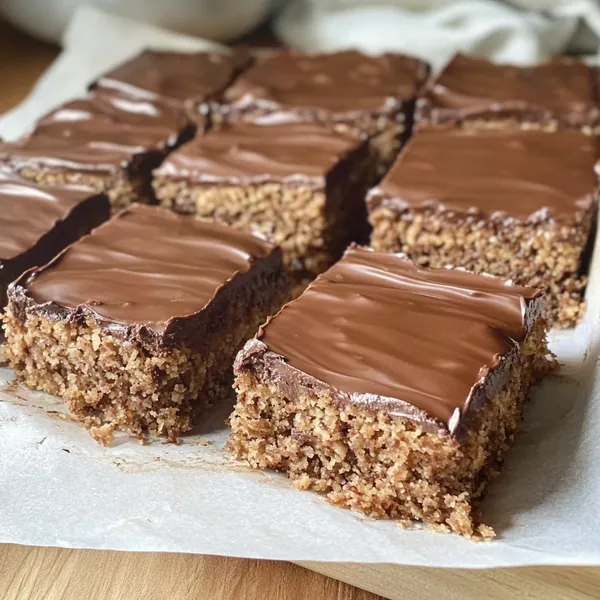
Optional chocolate topping: Pour melted chocolate over the top and spread evenly with a spatula. This adds a rich layer and helps the bars stay firm.
-
Chill: Refrigerate for at least 1 hour, or until fully set. Once firm, lift the bars out of the pan using the parchment paper and cut into squares.
Tips:
-
Keep the bars refrigerated, especially in warmer climates, as the coconut oil may soften.
-
Add chia seeds or crushed nuts for extra texture and nutrition.
-
These bars can be frozen for up to 3 months in an airtight container.
Popular Variations of Coconut Bars
Coconut bars are highly adaptable and can be customized to suit a wide range of tastes, dietary needs, and occasions. Here are some of the most popular variations:
1. Chocolate Coconut Bars
This classic twist involves layering or topping coconut bars with melted chocolate. You can mix chocolate chips into the coconut filling or create a rich ganache topping. Dark, milk, or white chocolate all work well depending on your preference.
2. Lemon Coconut Bars
For a bright, citrusy flavor, add lemon zest and a splash of lemon juice to the coconut mixture. Some recipes include a lemon glaze drizzled on top for added zing.
3. Almond Joy-Inspired Bars
Inspired by the popular candy, these bars typically include almonds and a layer of melted chocolate over a sweet coconut base. They’re a great option for fans of nutty desserts.
4. Keto Coconut Bars
Low-carb versions replace sweetened condensed milk with alternatives like coconut cream and use sugar-free sweeteners. Almond flour or coconut flour is often used in the crust to keep them grain-free.
5. Vegan Coconut Bars
These bars substitute dairy ingredients with plant-based alternatives such as coconut oil and maple syrup. Vegan chocolate and unsweetened coconut are key ingredients in these variations.
6. Cranberry or Cherry Coconut Bars
Adding dried fruit like cranberries or cherries introduces a tart contrast to the sweet coconut. These are particularly popular during the holiday season.
7. Salted Caramel Coconut Bars
A drizzle of salted caramel over the top adds a gourmet touch, balancing sweet and salty flavors.
These variations allow home bakers to experiment and find a flavor combination that fits their preferences, while still enjoying the core texture and richness of traditional coconut bars.
Storage Tips and Shelf Life
Proper storage ensures your coconut bars remain fresh and delicious for days. After baking or setting, allow the bars to cool completely before storing. Place them in an airtight container, layering with parchment paper if stacking.
At room temperature, coconut bars typically last up to 3 days. However, for longer freshness, it’s best to refrigerate them. In the fridge, they’ll stay good for up to one week without drying out or becoming soggy.
Coconut bars also freeze well. Wrap individual bars or the entire batch tightly in plastic wrap, then place in a freezer-safe container or zip-top bag. They can be frozen for up to 3 months. Thaw in the refrigerator overnight or at room temperature for about 30 minutes before serving.
No-bake coconut bars are especially sensitive to heat and should be stored in the refrigerator or freezer to maintain firmness. Avoid leaving them out for extended periods in warm climates.
Serving Suggestions and Pairings
Coconut bars can be served as a simple dessert, snack, or holiday treat. For an elegant presentation, cut them into uniform squares and arrange them on a platter. Garnish with a light dusting of powdered sugar, a drizzle of chocolate, or a sprinkle of toasted coconut.
They pair well with hot beverages like coffee, tea, or hot chocolate, making them a cozy addition to afternoon tea or brunch. During the holidays, combine coconut bars with other classic treats like brownies, lemon bars, or cookies for a festive dessert tray. Their rich texture makes them satisfying enough to serve as a standalone dessert.

Common Mistakes and Troubleshooting
Coconut bars are generally easy to make, but a few common mistakes can affect the outcome.
Too dry or crumbly: This usually happens when there’s not enough moisture. Ensure you use the correct amount of condensed milk or substitute, and avoid overbaking.
Bars not setting: If your bars are too soft or don’t hold their shape, refrigerate them longer. No-bake bars especially need adequate chilling time, and the coconut-to-liquid ratio must be balanced.
Crust separating from topping: Make sure the crust is tightly packed and baked briefly before adding the coconut layer. This helps it adhere better.
Overly sweet flavor: If the bars are too sweet, consider using unsweetened coconut or reducing the amount of condensed milk or sweetener in your recipe.
Uneven cutting: Chill the bars before cutting, and use a sharp knife wiped clean between slices for neat, professional-looking pieces.
Addressing these issues can dramatically improve the taste and presentation of your coconut bars.
Health Considerations
While coconut bars are undeniably indulgent, they can be made healthier with a few modifications. Traditional recipes are high in sugar and saturated fat due to condensed milk, coconut, and butter. To reduce sugar content, opt for unsweetened coconut and use natural sweeteners like maple syrup or stevia.
For a lower-fat version, consider replacing butter with coconut oil or nut butters. Using whole grain crusts, chia seeds, or oats can increase fiber content. Vegan and gluten-free versions are also easy to create, making coconut bars a flexible option for various diets when made mindfully.
FAQ Section – Based on “People Also Ask”
Q1: Are coconut bars healthy?
Coconut bars can be high in sugar and saturated fat, especially traditional recipes using condensed milk and sweetened coconut. However, healthier versions can be made using unsweetened coconut, natural sweeteners, and whole food ingredients. When enjoyed in moderation, they can be part of a balanced diet.
Q2: Can you make coconut bars without condensed milk?
Yes, you can substitute condensed milk with coconut cream, nut butters, or a mixture of honey and plant-based milk for a dairy-free or lower-sugar alternative. No-bake coconut bars especially work well without condensed milk.
Q3: What type of coconut is best for coconut bars?
Sweetened shredded coconut is most commonly used for its flavor and moisture. For healthier options, use unsweetened shredded or desiccated coconut. Flaked coconut can also add texture but may not bind as well unless combined with a sticky ingredient.
Q4: How do you keep coconut bars from falling apart?
Ensure proper ratios of wet to dry ingredients, chill the bars thoroughly before cutting, and press the mixture firmly into the pan. Using a binder like condensed milk or melted coconut oil helps the bars hold their shape.
Q5: Can you freeze homemade coconut bars?
Yes, coconut bars freeze well. Wrap them individually or in layers, and store in an airtight container for up to 3 months. Thaw in the refrigerator or at room temperature before serving.
Coconut Bars
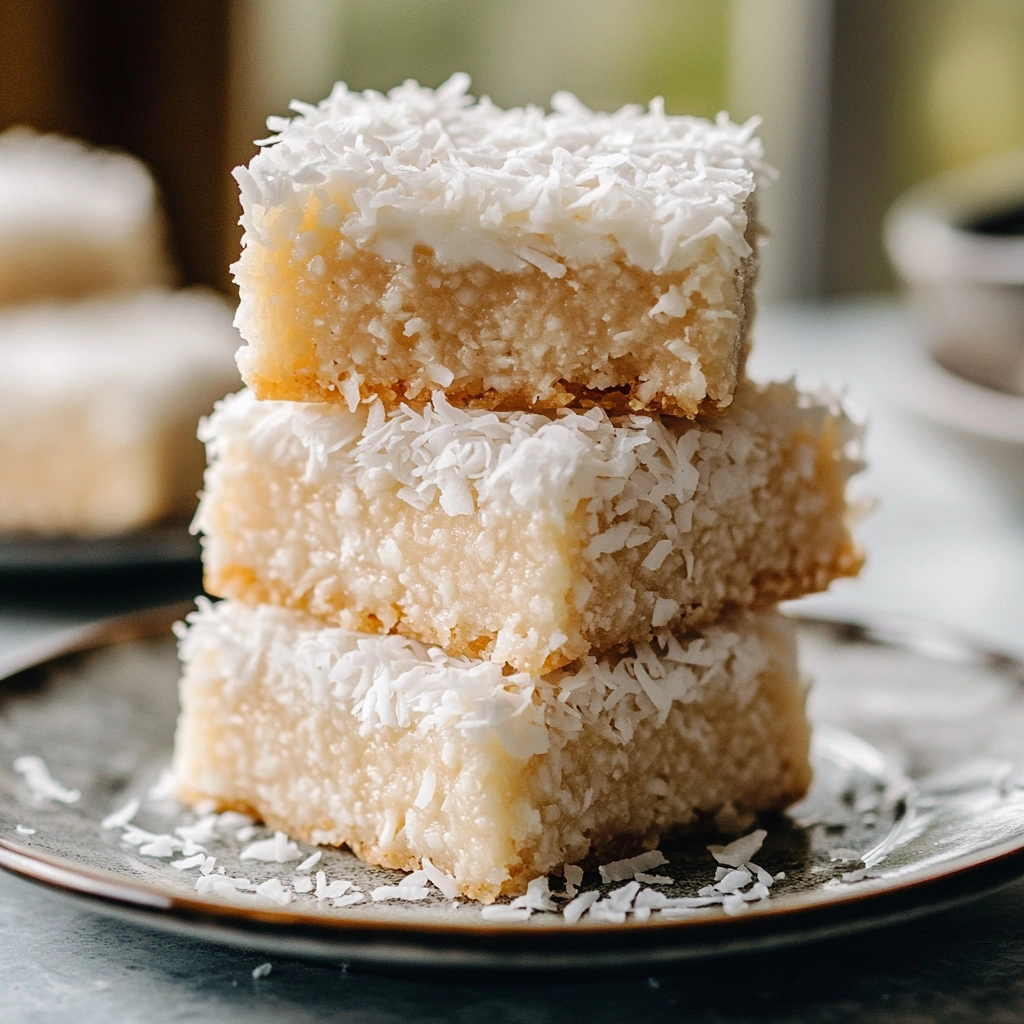
These classic coconut bars are rich, chewy, and incredibly easy to make. With a buttery graham cracker crust and a sweet coconut filling held together by creamy condensed milk, they’re the perfect dessert for holidays, potlucks, or a quick weeknight treat. Customizable with chocolate chips or nuts, they’re a crowd-pleaser that stores and freezes well.
Ingredients
- 3 cups unsweetened shredded coconut
- 2/3 cup coconut condensed milk
- 1/2 cup confectioners sugar
Instructions
- Line an 8 x 8-inch pan with parchment paper and set aside.
- In a large mixing bowl, add the shredded coconut, coconut condensed milk, and confectioners sugar and mix until a thick dough remains.
- Transfer the mixture into the lined pan. Using lightly wet hands, press down on top to smooth it out.
- Refrigerate the coconut bars for at least an hour to firm up. Once firm, use a sharp knife to slice into bars.