In this article
My friend Margaret grew up in Lancashire, and when she talks about the cakes of her childhood, lemon drizzle comes up before any of the others. It is one of Britain’s favourite cakes, and from what she tells me, every family she knows has an opinion about it. The cake itself could not be plainer: butter, sugar, eggs, flour and the zest of two lemons, beaten together in one bowl. What makes it a drizzle cake is what happens in the first minute after it leaves the oven.
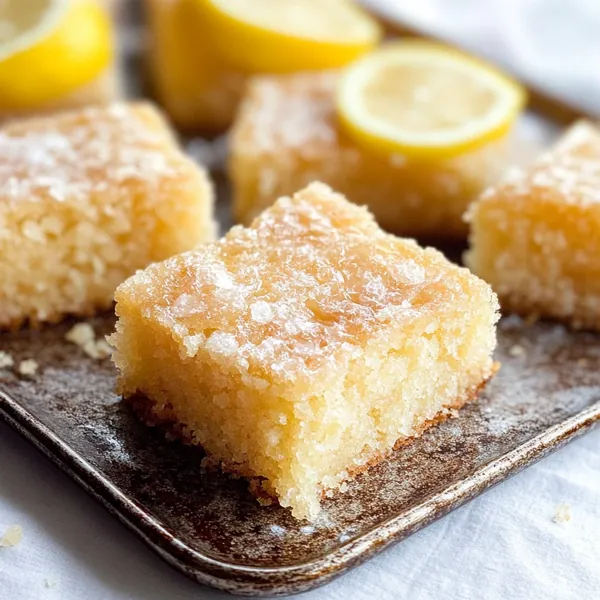
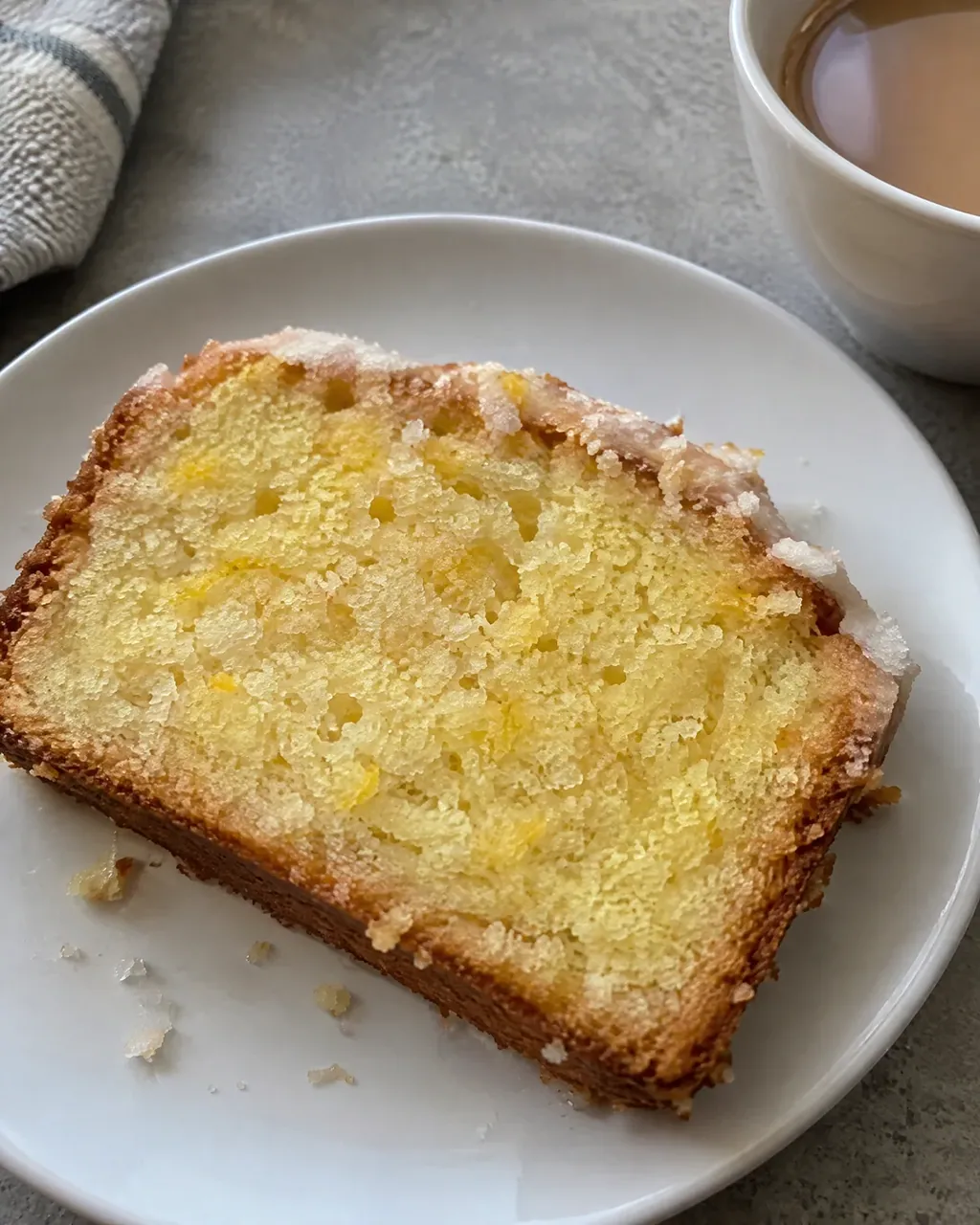
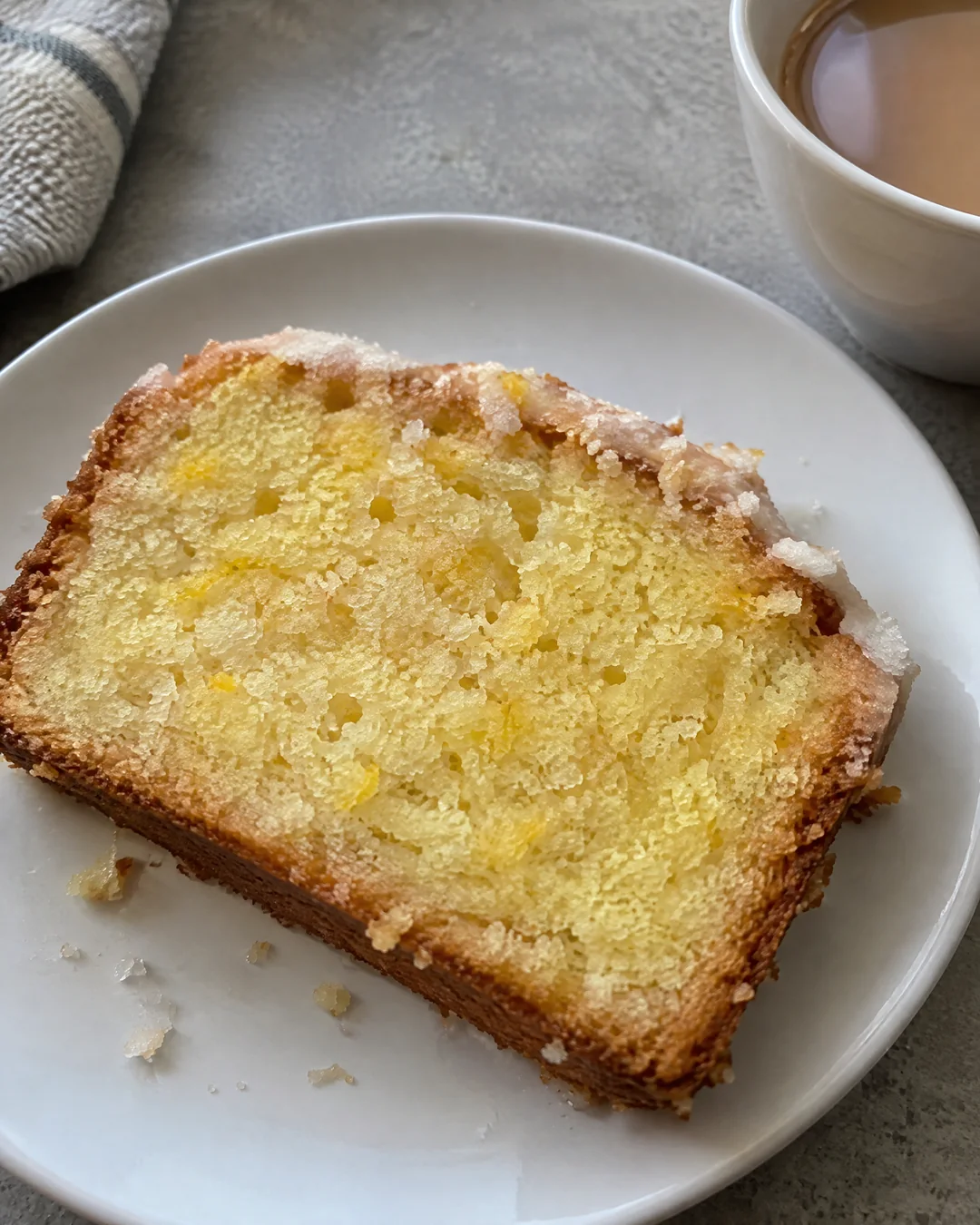
I grew up calling the sweet topping on a cake frosting. Margaret calls it icing, and in her house a drizzle cake has neither. The drizzle is lemon juice and ordinary granulated sugar, stirred together at the last second so the sugar does not dissolve, and spooned over the hot cake after it has been pricked all over with a skewer. The juice runs down the holes into the crumb. The sugar stays on top and dries into a thin white crust that cracks under the knife. Here are the amounts, and exactly when and how to pour so the top turns crunchy instead of soggy.
Why this lemon drizzle loaf works
- Granulated sugar, not powdered. Powdered sugar melts into a smooth glaze. Granulated sugar keeps its crystals, and that is the crunch.
- The sugar is not dissolved. Stirred into the juice at the last moment, the crystals are only wet. If they sit and melt, you get syrup and no crust.
- A hot cake. A cake straight from the oven drinks the juice quickly, so the inside turns sharp and damp while the sugar is left behind on top.
- Skewer holes. The holes carry the lemon juice right down to the bottom of the loaf instead of leaving it in a wet layer under the crust.
- Cooling in the tin. The crust needs an hour of dry air to set hard. Moved too soon, the loaf cracks and the sugar slides off.
Ingredients
Makes one 8 1/2 by 4 1/2 inch loaf (what British recipes call a 2 pound loaf tin), about 10 thick slices. The measurements are in US cups with grams in brackets.
For the loaf
- 3/4 cup butter (170g), very soft
- 3/4 cup plus 2 tablespoons granulated sugar (175g)
- Finely grated zest of 2 large lemons
- 3 large eggs, at room temperature
- 1 1/3 cups all-purpose flour (175g)
- 1 1/2 teaspoons baking powder
- 1/4 teaspoon salt
- 2 tablespoons milk
For the drizzle
- 1/4 cup fresh lemon juice (60ml), from 1 1/2 to 2 lemons
- 1/2 cup granulated sugar (100g)
British recipes use self-raising flour and caster sugar. All-purpose flour with baking powder and ordinary granulated sugar give the same cake. If you have self-rising flour, use 1 1/3 cups and leave out the baking powder and salt. Use fresh lemons that feel heavy for their size; the juice from a squeeze container tastes flat here. Zest the lemons before you cut and squeeze them.
How to make lemon drizzle loaf
Make the loaf
- Heat the oven to 350 degrees (180°C). Grease an 8 1/2 by 4 1/2 inch loaf pan and line it with a strip of parchment that hangs over the two long sides.
- In a large bowl, beat the soft butter, the 3/4 cup plus 2 tablespoons of sugar and the lemon zest with an electric mixer or a wooden spoon for 3 to 4 minutes, until pale and fluffy.
- Beat in the eggs one at a time, adding a spoonful of the flour with the last egg if the mixture starts to look curdled.
- Stir the flour, baking powder and salt together, then fold them into the bowl with a spatula just until no dry flour shows. Fold in the milk. The batter should drop easily from the spoon.
- Scrape the batter into the pan and smooth the top. Bake for 45 to 55 minutes, until the loaf is golden, has risen with a small crack down the middle, and a skewer pushed into the center comes out clean.
Drizzle while hot
- While the loaf is in its last 5 minutes, squeeze the lemons and measure the juice into a small bowl. Measure the 1/2 cup of sugar beside it, but do not mix them yet.
- Take the loaf out of the oven and leave it in the pan. Straight away, prick it all over with a skewer or a thin knitting needle, about 25 holes, pushing right down to the bottom.
- Now tip the sugar into the lemon juice, stir twice, and spoon the wet sugar slowly and evenly over the hot loaf, a spoonful at a time, letting each one sink in before adding the next. Spread the sugar to the edges with the back of the spoon.
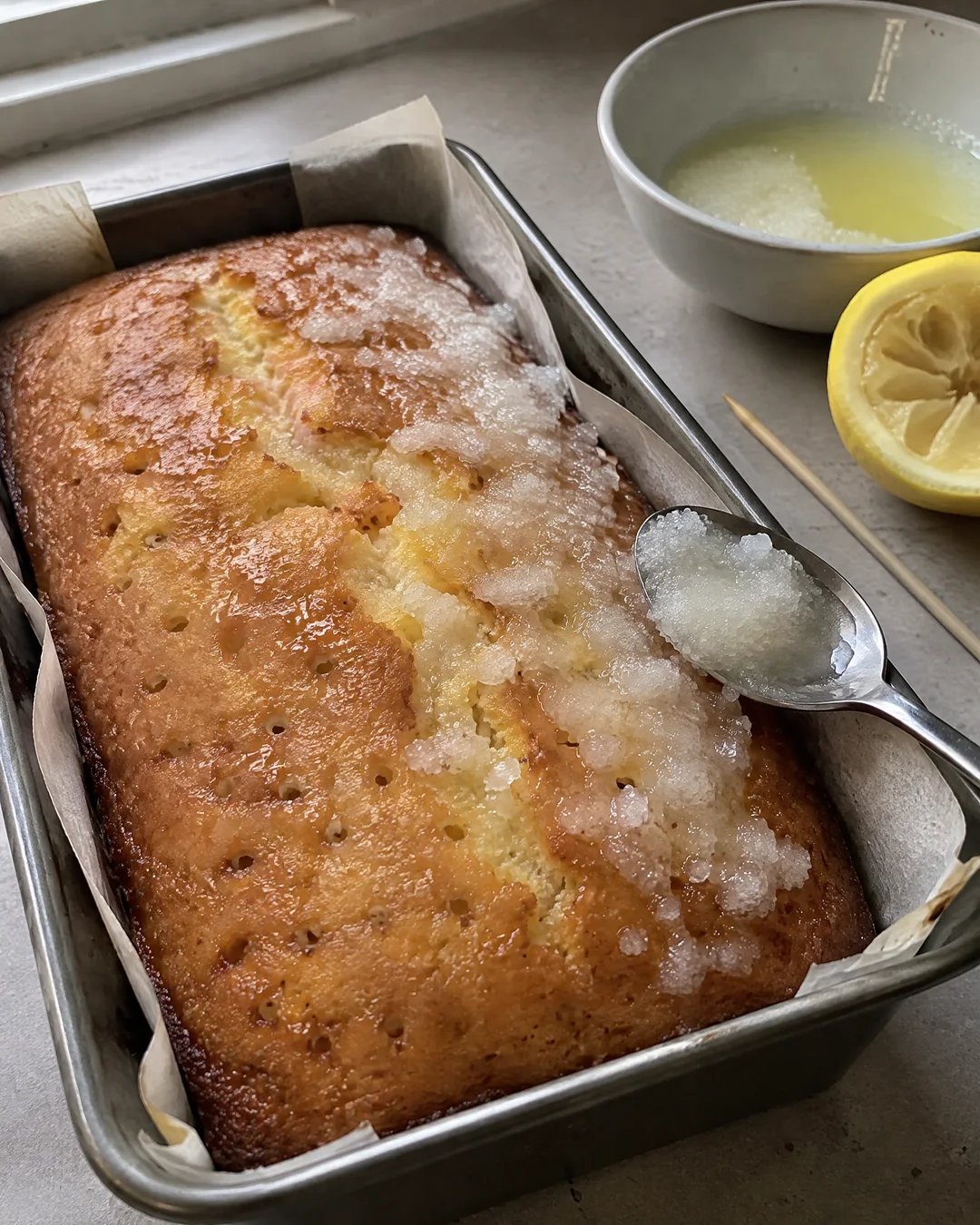
- Leave the loaf in the pan on a rack for at least 1 hour, until it is completely cold and the top has dried to a white crust. Lift it out by the parchment and slice it thick.
Tips that make the difference
- Mix the juice and the sugar only when the loaf is out of the oven and pricked. One minute in the bowl is enough to start melting the crystals.
- Pour slowly. If the drizzle goes on all at once, it runs down the sides of the pan and pools at the bottom instead of soaking the crumb.
- Rub the lemon zest into the sugar with the back of a spoon before you add the butter. It pulls the oil out of the zest and the whole loaf tastes more of lemon.
- Do not cover the loaf while it cools. Steam trapped under a cover turns the sugar crust back into syrup.
Variations
- Extra sharp. Add a third lemon: its zest in the batter and its juice in the drizzle, with 2 more tablespoons of sugar.
- Lemon and poppy seed. Fold 1 tablespoon of poppy seeds into the batter with the flour.
- Orange drizzle loaf. Use the zest of 1 large orange in the cake and orange juice with a squeeze of lemon in the drizzle.
Storage and make-ahead
Kept in an airtight tin or wrapped loosely in parchment and foil, the loaf stays moist at room temperature for 4 to 5 days. The crust is crunchiest on the first two days and softens a little after that.
Do not keep it in the refrigerator, which dries the crumb and makes the sugar top weep.
To freeze, wrap the whole loaf or separate slices in plastic wrap and foil and freeze for up to 3 months. Thaw at room temperature, unwrapped, so the top can dry again.
Frequently asked questions
Why is my drizzle top soggy instead of crunchy?
Either the sugar was stirred into the juice too early and dissolved, powdered sugar was used, or the loaf was covered while it cooled. Mix at the last second with granulated sugar, pour onto the hot cake, and let it cool uncovered in the pan.
Do I pour the drizzle on a hot or a cold cake?
On a hot one, straight from the oven and still in its pan. A hot crumb soaks up the juice quickly. On a cold cake the juice sits on the surface and the top stays wet.
Why did my lemon loaf sink in the middle?
Usually the oven door was opened in the first 30 minutes, or there was too much baking powder. Measure the baking powder level and do not open the door before the 40 minute mark.
Can I make it with bottled lemon juice?
You can, but the taste is weaker and a little bitter. The cake depends on fresh zest in the batter anyway, so you will already have the lemons on the counter.
Cut it thick once the crust has set, put the kettle on, and listen for the little crack when the knife goes through the top.
British Lemon Drizzle Loaf (The Crunchy Sugar Top Goes on the Hot Cake)
A British lemon drizzle loaf: a plain buttery lemon cake pricked all over with a skewer the minute it leaves the oven and spooned with lemon juice and granulated sugar that have not been dissolved, so the juice soaks in and the sugar dries into a thin crunchy crust.
Ingredients
- 3/4 cup butter (170g), very soft
- 3/4 cup plus 2 tablespoons granulated sugar
- Finely grated zest of 2 large lemons
- 3 large eggs, at room temperature
- 1 1/3 cups all-purpose flour
- 1 1/2 teaspoons baking powder
- 1/4 teaspoon salt
- 2 tablespoons milk
- 1/4 cup fresh lemon juice (60ml), from 1 1/2 to 2 lemons
- 1/2 cup granulated sugar
Instructions
- Heat the oven to 350 degrees (180°C). Grease an 8 1/2 by 4 1/2 inch loaf pan and line it with a strip of parchment that hangs over the two long sides.
- In a large bowl, beat the soft butter, the 3/4 cup plus 2 tablespoons of sugar and the lemon zest with an electric mixer or a wooden spoon for 3 to 4 minutes, until pale and fluffy.
- Beat in the eggs one at a time, adding a spoonful of the flour with the last egg if the mixture starts to look curdled.
- Stir the flour, baking powder and salt together, then fold them into the bowl with a spatula just until no dry flour shows. Fold in the milk. The batter should drop easily from the spoon.
- Scrape the batter into the pan and smooth the top. Bake for 45 to 55 minutes, until the loaf is golden, has risen with a small crack down the middle, and a skewer pushed into the center comes out clean.
- While the loaf is in its last 5 minutes, squeeze the lemons and measure the juice into a small bowl. Measure the 1/2 cup of sugar beside it, but do not mix them yet.
- Take the loaf out of the oven and leave it in the pan. Straight away, prick it all over with a skewer or a thin knitting needle, about 25 holes, pushing right down to the bottom.
- Now tip the sugar into the lemon juice, stir twice, and spoon the wet sugar slowly and evenly over the hot loaf, a spoonful at a time, letting each one sink in before adding the next. Spread the sugar to the edges with the back of the spoon.
- Leave the loaf in the pan on a rack for at least 1 hour, until it is completely cold and the top has dried to a white crust. Lift it out by the parchment and slice it thick.