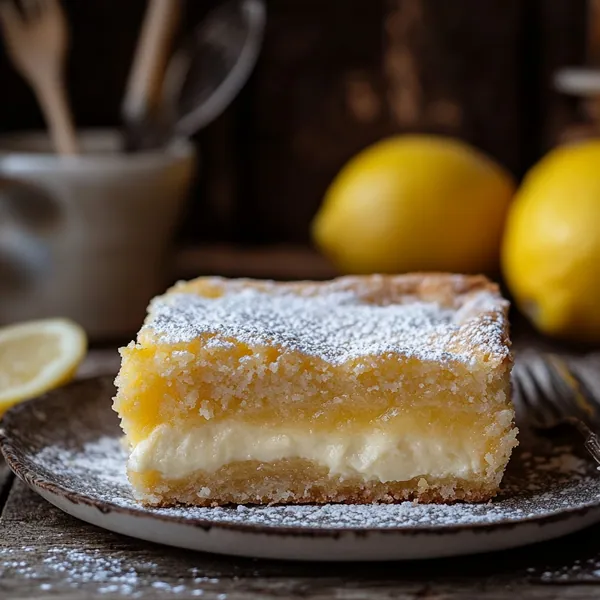
When it comes to Italian desserts, few are as refreshing and beloved as the famous Italian Lemon Cake. Known for its bright, zesty flavor and moist, tender crumb, this cake perfectly captures the essence of Italian baking — simple ingredients, bold flavors, and a focus on freshness. Italian Lemon Cake, often called Torta al Limone, has roots that trace back to the sun-drenched coastal regions of southern Italy, particularly the Amalfi Coast and Sicily, where lemon groves flourish and the fruit is celebrated in countless culinary creations.
What sets Italian Lemon Cake apart from other lemon desserts is its deep respect for the natural flavor of lemons. Rather than overwhelming the palate with sweetness, it highlights the tart and aromatic qualities of the lemon itself, often enhanced by ingredients like extra virgin olive oil, ricotta cheese, or almond flour. The result is a dessert that’s not only delicious but also remarkably light and satisfying — perfect for warm-weather celebrations or a sweet finish to a hearty Italian meal.
Over the years, this cake has gained international fame, gracing the menus of upscale restaurants, charming Italian bakeries, and home kitchens alike. Its versatility allows for endless variations, from decadent mascarpone-filled versions to simple, rustic cakes dusted with powdered sugar. Whether enjoyed with a cup of strong espresso or a glass of limoncello, Italian Lemon Cake brings a little piece of the Mediterranean sunshine to every bite. It’s more than just a dessert — it’s a celebration of Italy’s rich culinary heritage and love for fresh, vibrant flavors.
Origins of the Famous Italian Lemon Cake
The origins of Italian Lemon Cake are deeply rooted in the rich agricultural and culinary traditions of southern Italy. The Mediterranean climate, with its warm temperatures and fertile soil, proved ideal for cultivating lemons, particularly in regions like the Amalfi Coast and Sicily. Lemons from these areas, notably the Sfusato Amalfitano variety, are prized for their intense fragrance, low acidity, and naturally sweet flavor, making them a perfect ingredient for a wide range of dishes, including desserts.
Historically, lemons held great significance in Italian culture beyond the kitchen. They were symbols of wealth, health, and prosperity. In the 17th and 18th centuries, lemon cultivation flourished, and the fruit became a staple in local recipes. It was during this period that bakers and home cooks began incorporating lemon zest and juice into cakes, giving rise to early versions of what would become the famous Italian Lemon Cake.
Unlike other heavier European desserts of the time, Italian Lemon Cake was celebrated for its lightness and bright flavor. It provided a refreshing alternative that suited the sunny, coastal lifestyle. Over generations, the recipe was refined, with ingredients like olive oil, ricotta cheese, and almonds becoming common additions to enhance texture and flavor. These traditional techniques and ingredients have been passed down through families and regional bakeries, preserving the authentic character of the cake while allowing room for regional innovation. Today, the Italian Lemon Cake remains a beloved symbol of Italian culinary artistry, cherished for its historical depth and vibrant taste.
Key Ingredients that Make It Special
The enduring appeal of Italian Lemon Cake lies in its simple yet high-quality ingredients, each playing a vital role in creating its signature flavor and texture. At the heart of the cake is the lemon itself. Authentic recipes often call for Amalfi lemons or other Italian varieties known for their aromatic zest and balanced sweetness. The generous use of lemon zest and freshly squeezed juice ensures that the cake bursts with vibrant, natural citrus flavor.
Olive oil is another hallmark ingredient, distinguishing Italian Lemon Cake from butter-heavy desserts found elsewhere. A high-quality extra virgin olive oil imparts a subtle richness and moist crumb without overwhelming the delicate lemon notes. In some regional versions, ricotta cheese is used to lend the cake a soft, tender texture and a slightly creamy taste, making each bite melt in the mouth.
Flour choices can also vary, but many traditional recipes incorporate almond flour or ground almonds. This addition enhances the nutty undertones and adds a light, airy structure to the cake. Eggs, sugar, and sometimes a touch of vanilla or limoncello liqueur round out the ingredient list, balancing the tartness of the lemon with a gentle sweetness.
The beauty of Italian Lemon Cake is in its restraint. It does not rely on excessive frosting or decoration; instead, the natural flavors of the high-quality ingredients take center stage. When made correctly, the cake offers a perfect harmony of brightness, moisture, and tenderness, making it a standout dessert in Italian culinary tradition.
Regional Variations of Italian Lemon Cakes
While Italian Lemon Cake is a beloved classic across the country, regional variations reflect the diverse culinary traditions of Italy’s many distinct areas. Each region offers its unique interpretation, showcasing local ingredients and baking techniques that bring a new dimension to the basic lemon cake formula.
In the Amalfi Coast, the cake is often called Torta al Limone Amalfitana and features the famous Sfusato Amalfitano lemons. These cakes tend to be incredibly aromatic and are often soaked in a light lemon syrup after baking, intensifying the citrus flavor and adding moisture. Some versions also incorporate a lemon-flavored glaze or a dusting of powdered sugar for a simple yet elegant finish.
Sicily, known for its fertile soil and abundant citrus groves, offers its own take on lemon cake. Sicilian lemon cakes often include ricotta cheese, making the texture richer and creamier. Almond flour is frequently used in Sicilian baking, and its inclusion in lemon cake recipes adds a delicate nutty flavor and a denser, moister crumb.
In Northern Italy, particularly around Liguria, lighter, sponge-like lemon cakes are more common. Here, the focus is on using minimal fat and achieving a delicate, airy texture, sometimes enhanced with a hint of limoncello liqueur.
Each variation, while distinct, shares a commitment to celebrating the purity and brightness of lemons. These regional differences demonstrate the flexibility of Italian Lemon Cake and reflect how local ingredients and culinary preferences influence even the most traditional recipes.

Why Italian Lemon Cake Became Famous Worldwide
Italian Lemon Cake’s rise to global fame can be attributed to a combination of cultural, culinary, and societal factors. As Italian cuisine gained international recognition in the 20th century, particularly in countries like the United States, the United Kingdom, and Australia, traditional Italian desserts naturally followed. The refreshing taste of Italian Lemon Cake offered a welcome contrast to heavier European and American desserts, quickly winning over new audiences.
Travel and tourism also played a crucial role. Visitors to Italy, especially to regions like the Amalfi Coast and Sicily, experienced firsthand the exceptional flavors of local lemon desserts. Many sought to recreate the experience at home, prompting a surge in demand for authentic recipes and ingredients. Italian bakeries abroad, often family-run, introduced generations of customers to this delicate and vibrant cake, solidifying its place in international pastry culture.
Celebrity chefs and food media further propelled Italian Lemon Cake into the spotlight. Cookbooks, television programs, and food blogs frequently featured the cake, emphasizing its straightforward preparation and natural ingredients. Its adaptability—offering gluten-free, vegan, or mascarpone-filled versions—allowed it to appeal to modern dietary trends without losing its traditional charm.
The cake’s visual appeal also contributed to its success. With its golden color, simple decoration, and rustic presentation, Italian Lemon Cake embodies the beauty of homemade, artisanal baking. It evokes a sense of authenticity and nostalgia that resonates worldwide. Today, it remains a timeless favorite, celebrated for bringing a taste of Italian sunshine and simplicity to dessert tables across the globe.
Traditional Italian Lemon Cake Recipe
Making a traditional Italian Lemon Cake at home captures the essence of Italian baking: simplicity, authenticity, and fresh flavors. Below is a classic recipe that highlights the bright, aromatic qualities of lemons while maintaining a moist and tender texture.
Ingredients:
-
1 ½ cups all-purpose flour
-
1 cup granulated sugar
-
½ cup almond flour
-
3 large eggs
-
½ cup extra virgin olive oil
-
½ cup whole milk
-
2 teaspoons baking powder
-
1 teaspoon vanilla extract
-
Zest of 2 large lemons
-
Juice of 1 large lemon
-
Pinch of salt
-
Powdered sugar for dusting (optional)
Instructions:
-
Preheat the oven to 350°F (175°C). Grease and flour a 9-inch round cake pan or line it with parchment paper.
-
In a large bowl, whisk together the eggs and sugar until the mixture is light and fluffy.
-
Slowly add the olive oil and continue to whisk until well incorporated.
-
In a separate bowl, sift together the all-purpose flour, almond flour, baking powder, and salt.
-
Gradually add the dry ingredients to the wet ingredients, alternating with the milk. Stir gently to combine after each addition.
-
Add the lemon zest, lemon juice, and vanilla extract. Mix until just combined. Be careful not to overmix, as this can toughen the cake.
-
Pour the batter into the prepared pan and smooth the top with a spatula.
-
Bake for 30–35 minutes, or until a toothpick inserted into the center of the cake comes out clean.
-
Allow the cake to cool in the pan for 10 minutes before transferring it to a wire rack to cool completely.
-
Once cooled, dust the cake lightly with powdered sugar, if desired.
This traditional version delivers a light, moist cake with a bright, tangy flavor and a delicate crumb. Perfect for enjoying with an afternoon coffee or serving as a sophisticated dessert for guests.

Modern Twists on the Classic
While the traditional Italian Lemon Cake remains a beloved favorite, modern variations have added exciting new dimensions to this classic dessert. These adaptations often cater to contemporary tastes and dietary preferences while preserving the cake’s signature lemon flavor.
One popular twist is the Lemon Mascarpone Cake, which layers rich mascarpone cream between two light lemon cake rounds. The addition of mascarpone enhances the cake’s creaminess and adds a subtle tang that complements the citrus beautifully.
Another trend is the Lemon Olive Oil Bundt Cake. Baked in a decorative bundt pan, this version often features a light lemon glaze and uses high-quality olive oil for extra moisture and richness. It presents beautifully for special occasions and gatherings.
For those seeking healthier alternatives, vegan and gluten-free versions have become increasingly popular. Almond flour, coconut milk, and flaxseed are common substitutes, allowing people with dietary restrictions to enjoy the fresh, vibrant flavors of Italian Lemon Cake without compromise.
Additionally, some bakers incorporate limoncello liqueur directly into the batter or glaze for an extra punch of authentic Italian flavor. Others fold in poppy seeds or herbs like thyme and rosemary to create sophisticated flavor profiles.
These modern interpretations reflect the cake’s versatility and its ability to adapt while maintaining the timeless appeal that has made it famous worldwide.
Serving Suggestions
Italian Lemon Cake is best served simply, allowing its fresh, natural flavors to shine. A light dusting of powdered sugar is often all that is needed to enhance its rustic beauty. For a more indulgent presentation, a drizzle of lemon glaze made from powdered sugar and freshly squeezed lemon juice adds a glossy, sweet-tart finish.
Pairing the cake with a strong espresso or a cup of herbal tea creates a traditional Italian café experience. For special occasions, consider serving it with a glass of limoncello or a dessert wine like Moscato.
Fresh berries, particularly raspberries or blueberries, make excellent accompaniments, adding both color and a burst of complementary flavor. A dollop of whipped cream or a side of vanilla gelato can also transform the cake into an elegant plated dessert, perfect for dinner parties or celebrations.
Storage and Preservation Tips
Proper storage is key to maintaining the Italian Lemon Cake’s fresh flavor and moist texture. Once cooled completely, the cake should be stored in an airtight container at room temperature for up to three days. If your kitchen is particularly warm or humid, it is better to refrigerate the cake to prevent spoilage.
When refrigerating, wrap the cake tightly in plastic wrap or place it in a sealed container to prevent it from drying out. Refrigerated, the cake will stay fresh for about five to six days. Always allow refrigerated slices to come to room temperature before serving to restore their soft texture and flavor.
Italian Lemon Cake also freezes very well. Wrap the cake or individual slices tightly in plastic wrap and then again in aluminum foil, or use freezer-safe bags. It can be frozen for up to three months. To thaw, leave it in the refrigerator overnight or at room temperature for a few hours.
If the cake includes a lemon glaze or fresh fruit topping, it is best to add these elements after thawing to maintain the best texture and appearance. Freezing is particularly useful if you want to prepare the cake ahead of time for events or holidays.
By following these storage tips, you can enjoy the bright, zesty flavors of Italian Lemon Cake well beyond the day it is baked, making it a convenient and delightful treat to have on hand.
FAQs
What makes Italian lemon cake different from other lemon cakes?
Italian Lemon Cake stands apart due to its focus on fresh, high-quality ingredients like Amalfi lemons, extra virgin olive oil, and sometimes ricotta cheese. It tends to be lighter and less sugary than American lemon cakes, offering a more refined, aromatic citrus flavor.
Can I use regular lemons instead of Amalfi lemons?
Yes, you can use regular lemons if Amalfi lemons are not available. However, Amalfi lemons have a sweeter, less acidic taste and more intense aroma. When using regular lemons, you may want to slightly adjust the sugar to balance the extra tartness.
How do you keep lemon cake moist?
Maintaining moisture in a lemon cake relies on ingredients like olive oil, ricotta cheese, or almond flour, which help retain moisture. Avoid overbaking, and consider brushing the finished cake with a simple lemon syrup for extra moisture and flavor.
What are common mistakes when making lemon cake?
Common mistakes include overmixing the batter, which can make the cake dense, and overbaking, which leads to dryness. Using bottled lemon juice instead of fresh can also result in a flat, artificial flavor. Always opt for fresh lemons and measure ingredients carefully.
Can Italian lemon cake be made ahead of time for parties?
Yes, Italian Lemon Cake is an excellent choice for make-ahead baking. It can be baked a day or two in advance and stored properly. The flavor often improves after resting, as the lemon essence deepens.
What is the best substitute for ricotta cheese in lemon cakes?
If ricotta is unavailable, mascarpone cheese or Greek yogurt can be used as substitutes. Both provide a similar creamy texture and slight tanginess, though mascarpone will yield a richer cake and Greek yogurt a slightly lighter version.
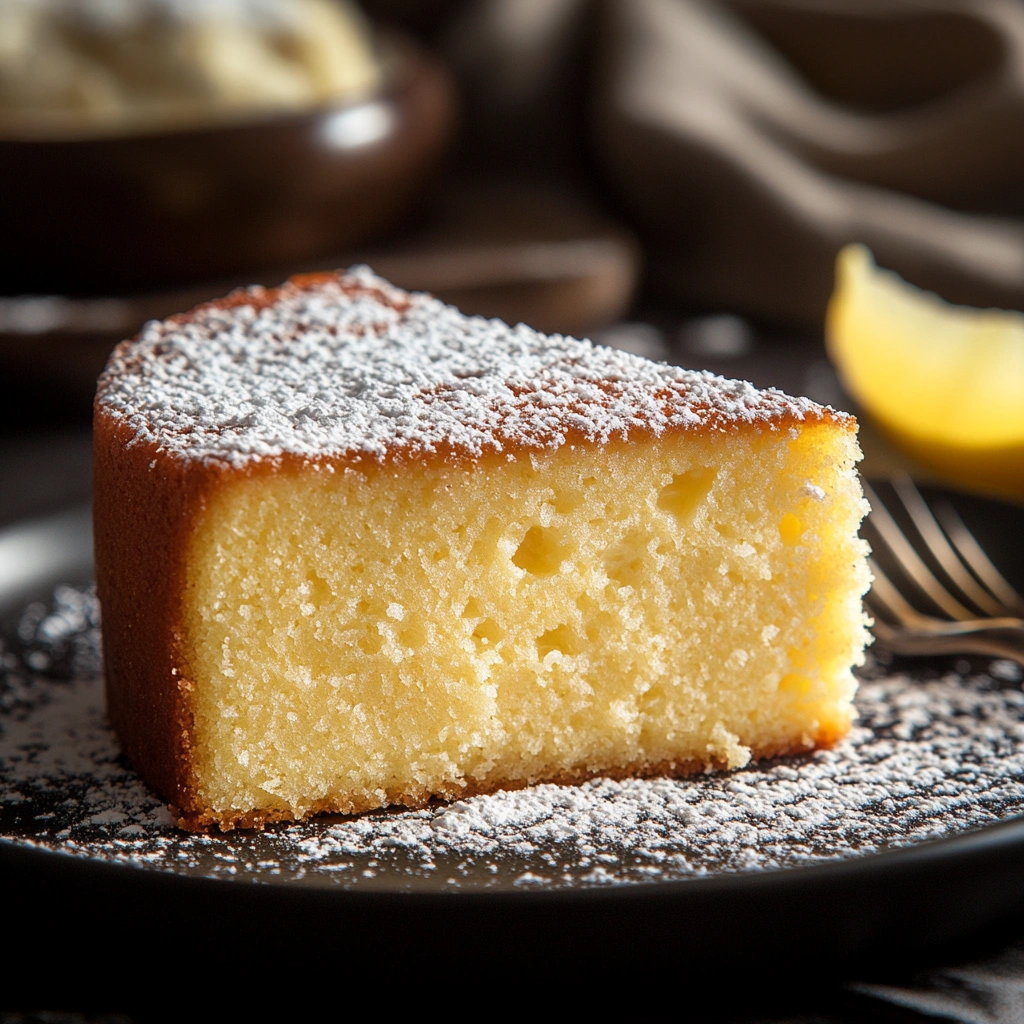
Famous Italian Lemon Cake
This traditional Italian Lemon Cake is a light, moist dessert that highlights the natural brightness of fresh lemons. Made with simple, high-quality ingredients like extra virgin olive oil, almond flour, and real lemon zest, it captures the authentic flavors of Southern Italy. Perfect for any occasion, this cake is easy to prepare, versatile, and delicious served plain, with a lemon glaze, or alongside fresh berries and whipped cream.
Ingredients
- 1 egg
- A pinch of salt
- 50 grams (3 tablespoons) sugar
- 40 grams (3 tablespoons) cornstarch
- 300 ml (1 1/2 cups / 10.5 oz) milk
- Zest of one lemon
- Juice of one lemon
- 2 eggs
- A pinch of salt
- 100 grams (6 tablespoons) sugar
- 120 ml (2/3 cup / 4.3 oz) vegetable oil
- 1 teaspoon vanilla extract
- 220 grams (1 1/2 cups / 7.7 oz) all-purpose flour
- 15 grams (4 teaspoons / 0.5 oz) baking powder
Instructions
Prepare the Lemon Custard Filling:
- In a medium saucepan, combine 1 egg, a pinch of salt, 50 grams of sugar, and 40 grams of cornstarch. Whisk together until smooth.
- Gradually add 300 ml of milk while continuously whisking to prevent lumps from forming.
- Add the zest and juice of one lemon to the mixture and continue to stir.
- Place the saucepan over medium heat and cook the mixture, stirring constantly, until it thickens to a custard-like consistency, about 5-7 minutes.
- Once thickened, remove from heat and set aside to cool, stirring occasionally to prevent a skin from forming.
Prepare the Cake Batter:
- Preheat your oven to 180°C (350°F). Grease and line a 9-inch round cake pan with parchment paper.
- In a large mixing bowl, beat 2 eggs with a pinch of salt until frothy.
- Add 100 grams of sugar and continue to beat until the mixture is pale and thick.
- Gradually add 120 ml of vegetable oil and 1 teaspoon of vanilla extract, mixing until well combined.
- In a separate bowl, sift together 220 grams of all-purpose flour and 15 grams of baking powder.
- Gradually add the dry ingredients to the wet mixture, folding gently until just combined. Be careful not to overmix.
- Pour half of the cake batter into the prepared cake pan and spread it evenly.
- Spoon the cooled lemon custard filling over the batter, spreading it evenly but leaving a small border around the edges.
- Pour the remaining cake batter over the custard layer, spreading it carefully to cover the filling completely.
- Gently tap the pan on the counter to remove any air bubbles.
- Bake in the preheated oven for 35-40 minutes, or until a toothpick inserted into the center of the cake comes out clean.
- Once baked, remove the cake from the oven and allow it to cool in the pan for 10 minutes. Transfer the cake to a wire rack to cool completely.
- Once the cake is completely cooled, dust the top with powdered sugar if desired.
on-step-19">Slice and Serve
- Slice and serve the cake with a cup of tea or coffee. Enjoy the delightful combination of fluffy cake and zesty lemon custard.