In this article
- Why You’ll Love This Lemon Loaf
- Ingredients Overview
- How to Make Classic Lemon Loaf Cake (Step-by-Step Guide)
- Making the Sweet Lemon Glaze
- Storage, Freezing, and Reheating Tips
- Variations to Try
- Serving Suggestions
- Troubleshooting: Common Mistakes to Avoid
- FAQs – Based on “People Also Ask”
- Conclusion & Final Tips
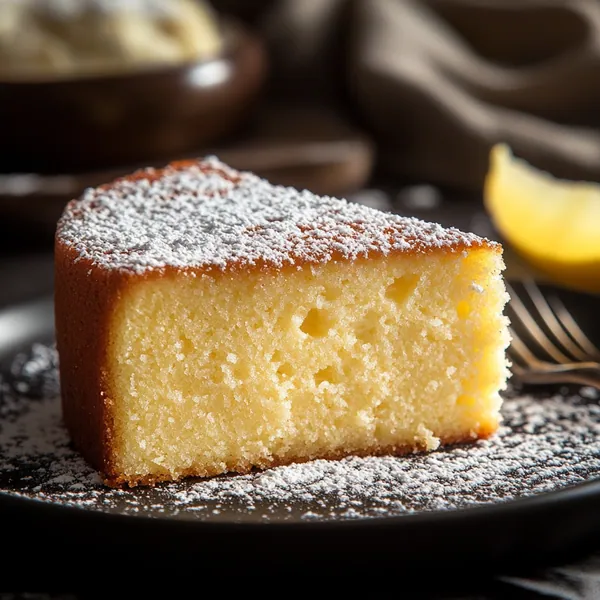
Few desserts capture the brightness of citrus and the comfort of home baking quite like a classic lemon loaf cake. With its soft, moist crumb and zesty flavor, this simple yet elegant treat has earned a permanent place in kitchens and cafés alike. Often compared to the iconic Starbucks version, a homemade lemon loaf offers all the same satisfying qualities—plus the ability to customize the flavor and sweetness exactly to your liking.
Rooted in traditional pound cake recipes, the lemon loaf cake gets its signature tang from fresh lemon juice and zest, while ingredients like sour cream or yogurt help deliver that melt-in-your-mouth texture. Topped with a glossy sweet lemon glaze that drips down the sides, it’s a picture-perfect addition to any brunch table, afternoon tea, or dessert spread.
Whether you’re baking for a special occasion or just to brighten a weekday, this lemon loaf is an easy win—bursting with citrus, tender inside, and finished with a perfectly tart glaze.
Why You’ll Love This Lemon Loaf
There’s a reason this lemon loaf is a classic—it strikes the perfect balance between bright citrus flavor and comforting sweetness. The texture is moist and tender, thanks to a rich batter made with butter and sour cream, and each slice is full of natural lemon zest that brings the flavor to life.
It’s a versatile recipe that fits any occasion. Serve it as a coffee companion, a light dessert, or a brunch centerpiece. It also travels well, freezes beautifully, and makes a great homemade gift. You don’t need any special equipment, and the ingredients are pantry-friendly and simple.
The sweet lemon glaze on top adds an extra layer of flavor and a polished look, making it as visually appealing as it is delicious. Once you make it, you’ll want to keep this recipe in your regular baking rotation—it’s that good.
Ingredients Overview
This lemon loaf cake is made with accessible ingredients, but don’t let the simplicity fool you—each one plays a key role in achieving the perfect flavor and texture.
For the Lemon Loaf:
-
All-purpose flour – The base of the loaf, providing structure.
-
Granulated sugar – Sweetens the batter and helps with moisture.
-
Unsalted butter – Adds richness and flavor. You can substitute oil for a slightly lighter texture.
-
Eggs – Bind the batter and contribute to rise and structure.
-
Sour cream or Greek yogurt – Ensures a moist, tender crumb and adds tang.
-
Fresh lemon zest and juice – The stars of the show, bringing bright, natural citrus flavor.
-
Vanilla extract – Balances the tartness and rounds out the flavor.
-
Baking powder and salt – Essential for leavening and flavor balance.
For the Sweet Glaze:
-
Powdered (confectioners’) sugar – Forms the base of the glaze, offering smooth sweetness.
-
Fresh lemon juice – Thins the glaze and intensifies the citrus punch.
-
Optional lemon zest – Sprinkled on top for color and added zest.
Ingredient Tips:
-
Use room-temperature butter, eggs, and dairy for a smooth, well-emulsified batter.
-
Always zest lemons before juicing to avoid waste.
-
For extra flavor, add a drop of lemon extract or swap half the lemon juice for Meyer lemon.

How to Make Classic Lemon Loaf Cake (Step-by-Step Guide)
1. Preheat and Prepare:
Begin by preheating your oven to 350°F (175°C). Lightly grease a 9×5-inch loaf pan or line it with parchment paper, allowing some overhang for easy removal.
2. Cream Butter and Sugar:
In a large mixing bowl, cream together the butter and granulated sugar until light and fluffy—about 2 to 3 minutes. This step helps create air pockets that contribute to a light texture.
3. Add Eggs and Flavorings:
Beat in the eggs one at a time, ensuring each is fully incorporated before adding the next. Mix in the vanilla extract, lemon zest, and fresh lemon juice.
4. Combine Dry Ingredients:
In a separate bowl, whisk together the flour, baking powder, and salt. Gradually add the dry mixture to the wet ingredients, mixing just until combined. Overmixing can lead to a tough loaf.
5. Add Sour Cream:
Fold in the sour cream or yogurt gently using a spatula. The batter should be thick but smooth.
6. Bake:
Pour the batter into your prepared loaf pan and smooth the top. Bake for 50 to 60 minutes, or until a toothpick inserted into the center comes out clean. If the top is browning too quickly, tent loosely with foil around the 40-minute mark.
7. Cool:
Let the cake cool in the pan for 10–15 minutes, then transfer to a wire rack to cool completely before adding the glaze.
Making the Sweet Lemon Glaze
A well-made glaze elevates a lemon loaf from simple to showstopping. The ideal consistency should be thick but pourable, allowing it to cascade slowly over the loaf without soaking in completely.
To make it, whisk together powdered sugar and freshly squeezed lemon juice. For a thinner glaze, add more lemon juice a few drops at a time. For a thicker, opaque finish, increase the powdered sugar.
Glazing Tips:
-
Wait until the loaf is completely cool—glazing a warm cake causes it to melt and disappear.
-
Use a spoon or small jug to control the pour.
-
Let the glaze drip naturally down the sides for that café-style look.
-
For added texture and color, sprinkle fresh lemon zest over the top immediately after glazing.
This final touch adds brightness, a little extra zing, and a glossy, bakery-worthy appearance.
Storage, Freezing, and Reheating Tips
Proper storage ensures your lemon loaf stays moist and flavorful.
Room Temperature: Store the cooled, glazed loaf in an airtight container for up to 3 days. Keep it in a cool spot, out of direct sunlight.
Refrigerator: Refrigeration can dry it out slightly, but works well for hot climates. Wrap tightly to retain moisture and consume within 5 days.
Freezing: You can freeze the loaf whole or in slices. Wrap in plastic wrap and foil or place in a freezer bag. It’ll stay fresh for up to 3 months. For best results, freeze without glaze and add it after thawing.
Reheating: To serve warm, microwave individual slices for 10–15 seconds. If reheating a full loaf, let it thaw overnight and warm in a 300°F (150°C) oven for 10–15 minutes.
Planning ahead? Bake two loaves—one to enjoy now and one for the freezer.
Variations to Try
Once you’ve mastered the classic lemon loaf, you can start experimenting with fun variations:
1. Blueberry Lemon Loaf
Fold 1 cup of fresh or frozen blueberries into the batter before baking. Toss them in flour first to prevent sinking.
2. Lemon Poppy Seed
Add 1 to 2 tablespoons of poppy seeds for extra texture and a nutty flavor that pairs beautifully with lemon.
3. Gluten-Free or Vegan Version
-
Substitute all-purpose flour with a gluten-free 1:1 baking blend.
-
Use plant-based butter and non-dairy yogurt for a vegan option.
-
Replace eggs with flax eggs (1 tbsp ground flax + 3 tbsp water per egg).
4. Citrus Swaps
Try using lime zest and juice for a tropical twist or orange for a slightly sweeter citrus flavor.
These tweaks are easy to incorporate and can make the recipe feel brand-new while still delivering the same moist, citrusy goodness.

Serving Suggestions
A classic lemon loaf cake is as versatile in presentation as it is in flavor. Serve it:
-
With coffee or tea for a cozy afternoon treat
-
Topped with whipped cream or vanilla ice cream for an easy dessert
-
As part of a brunch table alongside fresh fruit, pastries, and savory items
Slice it thick or thin, warm it slightly or enjoy it straight from the fridge—this cake shines in any setting. For special occasions, garnish with edible flowers or lemon curls to enhance the presentation.
Troubleshooting: Common Mistakes to Avoid
Even experienced bakers can run into issues with loaf cakes. Here’s how to avoid common lemon loaf pitfalls:
Why did my lemon loaf sink in the middle?
-
Undercooked batter is the usual culprit. Always test with a toothpick and allow the center to fully set before removing from the oven.
-
Using too much leavening agent can cause rapid rise and collapse.
Why is my lemon loaf dry or dense?
-
Overmixing develops too much gluten, leading to a dense texture.
-
Not enough moisture (e.g., leaving out the sour cream or yogurt) can also dry it out.
-
Overbaking can zap all the moisture—keep an eye on the oven.
Why did the glaze soak in too much?
-
The loaf was likely too warm when glazed. Always wait until completely cool.
-
The glaze may have been too thin—add more powdered sugar next time.
These issues are easy to fix with small adjustments and practice, helping you achieve that perfect loaf every time.
FAQs – Based on “People Also Ask”
a. What is the difference between lemon cake and lemon loaf?
Lemon cake is typically layered, lighter, and frosted, while lemon loaf is denser and baked in a single pan, often topped with a simple glaze.
b. Can I use bottled lemon juice instead of fresh?
Yes, but fresh lemon juice gives a brighter, more natural flavor. Bottled juice may lack the same zest and depth.
c. Why is my lemon loaf not moist?
Likely causes include overbaking, incorrect measurements, or omitting sour cream or yogurt. Using fresh ingredients and precise timing helps retain moisture.
d. How do I prevent the glaze from melting?
Make sure the loaf is completely cool before glazing. If the kitchen is warm, chill the cake slightly before glazing.
e. Can I double the recipe?
Yes, but divide the batter into two loaf pans. Doubling and baking in one large pan could lead to uneven baking or a soggy center.
Conclusion & Final Tips
This classic lemon loaf cake delivers on every level—moist texture, bold lemon flavor, and an irresistibly sweet glaze. It’s an easy, elegant bake that doesn’t require expert skills or fancy tools.
Whether you’re enjoying a slice with your morning coffee or serving it at a spring brunch, this recipe is a surefire crowd-pleaser.
Don’t hesitate to personalize it with fruit, seeds, or alternate citrus flavors. Keep a loaf on hand in the freezer for unexpected guests—or just to treat yourself. However you slice it, this lemon loaf is destined to become a go-to favorite.

Classic Lemon Loaf Cake with Sweet Glaze
This classic lemon loaf cake is a soft, moist, and zesty quick bread that’s packed with fresh citrus flavor and topped with a glossy, sweet lemon glaze. It’s simple to make, requires no special equipment, and delivers bakery-style results at home. Perfect for brunch, afternoon tea, or an easy dessert, this lemon loaf is bursting with brightness in every bite. Made with real lemon juice and zest, a touch of sour cream or yogurt for added moisture, and a beautifully drippy glaze, this loaf is bound to become your go-to lemon treat.
Ingredients
- 1 ½ cups all-purpose flour
- 1 teaspoon baking powder
- ½ teaspoon baking soda
- ½ teaspoon salt
- 1 cup granulated sugar
- 2 tablespoons lemon zest (from about 2 lemons)
- 4 large eggs
- 1 cup sour cream (8 ounces)
- ½ cup fresh lemon juice
- ⅓ cup whole milk
- ⅓ cup vegetable oil
- 1 teaspoon vanilla extract
- 2 ¾ cups powdered sugar
- 4 tablespoons fresh lemon juice, or to taste
Instructions
- Preheat your oven to 350°F (175°C). Grease a 9×5-inch loaf pan and line it with parchment paper, leaving an overhang on the sides for easy removal.
- In a medium bowl, whisk together the flour, baking powder, baking soda, and salt. Set aside.
- In a large mixing bowl, combine the sugar and lemon zest. Rub the zest into the sugar with your fingers until it becomes fragrant and slightly moist.
- Add the eggs to the lemon-sugar mixture, one at a time, beating well after each addition until the mixture is light and fluffy.
- Stir in the sour cream, lemon juice, milk, vegetable oil, and vanilla extract until well combined.
- Gradually add the dry ingredients to the wet ingredients, mixing until just combined. Be careful not to overmix.
- Pour the batter into the prepared loaf pan and smooth the top with a spatula.
- Bake for 55-60 minutes, or until a toothpick inserted into the center of the cake comes out clean. Allow the cake to cool in the pan for 20 minutes, then use the parchment paper overhang to lift the cake out of the pan and transfer it to a wire rack. Let the cake cool completely.
- While the cake cools, prepare the glaze by whisking together the powdered sugar and lemon juice in a medium bowl. Start with 4 tablespoons of lemon juice and add more if you prefer a thinner glaze.
- Once the cake is completely cool, drizzle the glaze evenly over the top, allowing it to drip down the sides. Let the glaze set for about 30 minutes before slicing the cake.
- Store the cake in an airtight container at room temperature for up to 2 days, or refrigerate for up to a week. You can also freeze the cake for up to 3 months.