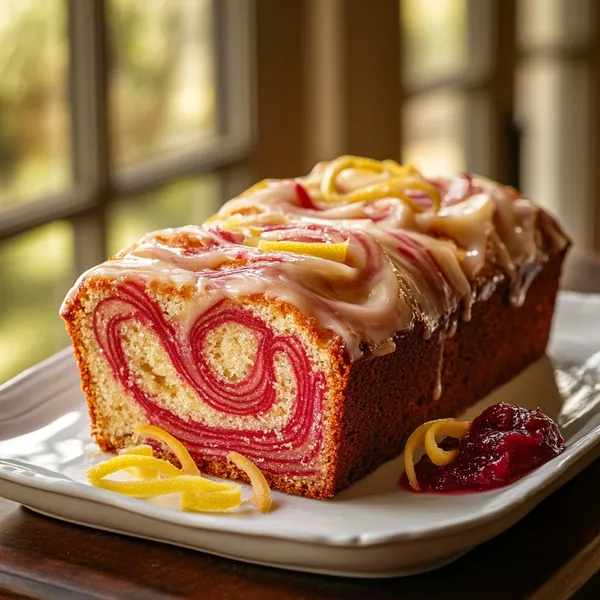
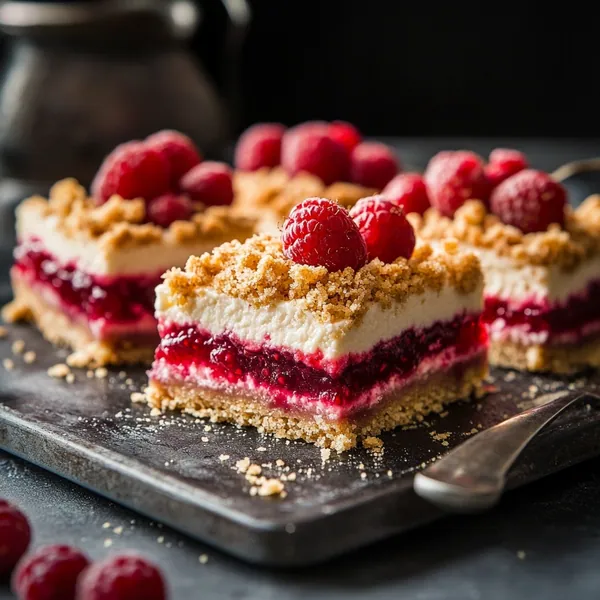
Lemon rhubarb loaf is a bright, tangy, and sweet quick bread that combines the tart flavor of fresh rhubarb with the zesty freshness of lemon. Moist and soft in texture, this loaf is perfect for spring and early summer baking when rhubarb is in season. It’s a comforting, homemade treat that works well for breakfast, brunch, or as a simple dessert. The glaze drizzled on top adds a lovely sweetness that complements the citrus and tart notes of the loaf. Whether you’re a fan of rhubarb or trying it for the first time, this recipe is approachable and satisfying. The batter comes together quickly and requires no special equipment, making it ideal for home bakers of all levels. It’s also versatile—easy to customize with add-ins or tweaks to suit your preferences. With its beautiful appearance and unique flavor combination, the lemon rhubarb loaf is sure to become a seasonal favorite.
Why You’ll Love This Recipe
This lemon rhubarb loaf is everything you want in a springtime bake—moist, flavorful, and beautifully balanced between tart and sweet. The tang of fresh rhubarb is mellowed by the citrusy brightness of lemon and finished with a smooth, sweet glaze. It’s easy to prepare with everyday pantry ingredients and requires minimal effort. The loaf is perfect for sharing at brunches, tea time, or as a thoughtful homemade gift. It also stores and freezes well, making it convenient to prepare in advance. Whether enjoyed fresh out of the oven or as a make-ahead treat, this recipe delivers on taste and texture.
What Is Rhubarb?
Rhubarb is a perennial vegetable often treated like a fruit in cooking and baking. It has long, slender stalks that range in color from deep red to pale green, depending on the variety. While the stalks are edible, the leaves are toxic and should always be discarded. Rhubarb has a naturally tart flavor that pairs well with sweet ingredients, making it a popular choice in desserts like pies, crisps, and quick breads. It’s typically harvested in spring and early summer, though it can also be found frozen year-round. When choosing rhubarb, look for firm, brightly colored stalks without blemishes. Store it in the refrigerator wrapped in a damp paper towel or plastic for up to a week. If using frozen rhubarb, thaw it completely and drain off any excess moisture before baking. Its unique flavor and texture make rhubarb a delicious addition to baked goods, especially when paired with lemon or berries.

Lemon Rhubarb Loaf Ingredients
This recipe uses simple, accessible ingredients that come together to create a moist and flavorful loaf. Here’s what you’ll need:
-
Fresh rhubarb: Chopped into small pieces. If using frozen, thaw and drain well.
-
Lemon zest and juice: For brightness and a fresh citrus flavor.
-
All-purpose flour: Provides the base structure for the loaf.
-
Granulated sugar: Balances the tartness of the rhubarb.
-
Baking powder: Gives the loaf a light, airy rise.
-
Salt: Enhances all the other flavors.
-
Eggs: Help bind and structure the loaf.
-
Milk or buttermilk: Adds moisture and a slight tang.
-
Vegetable oil or melted butter: Keeps the loaf soft and tender.
Optional ingredients include vanilla extract for extra depth of flavor and chopped nuts for added texture. This ingredient list is flexible, allowing you to substitute based on dietary needs or taste preferences.
Step-by-Step Instructions
-
Preheat and prepare your pan
Preheat your oven to 350°F (175°C). Grease a standard 9×5-inch loaf pan and line it with parchment paper for easy removal. -
Mix dry ingredients
In a large bowl, whisk together 2 cups of all-purpose flour, 1 teaspoon of baking powder, and ½ teaspoon of salt. Set aside. -
Combine wet ingredients
In a separate bowl, beat 2 large eggs with ¾ cup of sugar. Add ⅓ cup of oil or melted butter, ½ cup of milk or buttermilk, 1 tablespoon of lemon zest, and 2 tablespoons of fresh lemon juice. Whisk until smooth. -
Add rhubarb
Gently fold 1½ cups of chopped rhubarb into the wet mixture. If using frozen rhubarb, ensure it’s well-drained to prevent excess moisture in the batter. -
Combine wet and dry
Pour the wet mixture into the dry ingredients. Stir gently until just combined. Avoid overmixing, which can lead to a dense loaf. -
Bake
Pour the batter into the prepared loaf pan and smooth the top. Bake for 50–60 minutes, or until a toothpick inserted in the center comes out clean. If the top browns too quickly, cover loosely with foil during the last 15 minutes. -
Cool
Let the loaf cool in the pan for 10 minutes before transferring to a wire rack. Allow it to cool completely before glazing to prevent the glaze from melting off.
This straightforward process delivers a bakery-style result with a tender crumb and a delicious citrus-rhubarb flavor.
Preparing the Glaze
The glaze is a simple yet impactful finishing touch that elevates the loaf’s appearance and flavor. To make it, combine 1 cup of powdered sugar with 1½ to 2 tablespoons of fresh lemon juice. Whisk until smooth. The glaze should be thick but pourable; if it’s too runny, add more powdered sugar. If it’s too thick, add a few drops of lemon juice at a time to reach the desired consistency. For an extra citrus boost, you can also stir in a bit of lemon zest. Once the loaf has fully cooled, drizzle the glaze over the top using a spoon or a small whisk. Let it set for about 15–20 minutes before slicing. The glaze adds a light sweetness and a touch of visual appeal, creating a bakery-style presentation at home. You can also customize it by using vanilla extract or almond extract for a different flavor twist.

Variations of the Lemon Rhubarb Loaf
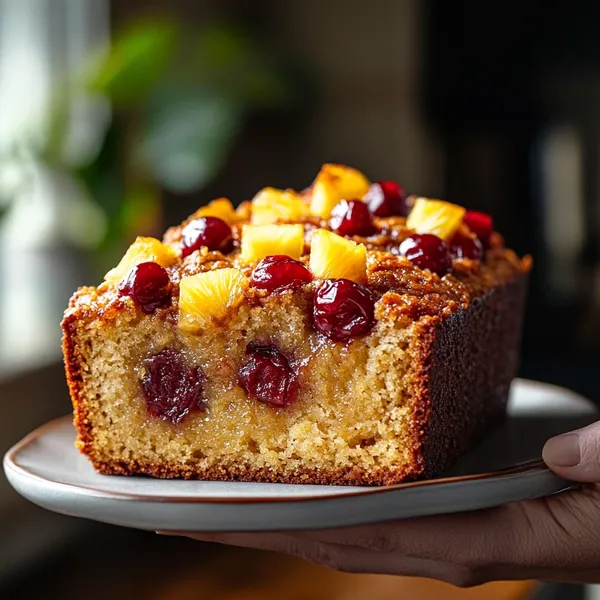
This lemon rhubarb loaf is wonderfully adaptable to suit different tastes and ingredients. For a citrus twist, you can replace the lemon with orange zest and juice for a softer, slightly sweeter flavor. To add texture, fold in chopped almonds, walnuts, or pecans. Poppy seeds also pair well with lemon and can be added for a mild crunch and visual appeal. If you prefer a berry-forward loaf, try substituting half of the rhubarb with diced strawberries or raspberries. The recipe can also be used to make muffins—just divide the batter into muffin tins and reduce the baking time to 20–25 minutes. For a dairy-free option, use almond or oat milk and substitute coconut oil or vegan butter. Gluten-free flour blends can be used in a 1:1 ratio if desired. These easy variations make it possible to tailor the loaf to different dietary needs or flavor preferences without sacrificing quality.
Serving Suggestions
Lemon rhubarb loaf is versatile and suits many occasions. Serve it slightly warm with a pat of butter for breakfast or brunch, or enjoy it at room temperature with a cup of tea or coffee in the afternoon. For a more indulgent dessert, top slices with whipped cream, mascarpone, or vanilla ice cream. It also makes a lovely addition to a spring picnic, baby shower, or weekend gathering. Cut it into thick slices and pack it in a lunchbox, or toast it lightly and drizzle with honey for a comforting evening snack. Its vibrant flavor makes it a crowd-pleaser any time.
How to Store & Freeze
To keep the loaf fresh, store it at room temperature in an airtight container or wrapped in plastic wrap for up to three days. If your kitchen is warm or humid, refrigerate it to extend freshness, though refrigeration may slightly firm the texture. For longer storage, the loaf freezes well. Wrap it tightly in plastic wrap and place it in a freezer-safe bag or container. You can freeze the whole loaf or individual slices for up to three months. To thaw, leave it at room temperature for a few hours or overnight in the fridge. For best texture, avoid microwaving directly from frozen. To reheat, warm slices in the oven at 300°F (150°C) for 5–10 minutes. If glazed, be aware that the glaze may absorb slightly during freezing but will still retain flavor. Freezing is a convenient way to enjoy this loaf at a later date without compromising taste.
Nutrition Information
Each slice of lemon rhubarb loaf contains approximately 200–250 calories, depending on portion size and glaze. A typical slice includes carbohydrates from flour and sugar, healthy fats from oil or butter, and a modest amount of protein from eggs and milk. The rhubarb adds some dietary fiber, while lemon provides vitamin C and antioxidants. For a lighter version, reduce the sugar or use low-fat milk. Swapping butter for applesauce or Greek yogurt can also lower fat content. While not a low-calorie dessert, this loaf offers a balanced, homemade option with fewer preservatives than store-bought baked goods.
Troubleshooting Common Issues
Loaf sinks in the middle: This often happens if the batter is overmixed, the oven temperature is too low, or the loaf is underbaked. Make sure to test with a toothpick and avoid opening the oven early.
Texture is gummy: Excess moisture from rhubarb or underbaking can cause a dense, sticky crumb. Drain frozen rhubarb thoroughly and measure flour accurately.
Loaf is too dry: Overbaking or using too little fat can dry out the loaf. Check your baking time and consider brushing the top with a little syrup after baking.
Glaze is too runny or thick: Adjust the lemon juice or powdered sugar gradually until you reach the desired consistency.
Loaf sticks to the pan: Grease the pan well and line with parchment paper for clean removal. These tips will help ensure consistent, delicious results every time you bake.
Frequently Asked Questions
Can I use frozen rhubarb instead of fresh?
Yes, you can use frozen rhubarb. Thaw it completely and drain any excess liquid before adding it to the batter to avoid too much moisture.
Do I need to peel rhubarb before using it?
No, peeling rhubarb is not necessary. The skin is edible and softens during baking. Simply wash and trim the ends before chopping.
Can I make this loaf gluten-free?
Yes, use a 1:1 gluten-free all-purpose flour blend. Check that your baking powder is gluten-free as well for a fully gluten-free version.
Can I reduce the sugar in the recipe?
You can reduce the sugar slightly, but it may affect the texture and flavor. Avoid cutting more than ¼ cup without testing the result first.
How do I know when rhubarb is ripe?
Rhubarb is typically ripe when the stalks are firm and brightly colored. Stalks should be at least 10 inches long. Avoid harvesting the toxic leaves.
History of Lemon and Rhubarb in Baking
Rhubarb has been used in baking since the 18th century, especially in pies and puddings throughout Europe and North America. Originally prized for its medicinal properties, it eventually gained culinary popularity for its tart flavor. Lemon has long been a staple in desserts due to its acidity and fresh aroma, helping to enhance other ingredients. The pairing of lemon and rhubarb likely developed in home kitchens, where the balance of sour rhubarb and sweet, aromatic lemon created a naturally complementary flavor profile. This combination is now a favorite in everything from tarts and crisps to cakes and quick breads.

Lemon Rhubarb Loaf with Glaze
This Lemon Rhubarb Loaf with Glaze is a moist, tender quick bread that perfectly balances tart rhubarb with bright citrus flavor. It’s easy to make with everyday ingredients and features a simple lemon glaze that adds just the right touch of sweetness. Ideal for spring and summer baking, this loaf makes a lovely addition to breakfast, brunch, or dessert tables. Serve it fresh, toasted, or with a dollop of whipped cream for an extra treat.
Ingredients
- 1 ½ cups all purpose flour
- 1 tsp baking powder
- ½ tsp baking soda
- ¼ tsp salt
- ½ cup unsalted butter, softened
- 1 cup granulated sugar
- 2 large eggs
- ¼ cup fresh lemon juice (about 1–2 lemons)
- 1 tbsp lemon zest
- ½ cup sour cream or Greek yogurt (both work!)
- 1 tsp vanilla extract
- 1 cup chopped fresh rhubarb
- ¾ cup powdered sugar
- 1–2 tbsp fresh lemon juice (adjust for consistency)
Instructions
- Preheat oven to 350°F (175°C). Grease a 9×5 inch loaf pan or line it with parchment paper.
- In a medium bowl, whisk together flour, baking powder, baking soda, and salt.
- In a large bowl, cream the butter and sugar until light and fluffy.
- Beat in eggs one at a time, then add lemon juice, lemon zest, vanilla extract, and sour cream or Greek yogurt. Mix until smooth.
- Gradually mix the dry ingredients into the wet until just combined—don’t overmix!
- Gently fold in the chopped rhubarb.
- Pour batter into the prepared pan and smooth the top.
- Bake for 50–60 minutes or until a toothpick inserted in the center comes out clean.
- Cool in the pan for 10 minutes, then transfer to a wire rack to cool completely.
- For the glaze, mix powdered sugar with lemon juice until smooth and pourable. Drizzle over the cooled loaf and let set.