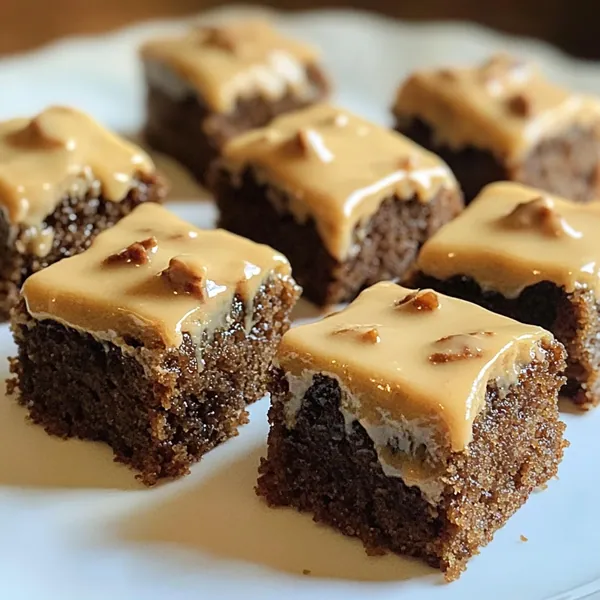
In this article
- A Slice of Northern Heritage in Every Bite
- Ingredients for Yorkshire Parkin
- Let’s Bake: Traditional Yorkshire Parkin
- Patience Pays Off – Parkin Gets Better with Time
- Why Medium Oatmeal Matters
- Tradition Meets Taste: Yorkshire vs Lancashire Parkin
- Ways to Serve Traditional Parkin
- Extra Tips & Twists
- FAQs & Final Thoughts
- Frequently Asked Questions
- Final Thoughts: The Humble Greatness of Parkin
A Slice of Northern Heritage in Every Bite
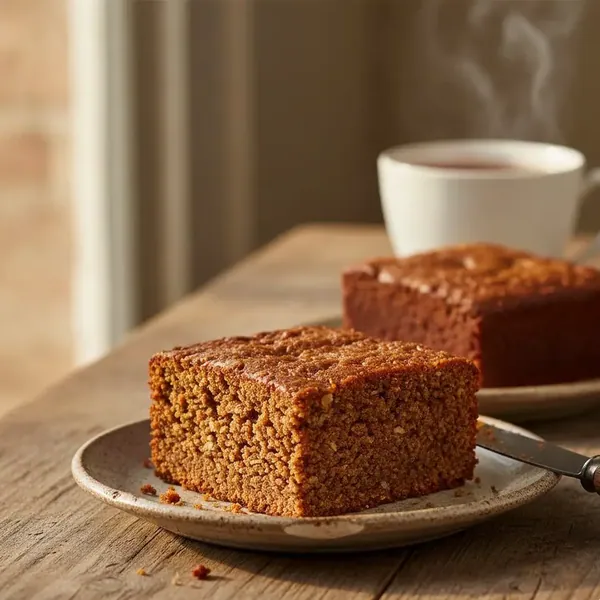
There are few things that say true Northern comfort quite like a thick, sticky slice of Yorkshire Parkin. This traditional gingerbread cake — rich with treacle, golden syrup, and the warming spice of ginger — is more than just a teatime treat. It’s history. It’s heritage. And it’s absolutely perfect with a mug of strong Yorkshire tea. Bonus points if it’s raining outside.
This recipe has been passed down through generations (my gran swore by it — and she wasn’t one to be argued with when it came to baking). What makes Yorkshire Parkin so special, apart from its dark sticky crumb and unmistakable spice, is that it’s meant to be eaten cold. Yes, really! None of that warm sponge stuff here. The magic happens after a day or two, when the sugar and treacle work their sticky wonders and the texture turns from crumbly to gloriously chewy.
It’s especially popular around Bonfire Night, but honestly, it deserves a place on the table year-round. It’s simple, economical, keeps for days (if not a week), and just gets better with time. So, shall we bake?
Ingredients for Yorkshire Parkin
-
200g medium oatmeal
-
200g self-raising flour
-
150g soft dark brown sugar
-
2 tsp ground ginger
-
1 tsp mixed spice
-
Pinch of salt
-
150g golden syrup
-
50g black treacle
-
150g unsalted butter
-
1 large egg
-
4 tbsp whole milk
This recipe yields 12 slices, each one around 290 calories of pure sticky spiced satisfaction.
Let’s Bake: Traditional Yorkshire Parkin
1. Preheat and Prep
Start by heating your oven to 160°C (fan). Line a 20cm square baking tin with parchment paper — leave some overhang for easy lifting later.
2. Combine the Dry Ingredients
In a large mixing bowl, stir together the medium oatmeal, self-raising flour, dark brown sugar, ground ginger, mixed spice, and a pinch of salt. This dry mix is the foundation of that beautifully crumbly base before it turns deliciously dense.
3. Melt the Sticky Mix
In a saucepan over low heat, melt the golden syrup, black treacle, and butter together. Stir occasionally until the mixture is smooth and combined, but don’t let it boil — you just want it melted and warm.
Tip: The smell at this stage is unbelievable — it’s like warm gingerbread hugs.
4. Combine Wet and Dry
Pour the warm syrup mixture into your bowl of dry ingredients. Mix everything together until it’s just combined — it will be a thick, slightly grainy batter, and that’s exactly how it should look.
5. Add the Egg and Milk
Beat the egg with the milk in a small jug, then stir it into the parkin mix to loosen things up. Once combined, pour the mixture into your prepared tin and level the top gently.
6. Bake
Bake for 40–45 minutes, or until the top is set, slightly springy, and a skewer inserted into the center comes out clean. It should be dark, golden, and aromatic.
7. Cool, Wrap, and Wait
Now here’s the hard part: let it cool completely in the tin. Then, wrap it in baking paper and foil, and place it in an airtight tin. Resist the urge to slice it right away.
You want to leave it for at least 2 days — ideally 3 — to let it mature. Trust me, it’s worth the wait.
Coming up in Part 2 → We’ll chat tips, tradition, the Yorkshire vs Lancashire parkin debate, and how to serve this cold classic like a true Northerner.

Patience Pays Off – Parkin Gets Better with Time
So, your parkin is baked, wrapped, and resting. Now comes the part that separates the Yorkshire faithful from the impatient bakers — the wait.
There’s a reason Grandma always made this days before Bonfire Night. Fresh from the oven, it’s soft and crumbly. But after a day or two tucked away in a tin, the brown sugar and treacle start pulling in moisture from the air. The texture transforms — becoming moist, sticky, chewy, and dense in the most glorious way. That’s when parkin really shines.
Why Medium Oatmeal Matters
If you’re new to baking parkin, you might be wondering: What exactly is medium oatmeal? It’s not the kind you spoon out for breakfast — medium oatmeal is ground oats, finer than rolled oats but coarser than flour. It’s the signature ingredient in traditional Yorkshire Parkin and gives it that unique texture — soft but with a bit of tooth.
Can’t find it? You can pulse rolled oats in a food processor until they resemble a coarse flour. It’s not exactly the same, but it works in a pinch and keeps the rustic charm.
Tradition Meets Taste: Yorkshire vs Lancashire Parkin
Let’s address the slightly controversial topic — the Yorkshire vs Lancashire parkin rivalry. If you’ve ever brought parkin to a family gathering, you’ve probably had an auntie declare, “That’s not how our parkin was made!”
So here’s the basic difference:
-
Yorkshire Parkin (like this recipe) uses both black treacle and golden syrup, making it darker, denser, and stickier over time. It has more ginger and that distinctive oaty chew.
-
Lancashire Parkin tends to lean more on golden syrup alone, is lighter in color and texture, and has a slightly more cake-like finish.
Both are delicious. Both are steeped in tradition. But if you ask a proud Yorkshire baker, only one is the real deal — and it’s this one.
Ways to Serve Traditional Parkin
As mentioned earlier, Yorkshire Parkin is best served cold — ideally 2–3 days after baking. But how you eat it? That’s up to you:
-
The Classic Way: Thick slice, cold from the tin, with a mug of strong Yorkshire tea.
-
With Cheese: Yes, you read that right. Try it with a wedge of Wensleydale or crumbly Lancashire cheese. The contrast is absolutely divine — sweet, spiced, and sharp.
-
Warmed Slightly: Pop it in the microwave for 10 seconds to soften just a touch — not traditional, but lovely all the same.
-
Bonfire Night Favourite: Serve with baked potatoes, treacle toffee, and fireworks lighting up the sky. Bliss.
Extra Tips & Twists
Want to take your parkin up a notch? Here are a few ideas:
-
Add stem ginger: Stir in 1–2 tbsp chopped stem ginger (from a jar) to the batter for an extra gingery punch.
-
Black pepper: Just a pinch — it intensifies the ginger without making it spicy.
-
Molasses swap: No black treacle? Use dark molasses as a substitute.
-
Cut small: Parkin is rich — cut into 12–16 small squares for perfect little bites.
In Part 3 → We’ll answer your most common parkin questions and wrap things up with a proper Northern send-off.
FAQs & Final Thoughts
Now that you’ve got your Yorkshire Parkin tucked away in a tin, just waiting to reach its full sticky glory, let’s tackle a few questions I know you might have. Whether you’re baking this for the first time or just looking to fine-tune your technique, these FAQs should have you covered.
Frequently Asked Questions
1. Why does Yorkshire Parkin need to rest before eating?
Parkin contains dark brown sugar and treacle, both of which are hygroscopic — meaning they pull in moisture from the air. This makes the texture denser, stickier, and more traditionally chewy with time. Give it at least 2–3 days, but if you can wait a full week, even better!
2. What if I can’t find medium oatmeal?
No stress! Just blitz rolled oats in a food processor until they resemble coarse flour. Avoid using instant oats or fine oatmeal, as they won’t give the same texture.
3. Can I serve it warm?
Traditionally, no — Yorkshire Parkin is meant to be eaten cold. But if you’re curious, you can gently warm a slice in the microwave for about 10–15 seconds. Just don’t skip the resting period — that stickiness needs time to develop.
4. How do I store it properly?
Wrap the cooled parkin in baking parchment and foil, then pop it into an airtight tin. Store it in a cool, dry place (not the fridge). It’ll last up to a week — maybe more — and will only get better with age.
5. Can I freeze it?
Yes! Once it has matured for a few days, slice it into squares, wrap tightly in cling film and foil, and freeze for up to 2 months. Thaw at room temperature when ready to eat.
6. What’s the difference between black treacle and molasses?
They’re similar but not identical. Black treacle has a slightly bitter, smoky edge and is thicker and darker than standard molasses. You can substitute molasses in this recipe, but the flavor will be a bit lighter and less intense.
7. Can I double the recipe?
Absolutely! Just use a larger baking tin, and you may need to add 5–10 minutes to the bake time. Keep an eye on the top — it should be just firm and a skewer should come out clean.
Final Thoughts: The Humble Greatness of Parkin
There’s something incredibly grounding about baking a tray of Yorkshire Parkin. It’s not flashy. It doesn’t need frosting or swirls or layers. It’s humble, hearty, and steeped in tradition — the kind of recipe that connects you to past generations with every sticky bite.
Whether you’re making it for Bonfire Night, for afternoon tea, or just because you fancy a proper old-fashioned bake, parkin is the kind of treat that rewards your patience — and then some.
So, wrap it up, pop the kettle on, and make sure your tin is hidden well. Because once your family tastes it, it won’t last long.
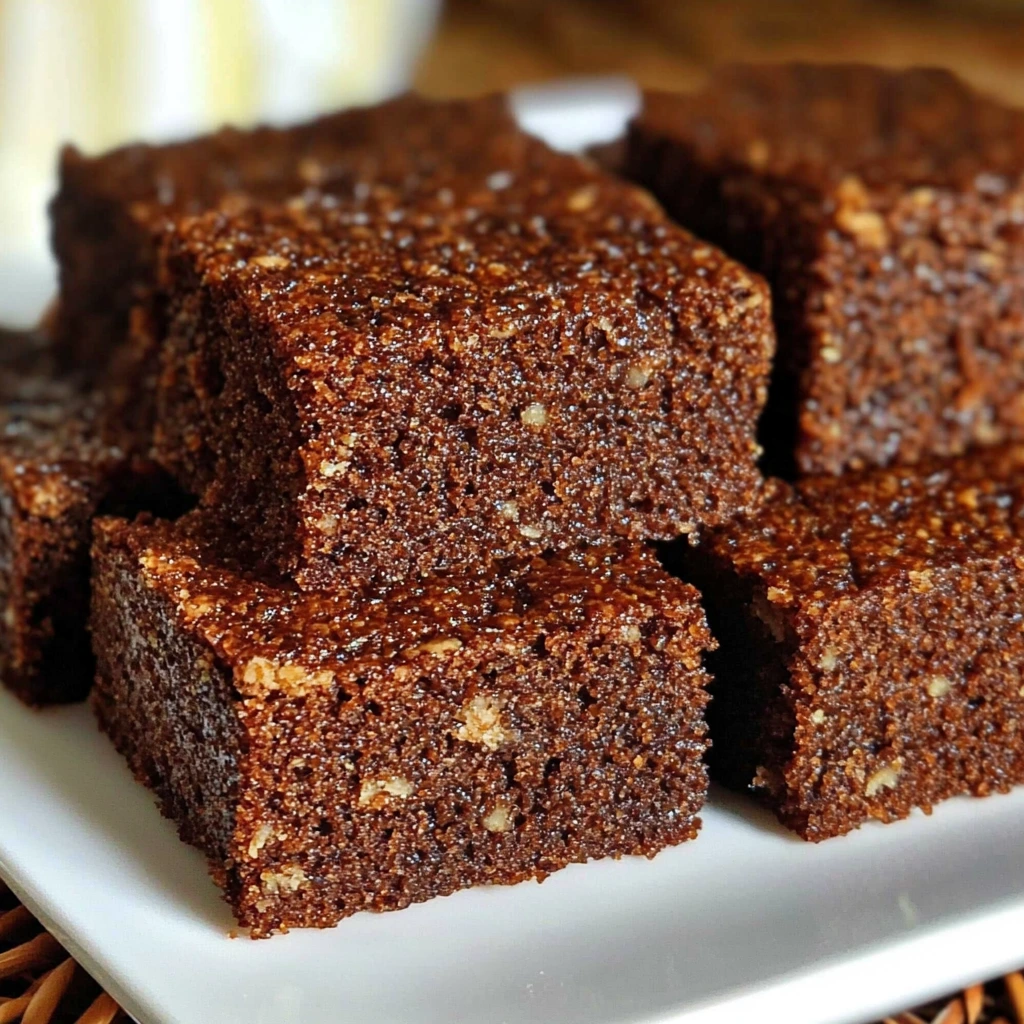
Traditional Yorkshire Parkin Recipe: Sticky, Spicy, and Best Served Cold
Sticky, dark, and oaty, this traditional Yorkshire Parkin recipe is a proper Northern treat best served cold after resting for a few days.
Ingredients
- 200g medium oatmeal
- 200g self-raising flour
- 150g soft dark brown sugar
- 2 tsp ground ginger
- 1 tsp mixed spice
- Pinch of salt
- 150g golden syrup
- 50g black treacle
- 150g unsalted butter
- 1 large egg
- 4 tbsp whole milk
Instructions
- Preheat oven to 160°C (fan). Line a 20cm square tin with parchment paper.
- In a large bowl, combine oatmeal, flour, sugar, spices, and salt.
- In a saucepan, gently melt golden syrup, treacle, and butter until smooth.
- Pour the warm syrup mixture into the dry ingredients and mix well.
- Beat egg and milk together and stir into the mixture to loosen the batter.
- Pour into tin, level the top, and bake for 40–45 minutes or until a skewer comes out clean.
- Cool completely in the tin.
- Wrap in baking paper and foil, and store in an airtight tin for at least 2 days before slicing. Serve cold.