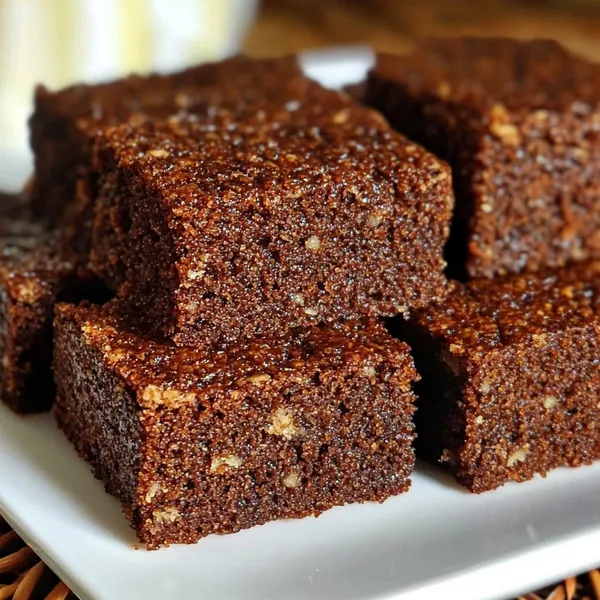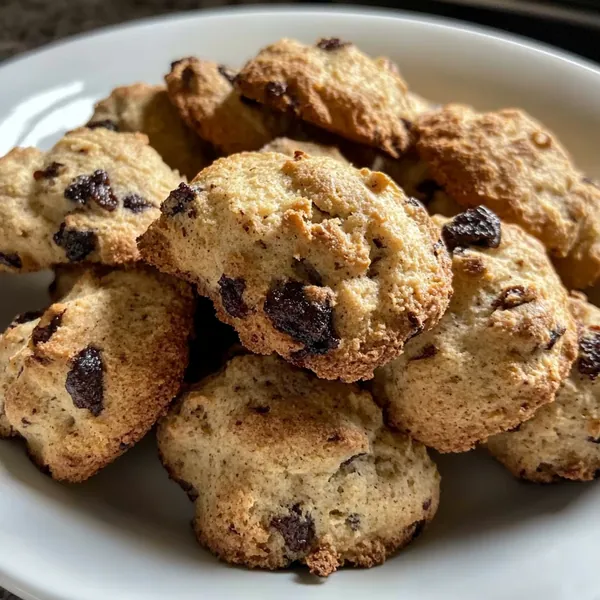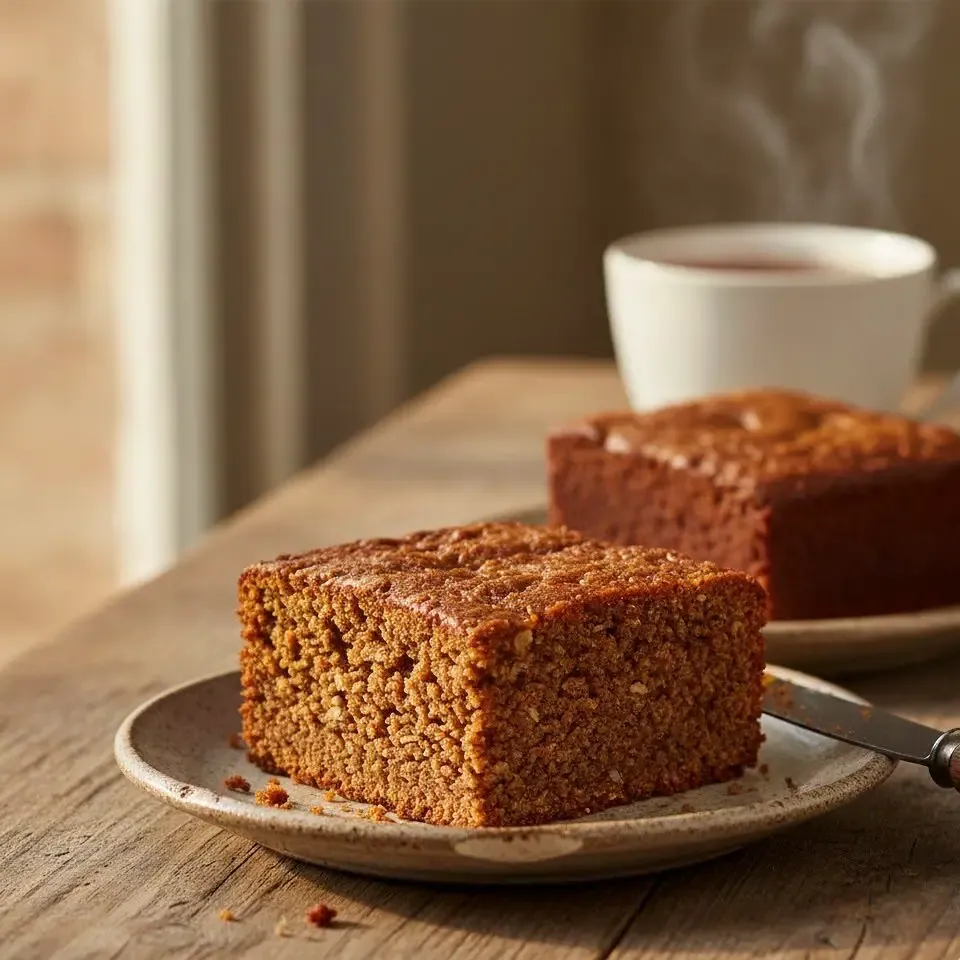
This traditional Yorkshire parkin recipe produces a beautifully sticky, spiced ginger cake packed with oatmeal and black treacle. I first tasted proper parkin at a Bonfire Night gathering in Harrogate, and Evelyn has kept this recipe close to her heart ever since. In this guide, you will learn how to mix, bake, and mature a truly authentic Yorkshire parkin that improves with every passing day. Whether you serve it at a fireworks party or enjoy a thick slice with your afternoon tea, this deeply warming cake delivers unmistakable northern comfort.
What Is Yorkshire Parkin?
Yorkshire parkin is a dense, moist ginger cake that belongs firmly to the baking traditions of northern England. Unlike a standard sponge or a light Victoria sandwich, parkin relies on medium oatmeal and black treacle to create its signature chewy, sticky texture. The earliest recorded mention of parkin dates back to 1728, when court records from the West Riding Quarter Sessions in Yorkshire described a woman accused of stealing oatmeal to make it. Historians believe the cake evolved from “tharf cake,” an older unsweetened oat griddle cake that northern families baked after the autumn harvest.
Parkin holds a special place in the calendar because it connects directly to Bonfire Night on November 5th. Families across Yorkshire, Lancashire, and the wider north of England bake parkin in late October and store it in tins to mature, timing it so the cake reaches peak stickiness just as the fireworks light up the sky. In parts of Yorkshire, the first Sunday of November still carries the name “Parkin Sunday,” a nod to this centuries-old tradition.
What sets Yorkshire parkin apart from similar regional cakes is its bold use of black treacle rather than golden syrup alone. Lancashire parkin, by contrast, leans more heavily on golden syrup and produces a lighter, sweeter result. The Yorkshire version delivers a deeper, more robust flavour with a gorgeous dark colour and a gentle bitterness that balances the sweetness of the syrup. If you enjoy heritage baking like our traditional Welsh bara brith or our Dundee cake recipe, Yorkshire parkin sits proudly in the same tradition of lovingly aged British bakes.
Ingredients for Authentic Yorkshire Parkin
Every ingredient in this recipe plays a distinct role in building the flavour and texture that make Yorkshire parkin so irresistible. Read through the complete list before you begin so that everything sits ready on your worktop.
| Ingredient | Quantity | Notes |
|---|---|---|
| Self-raising flour | 200 g | Sifted |
| Medium oatmeal | 200 g | Not porridge oats; medium-ground oatmeal |
| Soft light brown sugar | 150 g | Dark brown sugar works too for deeper flavour |
| Black treacle | 150 g | The essential Yorkshire ingredient |
| Golden syrup | 150 g | Balances the bitterness of treacle |
| Unsalted butter | 150 g | Cut into cubes for even melting |
| Whole milk | 100 ml | At room temperature |
| Large egg | 1 | At room temperature |
| Ground ginger | 2 tsp | Use freshly opened for strongest heat |
| Mixed spice | 1 tsp | Adds warmth and depth |
| Salt | Pinch | Fine sea salt preferred |
Understanding Black Treacle
Black treacle forms the backbone of authentic Yorkshire parkin. This thick, dark syrup carries a deep, slightly bitter, almost smoky flavour that you simply cannot replicate with golden syrup alone. Lyle’s Black Treacle remains the most widely available brand in UK supermarkets. When measuring treacle, lightly oil your tablespoon or use a warmed metal spoon so the sticky syrup slides off cleanly. According to the British Nutrition Foundation, black treacle contains notable levels of iron, calcium, and potassium, making it a more mineral-rich sweetener than refined white sugar.
The Importance of Medium Oatmeal
Medium oatmeal gives parkin its distinctive gritty, chewy bite. Do not confuse it with porridge oats (rolled oats), which are flatter and softer. Medium oatmeal holds its texture through baking and absorbs moisture from the treacle during the maturing process, which is exactly why parkin grows stickier and more delicious over several days. You can find medium oatmeal in the baking aisle of most supermarkets or from online suppliers. If you cannot source it, pulse porridge oats in a food processor for a few seconds to create a coarser texture, but the result will differ slightly from the traditional version.
Smart Substitutions
For a vegan Yorkshire parkin, replace the butter with a plant-based block margarine and use a flax egg (1 tablespoon ground flaxseed mixed with 3 tablespoons warm water, left to gel for 10 minutes) instead of the hen egg. Swap the whole milk for oat milk. The treacle and golden syrup remain naturally vegan. If you want a gluten-free version, use a gluten-free self-raising flour blend and certified gluten-free oatmeal. Our classic flapjack recipe uses a similar oat and golden syrup base if you want to compare textures.
Equipment You Need
Yorkshire parkin requires no specialist equipment. Gather these simple tools before you start:
- A 20 cm square cake tin (deep-sided)
- Baking parchment for lining
- A large mixing bowl
- A medium saucepan (at least 2 litres capacity)
- A wooden spoon or heatproof spatula
- A fine-mesh sieve
- A wire cooling rack
- Cling film and foil for wrapping
- An airtight tin for storing
The saucepan needs enough room to hold the butter, treacle, syrup, and sugar together without risk of overflow when you stir. A heavy-bottomed pan distributes heat more evenly and prevents the sugar from catching on the base.
How to Make Yorkshire Parkin (Step-by-Step)
Follow these detailed steps precisely and your parkin will develop that coveted sticky, gingery perfection that defines the real Yorkshire version.
Preparing the Tin
Step 1: Preheat and Line Your Tin
Set your oven to 160 degrees Celsius (fan). Grease your 20 cm square cake tin with a little butter, then line the base and sides with baking parchment. Let the parchment overhang the edges by about 2 cm so you can lift the parkin out easily once it cools completely.
Mixing the Dry Ingredients
Step 2: Combine the Flour, Oatmeal, and Spices
Place the sifted self-raising flour, medium oatmeal, ground ginger, mixed spice, and salt into a large mixing bowl. Stir everything together with a wooden spoon until the spices distribute evenly through the oatmeal and flour. You will notice the ginger gives the dry mixture a faintly warm aroma even before baking.
Melting the Wet Ingredients
Step 3: Melt the Butter, Treacle, Syrup, and Sugar
Cut the butter into cubes and place it in a medium saucepan along with the black treacle, golden syrup, and soft light brown sugar. Set the pan over a low heat and stir gently with a wooden spoon. Keep the heat low and resist the urge to rush this step. You want the butter to melt and the sugar to dissolve into a smooth, glossy liquid without reaching a boil. Boiling at this stage can cause the sugar to caramelise unevenly and create a gritty texture.
[!TIP] Weigh the treacle and golden syrup directly into the saucepan by placing the pan on your scales and zeroing between additions. This avoids the messy job of scraping sticky syrup out of measuring jugs.
Building the Batter
Step 4: Combine Wet and Dry Mixtures
Pour the warm (not hot) treacle mixture into the bowl of dry ingredients. Stir firmly with a wooden spoon until everything combines into a thick, dark, glossy batter. Work quickly but thoroughly so that every pocket of flour absorbs the syrup mixture.
Step 5: Add the Egg and Milk
Beat the egg lightly in a small jug, then add the whole milk and whisk together. Pour this into the batter and stir until you achieve a smooth, pourable consistency. The batter will look quite wet and loose compared to a standard cake batter. Do not worry; this is exactly right. The oatmeal absorbs a huge amount of liquid during baking and maturing, which creates that famous sticky texture.
Baking the Parkin
Step 6: Pour and Bake
Pour the batter into your prepared tin and gently smooth the surface with the back of a spoon. Place the tin on the middle shelf of the oven and bake for 50 to 55 minutes. The parkin is ready when the surface feels firm and springy to a gentle press but the centre still carries a slight softness. A skewer inserted into the middle should come out with just a few moist crumbs clinging to it, not wet batter. Do not overbake; a dry parkin misses the entire point of this recipe. According to The English Heritage, oatmeal-based cakes like parkin have formed part of northern English celebrations for centuries, and the key to their appeal always lies in retaining moisture.
Cooling and Wrapping
Step 7: Cool Completely in the Tin
Remove the tin from the oven and set it on a wire rack. Leave the parkin to cool completely inside the tin. This takes at least two hours. The cake firms up as it cools and becomes much easier to handle. Resist cutting into it at this stage, no matter how tempting the aroma.
Step 8: Wrap Tightly for Maturing
Once fully cool, lift the parkin out of the tin using the parchment overhang. Wrap it tightly in a fresh sheet of baking parchment, then wrap that parcel in a layer of foil. This double wrapping locks in moisture and allows the cake to steam gently inside its own residual warmth. Place the wrapped parkin in an airtight tin and store it in a cool, dry place (not the fridge) for at least two to three days before slicing.
The Maturing Process
Step 9: Wait and Let the Magic Happen
This is the most important step and the one that separates a good parkin from a truly outstanding one. During the two- to three-day rest, the oatmeal absorbs moisture from the treacle and syrup, transforming the crumb from slightly cakey into gloriously sticky, dense, and chewy. Many Yorkshire bakers insist that parkin reaches its peak after five to seven days of maturing. The ginger flavour mellows, the sweetness rounds out, and the whole cake develops a deep, complex character that freshly baked parkin simply cannot match. If you enjoy recipes that improve with time, you will love how our traditional butterscotch tart develops its caramel depth overnight in a similar way.
Troubleshooting Your Yorkshire Parkin
Even straightforward recipes can go sideways. Here are the most common issues and how to prevent them.
Why Is My Parkin Dry and Crumbly?
A dry parkin almost always means overbaking. The cake should still feel slightly soft and springy when you remove it from the oven. Check your oven temperature with an oven thermometer, as many domestic ovens run 10 to 15 degrees hotter than the dial suggests. Also confirm you measured the treacle and golden syrup accurately; too little syrup leaves insufficient moisture for the oatmeal to absorb.
My Parkin Sank in the Middle
A sinking centre usually results from opening the oven door during the first 30 minutes of baking. The sudden drop in temperature collapses the raising agent before the structure sets. Keep the door firmly shut until the final 10 minutes. An expired baking powder also causes sinking, so check the date on your tin before you start.
The Batter Looks Too Wet and Runny
Yorkshire parkin batter is meant to look wetter and thinner than a typical cake batter. The medium oatmeal needs that extra liquid so it can absorb moisture during baking and the subsequent maturing period. Trust the process and pour it into your tin as directed. The finished cake will set beautifully.
Why Does My Parkin Taste Bitter?
Excessive bitterness usually comes from using too much black treacle relative to golden syrup. This recipe balances both at 150 g each, which creates a rich but not overwhelming flavour. If you prefer a milder taste, reduce the treacle to 100 g and increase the golden syrup to 200 g. This produces a lighter parkin closer to the Lancashire style.
How Do I Know When the Parkin Has Matured Enough?
Press the surface gently after two days of wrapping. If it feels noticeably stickier and denser than when it first cooled, the maturing process is working. The texture transforms most dramatically between days two and five. Slice a corner piece to test; the crumb should cling to the knife slightly and feel moist and chewy rather than dry or cakey.
Recipe Variations
Yorkshire parkin adapts well to different flavours and dietary needs while keeping its essential sticky character.
Stem Ginger Parkin
Fold 75 g of finely chopped crystallised stem ginger into the batter at the same stage as the egg and milk. The candied ginger pieces add pockets of intense heat and sweetness throughout the cake. This variation turns a traditional parkin into something truly special for a gift or a celebration.
Vegan Yorkshire Parkin
Replace the butter with 150 g plant-based block margarine and use a flax egg (1 tablespoon ground flaxseed mixed with 3 tablespoons warm water, left to gel for 10 minutes). Swap the milk for oat milk. The treacle, syrup, and oatmeal remain naturally plant-based. The vegan version matures just as well as the original.
Gluten-Free Parkin
Use a one-to-one gluten-free self-raising flour blend and certified gluten-free medium oatmeal. Add half a teaspoon of xanthan gum to help the crumb hold together. Our gluten-free biscuit recipe uses a similar approach for adapting traditional bakes.
Orange and Ginger Parkin
Add the finely grated zest of one large orange to the dry ingredients and replace the milk with freshly squeezed orange juice. The citrus lifts the heavy spices and gives the parkin a bright, fragrant note that pairs wonderfully with a cup of Earl Grey tea.
Serving and Storage
How to Serve Yorkshire Parkin
Always serve Yorkshire parkin cold, straight from the tin. Cut it into thick squares using a sharp knife. Traditional accompaniment means nothing more than a strong cup of tea or a mug of milky coffee. For a slightly more indulgent serving, spread a thin layer of salted butter over each slice. The butter melts gently against the warm spice and creates a gorgeous contrast of salt and sweet. You can also pair parkin with a dollop of British custard for a comforting winter dessert.
How to Store Yorkshire Parkin
Wrap the parkin tightly in baking parchment and foil, then place it in an airtight tin. Store in a cool, dry cupboard (not the fridge). The fridge draws moisture out of the cake and turns it hard. Properly stored, Yorkshire parkin keeps for up to two weeks and continues to improve throughout that time. Many experienced bakers consider the flavour at its absolute finest around day five to seven.
Can You Freeze Yorkshire Parkin?
Yes, Yorkshire parkin freezes extremely well. Wrap individual squares or the whole cake tightly in cling film, then foil, and place in a freezer-safe bag. Freeze for up to three months. Defrost at room temperature for several hours before serving. The texture returns to its sticky glory once fully thawed.
Frequently Asked Questions (FAQ)
What is the difference between Yorkshire parkin and gingerbread?
Yorkshire parkin uses medium oatmeal and black treacle as its defining ingredients, creating a dense, sticky, and chewy cake. Standard gingerbread typically uses only flour (no oatmeal) and relies on golden syrup or molasses, producing a lighter, more biscuit-like or sponge-like texture. Parkin also demands a maturing period of several days, which gingerbread does not.
Why do you have to wait before eating parkin?
The waiting period allows the medium oatmeal to absorb moisture from the treacle and golden syrup. This transforms the texture from slightly dry and crumbly (fresh from the oven) into gloriously sticky, dense, and chewy. The spices also mellow and develop more complex flavour notes during this resting time. Most Yorkshire bakers recommend waiting at least three days, with five to seven days producing the best results.
Can I use porridge oats instead of medium oatmeal?
You can substitute porridge oats (rolled oats) if medium oatmeal proves difficult to find. Pulse the oats briefly in a food processor to create a coarser texture that mimics oatmeal. However, the result will differ from the traditional version; porridge oats produce a softer, less gritty crumb. For the most authentic Yorkshire parkin, always use medium-ground oatmeal.
Is Yorkshire parkin the same as Lancashire parkin?
No, the two regional versions differ in several key ways. Yorkshire parkin uses a higher proportion of black treacle, which gives it a darker colour, deeper flavour, and more pronounced bitterness. Lancashire parkin favours golden syrup over treacle, resulting in a lighter, sweeter cake. Both versions use oatmeal and ginger, but the balance of syrups defines the regional character.
When is parkin traditionally eaten in the UK?
Yorkshire parkin connects most strongly to Bonfire Night (Guy Fawkes Night) on November 5th. Families across northern England bake it in late October so that it reaches peak stickiness in time for the celebrations. Historically, the first Sunday of November carried the name “Parkin Sunday.” Today, many people enjoy parkin throughout the autumn and winter months as a warming teatime treat.
Can I add nuts or dried fruit to parkin?
Absolutely. Chopped walnuts, pecans, or blanched almonds work beautifully. Add about 75 g of chopped nuts at the same stage as the egg and milk. For dried fruit, raisins, sultanas, or chopped dates all complement the spiced treacle flavour. Our cherry and coconut flapjack shows how well dried fruit pairs with oat-based bakes.
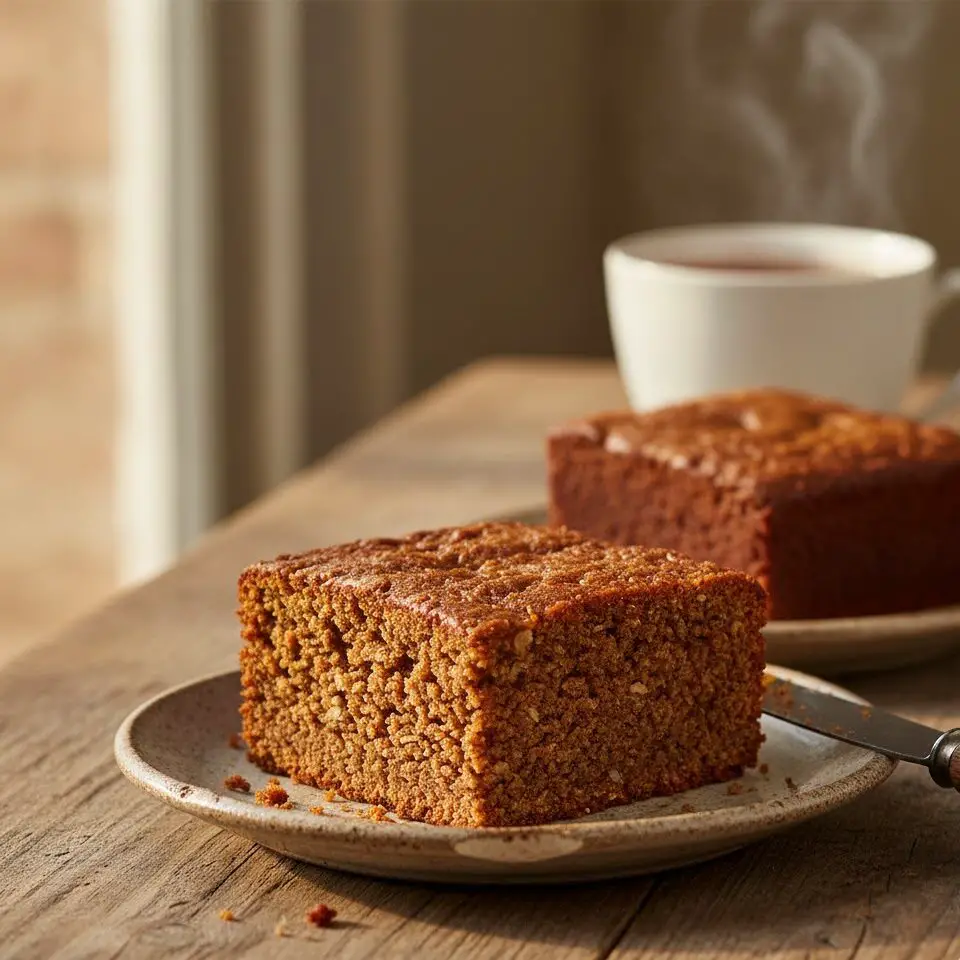
Traditional Yorkshire Parkin Recipe: Sticky Oatmeal Ginger Cake Served Cold
A traditional Yorkshire parkin made with medium oatmeal, black treacle, golden syrup, and warming ginger spice. This sticky, dense cake matures over several days for the best flavour and texture. Serves 12 squares.
Ingredients
- 200 g self-raising flour, sifted
- 200 g medium oatmeal
- 150 g soft light brown sugar
- 150 g black treacle
- 150 g golden syrup
- 150 g unsalted butter, cubed
- 100 ml whole milk
- 1 large egg
- 2 tsp ground ginger
- 1 tsp mixed spice
- Pinch of fine sea salt
Instructions
- Preheat the oven to 160 degrees Celsius (fan). Grease and line a 20 cm square cake tin with baking parchment, allowing the paper to overhang the edges.
- In a large bowl, combine the sifted self-raising flour, medium oatmeal, ground ginger, mixed spice, and salt. Stir until evenly distributed.
- Place the butter, black treacle, golden syrup, and brown sugar in a medium saucepan. Melt gently over a low heat, stirring until smooth. Do not allow the mixture to boil.
- Pour the warm treacle mixture into the bowl of dry ingredients. Stir well until fully combined into a thick, dark batter.
- Beat the egg with the milk in a small jug, then pour into the batter. Stir until smooth and pourable.
- Pour the batter into the prepared tin and smooth the surface. Bake for 50 to 55 minutes until firm and springy on top. A skewer should come out with just a few moist crumbs.
- Cool the parkin completely in the tin on a wire rack (approximately 2 hours).
- Lift the parkin out using the parchment overhang. Wrap tightly in fresh baking parchment, then foil. Store in an airtight tin in a cool, dry place.
- Leave to mature for at least 2 to 3 days before slicing. The parkin grows stickier and more flavourful with time, reaching its peak at 5 to 7 days.
Nutrition
- Serving
- 1 square
- Calories
- 290 calories
- Sugar
- 25
- Sodium
- 85
- Fat
- 12
- Saturatedfat
- 7
- Unsaturatedfat
- 4
- Transfat
- 0
- Carbohydrate
- 42
- Fiber
- 2
- Protein
- 4
- Cholesterol
- 35