In this article
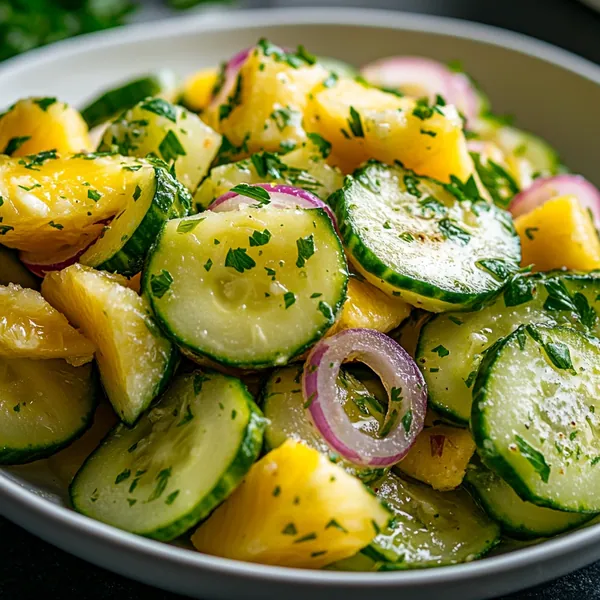
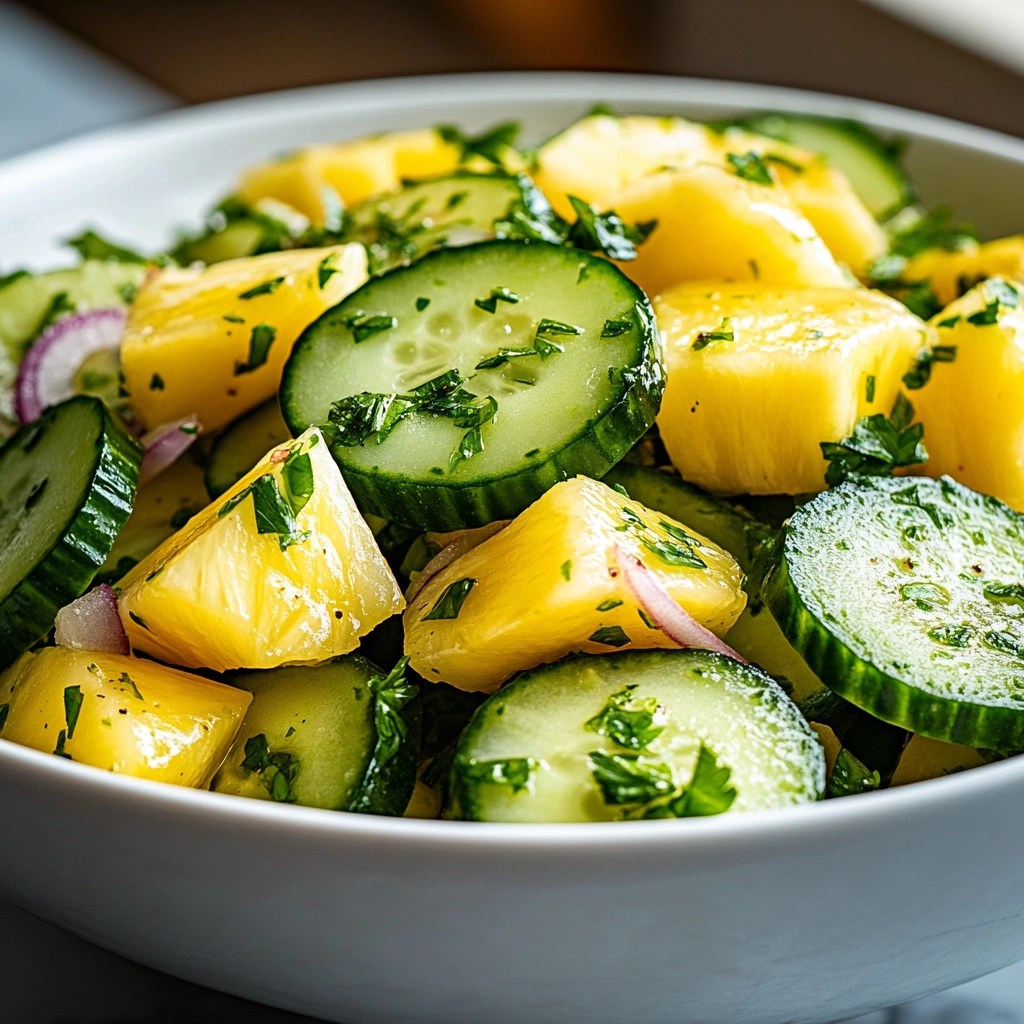
Pineapple cucumber salad is a vibrant, refreshing dish that marries the tropical sweetness of ripe pineapple with the crisp, cooling crunch of fresh cucumber. Perfect for warm-weather gatherings or as a revitalizing side at any meal, this salad offers a striking balance of flavors and textures. The bright golden hue of diced pineapple contrasts beautifully with the pale green ribbons of cucumber, creating an eye-catching presentation that invites everyone to take a taste. Beyond its visual appeal, this salad is remarkably simple to prepare, requiring only a handful of readily available ingredients and minimal time in the kitchen.
Ideal for picnics, barbecues, and potlucks, pineapple cucumber salad can be assembled ahead of time and chilled, allowing the flavors to meld and intensify. A zesty dressing—often built on lime juice, a touch of honey, and a hint of fresh herbs—brings it all together, lifting each bite with a subtle tang and a whisper of sweetness. Whether served alongside grilled seafood, barbecued meats, or as part of a plant-based spread, this salad adapts effortlessly to a variety of menus.
In creating this dish, you’ll discover how a few simple techniques—like properly coring a pineapple and draining cucumbers to prevent watery salad—can elevate the final result. Throughout this article, we’ll explore the healthful qualities of both pineapple and cucumber, delve into ingredient choices, walk through a step-by-step preparation method, and share expert tips to ensure your salad turns out perfectly every time. Prepare to add a burst of summer sunshine to your table with this delightful, nutrient-packed salad.
Health Benefits of Pineapple and Cucumber
Pineapple is celebrated not only for its tropical sweetness but also for its impressive nutritional profile. Rich in vitamin C, it supports immune function and skin health by promoting collagen synthesis. The presence of bromelain—an enzyme unique to pineapple—offers natural anti-inflammatory properties, aiding digestion and potentially reducing joint discomfort. Bromelain has been studied for its ability to break down proteins, which can facilitate digestive processes and help alleviate bloating after meals. Additionally, pineapple provides a range of B vitamins and essential minerals such as manganese, which plays a crucial role in metabolism and antioxidant defense.
Cucumber, composed of over 95% water, is a hydrating powerhouse that helps maintain fluid balance and supports healthy skin. Its high water content, coupled with electrolytes like potassium, makes it an excellent choice for restoring hydration in hot weather or after physical activity. Cucumbers also contain beneficial plant compounds, including flavonoids and tannins, which contribute antioxidant and anti-inflammatory effects. Although modest in calories, they deliver dietary fiber, promoting digestive regularity and contributing to a sense of fullness without excess caloric intake.
When combined, pineapple and cucumber create a synergistic duo: pineapple’s enzymes aid in breaking down proteins and enhancing nutrient absorption, while cucumber’s hydrating properties and fiber content help regulate digestion. This salad supports overall wellness by providing immune-boosting vitamins, anti-inflammatory compounds, and digestive-promoting enzymes, all in a single, delicious package that’s perfect for maintaining energy and vitality during long summer days.
Key Ingredients & Their Roles
At the heart of this salad are two star ingredients: pineapple and cucumber. Selecting a ripe pineapple means looking for a firm, fragrant fruit with a slight give when gently pressed; avoid overly soft spots or bruising. Ripe pineapple delivers the ideal balance of sweetness and acidity, ensuring each bite is juicy and flavorful. When preparing, be sure to remove the tough core and slice the fruit into bite-sized chunks for easy eating.
For the cucumber component, English cucumbers are often preferred for their thin skins, minimal seeds, and tender texture, but Persian or garden cucumbers can also be used. To prevent excess moisture, particularly with seed-heavy varieties, slice the cucumbers, sprinkle lightly with salt, and let them drain in a colander for ten minutes before patting dry. This step ensures the salad remains crisp without becoming watered down.
The dressing serves as the flavor bridge: freshly squeezed lime juice provides bright acidity, while a drizzle of honey balances it with gentle sweetness. A small amount of extra-virgin olive oil helps carry fat-soluble flavor compounds and improves mouthfeel. Fresh mint or cilantro leaves, chopped finely, introduce an herbal note that ties the tropical and garden elements together. Optional accents such as thinly sliced red onion add a mild sharpness, while a pinch of chili flakes brings a subtle heat that contrasts deliciously with the fruit’s sweetness.
Finally, textural contrasts can be heightened with toasted coconut flakes or slivered almonds, offering a nutty crunch that complements the soft fruit and crisp cucumber. Each ingredient plays a specific role—sweetness, acidity, hydration, crunch, and herbal lift—resulting in a harmonious salad that delights the senses and celebrates simple, fresh produce.

Step-by-Step Preparation
Begin by preparing your workspace and tools. You’ll need a sharp chef’s knife, a sturdy cutting board, a large mixing bowl, a small bowl for the dressing, and a whisk or fork.
1. Prep the Pineapple
Place the pineapple on its side and trim off the top and bottom. Stand it upright, slice away the skin in vertical strips, then remove any remaining “eyes” with the tip of your knife. Lay the pineapple on its side again and cut it into rounds about three-quarters of an inch thick. Remove the core from each round by cutting out the center triangle. Stack the rounds and dice into bite-sized pieces. Transfer to the large mixing bowl.
2. Slice and Drain the Cucumbers
Wash and trim the ends of two English cucumbers. Cut each cucumber in half lengthwise, then slice into half-moons about one-quarter inch thick. Place the slices in a colander, sprinkle with a teaspoon of salt, and let them sit for ten minutes. This draws out excess water, preventing a soggy salad. After draining, gently pat the cucumber slices dry with a clean kitchen towel or paper towels. Add to the bowl with pineapple.
3. Whisk the Dressing
In a small bowl, combine three tablespoons of fresh lime juice, one tablespoon of honey, and two tablespoons of extra-virgin olive oil. Season with a pinch of sea salt and a few grinds of black pepper. Whisk vigorously until the mixture emulsifies, forming a smooth, slightly thick dressing. Taste and adjust the sweetness or acidity as needed.
4. Add Fresh Herbs and Optional Accents
Chop a quarter cup of fresh mint leaves (or cilantro if preferred) and finely slice a quarter small red onion for a sharp contrast. If you’d like a bit of heat, add a quarter teaspoon of chili flakes. For extra texture, include two tablespoons of toasted coconut flakes or slivered almonds.
5. Toss and Chill
Pour the dressing over the pineapple and cucumber, then gently toss with a large spoon or salad tongs to ensure even coating. Cover the bowl with plastic wrap and refrigerate for at least fifteen minutes—up to thirty—to allow flavors to meld. Before serving, give the salad one final gentle stir, taste for seasoning, and adjust salt or lime juice if necessary. Serve chilled, garnished with a few fresh mint sprigs or a lime wedge on the side. Enjoy this bright, revitalizing salad as a star summer side dish.
Nutritional Information (Per Serving)
Each serving of pineapple cucumber salad delivers approximately 120–140 calories, making it an ideal light side or snack. The macronutrient breakdown typically falls around 2 grams of protein, 1 gram of fat, and 32 grams of carbohydrates, most of which come from naturally occurring sugars in pineapple and the fiber from cucumber. With about 3 grams of dietary fiber per portion, this salad supports digestive regularity and contributes to prolonged satiety.
Vitamin C is abundant, supplying over 40% of the recommended daily intake. This antioxidant nutrient helps protect cells from oxidative stress, supports collagen production for skin health, and enhances iron absorption. The salad also provides modest amounts of vitamin K (about 15% of daily needs), which plays a crucial role in blood clotting and bone metabolism. Manganese content is notable—roughly 25% of the daily value—thanks to pineapple; this mineral acts as a cofactor for enzymes involved in energy production and antioxidant defenses.
Electrolytes such as potassium (around 250 milligrams per serving) contribute to fluid balance and help maintain healthy blood pressure. The water-rich cucumber component (over 90% water by weight) amplifies hydration, while trace amounts of B vitamins (including thiamine and folate) support energy metabolism and nervous system function. Fat-soluble nutrients in the dressing, carried by olive oil, increase the absorption of compounds like beta-carotene from pineapple’s flesh.
Overall, pineapple cucumber salad is low in cholesterol and saturated fat, making it heart-healthy. Its combination of vitamins, minerals, fiber, and hydration properties not only refreshes but also nourishes, offering a balanced nutrient profile that makes every bite beneficial for metabolism, immune function, and overall well-being.
Variations & Creative Twists
While the classic pineapple cucumber salad is delightful on its own, you can customize it in countless ways to suit different tastes and occasions. For a tropical medley, swap half of the pineapple for diced mango or papaya. The extra sweetness and vibrant color transform the salad into an island-inspired treat. Alternatively, add a finely chopped jalapeño or a drizzle of sriracha for a spicy kick that contrasts beautifully with the fruit’s natural sugars.
Herbaceous variations introduce fresh complexity: replace mint with Thai basil or finely chopped cilantro for an Asian-influenced twist. A touch of grated ginger in the dressing amplifies the brightness and adds a warming aroma. To make the salad creamier, stir in a few tablespoons of Greek yogurt or coconut cream into the lime-honey dressing. This option pairs exceptionally well with grilled seafood, creating a richer mouthfeel.
For those seeking added protein, top the salad with grilled shrimp, seared scallops, or cubed halloumi cheese. The savory, slightly charred flavors of seafood and cheese complement the fruit and cucumber, turning the side dish into a satisfying main course. Toasted nuts and seeds—such as chopped macadamias, slivered almonds, or pumpkin seeds—lend extra crunch and healthy fats, making the salad more filling and nutrient-dense.
Adventurous cooks can experiment with fermenting a portion of the cucumber slices for twenty-four hours before assembly, introducing probiotics and a subtle tang. Alternatively, swap lime juice for calamansi or yuzu to play with citrus nuances. Seasonal fruit additions—like diced strawberries in spring or pomegranate arils in fall—extend the recipe’s appeal year-round. By mixing and matching these variations, you’ll keep the pineapple cucumber salad fresh, exciting, and perfectly suited to any menu or dietary preference.
Serving Suggestions & Pairings
Pineapple cucumber salad shines alongside grilled proteins such as chicken skewers, fish tacos, or pork chops. Its bright acidity and gentle sweetness cut through rich, smoky flavors, creating a harmonious balance on the plate. For a vegetarian spread, serve it alongside vegetable kebabs, hummus platters, or whole-grain pilafs to add a refreshing counterpoint.
In a picnic or potluck setting, present the salad in a clear glass bowl or individual mason jars, layering ingredients for visual appeal. Garnish each portion with a sprig of fresh mint or a thin lime wheel for an elegant touch. As part of a barbecue feast, pair it with corn on the cob, coleslaw, and chilled fruit-infused water to build a colorful, hydration-focused summer menu that keeps guests cool and satisfied.

Tips for Selection & Storage
When selecting produce, choose pineapple with a sweet, tropical aroma at the stem end. A slightly tender shell—without soft spots—signals ripeness. For cucumbers, look for firm, unblemished skins; English or Persian varieties are ideal for their thin skins and minimal seeds. Store whole pineapple at room temperature if you plan to use it within two days, then transfer to the refrigerator once cut.
After tossing the salad, keep it chilled in an airtight container for up to two days. To preserve crispness, drain any excess liquid before sealing. If you anticipate leftovers, store the dressing separately and dress individual portions just before serving to prevent sogginess. Avoid freezing, as high water content in both pineapple and cucumber causes textural degradation when thawed.
Frequently Asked Questions
Can I prepare this salad a day in advance?
Yes. To maintain optimal texture, prepare and mix ingredients, then refrigerate overnight. Drain any liquid before serving or toss with extra lime juice just before plating.
How can I prevent the cucumbers from making the salad watery?
After slicing, sprinkle cucumbers with salt and let them rest in a colander for ten minutes. Pat dry with a paper towel to remove excess moisture, then combine with pineapple.
What can I use as a lime juice substitute?
Fresh-squeezed lemon juice works well, though flavor will be slightly less bright. For a more exotic twist, try calamansi or yuzu if available.
Is there a vegan way to add creaminess?
Yes. Stir in a tablespoon of coconut cream or a dairy-free yogurt alternative into the dressing for a smooth, plant-based texture.
How long will leftovers stay fresh?
When stored properly in an airtight container, the salad remains crisp and flavorful for up to two days. After that, cucumber may soften, and flavors can become muted.
Conclusion & Final Tips
Pineapple cucumber salad offers a perfect marriage of sweet, tangy, and crisp elements, making it a standout addition to any meal. Its versatility allows for endless customization, from tropical fruit swaps to spicy and creamy variants. Nutrient-dense and hydrating, the salad supports overall wellness while delivering bright, summery flavors.
For best results, always choose ripe, fragrant pineapple and drain cucumbers thoroughly to preserve crunch. Prepare dressings and optional toppings—such as toasted nuts or fresh herbs—ahead of time to streamline assembly. Whether you’re hosting a backyard barbecue or seeking a quick weeknight side, this salad adds color, nutrition, and refreshing zest to the table. Experiment with the creative twists outlined above, and you’ll discover why this simple dish has become a seasonal favorite for cooks and guests alike.
Pineapple Cucumber Salad
Bright, refreshing, and irresistibly simple, this Pineapple Cucumber Salad brings together the natural sweetness of ripe pineapple and the cooling crunch of English cucumber for a vibrant side dish that’s perfect for summer gatherings, barbecues, or light lunches. Tossed in a zesty lime-honey dressing and accented with fresh mint, red onion, and a touch of chili flakes, each bite delivers a harmonious balance of sweet, tangy, and herbaceous flavors. Ready in under 20 minutes and easily made ahead, it’s as beautiful on the table as it is nourishing—packed with vitamins, hydration, and a hint of tropical flair.
Ingredients
- 2 cups fresh pineapple, diced
- 1 large cucumber, thinly sliced
- 1/4 red onion, finely sliced
- 1/2 teaspoon chili powder
- Juice of 1 lime
- 1 tablespoon honey or maple syrup
- 1/4 teaspoon salt
- Fresh cilantro or mint leaves, chopped (optional)
Instructions
- In a large bowl, combine the pineapple chunks, cucumber slices, and red onion.
- In a small mixing bowl, whisk together chili powder, lime juice, honey, and salt.
- Pour the dressing over the fruit and vegetables, then toss gently to coat.
- Let the salad sit for 10–15 minutes to allow flavors to meld.
- Garnish with fresh herbs before serving.