In this article
- What Makes It Mediterranean?
- Nutritional Benefits of Lentils in the Mediterranean Diet
- Ingredients Breakdown: What’s Typically Included?
- Choosing the Right Lentils
- Mediterranean Lentil Salad Variations
- Step-by-Step: How to Make Mediterranean Lentil Salad
- Pro Tips for Maximum Flavor
- Make-Ahead, Storage, and Meal Prep Ideas
- Serving Suggestions
- Common Mistakes to Avoid
- FAQs – Based on “People Also Ask”
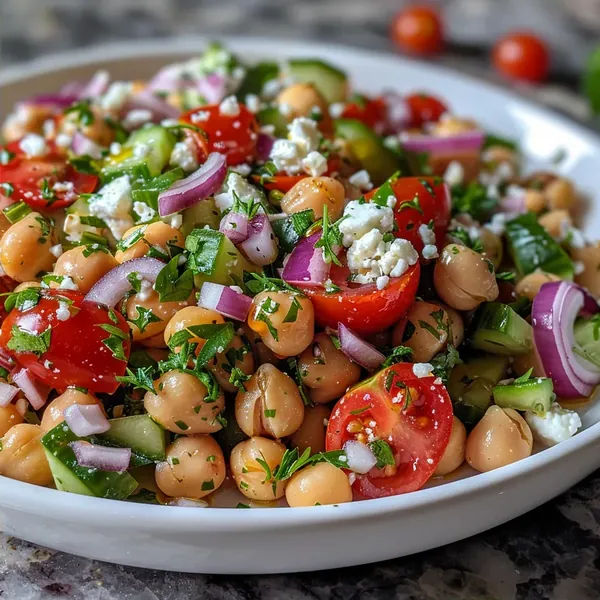
Mediterranean Lentil Salad is a vibrant, nutrient-packed dish that brings together the wholesome goodness of lentils with the bold, fresh flavors of the Mediterranean region. It’s more than just a salad—it’s a complete meal in a bowl that combines plant-based protein, crisp vegetables, aromatic herbs, and a zesty olive oil vinaigrette. Whether you’re looking for a light lunch, a satisfying side dish, or a hearty vegan dinner, this salad checks all the boxes for flavor, nutrition, and simplicity.
Rooted in the time-tested traditions of the Mediterranean diet, this lentil salad showcases ingredients like extra virgin olive oil, lemon juice, tomatoes, cucumber, red onion, and fresh parsley or mint. Lentils serve as the perfect base, offering fiber and protein that keep you full and energized. The beauty of this dish lies in its versatility—you can enjoy it warm or chilled, prep it ahead of time, and customize it with add-ins like feta cheese, olives, or grains like quinoa.
Beyond its incredible taste and texture, Mediterranean Lentil Salad is also a celebration of healthy eating. It’s naturally gluten-free, easy to make vegan, and loaded with antioxidants and heart-friendly nutrients. It’s a popular choice for those following a plant-forward or flexitarian diet, and it’s a favorite for meal preppers and home cooks who want something fresh, filling, and fuss-free.
In this article, we’ll dive into the ingredients, health benefits, and step-by-step process to make the perfect Mediterranean Lentil Salad—plus plenty of tips, variations, and answers to your top questions.
What Makes It Mediterranean?
What sets Mediterranean lentil salad apart from other lentil-based dishes is its vibrant use of fresh, simple ingredients that are hallmarks of the Mediterranean diet. The Mediterranean way of eating emphasizes whole foods, heart-healthy fats, fresh vegetables, legumes, and herbs—all of which come together beautifully in this salad.
The classic Mediterranean flavor profile features olive oil, lemon juice, garlic, and fresh herbs like parsley, mint, or oregano. These components are known for enhancing the natural taste of foods without overpowering them. A Mediterranean lentil salad often includes chopped tomatoes, cucumber, red onion, and sometimes tangy additions like kalamata olives, capers, or feta cheese.
The use of extra virgin olive oil as the base for the vinaigrette, along with citrus and herbs, makes the dressing light yet flavorful. These elements, combined with protein-rich lentils and raw vegetables, make the salad refreshing, satisfying, and full of contrasting textures.
In essence, Mediterranean lentil salad reflects the core principles of the Mediterranean diet: a focus on seasonal produce, plant-based protein, heart-healthy fats, and clean, natural flavors. It’s both nourishing and delicious, rooted in a culinary tradition that has been praised for its health benefits and simplicity.
Nutritional Benefits of Lentils in the Mediterranean Diet
Lentils are a nutritional powerhouse and a staple in many Mediterranean kitchens. As part of the legume family, they’re packed with fiber, protein, vitamins, and minerals, making them an essential ingredient in a balanced, plant-forward diet.
One of the standout health benefits of lentils is their high fiber content. Just one cup of cooked lentils provides around 15 grams of fiber, which supports digestive health, helps regulate blood sugar levels, and promotes a feeling of fullness. This makes lentils an excellent ingredient for those aiming to manage weight or support metabolic health.
Lentils are also rich in plant-based protein—about 18 grams per cooked cup—making them an ideal meat substitute in vegetarian and vegan diets. They contain essential nutrients like folate, iron, magnesium, and potassium, all of which play key roles in energy production, heart health, and immune function.
In the context of the Mediterranean diet, lentils contribute to heart health by lowering LDL cholesterol levels and reducing inflammation. Their low glycemic index helps maintain steady energy levels throughout the day, and their complex carbohydrates provide long-lasting fuel.
What’s more, lentils are naturally low in fat and free of cholesterol. Combined with olive oil, fresh vegetables, and herbs, they offer a complete, nutrient-dense dish that aligns perfectly with the Mediterranean approach to eating—wholesome, balanced, and full of flavor.
Ingredients Breakdown: What’s Typically Included?
A traditional Mediterranean lentil salad is built on a foundation of nutrient-dense ingredients that work in harmony to deliver both flavor and nutrition. Below is a breakdown of the most common components you’ll find in this refreshing, versatile salad.
Lentils
The star of the show, lentils are the protein-rich base. Green, brown, or black lentils are typically used for their ability to hold their shape after cooking. French green lentils (Puy lentils) or black beluga lentils are particularly favored for their firm texture.
Fresh Vegetables
Chopped vegetables add crunch, color, and freshness. Common choices include:
-
Cucumber – for a cool, crisp bite
-
Cherry or grape tomatoes – juicy and sweet
-
Red onion or shallots – for a mild, tangy kick
-
Bell pepper – adds color and a slight sweetness
Herbs
Fresh herbs are essential for flavor and aroma.
-
Parsley – the most traditional option
-
Mint – adds a refreshing contrast
-
Basil or dill – optional, but adds another layer of flavor
Dressing
The vinaigrette is simple but bold:
-
Extra virgin olive oil – the heart-healthy base
-
Fresh lemon juice – adds brightness and acidity
-
Garlic – finely minced or grated
-
Salt and pepper – to taste
-
Optional additions – Dijon mustard, red wine vinegar, cumin
Optional Add-ins
-
Feta cheese – for creaminess and saltiness (omit for vegan)
-
Kalamata olives – bring a briny depth
-
Capers or artichoke hearts – for an extra Mediterranean twist
-
Chickpeas – boost the protein content
-
Grains like quinoa or bulgur – for added fiber and texture
Each ingredient plays a role in making the salad not just delicious, but also visually appealing and nutritionally balanced. You can mix and match depending on your preferences or what you have on hand, making it one of the most adaptable salads out there.

Choosing the Right Lentils
The type of lentils you use can make or break your Mediterranean lentil salad. Not all lentils are created equal—some hold their shape beautifully after cooking, while others turn soft and mushy, which is better suited for soups or stews.
Best Lentils for Salad
-
French green lentils (Puy lentils): These are small, dark green, and slightly peppery. They’re known for their firm texture, making them ideal for salads that need to hold up over time.
-
Black beluga lentils: Named for their resemblance to caviar, these lentils have a shiny black appearance and retain their shape exceptionally well.
-
Brown or green lentils: More common and affordable, these can work if cooked carefully. Be sure to monitor cooking time closely to avoid over-softening.
Lentils to Avoid
-
Red or yellow lentils: These are split and cook quickly, resulting in a soft, almost pureed texture. They’re perfect for curries and soups but not suitable for salads.
Tips for Cooking Lentils for Salad
-
Rinse before cooking to remove dust or debris.
-
Simmer gently rather than boiling aggressively to avoid breaking them apart.
-
Cook just until tender—usually 15 to 25 minutes, depending on the variety.
-
Drain and cool immediately to stop cooking and retain a firm texture.
Choosing the right lentils ensures that your salad will have the proper bite and texture, making it enjoyable both fresh and as leftovers.
Mediterranean Lentil Salad Variations
One of the best things about Mediterranean lentil salad is its adaptability. Whether you’re working with dietary restrictions, personal taste preferences, or what’s already in your kitchen, there are countless ways to tweak this dish to make it your own.
Vegan Variation
Skip the feta cheese and stick to fresh vegetables, herbs, and lentils for a fully plant-based version. Add avocado slices or a sprinkle of nutritional yeast for creaminess and flavor depth.
Grain-Enhanced Version
To make the salad more filling, mix in cooked grains such as:
-
Quinoa – keeps it gluten-free and adds extra protein
-
Bulgur wheat – gives a chewy texture and Mediterranean authenticity
-
Farro or barley – for a hearty, nutty flavor
Protein-Packed Options
Add more protein with:
-
Grilled chicken or shrimp – for a non-vegetarian option
-
Tuna or canned sardines – classic Mediterranean additions
-
Chickpeas or white beans – keep it vegetarian and protein-rich
Flavor Twists
Spice things up with:
-
Sun-dried tomatoes – for a concentrated burst of umami
-
Roasted red peppers – add smokiness and sweetness
-
Spices like cumin, coriander, or smoked paprika – for a deeper flavor profile
Serving Styles
-
Serve over a bed of arugula or baby spinach for a lentil-green salad combo.
-
Stuff into pita bread with tzatziki for a Mediterranean wrap.
-
Top with a poached egg or hummus for a brunch twist.
These variations allow you to enjoy Mediterranean lentil salad in endless ways, making it perfect for any meal or occasion.
Step-by-Step: How to Make Mediterranean Lentil Salad
Creating a flavorful Mediterranean lentil salad is simple and doesn’t require any fancy techniques—just quality ingredients and a bit of prep. Here’s a step-by-step guide to make it from scratch.
1. Cook the Lentils
Start by rinsing 1 cup of dry green or black lentils under cold water. In a saucepan, combine the lentils with 3 cups of water and bring to a gentle boil. Reduce to a simmer and cook uncovered for 20–25 minutes, or until the lentils are tender but still firm. Drain and rinse with cold water to stop the cooking process.
2. Prepare the Vegetables
While the lentils cook, chop your vegetables. Dice 1 medium cucumber, halve 1 cup of cherry tomatoes, finely dice 1 small red onion, and dice 1 bell pepper. Feel free to add other vegetables like grated carrots or celery.
3. Chop the Herbs
Finely chop a generous handful of fresh parsley and, if desired, fresh mint. These herbs are key to the salad’s bright flavor and should be added fresh, not dried.
4. Make the Dressing
In a small bowl, whisk together:
-
3 tablespoons extra virgin olive oil
-
Juice of 1 lemon
-
1 minced garlic clove
-
Salt and black pepper to taste
Optional: Add 1 teaspoon Dijon mustard or a splash of red wine vinegar for extra tang.
5. Assemble the Salad
In a large mixing bowl, combine the cooled lentils, chopped vegetables, and herbs. Pour the dressing over and toss gently until everything is evenly coated. Taste and adjust seasoning if needed.
6. Let It Marinate
For the best flavor, refrigerate the salad for at least 30 minutes before serving. This allows the lentils to absorb the dressing and the flavors to meld together.
This base recipe is both nourishing and highly customizable, so feel free to adjust it based on your dietary needs or taste preferences.

Pro Tips for Maximum Flavor
Mediterranean lentil salad is already flavorful on its own, but a few strategic tweaks can elevate it to a whole new level. Here are some expert tips to bring out the best in your salad:
1. Use High-Quality Olive Oil
The dressing is simple, so a high-quality extra virgin olive oil will really shine. Look for cold-pressed options with a fruity, slightly peppery taste for the most impact.
2. Season Your Lentils While Cooking
Add a bay leaf or a crushed garlic clove to the cooking water for subtle flavor. Avoid adding salt too early, as it can toughen the lentils—season them lightly once they’re nearly done.
3. Don’t Skip the Resting Time
Letting the salad sit in the fridge for at least 30 minutes allows the lentils to soak up the vinaigrette and the flavors to meld. It tastes even better after a few hours or overnight.
4. Add Texture Layers
For crunch, try toasted pine nuts, slivered almonds, or sunflower seeds. These additions provide a contrast to the soft lentils and add richness.
5. Use Fresh Lemon Juice and Herbs
Bottled lemon juice and dried herbs just don’t compare. Fresh ingredients add a burst of flavor and brightness that’s key to Mediterranean cuisine.
6. Taste Before Serving
Always do a final taste test before serving. Lentils can absorb a lot of dressing, so you may need to add a little more lemon juice, olive oil, or salt just before plating.
Make-Ahead, Storage, and Meal Prep Ideas
Mediterranean lentil salad is a dream come true for meal prepping and make-ahead meals. It stores well, travels well, and tastes even better after the flavors have had time to develop.
Make-Ahead Tips
You can prepare the entire salad up to 2–3 days in advance. Store it in an airtight container in the fridge and give it a good stir before serving. If you’re adding delicate ingredients like avocado or fresh greens, add those just before serving to maintain texture.
Storage Instructions
-
Refrigerator: Store in an airtight container for up to 5 days. The lemon and olive oil help preserve freshness.
-
Freezer: Freezing isn’t recommended for this salad due to the fresh vegetables, which can become mushy after thawing. However, you can freeze cooked lentils separately and mix them in later.
Meal Prep Ideas
-
Lunch Bowls: Portion the salad into individual containers with a protein on the side, such as grilled chicken or tofu.
-
Pita Fillings: Stuff into whole grain pita pockets with hummus or tzatziki for a quick lunch.
-
Mediterranean Snack Boxes: Pair small servings with olives, cheese cubes, crackers, and nuts for a Mediterranean-style bento box.
Because of its sturdy ingredients, Mediterranean lentil salad stays crisp and flavorful for several days, making it a reliable go-to for busy weekdays or weekend meal planning.
Serving Suggestions
Mediterranean lentil salad is as versatile in serving as it is in flavor. Serve it chilled or at room temperature as a refreshing side dish at barbecues, picnics, or family dinners. It pairs well with grilled meats, roasted vegetables, or Mediterranean mains like falafel or spanakopita. For a more substantial meal, serve it over a bed of greens, scoop it into a pita with hummus, or top it with a fried egg or grilled fish. You can even use it as a base for grain bowls or power bowls with toppings like avocado, nuts, or seeds.
Common Mistakes to Avoid
While Mediterranean lentil salad is relatively easy to make, a few common mistakes can impact the final flavor and texture. Here’s what to watch out for:
1. Overcooking the Lentils
Lentils should be tender but firm. Overcooked lentils will become mushy and make the salad soggy.
2. Not Letting It Chill
Skipping the resting time can result in bland flavor. The ingredients need time to absorb the dressing for optimal taste.
3. Using Low-Quality Olive Oil
Since the dressing is simple, the quality of olive oil matters. A poor-quality oil can make the salad taste flat.
4. Overseasoning with Salt Early
Too much salt in the beginning can overpower the natural flavors. Taste and adjust only after the salad has marinated.
5. Forgetting Acid Balance
Not enough lemon juice can leave the salad tasting dull. Balance is key—adjust citrus and salt before serving.
FAQs – Based on “People Also Ask”
Q1: Is Mediterranean lentil salad healthy?
Yes, it’s incredibly healthy. Lentils are high in fiber and protein, making them excellent for heart health, digestion, and maintaining steady energy. Combined with fresh vegetables, olive oil, and herbs, the salad is rich in nutrients and low in processed ingredients.
Q2: Can I make this salad in advance?
Absolutely. In fact, it tastes better after sitting for a few hours or overnight. It’s a great option for make-ahead lunches, picnics, or meal prep.
Q3: What kind of lentils work best in salad?
French green lentils or black beluga lentils are ideal because they hold their shape well. Brown lentils are acceptable but can become soft if overcooked. Avoid red or yellow lentils, which tend to turn mushy.
Q4: How long can you store lentil salad in the fridge?
Properly stored in an airtight container, it lasts up to 5 days in the refrigerator. Stir before serving to redistribute the dressing and flavors.
Q5: Can you freeze lentil salad?
Freezing is not recommended for salads with fresh vegetables, as they can lose texture after thawing. You can, however, freeze the cooked lentils and add fresh veggies later.
Q6: What goes well with Mediterranean lentil salad?
It pairs well with grilled chicken, lamb, seafood, or vegetarian options like falafel or hummus. It also complements dishes like tabbouleh, couscous, or tzatziki.

Mediterranean Lentil Salad
This Mediterranean Lentil Salad is a fresh, protein-packed dish loaded with crisp vegetables, tender lentils, and a zesty lemon-olive oil vinaigrette. Inspired by classic Mediterranean flavors, it's a healthy and satisfying salad that’s perfect for lunch, meal prep, or as a side dish for your favorite grilled mains. Ready in under 45 minutes, this recipe is naturally gluten-free, easy to make vegan, and ideal for make-ahead meals. Serve it chilled or at room temperature—either way, it only gets better as the flavors marinate. Whether you're following the Mediterranean diet or just looking for a colorful, nutrient-dense salad that doesn’t compromise on taste, this one-bowl meal will become a staple in your kitchen.
Ingredients
- 1 cup of uncooked green lentils
- 1 large English or Persian cucumber, diced
- 1 red onion, diced
- Flat leaf parsley, chopped
- A handful of cherry tomatoes, halved
- A handful of Kalamata olives, chopped
- 1/3 cup of crumbled feta cheese
- 1 tablespoon of extra virgin olive oil
- 1 tablespoon of red wine vinegar
- Juice of one fresh lemon
- 2 teaspoons of Dijon mustard
- 1 teaspoon of honey
- 1 teaspoon of dried oregano
- Salt and freshly ground black pepper to taste
Instructions
- Begin by cooking the lentils. Rinse the lentils under cold water and add them to a saucepan with three cups of water. Bring this to a boil, then reduce the heat and let it simmer until the lentils are tender, which should take approximately 20 minutes.
- While the lentils are cooking, chop the cucumber, red onion, cherry tomatoes, and parsley. Halve the Kalamata olives.
- Once the lentils are cooked, drain the excess water and allow them to cool.
- Transfer the cooled lentils to a large bowl. Add the cucumber, red onion, tomatoes, parsley, and olives. Crumble the feta cheese over the top.
- In a small bowl, whisk together the olive oil, red wine vinegar, lemon juice, Dijon mustard, honey, and dried oregano. This will be your dressing.
- Pour the dressing over the salad and toss everything together. Season with salt and freshly ground black pepper to taste.