In this article
- Ingredient Spotlight
- Step-by-Step Recipe Instructions
- Variations of Beet Salad with Feta, Cucumbers, and Dill
- Serving Suggestions and Meal Pairings
- Expert Tips for the Best Beet Salad
- How to Store and Make Ahead
- Nutritional Breakdown and Health Benefits
- Common Mistakes to Avoid
- Frequently Asked Questions (FAQ)
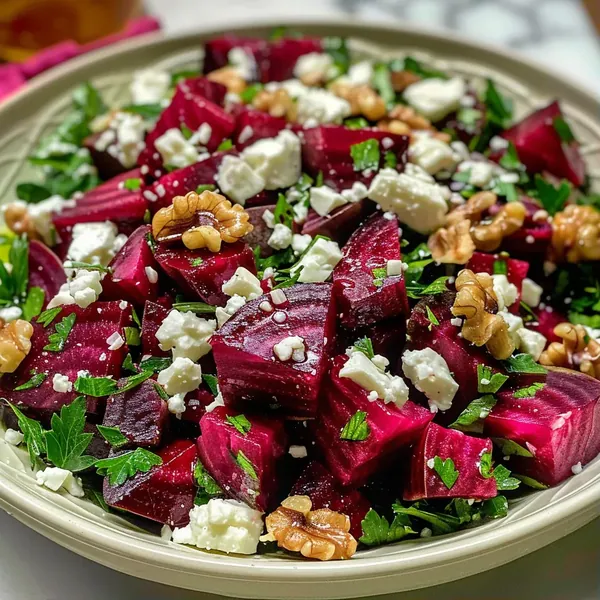
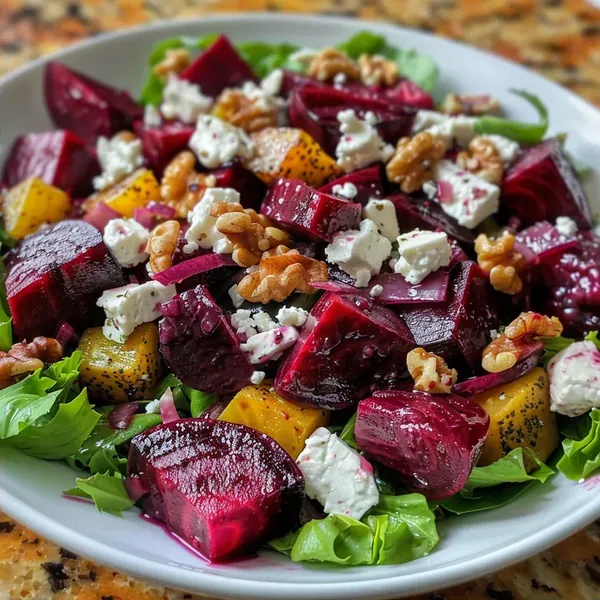
Beet salad with feta, cucumbers, and dill is a refreshing, vibrant dish that brings together earthy, creamy, tangy, and herbaceous flavors in one bowl. This salad is not only eye-catching with its jewel-toned beets and crumbled white feta, but it also offers a satisfying texture contrast—tender beets, crisp cucumbers, and creamy cheese, all elevated by the fresh aroma of dill.
This Mediterranean-inspired dish is perfect for warm-weather meals, potlucks, or a light yet nourishing lunch. It’s easy to prepare ahead, travels well, and can be served chilled or at room temperature. The ingredients are simple, but when combined, they offer a rich flavor experience that appeals to both health-conscious eaters and food lovers alike.
In addition to its taste and visual appeal, this salad is nutrient-dense. Beets are loaded with antioxidants, cucumbers are hydrating and low in calories, feta provides calcium and protein, and dill is a natural digestive aid. The versatility of this salad allows for countless variations, making it a staple in modern kitchens. Whether you’re making it as a side dish for grilled meats or a standalone vegetarian meal, beet salad with feta, cucumbers, and dill is a wholesome, elegant addition to any menu.
Ingredient Spotlight
Beets
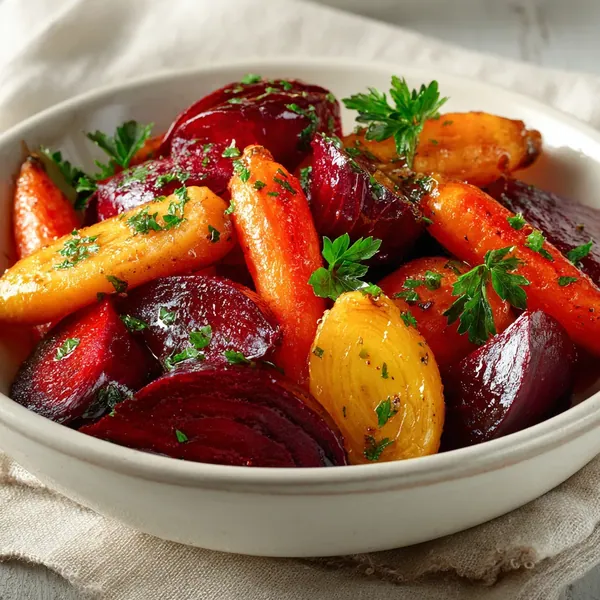
Beets are the heart of this salad, offering a deep, earthy sweetness and vibrant color. You can use red, golden, or even Chioggia (striped) beets. Red beets provide the most dramatic presentation, while golden beets are milder in flavor and less likely to stain. Roasting brings out their natural sugars, while boiling or steaming preserves their soft texture. Beets are rich in fiber, folate, and antioxidants like betalains, which support detoxification and heart health.
Feta Cheese
Feta adds the perfect salty, tangy contrast to sweet beets. Authentic Greek feta is made from sheep’s milk or a mixture of sheep’s and goat’s milk, giving it a rich flavor and crumbly texture. Feta is high in calcium and protein and provides a creamy bite that balances the salad’s texture. If you’re avoiding dairy, vegan feta alternatives made from tofu or cashews are also available and work well in this dish.
Cucumbers
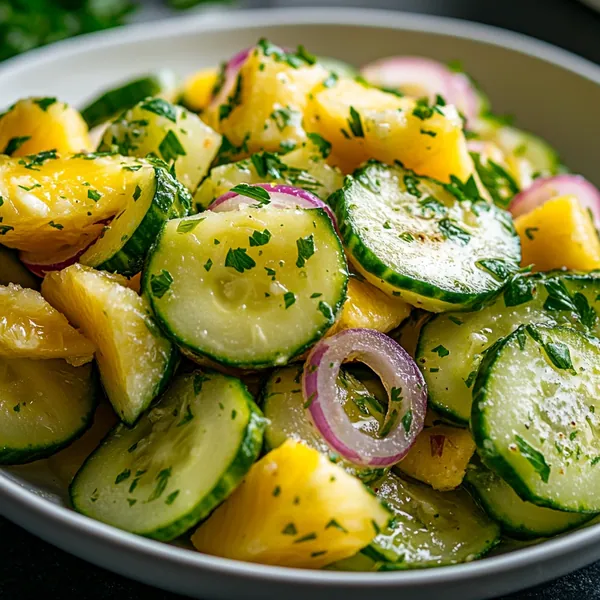
Cucumbers bring crunch and a fresh, cooling quality that lightens the overall flavor of the salad. English cucumbers or Persian cucumbers are ideal because they have thinner skins and fewer seeds. Slice them thinly or into half-moons for best texture. Their mild flavor lets the beets and feta shine while offering hydration and low-calorie bulk.
Dill
Fresh dill is a signature herb in this salad. It adds a slightly grassy, tangy flavor that complements both the beets and feta. Dill also has digestive properties and is commonly used in Mediterranean and Eastern European cooking. Use it generously, but always opt for fresh over dried for the most aromatic impact.

Step-by-Step Recipe Instructions
Ingredients:
-
3 medium beets, trimmed and scrubbed
-
1 large English cucumber, thinly sliced
-
1/2 cup crumbled feta cheese
-
2 tablespoons fresh dill, chopped
-
2 tablespoons olive oil
-
1 tablespoon red wine vinegar or lemon juice
-
Salt and pepper to taste
Instructions:
Step 1: Prepare the Beets
Start by cooking the beets. You can roast, boil, or steam them. For roasting, preheat your oven to 400°F (200°C). Wrap each beet in foil and roast for about 45–60 minutes, or until a knife slides in easily. Allow the beets to cool, then rub off the skins with a paper towel. For boiling, place the beets in a saucepan, cover with water, and boil for about 30–40 minutes.
Once peeled, slice the beets into wedges or cubes, depending on your texture preference. For a more elegant presentation, try thin rounds.
Step 2: Prepare the Cucumbers and Dill
While the beets are cooling, wash and thinly slice the cucumber. If using standard cucumbers, consider peeling and deseeding them to avoid bitterness. Chop the fresh dill finely, removing any thick stems.
Step 3: Make the Dressing
In a small bowl, whisk together the olive oil and red wine vinegar or lemon juice. Season with a pinch of salt and freshly ground black pepper. This simple vinaigrette will tie all the ingredients together.
Step 4: Assemble the Salad
In a large bowl or serving platter, arrange the sliced beets and cucumbers. Sprinkle the crumbled feta and chopped dill over the top. Drizzle with the dressing and gently toss or leave layered for a more striking presentation.
Step 5: Chill and Serve
For best flavor, refrigerate the salad for 30 minutes before serving. This allows the flavors to meld and the dressing to absorb into the vegetables. Serve chilled or at room temperature.
Variations of Beet Salad with Feta, Cucumbers, and Dill
This beet salad is highly adaptable, allowing you to tweak it based on dietary needs, seasonal produce, or personal preferences.
Add Crunch and Texture
For added texture and flavor, sprinkle chopped nuts or seeds over the top. Walnuts, pistachios, or sunflower seeds pair especially well. Toasted nuts enhance the earthy-sweet flavor of the beets and add healthy fats.
Introduce Leafy Greens
You can serve the beet salad over a bed of arugula, spinach, or mixed greens to bulk it up and turn it into a more substantial meal. Arugula adds peppery notes that contrast nicely with the sweetness of the beets.
Include Protein
To make this salad a complete meal, add grilled chicken, chickpeas, or lentils. These protein-rich additions keep the salad balanced and filling without overwhelming the original flavors.
Try Different Dressings
While a light vinaigrette works beautifully, you can switch it up with a lemon-tahini dressing, balsamic reduction, or even a yogurt-herb sauce. A creamy dressing works particularly well if you’re looking for a richer dish.
Make It Vegan
Substitute the feta with a plant-based cheese or marinated tofu to make the salad vegan. Be sure to use a vegan dressing as well, avoiding yogurt or honey-based versions.
Use Pickled or Canned Beets
If you’re short on time, canned or vacuum-packed cooked beets are a great shortcut. Pickled beets offer an extra tang but may need to be balanced with a sweeter dressing.
Serving Suggestions and Meal Pairings
Beet salad with feta, cucumbers, and dill is versatile and fits easily into a variety of meal plans. Serve it as a vibrant side dish for grilled meats, roasted chicken, or fish. It pairs especially well with Mediterranean mains like lamb kebabs, falafel, or baked salmon.
As a standalone dish, it works well for lunch or a light dinner. Add some crusty sourdough bread or pita on the side for a complete meal. You can also stuff it into pita pockets or wraps with hummus for a satisfying plant-based option.
In the summer, serve it chilled as a refreshing side during picnics or barbecues. In cooler months, pair it with a warm grain like quinoa or farro to make it heartier. This salad also holds up well in meal prep containers, making it an ideal candidate for weekday lunches or potluck contributions.
Expert Tips for the Best Beet Salad
To elevate your beet salad with feta, cucumbers, and dill, a few expert tips can make a big difference in flavor, texture, and presentation.
1. Roast Beets for Maximum Flavor
Roasting concentrates the natural sugars in beets, giving them a deeper, caramelized flavor compared to boiling. Wrap them in foil and roast until tender for best results.
2. Use Gloves to Handle Beets
Beets stain everything—hands, cutting boards, and counters. Use disposable gloves while peeling or slicing, and consider using a glass cutting board or parchment paper to avoid mess.
3. Choose High-Quality Feta
Opt for block-style feta stored in brine instead of pre-crumbled versions. It’s creamier, more flavorful, and holds its shape better in salads.
4. Don’t Overdress
Because feta is salty and beets are naturally sweet, go easy on the dressing. A light vinaigrette is all that’s needed. Add it just before serving to keep cucumbers crisp.
5. Chill for Better Flavor
Let the salad sit in the fridge for 30 minutes before serving. This allows the flavors to meld, and the beets absorb more of the dressing.
6. Slice Uniformly
Keep beet and cucumber slices similar in size for a balanced bite and attractive presentation.
How to Store and Make Ahead
Storage:
Beet salad stores well in the refrigerator for up to 3–4 days. Place it in an airtight container to maintain freshness. If you’ve already added the dressing, expect the cucumbers to lose some of their crunch over time. To preserve texture, you can store the dressing separately and mix it in just before serving.
Making Ahead:
This salad is ideal for prepping ahead. You can cook and slice the beets up to three days in advance and store them in the fridge. Chop the dill and crumble the feta the night before. Cucumbers should be sliced closer to serving time to prevent them from becoming soggy.
For the best texture and flavor, assemble all components just a few hours before serving and chill. If you’re preparing for a potluck or event, layer the ingredients in a serving bowl without tossing and add the dressing and dill on-site.
Freezing:
Freezing is not recommended. Cucumbers become watery when thawed, and feta cheese loses its texture. Beets can be frozen separately, but they’re best used freshly roasted or boiled for salads like this.

Nutritional Breakdown and Health Benefits
Beet salad with feta, cucumbers, and dill is not only delicious but also highly nutritious. Each ingredient contributes unique health benefits, making this dish a smart choice for a balanced diet.
Calories and Macronutrients (Per Serving):
-
Calories: ~180–220 kcal
-
Protein: 6–8g
-
Fat: 12–15g (mostly from olive oil and feta)
-
Carbohydrates: 12–15g
-
Fiber: 3–4g
Beets:
Rich in dietary nitrates, beets help improve blood flow and may reduce blood pressure. They also contain betaine, a nutrient that supports liver function, and are a good source of fiber, vitamin C, and folate.
Feta Cheese:
Feta is lower in fat and calories than many other cheeses. It provides calcium for bone health and protein for satiety. It also contains probiotics, which can support gut health, especially when consumed in unpasteurized forms.
Cucumbers:
Composed of over 90% water, cucumbers aid hydration. They’re low in calories, high in antioxidants like flavonoids and tannins, and may support digestive health due to their water and fiber content.
Dill:
Dill has antibacterial properties and is rich in vitamins A and C. It has long been used to support digestion and reduce inflammation.
This salad is naturally gluten-free and can be adapted to suit vegetarian or vegan diets with minor modifications.
Common Mistakes to Avoid
Even a simple salad can go wrong with a few common missteps. Avoid these pitfalls for the best results:
1. Overcooking the Beets
Beets should be fork-tender, not mushy. Overcooking them can cause them to lose their texture and bleed too much color into the rest of the salad. Roast or boil them just until tender.
2. Using Watery Cucumbers
Cucumbers with a high water content and large seeds can make your salad soggy. Choose English or Persian cucumbers, and consider deseeding them for better texture.
3. Overseasoning with Salt
Feta is naturally salty, so you may not need to add much—if any—extra salt. Always taste before seasoning.
4. Dressing Too Early
If you dress the salad too far in advance, the cucumbers can become limp, and the beets may bleed too much color into the other ingredients. Dress just before serving.
5. Skipping Fresh Herbs
Using dried dill instead of fresh drastically changes the flavor profile. Fresh dill adds brightness and aromatic complexity that dried versions lack.
6. Poor Presentation
Mixing everything at once can create a pink, muddled appearance. For a more appealing look, layer ingredients and toss gently or leave slightly separated.
Frequently Asked Questions (FAQ)
Can you eat beet salad cold?
Yes, beet salad is typically served cold or at room temperature. Chilling it enhances the flavor and helps the dressing infuse the ingredients. It’s an ideal dish to prepare in advance for summer meals or gatherings.
Is feta cheese healthy?
Feta is a relatively healthy cheese option. It’s lower in fat and calories than hard cheeses and offers a good source of calcium and protein. It also contains probiotics, which are beneficial for gut health. However, it’s high in sodium, so consume it in moderation.
Can I use canned or pickled beets instead of fresh?
Yes, you can substitute canned or vacuum-packed cooked beets if you’re short on time. Pickled beets will add an extra tangy flavor—just adjust the dressing to balance the acidity. Avoid using sweetened varieties unless you want a sweeter salad.
What herb goes best with beets?
Dill is a classic pairing for beets, offering a fresh, aromatic counterpoint. Other great herbs include parsley, mint, and tarragon, depending on the flavor profile you’re aiming for.
How long does beet salad last in the fridge?
Beet salad lasts up to 3–4 days in the refrigerator when stored in an airtight container. If pre-dressed, the cucumbers may soften over time. For best results, store dressing separately and combine just before serving.
What dressing goes well with beet salad?
A light vinaigrette made from olive oil and lemon juice or red wine vinegar works beautifully. You can also experiment with balsamic reductions, yogurt-based dressings, or a lemon-tahini blend for variation.
Are beets good for weight loss?
Yes, beets are low in calories and high in fiber, which promotes satiety. They also contain compounds that may support metabolism and improve stamina during exercise, making them a great addition to a weight-loss-friendly diet.
Can I make this salad vegan?
Absolutely. Replace the feta cheese with a plant-based alternative like vegan feta or marinated tofu. Ensure your dressing is also vegan by avoiding yogurt or honey-based ingredients.
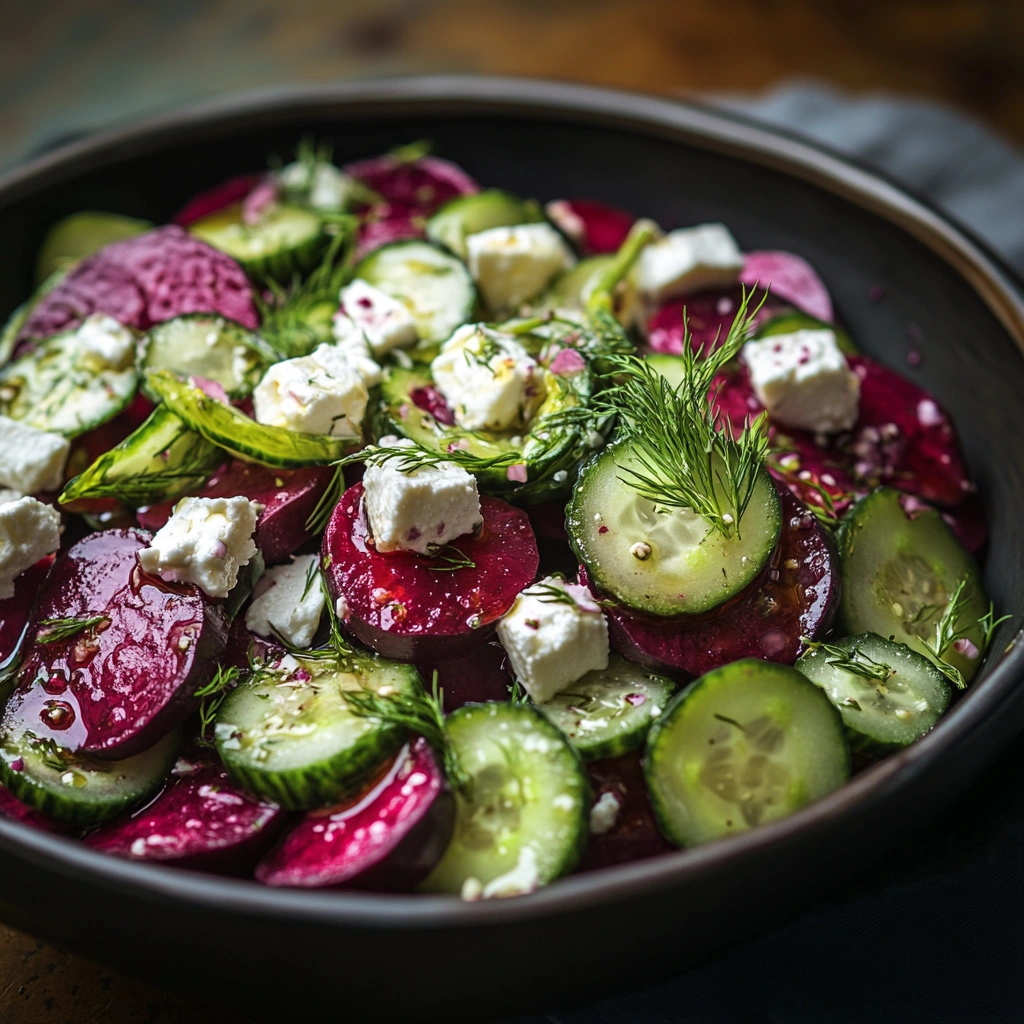
Beet Salad with Feta, Cucumbers, and Dill
This refreshing beet salad with feta, cucumbers, and dill is a vibrant, Mediterranean-inspired dish that’s perfect as a light lunch or a flavorful side. Earthy roasted beets pair beautifully with salty feta, crisp cucumbers, and aromatic dill, all tossed in a simple vinaigrette. It’s easy to make ahead, naturally gluten-free, and full of nutrients—ideal for warm-weather meals or holiday spreads.
Ingredients
- 4 medium beets, cooked and sliced (roasted or steamed)
- 1 large cucumber, thinly sliced
- ½ cup crumbled feta cheese
- 2 tablespoons fresh dill, chopped
- 1 tablespoon red wine vinegar or lemon juice
- 2 tablespoons olive oil
- Salt and freshly cracked pepper, to taste
- Optional: 1 teaspoon honey or maple syrup (for a touch of sweetness)
Instructions
- If you’re roasting, wrap each beet in foil and roast at 400°F for 45–60 minutes until fork-tender. Cool, peel, and slice. If steaming, simmer peeled beets for about 30 minutes.
- Use a mandoline or sharp knife for thin, even slices.
- In a small bowl, whisk together olive oil, vinegar or lemon juice, and optional honey/maple syrup. Season with salt and pepper.
- In a large mixing bowl, combine sliced beets, cucumber, and chopped dill. Drizzle with dressing and gently toss.
- Top with crumbled feta and give one last gentle toss or leave as a garnish.
- Serve immediately or refrigerate for 1–2 hours to let flavors develop.