In this article
- Why Choose Oyster Mushrooms for Pasta?
- Key Ingredients for Oyster Mushroom Pasta With Creamy Sauce
- Step-by-Step Cooking Instructions
- Variations of Oyster Mushroom Pasta
- Tips & Tricks for the Perfect Creamy Pasta
- What to Serve With Oyster Mushroom Pasta
- Health Benefits of Oyster Mushroom Pasta
- Common Mistakes to Avoid
- FAQs – Based on “People Also Ask”
- Conclusion
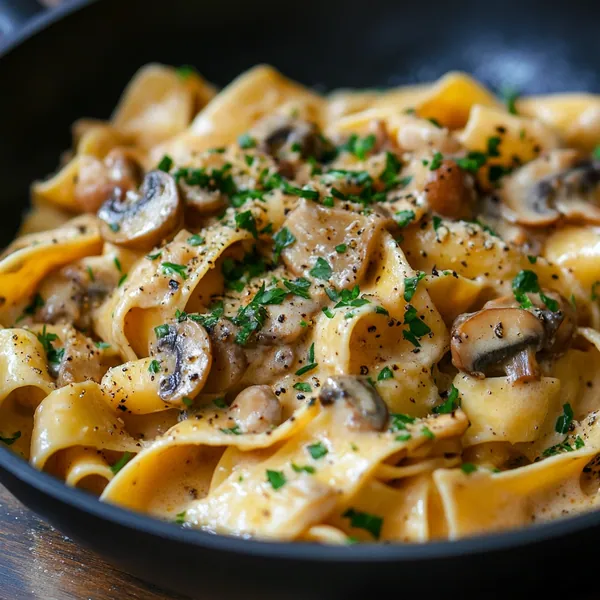
Few dishes are as comforting and satisfying as a warm bowl of creamy pasta, and when oyster mushrooms are added to the mix, the result is both elegant and flavorful. Oyster mushrooms are prized for their delicate, slightly nutty taste and tender, meaty texture, making them a perfect star ingredient in a creamy pasta dish. Unlike button or cremini mushrooms, oyster mushrooms bring a subtle sophistication, turning a simple pasta into a gourmet-style meal that’s surprisingly easy to prepare at home.
Cream-based sauces pair beautifully with the earthy depth of mushrooms, creating a dish that is rich yet balanced. The sauce clings to the pasta strands, while the mushrooms add bite and umami that elevate every forkful. Whether you’re looking for a quick weeknight dinner, an impressive dish for guests, or a satisfying vegetarian option, oyster mushroom pasta fits the occasion.
Beyond its incredible taste, this dish is versatile. It can be adapted for vegan diets, made lighter with alternative creams, or enriched with additional proteins. With just a few fresh ingredients and simple cooking steps, oyster mushroom pasta with a creamy sauce delivers comfort, nutrition, and gourmet flair all in one plate.
Why Choose Oyster Mushrooms for Pasta?
Oyster mushrooms stand out among the many mushroom varieties for both flavor and texture, making them an excellent choice for pasta dishes. Their delicate, slightly nutty taste has a mild sweetness that complements creamy sauces without overwhelming them. Unlike stronger varieties such as shiitake or portobello, oyster mushrooms integrate seamlessly into a cream-based dish, enhancing rather than dominating the overall flavor.
Texture is another reason they shine in pasta recipes. When sautéed, oyster mushrooms develop a tender, meaty bite that gives substance and richness, making them a satisfying alternative to meat. This quality appeals particularly to vegetarians or anyone looking to reduce their meat intake without sacrificing a sense of heartiness in the dish.
Oyster mushrooms are also nutritionally appealing. They are naturally low in calories and fat while providing protein, fiber, and essential nutrients such as vitamin D, niacin, and antioxidants. Their versatility means they can be paired with a variety of herbs, cheeses, and pasta shapes, adapting well to different flavor profiles.
Lastly, oyster mushrooms are widely available and affordable in most grocery stores or farmers’ markets. Whether you’re preparing a quick weeknight dinner or hosting a more formal meal, they deliver both sophistication and comfort. In short, oyster mushrooms bring taste, texture, and health benefits to creamy pasta, making them the ideal star ingredient.
Key Ingredients for Oyster Mushroom Pasta With Creamy Sauce
Creating a flavorful oyster mushroom pasta begins with choosing the right ingredients, each of which plays an important role in shaping the dish.
Pasta: The base of the dish can be tailored to personal preference. Long strands such as fettuccine, linguine, or spaghetti allow the creamy sauce to cling beautifully, creating silky bites. For a heartier presentation, short pasta like rigatoni or penne holds the sauce inside its ridges. Gluten-free or whole wheat pasta can easily be substituted without compromising flavor.
Oyster Mushrooms: These mushrooms are the star. Fresh oyster mushrooms are best, as they bring a tender, slightly chewy texture and subtle earthiness. If using dried mushrooms, rehydrate them in warm water and use the soaking liquid to enrich the sauce.
Cream and Dairy Elements: The creamy sauce can be made with heavy cream for richness or half-and-half for a lighter version. Plant-based eaters can substitute cashew cream, oat cream, or coconut cream. Cheese adds depth, with Parmesan or Pecorino Romano being traditional choices. For a vegan twist, nutritional yeast or dairy-free Parmesan offers a similar flavor.
Aromatics and Seasonings: Garlic, onions, or shallots form the foundation of the sauce, infusing it with savory undertones. Herbs like thyme, parsley, or basil provide freshness, while black pepper, nutmeg, or chili flakes add subtle complexity.
Fats and Oils: Olive oil delivers fruity notes, while butter contributes richness. Vegan alternatives like vegan butter or avocado oil work equally well.
Together, these ingredients create a balanced dish where creaminess, earthiness, and aromatics blend into a luxurious pasta experience.

Step-by-Step Cooking Instructions
Crafting oyster mushroom pasta with creamy sauce is straightforward, but attention to technique ensures the dish reaches its full potential.
Step 1: Preparing the Mushrooms
Begin by cleaning the oyster mushrooms gently with a damp cloth or paper towel, avoiding soaking them in water, which makes them soggy. Trim the tough ends and slice them into uniform pieces for even cooking. This step helps bring out their natural tenderness once they hit the pan.
Step 2: Cooking the Pasta
Bring a large pot of salted water to a rolling boil. Cook your chosen pasta until just al dente, following package instructions. Reserve at least one cup of the starchy cooking water before draining. This reserved water is essential later for loosening and binding the creamy sauce.
Step 3: Sautéing the Mushrooms
Heat olive oil or butter in a large skillet over medium-high heat. Add the mushrooms in a single layer, avoiding overcrowding, and cook until golden brown with slightly crispy edges. Stir occasionally but allow them to sear for maximum flavor. Season lightly with salt and pepper during cooking.
Step 4: Building the Creamy Sauce
Once the mushrooms are golden, add finely chopped garlic and shallots to the skillet, cooking until fragrant. Deglaze the pan with a splash of white wine or vegetable broth to lift browned bits. Pour in cream (or plant-based substitute) and bring to a gentle simmer. Stir in grated Parmesan cheese until melted, creating a smooth sauce. Adjust seasoning with salt, pepper, and a pinch of nutmeg.
Step 5: Combining Pasta and Sauce
Add the drained pasta directly into the sauce. Toss well to coat each strand or piece evenly. If the sauce is too thick, gradually add the reserved pasta water until the desired consistency is achieved.
Step 6: Garnishing and Serving
Finish with freshly chopped parsley, an extra sprinkle of cheese, or a drizzle of olive oil. Serve hot, with garlic bread or salad on the side.
Variations of Oyster Mushroom Pasta
One of the best features of this dish is its adaptability. Oyster mushrooms’ mild flavor makes them suitable for a variety of twists.
Vegan Version: Replace heavy cream with cashew cream or oat cream, and swap Parmesan with nutritional yeast or vegan cheese. Use olive oil or vegan butter instead of dairy butter. The result is just as creamy and rich, with a completely plant-based profile.
Gluten-Free Adaptations: Pair the creamy sauce with gluten-free pasta varieties made from rice, quinoa, or chickpeas. These alternatives maintain structure and absorb the sauce well.
Spicy Twist: Add a kick with red chili flakes, cayenne pepper, or a drizzle of chili oil. The heat cuts through the richness of the sauce, creating balance.
Mediterranean Influence: Incorporate sun-dried tomatoes, Kalamata olives, and capers for a tangy, briny dimension. Finish with fresh oregano or basil for an extra burst of flavor.
Protein-Boosted Version: For added substance, include seared chicken strips, sautéed shrimp, or crispy tofu cubes. These pair beautifully with the creamy mushroom base while keeping the dish hearty and filling.
Tips & Tricks for the Perfect Creamy Pasta
Achieving a creamy pasta that feels restaurant-quality comes down to a few simple but important techniques. First, always reserve some pasta water before draining. The starchy liquid helps emulsify the sauce, giving it a silky texture that clings perfectly to the noodles. Adding a splash at the end can transform a heavy sauce into a velvety coating.
Second, avoid letting cream boil vigorously. High heat may cause the sauce to separate or curdle. Instead, simmer gently and allow the flavors to meld slowly. Stirring in grated cheese off the heat also prevents clumping and creates a smoother finish.
When cooking mushrooms, don’t overcrowd the pan. Mushrooms release water, and crowding them causes steaming rather than browning. Cooking in batches ensures golden, caramelized edges that deepen flavor.
Balancing the richness of cream is equally important. A squeeze of lemon juice or a splash of white wine adds brightness, while fresh herbs like parsley and basil keep the dish from feeling too heavy.
Finally, think of seasoning in layers. Salt the pasta water generously, season the mushrooms as they cook, and taste the sauce before serving. This layered approach ensures that every bite bursts with flavor.
What to Serve With Oyster Mushroom Pasta
While oyster mushroom pasta is satisfying on its own, pairing it with complementary sides can elevate the meal into a full dining experience.
Salads make a refreshing companion, especially when the pasta is rich and creamy. A simple arugula salad with lemon vinaigrette provides peppery brightness, while a classic Caesar offers crunch and tang. For something Mediterranean, a caprese salad with ripe tomatoes, mozzarella, and basil balances the earthy mushrooms beautifully.
Bread is another perfect pairing. Garlic bread or warm focaccia are traditional favorites, allowing you to soak up every last bit of creamy sauce. For a rustic touch, a crusty baguette works just as well.
If you’d like a wine pairing, opt for a crisp white such as Chardonnay, Pinot Grigio, or Sauvignon Blanc. These wines cut through the richness of the sauce. For red wine lovers, a light Pinot Noir or Chianti complements the mushrooms’ earthy notes without overpowering them. Non-alcoholic options like sparkling water with lemon or herbal iced teas add refreshment.
For a balanced meal, consider adding roasted or grilled vegetables such as asparagus, zucchini, or broccoli. Their natural sweetness and slight bitterness pair perfectly with the creamy base.
Together, these accompaniments transform oyster mushroom pasta into a complete, well-rounded meal fit for any occasion.

Health Benefits of Oyster Mushroom Pasta
Beyond its delicious taste, oyster mushroom pasta offers surprising health benefits. Oyster mushrooms themselves are nutrient-dense yet low in calories, making them a smart choice for a satisfying but lighter meal. They provide plant-based protein, dietary fiber, and antioxidants that support overall wellness.
One standout nutrient in oyster mushrooms is vitamin D, which supports bone health and immune function. They are also a source of B vitamins such as niacin and riboflavin, which help convert food into energy. Antioxidants like ergothioneine protect cells from oxidative stress, while beta-glucans may support heart health and immunity.
When combined with whole-grain or gluten-free pasta, the dish can deliver sustained energy and improved digestion compared to traditional refined pasta. Using olive oil instead of butter adds heart-healthy monounsaturated fats, while fresh herbs bring anti-inflammatory properties.
Choosing lighter cream alternatives or plant-based substitutes can reduce saturated fat while maintaining indulgence. For vegetarians or those reducing meat, the meaty texture of oyster mushrooms provides a satisfying alternative without the cholesterol associated with animal proteins.
Altogether, oyster mushroom pasta strikes a balance between comfort food and nutritional value, offering a dish that delights the palate while supporting health goals.
Common Mistakes to Avoid
Even a simple pasta dish can go wrong if a few key steps are overlooked. Here are the most common mistakes to watch out for when making oyster mushroom pasta with creamy sauce:
Overcooking pasta: Pasta should be drained while still al dente, as it continues to cook slightly when tossed with the hot sauce. Overcooked pasta becomes mushy and doesn’t hold sauce well.
Overcrowding mushrooms: Cooking too many mushrooms at once causes them to steam instead of brown. To achieve that golden, caramelized flavor, cook in batches if necessary.
Skipping pasta water: Many home cooks forget to save pasta water. This starchy liquid is essential for adjusting the sauce consistency and helping it cling to pasta.
Curdled cream: Bringing cream to a rapid boil or adding acidic ingredients too early can cause curdling. Keep the heat gentle and add lemon juice or wine toward the end.
Underseasoning: Relying only on salt at the end leaves the dish flat. Season at each stage — pasta water, mushrooms, sauce — to build complexity.
Neglecting balance: Cream-based sauces can feel heavy if not balanced. Bright flavors from herbs, citrus, or a splash of wine prevent the dish from tasting overly rich.
By avoiding these pitfalls, you’ll achieve a pasta that’s creamy, flavorful, and consistently delicious.
FAQs – Based on “People Also Ask”
Can I use other mushrooms instead of oyster mushrooms?
Yes, substitutes like cremini, shiitake, or portobello mushrooms work well, though they offer stronger flavors. Oyster mushrooms are preferred for their mild, tender qualities.
What cream works best for pasta sauce?
Heavy cream creates the richest texture, but half-and-half provides a lighter option. For dairy-free versions, cashew cream, oat cream, or coconut cream are excellent alternatives.
Can I make oyster mushroom pasta ahead of time?
Yes, but creamy sauces thicken as they sit. To reheat, add a splash of milk or pasta water to loosen the sauce and stir gently over low heat.
Is oyster mushroom pasta vegan-friendly?
It can be! Simply replace dairy cream with a plant-based substitute and use vegan Parmesan or nutritional yeast instead of traditional cheese.
What pasta shape is best for creamy sauces?
Long pasta like fettuccine and linguine coat beautifully in creamy sauces, while short shapes like penne or rigatoni capture bits of sauce and mushroom in their ridges.
How do I store leftovers?
Keep leftovers in an airtight container in the refrigerator for up to 3 days. Reheat gently with added liquid to restore creaminess.
Conclusion
Oyster mushroom pasta with a creamy sauce is a dish that combines comfort, elegance, and versatility. With its delicate mushroom flavor, silky sauce, and adaptable ingredients, it offers something for everyone — from weeknight cooks seeking an easy yet impressive meal to food lovers wanting a vegetarian-friendly alternative that doesn’t compromise on taste.
By choosing oyster mushrooms, you get both nutrition and flavor, while simple cooking techniques ensure success every time. Whether you stick to the classic recipe or experiment with variations such as vegan, spicy, or Mediterranean twists, the possibilities are endless.
Paired with fresh sides, a glass of wine, or simply enjoyed on its own, this pasta brings gourmet flair to everyday dining. Try it once, and it may just become a regular addition to your cooking repertoire.
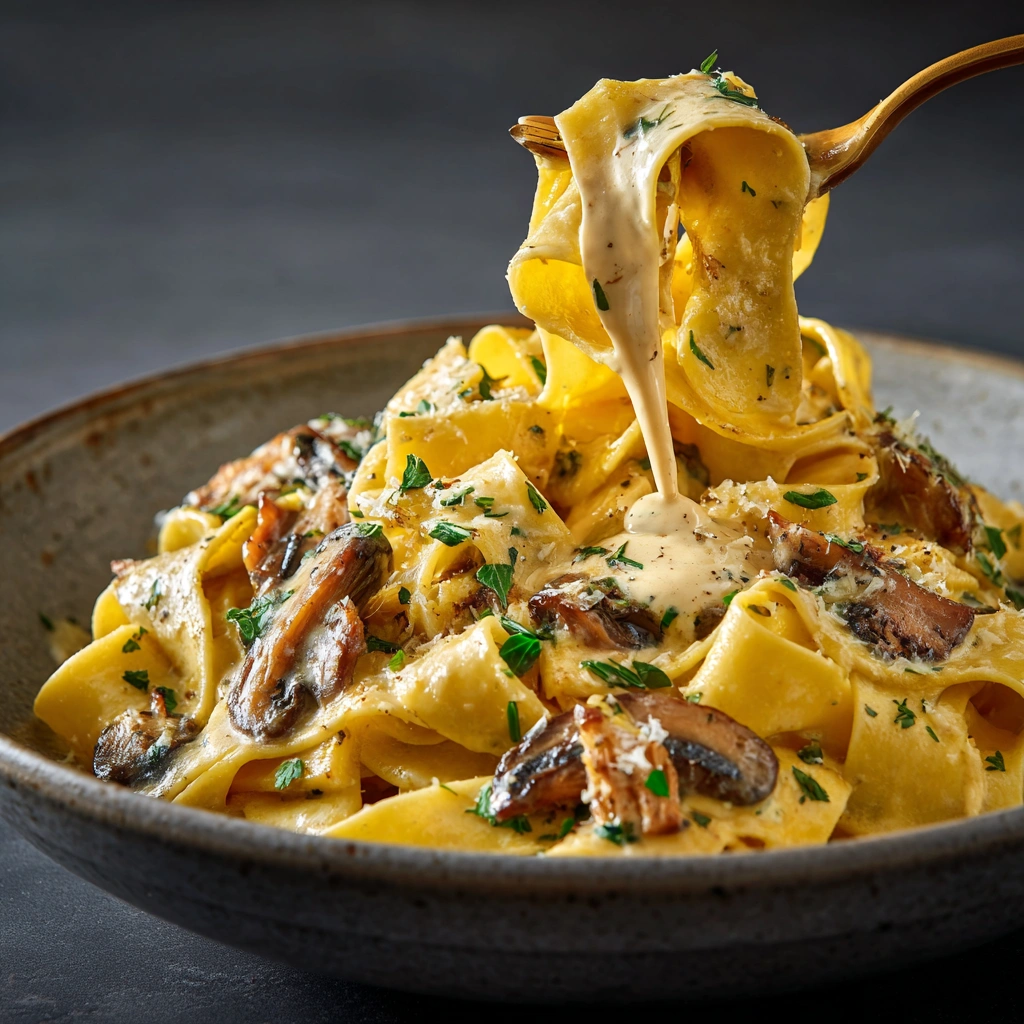
Oyster Mushroom Pasta With A Creamy Sauce
This creamy oyster mushroom pasta is the ultimate comfort food with a touch of elegance. Tender oyster mushrooms are sautéed until golden and combined with a rich, velvety cream sauce that clings to every strand of pasta. The dish is simple enough for a quick weeknight dinner yet impressive enough to serve to guests. With its earthy mushroom flavor, silky texture, and customizable variations, this pasta recipe will easily become a go-to favorite for mushroom lovers and pasta enthusiasts alike.
Ingredients
- 225 g pasta we used pappardelle
- 3 tablespoons unsalted butter
- 450 g oyster mushrooms cut into bite-size pieces
- 3 cloves garlic chopped
- ½ teaspoon salt
- ½ teaspoon black pepper
- ½ cup heavy cream
- ¼ cup parsley chopped
- ¼ cup cheese parmesan or mozzarella
Instructions
- Cook pasta in a large pot of salted water for 10 minutes. Save ½ cup of pasta water and put it aside. Drain the pasta.
- While pasta is cooking, make the mushroom sauce. Melt 1 tablespoon butter in a pan over medium heat. Fry oyster mushrooms in a single layer until both sides are golden. Transfer them on a plate. Continue with the rest of the mushrooms repeating the same steps. Melt butter in the pan before cooking each batch of mushrooms.
- Transfer all fried mushrooms back in the pan.
- Add in garlic, salt and black pepper and cook them together for 1-2 minutes.
- Add in heavy cream, pasta water and parsley. Bring it to a boil. Let it simmer for 5 minutes.
- Toss in the pasta and let it cook together for 2-3 minutes. Taste and add more salt if needed. Remove from the heat.
- Serve immediately with some grated cheese on the top.