In this article
- Health Benefits of Mushrooms and Spinach
- Choosing the Best Ingredients
- Tools and Cooking Equipment You’ll Need
- Prepping the Ingredients: Step-by-Step
- How to Make Sautéed Mushrooms with Spinach – Step-by-Step Instructions
- Flavor Boosting Tips and Ingredient Add-ins
- Popular Recipe Variations
- How to Serve Sautéed Mushrooms and Spinach
- Storing and Reheating Tips
- FAQs Section
Sautéed mushrooms with spinach is a simple yet flavorful dish that has earned a place in many kitchens for its versatility, rich taste, and nutritional value. Whether served as a side, a vegetarian main course, or as part of a larger meal, this combination of earthy mushrooms and vibrant spinach delivers both comfort and health in every bite. The dish requires minimal ingredients and time, making it ideal for busy weeknights or as a quick and healthy addition to lunch or dinner.
The flavor profile of sautéed mushrooms pairs beautifully with the slightly bitter, tender taste of spinach, and both ingredients absorb seasonings exceptionally well. This makes it easy to adapt the recipe to suit different cuisines or dietary preferences. From a light garlic and olive oil seasoning to a more robust addition of herbs and cheese, the possibilities are endless.
This dish also appeals to a wide range of eaters—vegans, vegetarians, low-carb dieters, and anyone focused on clean eating. It’s a practical recipe that brings a gourmet touch to everyday meals without complicated steps. In short, sautéed mushrooms with spinach is a go-to recipe that combines taste, texture, and nourishment in a single pan.
Health Benefits of Mushrooms and Spinach
Mushrooms and spinach are two powerhouse ingredients packed with nutrients and low in calories, making this dish as healthy as it is delicious. Each brings unique health benefits, and together they form a nutrient-dense, fiber-rich meal that supports overall wellness.
Mushrooms are a rich source of B vitamins like riboflavin, niacin, and pantothenic acid, which are essential for energy production and brain function. They also contain selenium, a potent antioxidant that helps protect cells from damage. Certain types, such as shiitake and maitake, are known to enhance immune response due to their beta-glucan content. Additionally, mushrooms are a good source of potassium, which helps maintain fluid balance and supports heart health.
Spinach, on the other hand, is loaded with vitamins and minerals. It’s especially high in iron, which supports red blood cell production, and vitamin K, which is important for bone health. Spinach also provides folate, calcium, and magnesium, contributing to everything from cardiovascular health to muscle function. Its antioxidants, including lutein and zeaxanthin, help support eye health and fight oxidative stress.
Together, mushrooms and spinach offer a combination of anti-inflammatory, immune-boosting, and disease-fighting properties. They’re naturally gluten-free, low in fat, and suitable for many diets, including keto, vegan, and vegetarian. This dish is not only a culinary favorite—it’s also a smart, nutritious choice.
Choosing the Best Ingredients
The success of sautéed mushrooms with spinach begins with choosing the right ingredients. Fresh, high-quality produce will deliver the best flavor, texture, and nutritional value.
Start with mushrooms that are firm, dry, and free of slimy spots. Cremini mushrooms (also known as baby bellas) are ideal for their rich flavor and meatier texture. White button mushrooms are milder and more readily available, while shiitake and portobello offer a deeper umami taste. Avoid washing mushrooms under running water as they absorb moisture; instead, wipe them with a damp cloth or use a soft brush.
For the spinach, fresh baby spinach is the preferred option. It cooks quickly and has a tender, slightly sweet flavor. Mature spinach leaves can also be used but may require chopping and a slightly longer cooking time. If using frozen spinach, make sure to thaw it fully and squeeze out excess water to prevent sogginess.
Optional add-ins like garlic, onions, and lemon juice can enhance flavor. If you’re adding cheese, go for parmesan or feta for a creamy, salty contrast. Olive oil or butter is essential for sautéing; choose extra virgin olive oil for a lighter, more nutritious option.
Choosing organic produce is ideal, especially for spinach, which is often high on pesticide-residue lists.
Tools and Cooking Equipment You’ll Need
Having the right tools on hand makes preparing sautéed mushrooms with spinach both efficient and enjoyable. The most important item is a large skillet—preferably non-stick or cast-iron—to ensure even cooking and prevent sticking. You’ll also need a sharp chef’s knife for slicing mushrooms and aromatics, and a cutting board for prep work.
A wooden spoon or spatula is best for stirring without damaging the pan. If using garlic, a garlic press can save time. For washing greens, a colander or salad spinner helps dry spinach thoroughly, which is essential to avoid excess moisture during cooking.

Prepping the Ingredients: Step-by-Step
Proper preparation ensures even cooking and maximum flavor in your sautéed mushrooms and spinach. Start by cleaning the mushrooms. Use a damp paper towel or soft brush to gently remove dirt. Avoid soaking them, as mushrooms absorb water easily, which can lead to a soggy texture. Once clean, slice them uniformly to ensure even sautéing.
Next, focus on the spinach. If using fresh spinach, rinse it thoroughly under cold water to remove dirt or grit. Spin it dry using a salad spinner or pat it dry with paper towels. Excess water can cause splattering in hot oil and make the dish watery.
Prepare aromatics such as garlic or onion if you’re including them. Mince garlic finely or use a garlic press for convenience. Dice onions into small, even pieces.
Gather any additional ingredients, such as lemon juice, grated cheese, or fresh herbs, so they’re ready to add at the right time. This mise-en-place approach not only speeds up the cooking process but also helps prevent overcooking.
How to Make Sautéed Mushrooms with Spinach – Step-by-Step Instructions
Making sautéed mushrooms with spinach is straightforward, but a few key techniques ensure the best flavor and texture. Follow these steps for a perfectly balanced dish every time.
Step 1: Heat the Pan
Begin by heating a large skillet over medium-high heat. Add a tablespoon of olive oil or butter and let it warm until shimmering. A hot pan helps sear the mushrooms and develop deeper flavor through caramelization.
Step 2: Sauté the Mushrooms
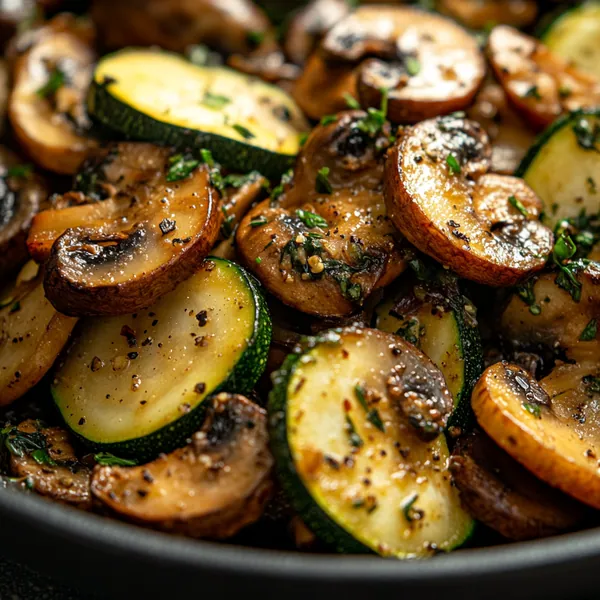
Add the sliced mushrooms in a single layer. Avoid overcrowding—if necessary, cook in batches. Overcrowding traps steam and prevents browning. Let the mushrooms sit undisturbed for a minute or two, then stir occasionally until they release their moisture and begin to brown, about 6–8 minutes.
Step 3: Add Aromatics
Once the mushrooms are browned, reduce heat to medium and add minced garlic or chopped onions if using. Sauté for another 1–2 minutes until fragrant.
Step 4: Add the Spinach
Add fresh spinach by the handful, allowing it to wilt slightly before adding more. Stir continuously to help it cook evenly. This process takes about 2–3 minutes. If using frozen spinach, ensure it’s fully thawed and squeezed dry before adding to the pan.
Step 5: Season and Finish
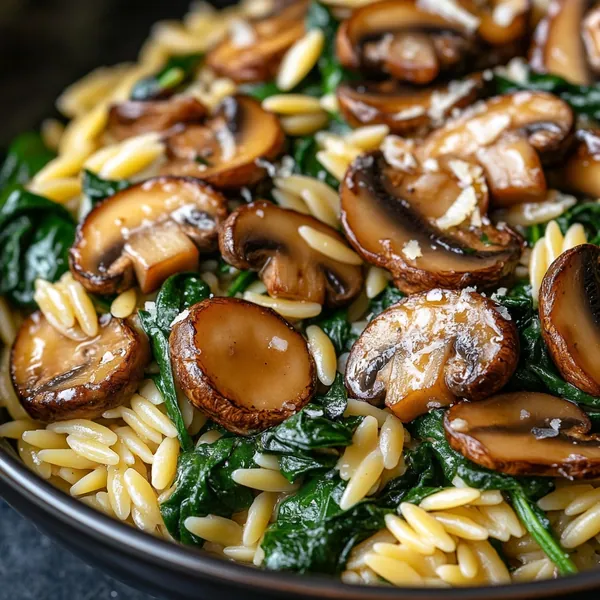
Season the mixture with salt, pepper, and optional additions like lemon juice, a pinch of chili flakes, or grated parmesan. Stir well to combine. Once the spinach is wilted and everything is heated through, remove from heat.
Step 6: Serve Immediately
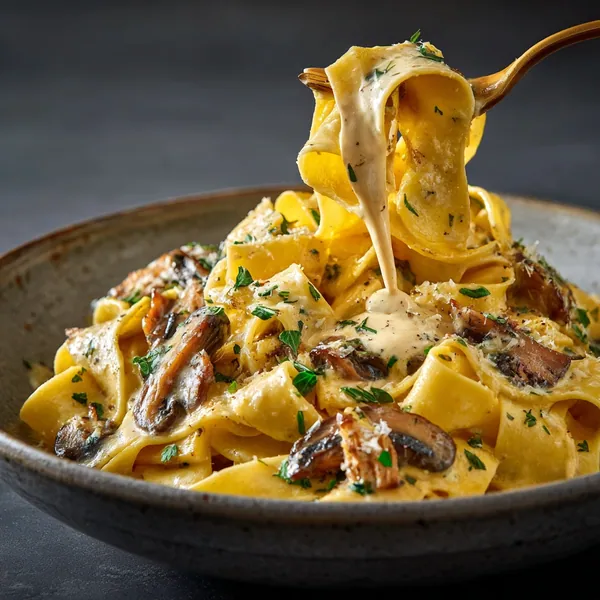
Serve hot as a side dish or use it as a filling for wraps, omelets, or pasta. For extra flavor, garnish with herbs like parsley or thyme.
Cooking this dish quickly at a high temperature preserves the mushrooms’ texture and enhances flavor, while the spinach adds freshness and color.
Flavor Boosting Tips and Ingredient Add-ins
To elevate the flavor of sautéed mushrooms and spinach, consider these enhancements:
Aromatics and Acids: Garlic and onions add depth, while a splash of lemon juice or balsamic vinegar brightens the dish and cuts through the richness.
Umami and Savory Additions: A dash of soy sauce or tamari adds umami. A small amount of white wine or dry sherry can enhance complexity.
Herbs and Spices: Fresh herbs like thyme, rosemary, or parsley pair well. Crushed red pepper flakes add heat, while black pepper adds a sharp, earthy note.
Cheese: A sprinkle of parmesan, goat cheese, or feta can add creaminess and a salty finish. For a vegan option, nutritional yeast mimics the savory taste of cheese.
Fats: Olive oil keeps it light, but a bit of butter adds richness. For a creamy variation, stir in a splash of cream or dairy-free milk.
These simple touches can transform the dish into something truly special.

Popular Recipe Variations
This basic recipe can be customized in many ways depending on your preferences or dietary needs:
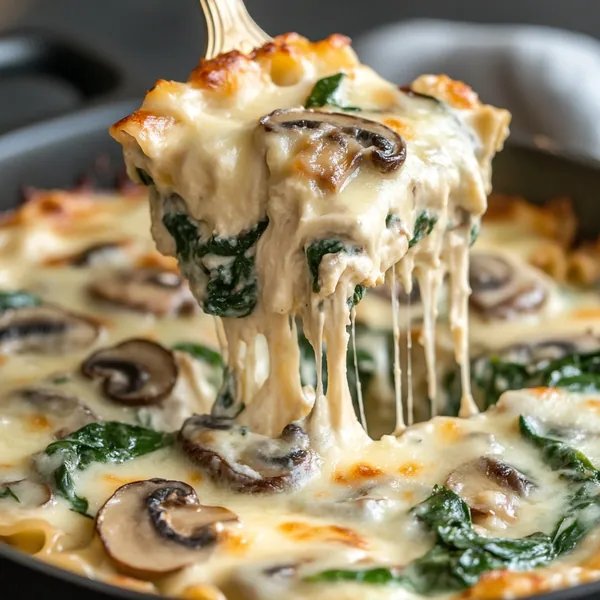
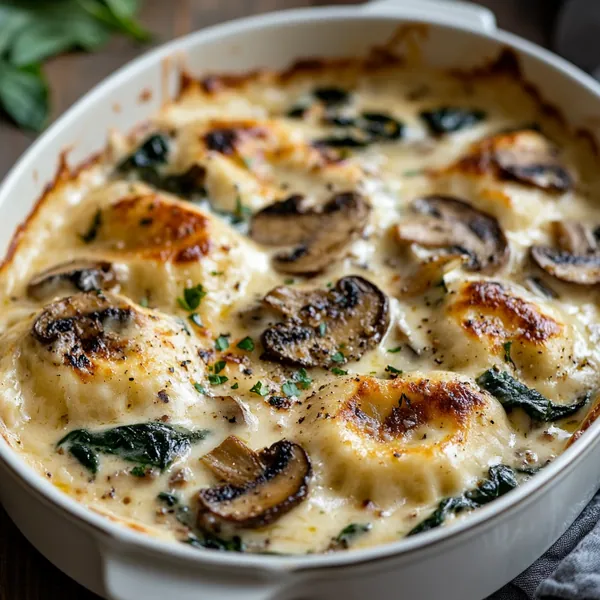
Creamy Version: Add heavy cream or a plant-based alternative (like coconut milk or cashew cream) after sautéing the mushrooms for a richer, more indulgent texture.
Asian-Inspired: Swap olive oil for sesame oil and add ginger and soy sauce. Top with sesame seeds for extra crunch.
Mediterranean Style: Add sun-dried tomatoes, kalamata olives, and crumbled feta cheese for a bold, tangy variation.
Spicy Kick: Use hot chili flakes, cayenne, or jalapeños for heat. Pair with lime instead of lemon for a different twist.
Low-FODMAP: Omit garlic and onions, and replace with garlic-infused oil. Use oyster mushrooms and limit spinach to tolerated amounts.
Protein-Boosted: Add chickpeas, grilled tofu, or tempeh for a heartier version that works as a full meal.
These variations allow the dish to fit multiple flavor profiles and dietary lifestyles.
How to Serve Sautéed Mushrooms and Spinach
Sautéed mushrooms and spinach is highly versatile and can complement a variety of dishes or stand alone as a light main course.
As a Side Dish: Serve it alongside grilled chicken, steak, fish, or tofu. It pairs well with rich proteins due to its earthy and slightly tangy flavor.
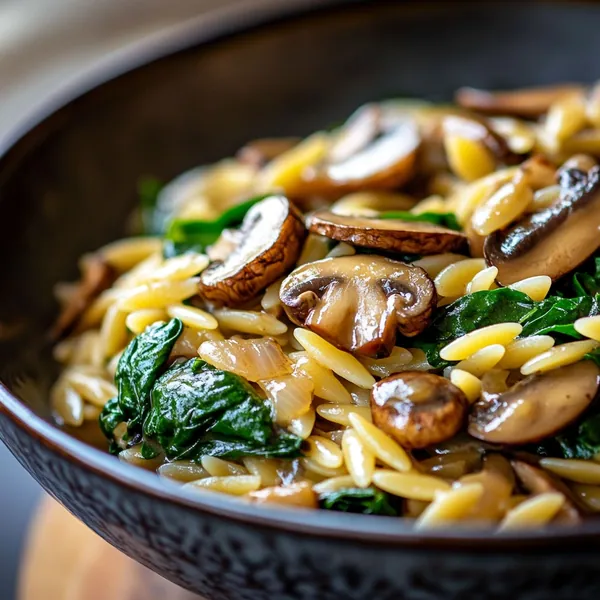
With Grains or Pasta: Spoon the sautéed mix over quinoa, brown rice, couscous, or whole-grain pasta. For added flavor, top with grated cheese or a drizzle of olive oil.
In Breakfast Dishes: Fold it into omelets or use it as a topping for scrambled eggs and toast. It also works well inside a breakfast wrap or breakfast bowl.
In Sandwiches or Wraps: Add it to paninis, quesadillas, or wraps for a savory, nutrient-packed filling.
On Pizza or Flatbread: Use it as a topping paired with mozzarella, ricotta, or goat cheese for a flavorful vegetarian option.
Storing and Reheating Tips
Sautéed mushrooms and spinach store well for short periods and can be easily reheated with minimal loss in quality.
Storage: Allow the dish to cool to room temperature before transferring to an airtight container. Store in the refrigerator for up to 3 days. Avoid freezing, as spinach can become watery and mushrooms may lose texture.
Reheating: Reheat in a skillet over medium heat with a small splash of water or oil to prevent drying out. Microwave in short bursts, stirring in between, but note this method may soften the texture more.
Always check for signs of spoilage before consuming leftovers.
FAQs Section
Can I use frozen spinach for sautéing?
Yes, frozen spinach can be used, but it must be fully thawed and squeezed dry before adding it to the skillet. Excess water can lead to a soggy texture.
How do I prevent mushrooms from becoming soggy?
The key is not to overcrowd the pan and to cook them on medium-high heat. This allows moisture to evaporate quickly and promotes browning.
What is the healthiest way to cook mushrooms and spinach?
Sautéing with a small amount of olive oil is a healthy method that retains most nutrients while enhancing flavor. Avoid overcooking spinach to preserve its vitamins.
Can I make this dish in advance?
Yes, you can make it a day ahead and store it in the fridge. Reheat gently in a skillet or microwave just before serving.
Is this recipe keto or low-carb friendly?
Absolutely. Both mushrooms and spinach are low in carbohydrates, making this dish suitable for keto, paleo, and other low-carb diets.

Sautéed Mushrooms with Spinach
This quick and easy sautéed mushrooms with spinach recipe is the perfect healthy side dish or light vegetarian main. Tender baby spinach is paired with savory, golden-brown mushrooms and sautéed in olive oil with garlic for a flavorful, nutrient-packed meal that comes together in just 20 minutes. Naturally low-carb, gluten-free, and keto-friendly, this versatile dish works beautifully with pasta, rice, eggs, or grilled proteins. Ideal for weeknight cooking or meal prep.
Ingredients
- 16 ounces fresh mushrooms (any variety, sliced)
- 4 cups fresh spinach (washed and drained)
- 2 tablespoons olive oil
- 2 cloves garlic (minced, optional)
- Salt (to taste)
- Pepper (to taste)
- 1 tablespoon lemon juice (optional, for brightness)
- ¼ teaspoon crushed red pepper flakes (optional, for heat)
Instructions
- Prep Your Ingredients: Slice the mushrooms and wash the spinach thoroughly.
- 2. Heat Olive Oil: In a large skillet over medium heat, add the olive oil and allow it to heat up.
- . Sauté Mushrooms: Once the oil is hot, add the sliced mushrooms. Stir occasionally and cook for about 5 minutes, or until they are browned and have released some moisture. 4.
- If using garlic, add it to the skillet in the last minute of cooking the mushrooms. Stir well until fragrant.
- b>Incorporate Spinach: Gradually add the spinach to the skillet. Stir constantly until it wilts down, which should take about 2-3 minutes. 6. <
- >Season the Dish: Sprinkle with salt, pepper, and red pepper flakes if using. Stir well to combine. 7.
- Add Lemon Juice: For an extra layer of flavor, drizzle the lemon juice over the dish just before serving. 8.
- erve: Remove from heat and transfer to a serving dish. Enjoy warm!