In this article
- What Exactly is Oysters Rockefeller?
- The Story Behind the Name
- Why This Recipe Works in 12 Minutes
- Choosing the Best Oysters
- Ingredient Deep Dive
- Step-by-step 12-minute oysters rockefeller recipe
- Expert tips for perfect oysters rockefeller
- Serving suggestions & pairings
- Common variations of oysters rockefeller
- Storing & reheating leftovers
- FAQs – people also ask
If you’ve ever dreamed of serving something that makes people’s eyes widen the moment it arrives at the table, Oysters Rockefeller might just be your secret weapon.
This dish is the perfect blend of seafood elegance and comfort-food indulgence—plump, briny oysters blanketed in a rich, buttery topping of greens, herbs, and breadcrumbs, kissed with just enough heat to make the flavors sing. And while it’s long been a fixture at upscale restaurants, here’s the twist: you can make it at home in only 12 minutes.
No, that’s not a typo. This is fast luxury, the kind of thing you can prepare on a Tuesday night if the mood strikes, or whip up for guests without breaking a sweat.
In this article, you’ll learn everything from the history and mystique of Oysters Rockefeller to the precise techniques that will make your version taste like it came straight out of a French Quarter kitchen.
What Exactly is Oysters Rockefeller?
Imagine the ocean’s salt-kissed flavor, perfectly balanced with a velvety richness and a hint of bright herbs. That’s Oysters Rockefeller in a bite.
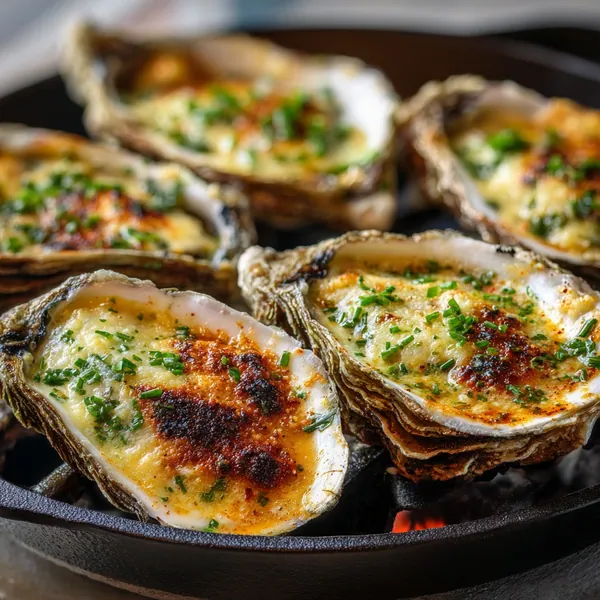
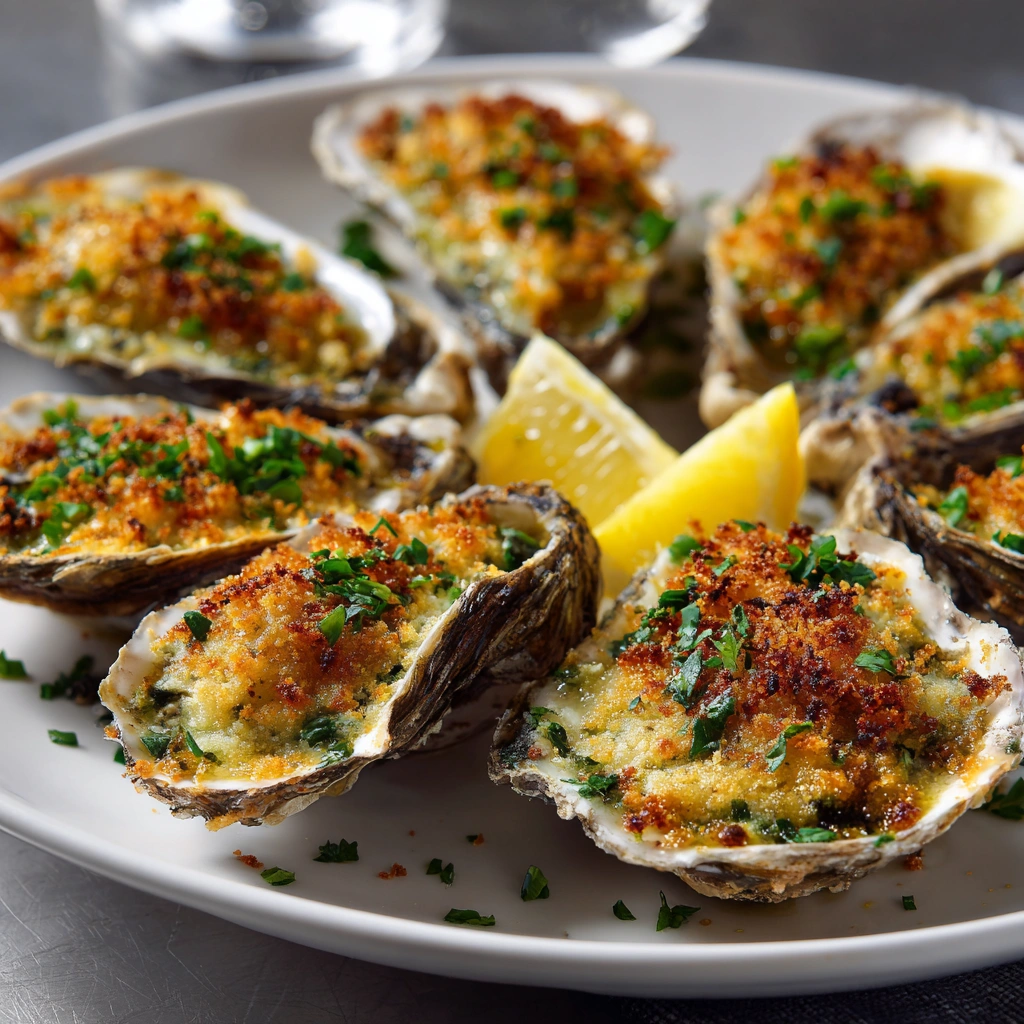
The dish begins with fresh oysters—still nestled in their half shells—topped with a mixture that typically includes spinach (or other greens), aromatic vegetables, butter, breadcrumbs, and cheese. A touch of Pernod or absinthe adds subtle anise notes, evoking the sophistication of turn-of-the-century New Orleans.
The oysters are then baked or broiled until the topping is golden and just crisp, while the oysters themselves remain tender and juicy beneath.
It’s a contrast of textures—soft oyster meat, creamy topping, crunchy breadcrumb crust—and a harmony of flavors that has kept this dish on fine-dining menus for over a century.
The Story Behind the Name
The name “Oysters Rockefeller” isn’t just a catchy branding choice—it’s a statement of richness.
In 1899, Antoine’s Restaurant in New Orleans faced a shortage of escargot, one of its signature menu items. Chef Jules Alciatore, determined not to disappoint patrons, sought a local substitute that could carry an equally indulgent topping. He landed on oysters, which were abundant in the Gulf of Mexico.
The topping he created was so rich and decadent that the dish was named after John D. Rockefeller, then the wealthiest man in America. According to food historians, the original recipe contained no spinach at all—its vibrant green color came from a mix of parsley and other herbs.
To this day, the restaurant guards the original recipe closely, but countless chefs have crafted their own interpretations, often incorporating spinach for both flavor and ease.
Why This Recipe Works in 12 Minutes
Traditional Oysters Rockefeller recipes can take half an hour or more, especially if you’re starting with whole oysters and making a complicated sauce. But with a few strategic adjustments, you can keep the flavor authenticity while drastically reducing the time.
The time savings come from:
-
Pre-shucked oysters in the half shell – Available fresh or frozen at many seafood counters.
-
High-heat broiling – This method cooks and browns the topping in under 6 minutes.
-
Make-ahead topping – The most time-consuming part (sautéing the greens) can be done earlier in the day.
This approach doesn’t just cut down on cooking time—it makes the recipe approachable for weeknights while still suitable for special occasions.
Choosing the Best Oysters
Your oysters are the star of the show, so it pays to choose wisely.
Best varieties for Oysters Rockefeller:
-
Blue Point – Mild, slightly sweet, with a plump texture.
-
Kumamoto – Small, creamy, with a cucumber-like finish.
-
Gulf Coast – Large and meaty, with a stronger briny flavor.
Buying tips:
-
Oysters should smell like the ocean—fresh, not fishy.
-
If buying in the shell, they should be tightly closed.
-
Pre-shucked oysters in half shells save time, but check freshness dates carefully.
Ingredient Deep Dive
Every component of Oysters Rockefeller plays a role in the flavor experience:
-
Greens – Spinach is the most common, but parsley, watercress, or a combination add complexity.
-
Shallots & Garlic – The backbone of savory flavor; sautéed to release sweetness.
-
Butter – The carrier of richness, essential for melding flavors.
-
Breadcrumbs – Adds a crisp topping; panko gives extra crunch.
-
Parmesan – Brings saltiness and umami depth.
-
Pernod/Absinthe (optional) – Adds a subtle licorice aroma that elevates the dish.
-
Lemon – Brightens and cuts the richness.
Step-by-step 12-minute oysters rockefeller recipe
Preheat your broiler to high and adjust the oven rack so it sits about four to five inches from the heating element. This close proximity to intense heat ensures the oysters cook quickly and the topping develops a perfect golden crust. Prepare a rimmed baking sheet and line it with a layer of coarse rock salt or crumpled aluminum foil; this keeps the oyster shells steady and prevents juices from spilling.
If you’ve purchased oysters still in their shells, shuck them carefully using an oyster knife, working over a bowl to catch any liquor (the natural briny liquid inside). Check each oyster for shell fragments and discard any that have an off odor. Place the oysters, cupped side down, on the prepared baking sheet.
In a medium skillet, melt the butter over medium heat. Add the minced shallot and garlic, stirring until they soften and release their fragrance, about two minutes. Add the chopped spinach and sauté until just wilted, stirring to coat the greens in the aromatic butter. At this stage, stir in the panko breadcrumbs and grated Parmesan cheese, mixing until the crumbs absorb the butter and cling to the spinach.
For an extra layer of flavor, pour in the Pernod or absinthe if using; the heat will soften its licorice-like notes, weaving them subtly into the topping. Add the chopped parsley, lemon juice, and zest, then season generously with salt and pepper. If you enjoy a little heat, a dash of hot sauce can be stirred in here. Remove from heat.
Working quickly, spoon about a tablespoon of the topping over each oyster, making sure the mixture is evenly distributed and completely covers the oyster meat. This blanket of seasoned greens and crumbs protects the oysters from overcooking while giving the dish its signature taste.
Place the baking sheet under the broiler and cook for five to six minutes, keeping a close eye on them. The topping should bubble vigorously and turn golden brown, while the oysters gently steam in their shells. Avoid overcooking, as this can toughen their delicate flesh.
Once done, remove the tray carefully. Let the oysters rest for a minute before transferring to a serving platter. Garnish with extra chopped parsley if desired and arrange lemon wedges around the platter for squeezing over the oysters just before eating. Serve immediately while still hot and aromatic, allowing the contrast of crisp topping and briny oyster to shine.
Expert tips for perfect oysters rockefeller
Selecting the freshest oysters is the single most important step in creating an unforgettable dish. Fresh oysters should have a clean, ocean-like aroma with no fishy smell. If buying in-shell, they should be tightly closed; any that are open and do not close when tapped should be discarded. If using pre-shucked oysters on the half shell, check that they are stored properly on ice.
Keeping oysters cold until the very last minute is essential. Warm oysters before cooking can release too much liquid, thinning your topping. Prepare your topping ahead, but assemble only just before broiling. This maintains both temperature and texture integrity.
Avoid overcooking at all costs. Oysters are delicate and become rubbery when exposed to heat too long. The topping is designed to protect them from direct heat, but you should still monitor closely. Pull them from the oven as soon as the crumbs are golden and the juices bubble.
For enhanced flavor, consider lightly toasting the breadcrumbs before adding them to the mixture. This adds a nutty depth and ensures they stay crisp under the broiler.
Presentation matters too. Serving on a bed of rock salt not only keeps the shells steady but also adds visual appeal. For a special touch, heat the salt in the oven before placing the oysters on it—this helps keep them warm during serving.
Lastly, remember that the topping can be versatile. Experiment with adding finely chopped tarragon, watercress, or even a small amount of crispy pancetta to create your own signature twist without losing the soul of the original recipe.
Serving suggestions & pairings
Oysters Rockefeller is best served as a sophisticated appetizer or part of a seafood platter. Arrange the oysters on a bed of heated rock salt or sautéed greens to stabilize the shells and keep them warm. The visual appeal enhances the dining experience and makes the dish feel truly special.
Pair with a crisp, acidic white wine such as Chablis, Sauvignon Blanc, or a brut Champagne to balance the richness of the buttery topping. For a non-alcoholic option, a sparkling mineral water with a lemon twist can provide a refreshing counterpoint.
Accompaniments should be light—think crusty baguette slices to soak up the buttery juices or a simple arugula salad dressed with lemon vinaigrette. These fresh, clean sides ensure the oysters remain the star of the meal.

Common variations of oysters rockefeller
While the classic version is revered for good reason, variations allow you to adapt the dish to personal taste or ingredient availability. A popular twist is adding crisped bacon or pancetta to the topping, lending smoky, savory depth that complements the briny oysters.
For a creamier finish, stir a tablespoon of heavy cream or even a spoonful of béchamel sauce into the spinach mixture before topping the oysters. This results in a softer, richer bite that some diners prefer.
Herb substitutions can dramatically shift the flavor profile. Try using tarragon, chervil, or dill for a more aromatic version, or combine multiple herbs for complexity. Watercress can replace spinach entirely for a slightly peppery finish.
Seafood lovers sometimes layer small amounts of crabmeat into the topping for added sweetness and texture. For a more indulgent option, a sprinkle of finely grated Gruyère or aged cheddar in place of Parmesan changes the flavor dynamics while keeping the topping crisp under the broiler.
If you need a gluten-free version, replace the breadcrumbs with almond meal or crushed gluten-free crackers. This maintains crunch without compromising dietary needs.
Storing & reheating leftovers
Oysters Rockefeller is at its peak when served fresh from the broiler, but if you have leftovers, proper storage is key. Place cooled oysters in an airtight container, keeping them in a single layer if possible, and refrigerate for up to 24 hours.
When reheating, avoid the microwave, which can toughen the oysters and make the topping soggy. Instead, preheat your broiler and reheat the oysters for one to two minutes, just until warmed through and the topping re-crisps. This brief exposure to high heat preserves the delicate texture.
Do not refreeze cooked oysters, as the quality will deteriorate. If you anticipate making extras, consider preparing the topping and oysters separately, then assembling and cooking only as many as you plan to serve at one time.
FAQs – people also ask
Can I make Oysters Rockefeller without Pernod?
Yes, you can omit it entirely or substitute with dry white wine. The anise note is traditional but not essential.
What is the best oyster for Rockefeller?
Mild, plump varieties such as Blue Point or Gulf Coast are ideal. Kumamoto oysters are smaller but offer a creamy texture and delicate flavor.
Can I prepare Oysters Rockefeller in advance?
You can make the topping a day ahead and store it in the refrigerator. Assemble and broil the oysters just before serving to maintain freshness and texture.
Are Oysters Rockefeller served hot or cold?
They are always served hot, directly from the broiler, so the topping stays crisp and the oysters tender.
Can I grill Oysters Rockefeller instead of baking?
Yes, place the oysters over indirect heat on a covered grill until the topping bubbles and browns. This method adds a subtle smokiness.
Is Oysters Rockefeller considered an aphrodisiac?
Oysters in general have a long-standing reputation as an aphrodisiac, though scientific evidence is limited. Much of the allure comes from their luxury status and the experience of sharing them.
12 Minute Oysters Rockefeller
This 12-minute Oysters Rockefeller recipe delivers all the decadence of the New Orleans classic in a fraction of the time. Fresh oysters are topped with a buttery blend of spinach, garlic, shallots, Parmesan, and crisp breadcrumbs, then broiled until golden and bubbling. Elegant enough for special occasions yet quick enough for weeknights, it’s a showstopping appetizer that pairs beautifully with chilled white wine or Champagne.
Ingredients
- 12 fresh oysters, shucked
- 1 cup fresh spinach, chopped
- 1/4 cup butter
- 2 cloves garlic, minced
- 1/4 cup breadcrumbs
- 2 tbsp parsley, chopped
- 2 tbsp grated Parmesan cheese
- 1/2 tsp Worcestershire sauce
- 1/2 tsp hot sauce
- Salt and pepper to taste
Instructions
- Preheat oven to 450°F.
- Melt butter in a pan over medium heat. Add garlic and spinach, sauté until wilted.
- Stir in breadcrumbs, parsley, Parmesan, Worcestershire sauce, and hot sauce. Season with salt and pepper.
- Arrange oysters on a baking sheet lined with rock salt or foil.
- Spoon the spinach mixture over each oyster.
- Bake for 10 minutes or until topping is golden brown.
- Serve immediately.