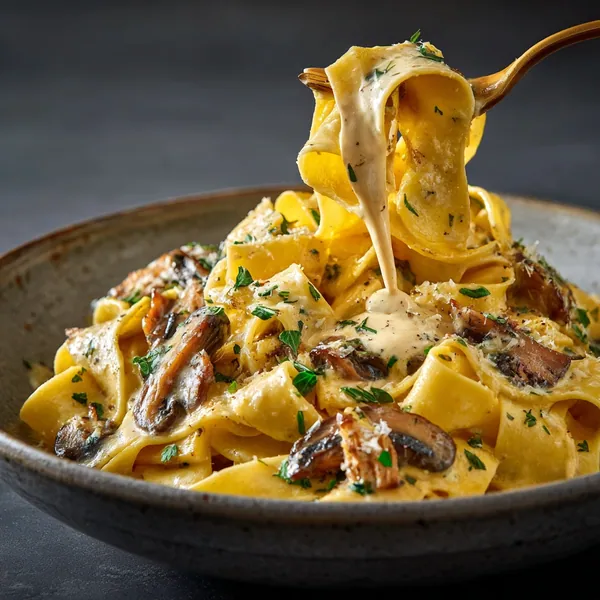
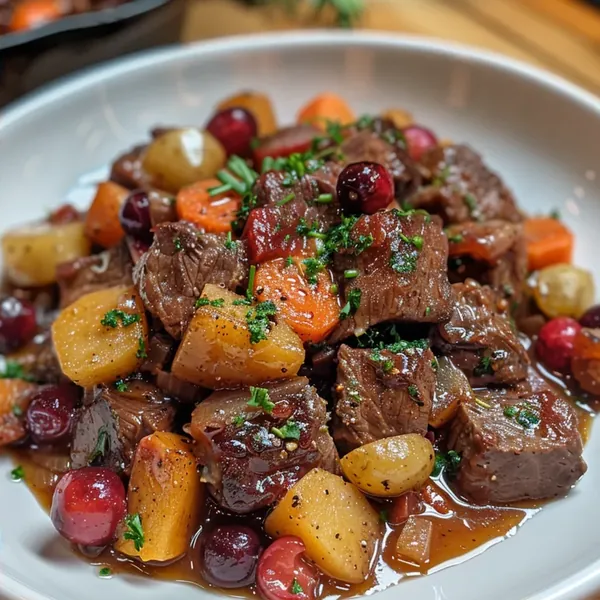
Beef ragu with pappardelle is a rich, slow-cooked Italian meat sauce paired with broad ribbons of pasta. This hearty and comforting dish is rooted in traditional Italian cuisine, especially popular in regions like Tuscany and Emilia-Romagna. Known for its deep flavor and melt-in-your-mouth texture, beef ragu is the result of hours of simmering meat, vegetables, herbs, and tomatoes until everything blends into a luxurious sauce.
Pappardelle, with its wide and flat shape, is the ideal pasta for holding and delivering every bit of the savory sauce. Together, they create a restaurant-quality meal that’s perfect for Sunday dinners, special occasions, or simply when you’re craving a satisfying homemade dish.
In this article, you’ll learn everything from choosing the best cut of beef and pasta to cooking tips, serving suggestions, and answers to common questions. Whether you’re a seasoned cook or a curious beginner, this guide will help you master beef ragu with pappardelle.
What Is Beef Ragu?
Beef ragu is a slow-cooked meat sauce that originates from Italy. It is traditionally made by browning beef and then braising it with aromatics, tomato products, herbs, wine, and broth. The result is a rich, thick sauce where the meat becomes tender enough to shred, melding beautifully with the base flavors.
While often confused with Bolognese, ragu is a broader term. Bolognese is a specific type of ragu from Bologna that typically includes milk and a finer meat texture, usually ground beef. In contrast, beef ragu often uses larger chunks or shredded pieces of meat for a more rustic feel. The flavor is deeper and more intense, ideal for long pasta varieties.
Ragu has many regional variations across Italy. In southern areas, it’s often tomato-forward and cooked with pork or lamb. In the north, it might be enriched with butter, wine, and even mushrooms. Despite these differences, all ragus share the common goal of being comforting, deeply flavored sauces meant to be served with hearty pasta.
Beef ragu is more than just a sauce; it’s a traditional dish that showcases slow cooking at its best, allowing simple ingredients to transform into something special with time and care.
Why Pappardelle Is the Perfect Pasta for Beef Ragu
Pappardelle is a wide, ribbon-like pasta that originates from Tuscany, a region known for robust, meat-based sauces like beef ragu. Its broad surface area and slightly rough texture make it ideal for capturing thick, hearty sauces. Unlike thinner pasta shapes such as spaghetti or linguine, pappardelle holds up well to long-cooked sauces and clings to every strand of meat and tomato.
This pasta is traditionally made with eggs and flour, giving it a rich, tender bite that complements the depth of flavor in beef ragu. The pairing is not only about texture but also balance—pappardelle’s width allows for the perfect ratio of pasta to sauce in every bite.
While other pastas like fettuccine or tagliatelle can work, pappardelle offers the most satisfying eating experience with beef ragu. It elevates the dish from a simple pasta meal to a rustic, indulgent Italian feast.

Ingredients Breakdown
Making beef ragu with pappardelle starts with selecting quality ingredients that contribute to its depth of flavor. Here’s a breakdown of what you’ll need and why each component matters.
Beef: The star of the dish. Look for well-marbled cuts like chuck roast, short ribs, or brisket. These cuts break down over time, creating tender, flavorful meat that shreds easily into the sauce.
Aromatics: A classic soffritto—onion, carrot, and celery—forms the flavor base. Garlic adds sharpness and depth.
Tomatoes: Crushed tomatoes or tomato passata are used as the sauce foundation. Tomato paste enhances the umami and adds a rich, concentrated flavor.
Wine: Red wine, such as Chianti or Cabernet Sauvignon, is essential for deglazing the pan and infusing complexity. It should be a wine you’d enjoy drinking.
Broth: Beef or vegetable broth adds moisture and deepens the savory profile of the sauce during the long simmer.
Herbs and Seasoning: Fresh or dried rosemary, thyme, and bay leaves offer earthiness and aroma. Salt and freshly ground black pepper are adjusted throughout cooking.
Optional Additions: A parmesan rind can be simmered in the sauce for added depth. Pancetta, for a smoky note, and a splash of cream or milk can balance acidity.
Each ingredient plays a role in layering flavor and texture, turning a handful of pantry staples into a luxurious, slow-cooked sauce.
Choosing the Right Cut of Beef for Ragu
The key to a tender and flavorful beef ragu lies in selecting the right cut of meat. The best choices are well-marbled, tougher cuts that become melt-in-your-mouth tender when cooked slowly over low heat.
Chuck roast is the most commonly recommended cut due to its balance of fat and connective tissue, which breaks down beautifully during braising. Other excellent options include beef brisket, which offers a deeper beefy flavor, and bone-in short ribs, which add richness and body to the sauce thanks to the marrow.
Avoid lean cuts like sirloin or tenderloin, which can dry out and become tough when cooked for long periods. The slow cooking process is designed to extract flavor and tenderness from the connective tissue, so fattier cuts are ideal.
Cut the beef into large chunks rather than small cubes. This helps retain moisture and makes shredding easier once the meat is cooked through and fork-tender.
How to Make Beef Ragu with Pappardelle – Step-by-Step
Making beef ragu from scratch is a labor of love, but each step builds rich, layered flavor. Here is a simple, step-by-step guide:
1. Brown the Beef:
Start by seasoning the beef generously with salt and pepper. Heat olive oil in a heavy-bottomed pot or Dutch oven over medium-high heat. Sear the beef in batches to develop a deep crust, then set aside.
2. Build the Base:
Lower the heat and add chopped onions, carrots, and celery to the pot. Sauté for about 10 minutes until soft and golden. Add minced garlic and tomato paste, cooking for 1–2 minutes to caramelize and deepen flavor.
3. Deglaze with Wine:
Pour in red wine to deglaze the pan, scraping up all browned bits from the bottom. Let it simmer for a few minutes to reduce slightly.
4. Simmer the Sauce:
Add the seared beef back to the pot along with crushed tomatoes, beef broth, bay leaves, rosemary, and thyme. Bring to a simmer, then cover and reduce the heat. Cook gently for 2.5 to 3 hours, stirring occasionally, until the beef is fork-tender.
5. Shred and Finish:
Remove the beef, shred it with two forks, and return it to the pot. Let it simmer uncovered for 15–20 minutes to thicken the sauce. Adjust seasoning with salt and pepper.
6. Combine with Pasta:
Toss the cooked pappardelle directly into the ragu, adding a splash of pasta water if needed. Mix well and serve hot, garnished with fresh herbs or grated parmesan if desired.
Slow Cooker and Instant Pot Variations
Slow Cooker Method:
After browning the beef and sautéing the aromatics on the stovetop, transfer everything to a slow cooker. Add tomatoes, wine, broth, and herbs. Cook on low for 8–9 hours or on high for 4–5 hours, until the beef is tender and can be shredded easily. Finish by simmering with the lid off to thicken the sauce, if necessary.
Instant Pot Method:
Use the sauté function to brown the beef and cook the vegetables. Add remaining ingredients, then seal the lid. Pressure cook on high for 45 minutes with a natural release of 15 minutes. Shred the beef and reduce the sauce on sauté mode until thickened.
Both methods save time and maintain flavor. Just remember: for optimal taste, always brown the meat before slow cooking or pressure cooking.

Tips for the Perfect Beef Ragu
-
Use well-marbled beef: Cuts like chuck roast yield the most tender texture after hours of braising.
-
Don’t skip the browning step: Searing the beef develops rich, complex flavor at the start.
-
Simmer low and slow: Allowing the sauce to cook gently over time ensures the beef becomes tender and the flavors deepen.
-
Use a good quality red wine: Choose a wine you’d enjoy drinking to enhance the flavor profile of the ragu.
-
Balance the acidity: If the sauce tastes too acidic, a small amount of sugar or a splash of milk can help mellow it.
-
Add umami boosters: A parmesan rind, anchovy paste, or a bit of soy sauce can add depth.
-
Let it rest: Like many slow-cooked dishes, ragu tastes even better the next day after the flavors have melded overnight.
How to Cook and Serve Pappardelle
Pappardelle can be either fresh or dried. Bring a large pot of salted water to a boil. Cook fresh pappardelle for 2–4 minutes or dried for 7–9 minutes, until al dente. Reserve a cup of pasta water before draining.
Do not rinse the pasta. Instead, transfer it directly into the ragu, tossing gently to coat. Add reserved pasta water a little at a time if the sauce needs loosening. This helps the sauce cling better and creates a silky finish. Serve immediately, optionally topped with grated Parmesan or fresh herbs like basil or parsley.
Best Side Dishes and Wine Pairings
Beef ragu with pappardelle is a rich, filling dish, so simple sides work best. A crusty loaf of Italian bread or garlic ciabatta is perfect for soaking up the sauce. For freshness, consider an arugula salad with lemon vinaigrette or roasted seasonal vegetables like zucchini or carrots.
For wine, choose bold reds that can stand up to the richness of the dish. Italian wines such as Chianti Classico, Barolo, or Montepulciano d’Abruzzo are ideal. Their acidity and tannins complement the fatty beef and tomato base, enhancing the overall dining experience.
Storing and Reheating Leftovers
Beef ragu stores very well and even improves in flavor after a day. Let it cool completely before transferring to an airtight container. It will keep in the refrigerator for up to 4 days or in the freezer for up to 3 months.
To reheat, place in a saucepan over low heat and stir occasionally until warmed through. If the sauce is too thick, add a splash of water or broth to loosen. For frozen ragu, thaw overnight in the fridge before reheating. Avoid microwaving the pasta and sauce together, as this may affect texture.
FAQs Section
Q1: What cut of beef is best for beef ragu?
The best cuts are chuck roast, brisket, or short ribs. These cuts contain enough fat and connective tissue to break down during long cooking, resulting in tender, flavorful meat.
Q2: What is the difference between ragu and Bolognese?
Ragu is a general term for Italian meat sauces, while Bolognese is a specific ragu from Bologna, typically made with ground meat, milk, and less tomato. Beef ragu uses chunks or shredded beef and tends to be richer and more rustic.
Q3: Can I freeze beef ragu with pappardelle?
It’s better to freeze the ragu separately and cook fresh pasta when serving. Pasta can become mushy when frozen and reheated. Store the ragu in airtight containers and freeze for up to 3 months.
Q4: How long should ragu cook?
Ragu should simmer gently for at least 2.5 to 3 hours. The longer the cook time, the more flavorful and tender the beef becomes.
Q5: What pasta goes best with beef ragu besides pappardelle?
Tagliatelle, fettuccine, or rigatoni are good alternatives. Choose pasta shapes that can hold thick sauces well for the best experience.

Beef Ragu with Pappardelle
Beef Ragu with Pappardelle is a comforting, slow-cooked Italian dish that brings together tender shredded beef and a rich tomato-based sauce. Simmered with red wine, aromatics, and herbs, this hearty ragu clings beautifully to wide ribbons of pappardelle pasta. Perfect for Sunday dinners or special occasions, it’s a soul-warming meal full of depth and flavor. Serve it with a simple green salad and a glass of bold red wine for an authentic Italian experience at home.
Ingredients
- 2 pounds (900g) beef chuck roast or stew beef (cut into chunks)
- 3 tablespoons olive oil (for searing and cooking)
- 1 large onion, finely chopped
- 2 carrots, peeled and chopped
- 2 celery stalks, chopped
- 4 cloves garlic, minced
- 1 can (28 oz) crushed tomatoes
- 2 cups beef broth (Halal-certified)
- 2 tablespoons tomato paste
- 1 teaspoon dried oregano
- 1 teaspoon dried thyme
- 2 bay leaves
- Salt and pepper to taste
- 1 pound (450g) pappardelle pasta (Halal-certified)
- Freshly grated Parmesan cheese (optional, for serving)
- Fresh basil or parsley (optional, for garnish)
Instructions
- Beef Chuck Roast: Chuck roast is ideal for slow-cooking, as it becomes tender and flavorful after hours of simmering. This cut is both economical and perfect for making ragu.
- The crushed tomatoes form the base of the ragu sauce, providing a rich, tomatoey flavor.
- Halal-certified beef broth adds depth to the ragu without compromising on flavor. It enhances the beefy taste and makes the sauce even richer.
- Pappardelle is a large, flat pasta that’s perfect for a thick, chunky ragu. Its wide surface area ensures each bite is filled with sauce.
- The combination of garlic, oregano, thyme, and bay leaves infuses the sauce with aromatic flavors, enhancing the overall taste of the dish.