In this article
- A Classic Southern Dessert
- Why This Cake Stands the Test of Time
- Ingredients for Old-Fashioned Peanut Butter Cake
- Essential Ingredients for the Cake
- Optional Add-Ins
- Step-by-Step Instructions for Old-Fashioned Peanut Butter Cake
- Step 1: Gather Your Ingredients and Preheat the Oven
- Step 2: Prepare the Dry Ingredients
- Step 3: Cream the Butter, Sugar, and Peanut Butter
- Step 4: Add the Eggs and Vanilla
- Step 5: Alternate Adding Dry Ingredients and Buttermilk
- Step 6: Pour Batter into the Pan and Bake
- Step 7: Cool the Cake Properly
- Peanut Butter Frosting & Toppings
- Classic Creamy Peanut Butter Frosting
- Alternative Peanut Butter Toppings
- Tips for the Best Peanut Butter Cake
- 1. Use the Right Peanut Butter
- 2. Measure Ingredients Accurately
- 3. Don’t Overmix the Batter
- 4. Keep the Cake Moist
- 5. Let the Cake Cool Before Frosting
- 6. Customize with Add-Ins
- The History of Peanut Butter Cake
- Popular Variations of Peanut Butter Cake
- 1. Classic Peanut Butter Cake with Frosting
- 2. Chocolate Peanut Butter Cake
- 3. Peanut Butter Banana Cake
- 4. Peanut Butter Sheet Cake
- 5. Peanut Butter and Jelly Cake
- 6. Gluten-Free or Vegan Peanut Butter Cake
- How to Store & Freeze Peanut Butter Cake
- Storing at Room Temperature
- Refrigerating the Cake
- Freezing Peanut Butter Cake
- Common Mistakes & How to Fix Them
- 1. Cake is Too Dry
- 2. Cake is Too Dense
- 3. Frosting is Too Runny
- 4. Cake Sinks in the Middle
- Frequently Asked Questions (FAQs)
Few desserts capture the heart of home baking quite like an old-fashioned peanut butter cake. With its rich, nutty flavor and tender, moist crumb, this classic treat is a nostalgic favorite, often reminding people of childhood memories, family gatherings, and cozy afternoons in Grandma’s kitchen. Whether topped with a creamy peanut butter frosting or enjoyed plain with a cup of coffee, peanut butter cake is a beloved staple in American baking.
A Classic Southern Dessert
Peanut butter cake has deep roots in Southern cuisine, where simple, hearty ingredients have long been transformed into rich, comforting desserts. Historically, peanut butter became popular in the early 20th century when it was mass-produced and marketed as a nutritious, high-protein food. Home bakers quickly discovered that its creamy consistency and distinct flavor made it an excellent addition to cakes, cookies, and other baked goods.
Old-fashioned peanut butter cake recipes were commonly found in church cookbooks, community recipe collections, and passed down through generations. These cakes were often baked in sheet pans or round layers, sometimes topped with a warm peanut butter glaze or a thick, homemade frosting. The simplicity of the recipe made it a household favorite, requiring just a few pantry staples to create a decadent, flavorful dessert.
Why This Cake Stands the Test of Time
One of the reasons peanut butter cake remains so popular is its versatility. It can be baked as a sheet cake, layered with frosting, or even transformed into cupcakes. The rich peanut butter flavor pairs beautifully with chocolate, caramel, bananas, or even a hint of cinnamon, making it easy to customize based on personal preference.
Beyond its taste, this cake embodies the spirit of traditional baking—a dessert made from scratch, with simple ingredients and a touch of love. In an era where processed desserts dominate grocery store shelves, old-fashioned peanut butter cake offers a comforting return to homemade goodness.
Ingredients for Old-Fashioned Peanut Butter Cake
To create a rich, moist, and flavorful old-fashioned peanut butter cake, you’ll need a handful of simple pantry staples. Each ingredient plays a key role in the cake’s texture, taste, and overall success. Here’s a breakdown of what you’ll need and why each ingredient is important.
Essential Ingredients for the Cake
Dry Ingredients
- 2 cups all-purpose flour – Provides structure and stability to the cake.
- 1 ½ teaspoons baking powder – Helps the cake rise and become light.
- ½ teaspoon baking soda – Works with the buttermilk to enhance fluffiness.
- ½ teaspoon salt – Balances the sweetness and enhances flavor.
Wet Ingredients
- ½ cup unsalted butter (softened) – Adds moisture and a rich, buttery flavor.
- 1 cup creamy peanut butter – The star ingredient! Choose a high-quality peanut butter for the best taste.
- 1 ½ cups granulated sugar – Sweetens the cake and contributes to a soft texture.
- 2 large eggs – Provide structure and help bind the ingredients together.
- 1 teaspoon vanilla extract – Adds warmth and depth to the flavor.
- 1 cup buttermilk – Makes the cake tender and moist while reacting with the baking soda to help it rise.
Optional Add-Ins
Want to customize your peanut butter cake? Try adding:
- ½ cup chocolate chips – For a peanut butter-chocolate twist.
- ½ cup chopped peanuts – Adds a crunchy texture.
- ½ teaspoon cinnamon – Enhances the flavor with a warm, spiced note.
Step-by-Step Instructions for Old-Fashioned Peanut Butter Cake
Making an old-fashioned peanut butter cake is a straightforward process, but following the right steps ensures a moist, fluffy, and flavorful cake. Below is a detailed, step-by-step guide to baking this classic treat.
Step 1: Gather Your Ingredients and Preheat the Oven
Before you start mixing, make sure you have all your ingredients at room temperature. This helps everything combine smoothly for a better-textured cake.
- Preheat your oven to 350°F (175°C).
- Grease and flour a 9×13-inch baking pan or two 8-inch round cake pans for a layered cake.
Step 2: Prepare the Dry Ingredients
In a medium-sized mixing bowl, whisk together:
2 cups all-purpose flour
1 ½ teaspoons baking powder
½ teaspoon baking soda
½ teaspoon salt
Set this mixture aside while you prepare the wet ingredients.
Step 3: Cream the Butter, Sugar, and Peanut Butter
In a large mixing bowl, use a hand mixer or stand mixer to cream together:
½ cup unsalted butter (softened)
1 cup creamy peanut butter
1 ½ cups granulated sugar
- Beat on medium speed for about 2–3 minutes until light and fluffy.
- This step helps incorporate air into the batter for a soft cake texture.
Step 4: Add the Eggs and Vanilla
- Beat in 2 large eggs, one at a time, until fully incorporated.
- Mix in 1 teaspoon vanilla extract for extra flavor.
Scrape down the sides of the bowl to ensure everything is evenly combined.
Step 5: Alternate Adding Dry Ingredients and Buttermilk
To keep the batter smooth, alternate between adding the dry ingredients and the buttermilk:
Add ⅓ of the dry mixture, mix on low speed.
Pour in ½ cup buttermilk, mix again.
Repeat with the remaining dry ingredients and the rest of the buttermilk.
Mix just until combined—overmixing can make the cake dense instead of fluffy.
Step 6: Pour Batter into the Pan and Bake
- Pour the batter evenly into the prepared baking pan(s).
- Smooth the top with a spatula to ensure even baking.
- Place in the preheated oven and bake:
- 30–35 minutes for a 9×13-inch cake
- 25–30 minutes for 8-inch round cakes
- 20–22 minutes for cupcakes
To check for doneness, insert a toothpick in the center. If it comes out clean or with a few moist crumbs, the cake is ready!
Step 7: Cool the Cake Properly
- Let the cake cool in the pan for 10 minutes.
- Then, transfer to a wire rack and let it cool completely before adding frosting.
Peanut Butter Frosting & Toppings
No old-fashioned peanut butter cake is complete without a rich, creamy peanut butter frosting. This frosting enhances the cake’s nutty flavor while adding a smooth, luscious texture. Whether you prefer a thick, buttery frosting or a lighter glaze, this section will guide you through making the perfect topping for your cake.
Classic Creamy Peanut Butter Frosting
This buttery, sweet, and smooth peanut butter frosting is a classic choice that pairs perfectly with peanut butter cake.
Ingredients:
½ cup unsalted butter (softened) – Adds richness and smooth texture.
1 cup creamy peanut butter – The star ingredient for a deep peanut butter flavor.
2 cups powdered sugar – Sweetens and thickens the frosting.
¼ cup heavy cream or milk – Helps achieve the desired consistency.
1 teaspoon vanilla extract – Enhances flavor.
¼ teaspoon salt – Balances sweetness.
Instructions:
Cream the Butter and Peanut Butter – In a mixing bowl, beat butter and peanut butter until light and fluffy (about 2 minutes).
Add Powdered Sugar – Gradually mix in powdered sugar to avoid lumps.
Add Liquid Ingredients – Pour in heavy cream (or milk), vanilla extract, and salt.
Beat Until Smooth – Continue mixing until the frosting is light, creamy, and spreadable.
Tip: If the frosting is too thick, add more cream (1 tablespoon at a time). If too thin, add a bit more powdered sugar.

Alternative Peanut Butter Toppings
If you want a different topping, try these variations:
1. Peanut Butter Glaze (Thin & Drizzly)
- ½ cup peanut butter
- ¼ cup powdered sugar
- 3–4 tablespoons milk
- ½ teaspoon vanilla extract
Mix all ingredients until smooth and drizzle over the cake for a light, sweet coating.
2. Chocolate-Peanut Butter Ganache
- ½ cup chocolate chips
- ¼ cup heavy cream
- 2 tablespoons peanut butter
Melt ingredients together, stir until smooth, and pour over the cake for a rich chocolate-peanut butter topping.
3. Crunchy Peanut Butter Topping
- ½ cup chopped peanuts
- 2 tablespoons caramel sauce
Sprinkle chopped peanuts over the frosting and drizzle caramel for extra texture and sweetness.
Tips for the Best Peanut Butter Cake
Baking a perfect old-fashioned peanut butter cake requires more than just following a recipe—it’s about using the right techniques to achieve a moist, flavorful, and tender cake. Here are some expert tips to ensure the best results every time!
1. Use the Right Peanut Butter
- Best choice: Regular creamy peanut butter (like Jif or Skippy) provides a smooth, consistent texture.
- Avoid: Natural peanut butter (the kind that separates) can make the cake too oily or dry.
2. Measure Ingredients Accurately
- Spoon and level flour (don’t scoop) to prevent a dense cake.
- Use a kitchen scale for precise measurements, especially for sugar and peanut butter.
3. Don’t Overmix the Batter
- Mix just until combined after adding the dry ingredients—overmixing can make the cake tough.
- If using an electric mixer, mix on low speed once flour is added.
4. Keep the Cake Moist
- Buttermilk adds moisture and enhances flavor—don’t substitute it with regular milk unless necessary.
- Don’t overbake! Check doneness by inserting a toothpick—it should come out with a few moist crumbs, not wet batter.
5. Let the Cake Cool Before Frosting
- Allow the cake to cool completely before spreading frosting; otherwise, it can melt and slide off.
- For easier frosting application, chill the cake for 20 minutes in the fridge before frosting.
6. Customize with Add-Ins
- For extra crunch: Add chopped peanuts to the batter.
- For a chocolate twist: Swirl in melted chocolate or sprinkle chocolate chips into the batter.
The History of Peanut Butter Cake
Peanut butter cake is a beloved American dessert with roots that trace back to the early 20th century when peanut butter became widely available. Though peanut butter itself has been around for centuries—dating back to the Aztecs and Incas—it wasn’t until the late 1800s that modern peanut butter was developed, thanks to innovators like John Harvey Kellogg and George Washington Carver.
By the early 1900s, peanut butter had become a household staple, appearing in sandwiches, cookies, and cakes. During the Great Depression, peanut butter was an affordable protein source, making it a popular ingredient in home baking. Many church cookbooks and family recipe collections from the 1930s and 1940s featured peanut butter cake as a simple yet delicious treat that could be made with pantry staples.
Peanut butter cake gained even more popularity in the 1950s and 1960s, especially in the Southern U.S., where rich, comforting desserts were a hallmark of home cooking. Families often baked it for special occasions, topping it with peanut butter frosting or a simple powdered sugar glaze. Over time, variations emerged, including the addition of chocolate, caramel, and bananas.
Today, old-fashioned peanut butter cake remains a nostalgic favorite, reminding many of childhood memories and homemade family desserts. While new variations continue to evolve, the classic version—moist, nutty, and topped with creamy frosting—has stood the test of time.
Popular Variations of Peanut Butter Cake
Peanut butter cake is incredibly versatile, allowing for a range of delicious variations to suit different tastes. Here are some of the most popular versions:
1. Classic Peanut Butter Cake with Frosting
- A soft, moist peanut butter-flavored cake topped with a creamy peanut butter frosting.
- Sometimes finished with chopped peanuts or a light caramel drizzle.
2. Chocolate Peanut Butter Cake
- Peanut butter cake layers filled or topped with chocolate ganache or frosting.
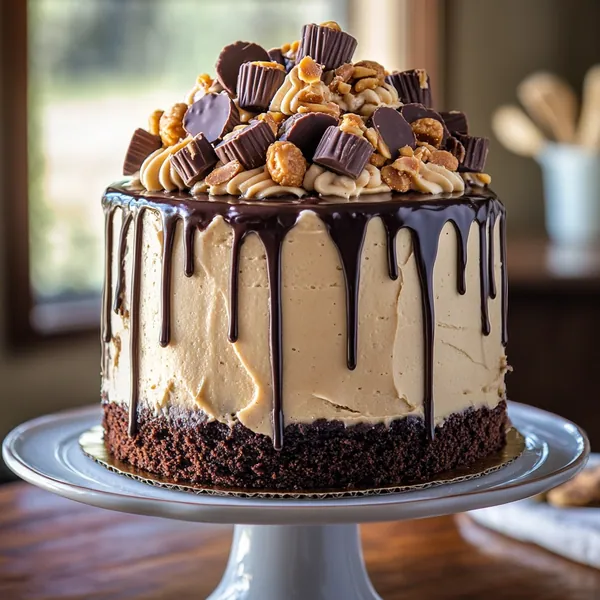
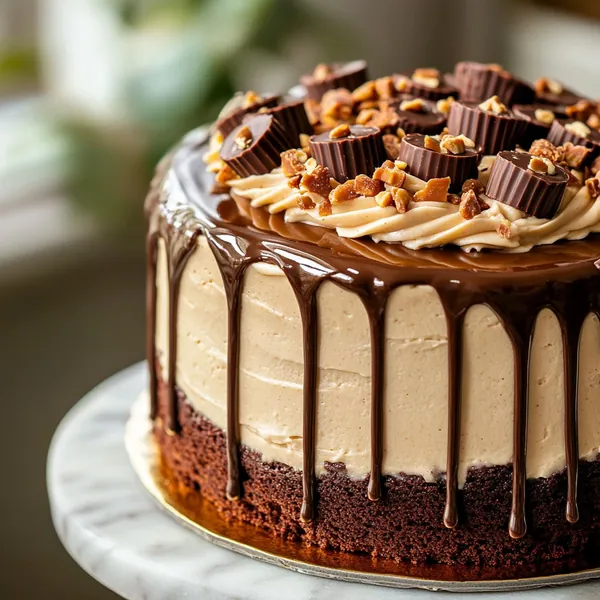
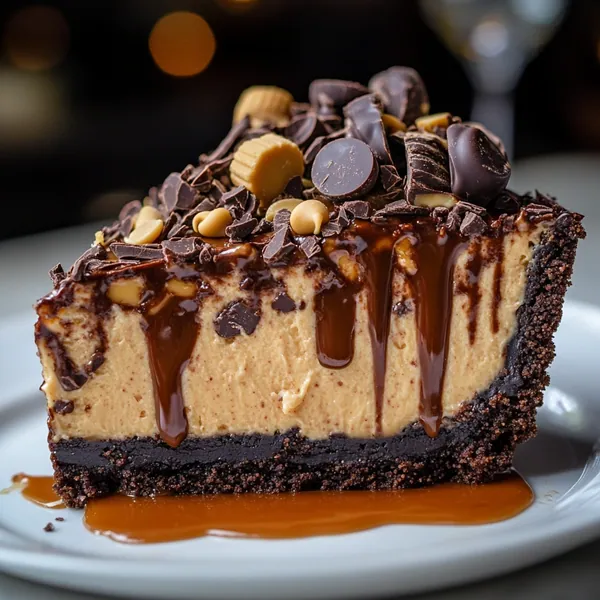
- A favorite among chocolate lovers, often decorated with peanut butter cups.
3. Peanut Butter Banana Cake
- Combines mashed bananas with peanut butter for a naturally sweet and moist cake.
- Sometimes topped with cream cheese frosting for extra richness.
4. Peanut Butter Sheet Cake
- Baked in a large sheet pan, making it easy for feeding a crowd.
- Often paired with peanut butter glaze or a simple buttercream frosting.
5. Peanut Butter and Jelly Cake
- Inspired by the classic PB&J sandwich, this version features layers of peanut butter cake with jam or jelly filling.
- Often topped with peanut butter frosting and extra drizzles of jam.
6. Gluten-Free or Vegan Peanut Butter Cake
- Uses almond flour or oat flour for a gluten-free version.
- Dairy and egg substitutes (like applesauce or flax eggs) make it vegan-friendly.

How to Store & Freeze Peanut Butter Cake
Proper storage helps maintain the moisture and flavor of your peanut butter cake, ensuring it stays fresh for days. Whether you’re keeping it at room temperature or freezing it for later, follow these tips for the best results.
Storing at Room Temperature
- If unfrosted, keep the cake in an airtight container or wrap it tightly with plastic wrap.
- If frosted, store it in a cake carrier or loosely cover it with plastic wrap to protect the frosting.
- Keep at room temperature (70°F or below) for up to 3 days.
Refrigerating the Cake
- If your cake has cream cheese frosting or perishable toppings, refrigerate it.
- Place in an airtight container or wrap it well to prevent it from absorbing fridge odors.
- Let it sit at room temperature for 20–30 minutes before serving to soften.
- Can last up to 5 days in the fridge.
Freezing Peanut Butter Cake
For Whole Cakes:
Wrap the cake tightly in plastic wrap, then a layer of aluminum foil.
Store in an airtight container or freezer bag.
Freeze for up to 3 months.
For Cake Slices:
Wrap individual slices in plastic wrap, then place in a freezer bag.
Thaw at room temperature for 1–2 hours or in the fridge overnight.
Proper storage ensures your peanut butter cake stays fresh, moist, and delicious even after a few days or weeks!
Common Mistakes & How to Fix Them
Even experienced bakers can run into issues when making peanut butter cake. Here are some common mistakes and how to fix them.
1. Cake is Too Dry
Why it happens: Overbaking, too much flour, or not enough fat.
How to fix it:
- Check for doneness 5 minutes before the suggested baking time.
- Use the spoon-and-level method to measure flour properly.
- Add an extra tablespoon of oil or buttermilk next time for moisture.
2. Cake is Too Dense
Why it happens: Overmixing the batter or not enough leavening.
How to fix it:
- Mix only until the ingredients are combined.
- Ensure baking powder and baking soda are fresh and active.
3. Frosting is Too Runny
Why it happens: Too much liquid or warm ingredients.
How to fix it:
- Add more powdered sugar, ¼ cup at a time, to thicken.
- Chill the frosting in the fridge for 15–20 minutes before using.
4. Cake Sinks in the Middle
Why it happens: Opening the oven door too soon or underbaking.
How to fix it:
- Don’t open the oven before 20 minutes of baking.
- Ensure the cake is fully baked by using a toothpick test.
Frequently Asked Questions (FAQs)
Here are answers to some of the most common questions about making old-fashioned peanut butter cake.
1. Can I make peanut butter cake without eggs?
Yes! Substitute ¼ cup applesauce or mashed banana for each egg. You can also use a flax egg (1 tablespoon ground flaxseed + 3 tablespoons water).
2. What’s the best peanut butter for baking?
Use regular creamy peanut butter (like Jif or Skippy) for the best texture. Avoid natural peanut butter, as the oil separation can affect the cake’s consistency.
3. Can I make a dairy-free version of peanut butter cake?
Yes! Use almond milk or oat milk instead of buttermilk, and replace butter with vegan butter or coconut oil.
4. How do I make this cake gluten-free?
Substitute gluten-free all-purpose flour (1:1 ratio). Check that your baking powder and other ingredients are also gluten-free.
5. Can I use chunky peanut butter instead of creamy?
Yes! Chunky peanut butter will add small peanut bits to the cake for extra texture.
6. How long does peanut butter cake last?
At room temperature: 3 days
In the fridge: 5 days
In the freezer: 3 months
Old-Fashioned Peanut Butter Cake
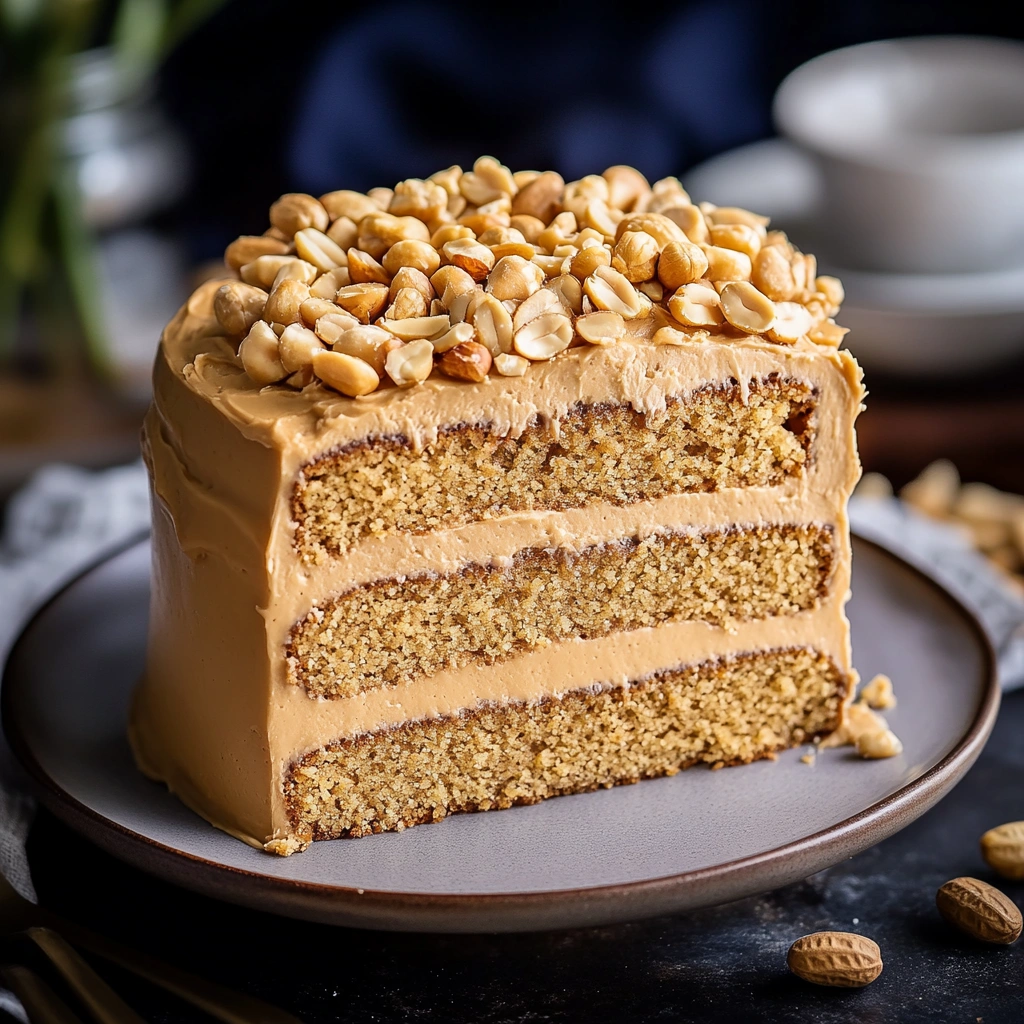
This Old-Fashioned Peanut Butter Cake is a rich, moist, and flavorful dessert that brings a nostalgic touch to any occasion. Made with creamy peanut butter, buttermilk, and a handful of simple pantry staples, this cake has a soft crumb and a deep peanut butter flavor that pairs perfectly with a luscious peanut butter frosting. A classic Southern favorite, this cake has been enjoyed for generations—often baked for family gatherings, potlucks, and special occasions. Whether you keep it simple or add variations like chocolate chips, a drizzle of caramel, or crunchy peanuts, this homemade peanut butter cake is guaranteed to be a hit. With its easy-to-follow recipe and minimal prep time, this cake is perfect for both beginners and experienced bakers. Plus, it can be made as a sheet cake, layer cake, or even cupcakes, making it incredibly versatile!
Ingredients
- 2 cups all-purpose flour
- 2 teaspoons baking powder
- 1/2 teaspoon baking soda
- 1/2 teaspoon salt
- 1/2 cup unsalted butter, softened
- 1 cup creamy peanut butter
- 1 cup granulated sugar
- 1 cup brown sugar, packed
- 2 large eggs
- 1 teaspoon vanilla extract
- 1 cup buttermilk
- 1/2 cup unsalted butter, softened
- 1/2 cup creamy peanut butter
- 3 cups powdered sugar
- 1/4 cup milk
- 1 teaspoon vanilla extract
Instructions
- Preheat your oven to 350°F (175°C). Grease and flour a 9×13 inch baking pan.
- In a medium bowl, whisk together the flour, baking powder, baking soda, and salt. Set aside.
- In a large bowl, cream together the butter, peanut butter, granulated sugar, and brown sugar until light and fluffy.
- Beat in the eggs one at a time, then stir in the vanilla extract.
- Gradually add the flour mixture to the creamed mixture, alternating with the buttermilk, beginning and ending with the flour mixture. Mix until just combined.
- Pour the batter into the prepared baking pan and smooth the top.
- Bake for 30-35 minutes, or until a toothpick inserted into the center comes out clean.
- Allow the cake to cool completely in the pan on a wire rack.
- For the frosting, cream together the butter and peanut butter until smooth. Gradually add the powdered sugar, milk, and vanilla extract, beating until the frosting is light and fluffy.
- Spread the frosting over the cooled cake. Slice and serve.