In this article
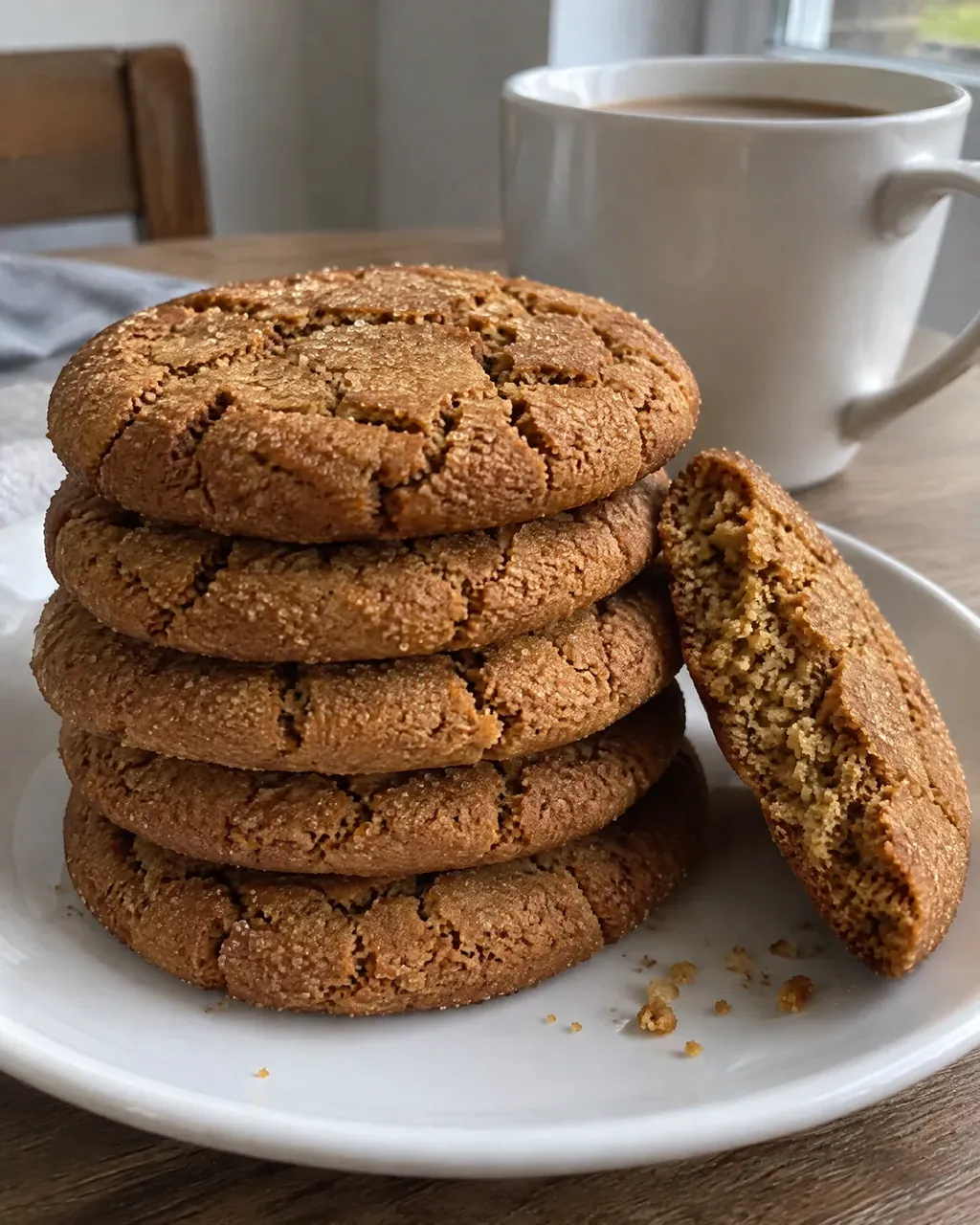
My friend Margaret grew up in Lancashire, and she keeps a tin of ginger nuts on the shelf beside the kettle the way my mother kept saltines. A biscuit, on her side of the ocean, is what I call a cookie, and this one is close to an American gingersnap, only harder. That is the whole point of it. A ginger nut is made to be held in a hot drink for a slow count of three and come out in one piece. Margaret says a count of four is asking for trouble, and that anybody who loses half a biscuit in the tea has only himself to blame.
There are no nuts in a ginger nut and there never were. The name is about the bite. The dough could not be simpler: butter, sugar and golden syrup melted in a pan, flour, ground ginger and baking soda stirred in, and balls rolled between the palms. No cutter, no chilling, no rolling pin. The only thing that takes judgment is the baking, because three minutes is the difference between a biscuit with a chewy middle and one with a hard snap right through. Here are the amounts, and exactly how long to bake them for each.
Why this ginger nuts works
- Melted butter and golden syrup. Melting them together makes a smooth, glossy dough that rolls into balls without sticking, and the syrup is what makes the biscuit hard and snappy once it cools.
- Baking soda and baking powder together. The soda makes the biscuits spread and split, which gives the cracked tops. The baking powder gives a little lift so they are crisp and not dense.
- A full tablespoon of ground ginger. A ginger nut should warm the back of your throat. Less than this and it is only a sweet brown cookie.
- Balls, not cut shapes. A ball flattens and cracks on its own in the oven. Pressing or cutting the dough gives a smooth top with no crackle.
- Cooling on the tray. They leave the oven soft. A few minutes on the hot tray finishes the baking and sets the bottom so they lift off whole.
Ingredients
Makes about 28 biscuits, 2 1/2 inches across. The measurements are in US cups with grams in brackets.
For the biscuits
- 1/2 cup butter (115g), 1 stick, cut in pieces
- 1/4 cup golden syrup (85g), see the note
- 1 cup granulated sugar (200g)
- 2 3/4 cups all-purpose flour (350g)
- 1 tablespoon ground ginger
- 1 teaspoon baking soda
- 2 teaspoons baking powder
- 1/4 teaspoon salt
- 1 large egg, beaten
Golden syrup is a thick amber British cane syrup with a light toffee taste. Many American stores keep it with the baking goods or the imported foods. If you cannot find it, stir together 2 tablespoons mild honey and 2 tablespoons light corn syrup. Do not use molasses, which makes a darker, softer cookie. In Britain use self-raising flour and leave out the baking powder. Check that your ground ginger is fresh: a jar that has sat open for two years has very little heat left in it.
How to make ginger nuts
Make the dough
- Heat the oven to 350 degrees (180°C). Line two large baking sheets with parchment paper.
- Put the butter, golden syrup and sugar in a medium saucepan over low heat. Stir until the butter has melted and the mixture is smooth and glossy. It does not need to boil, and the sugar will not fully dissolve. Take the pan off the heat and let it cool for 5 minutes.
- In a large bowl, whisk together the flour, ground ginger, baking soda, baking powder and salt.
- Pour the warm butter mixture into the flour, add the beaten egg and stir with a wooden spoon until there is no dry flour left. The dough will be soft, warm and a little oily, like play dough. If it is too soft to roll, leave it for 10 minutes and it will firm up.
Shape and bake
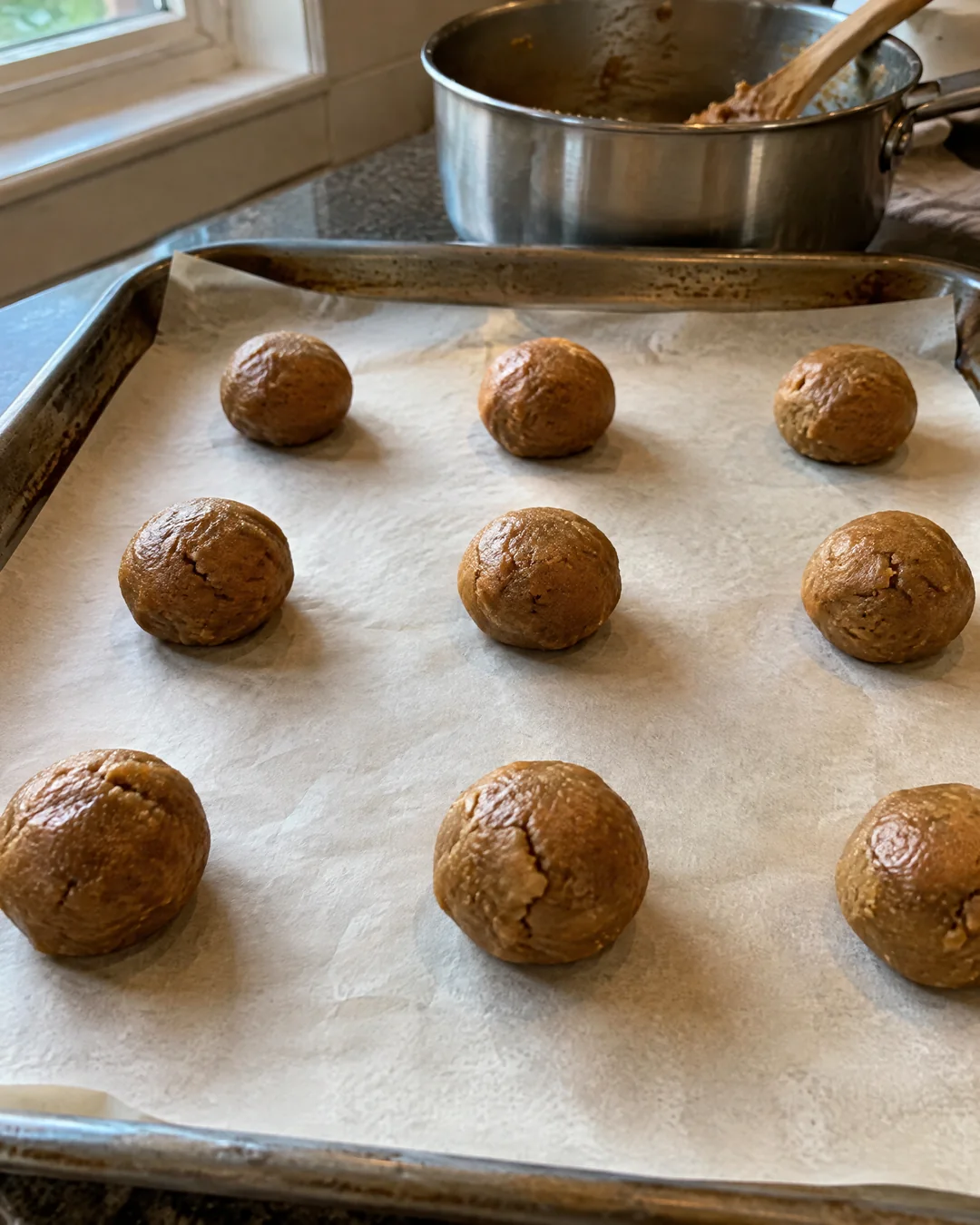
- Scoop out level tablespoons of dough, about 1 ounce (28g) each, and roll them into smooth balls between your palms. Set them on the baking sheets about 2 1/2 inches apart, 9 to a sheet. Do not flatten them.
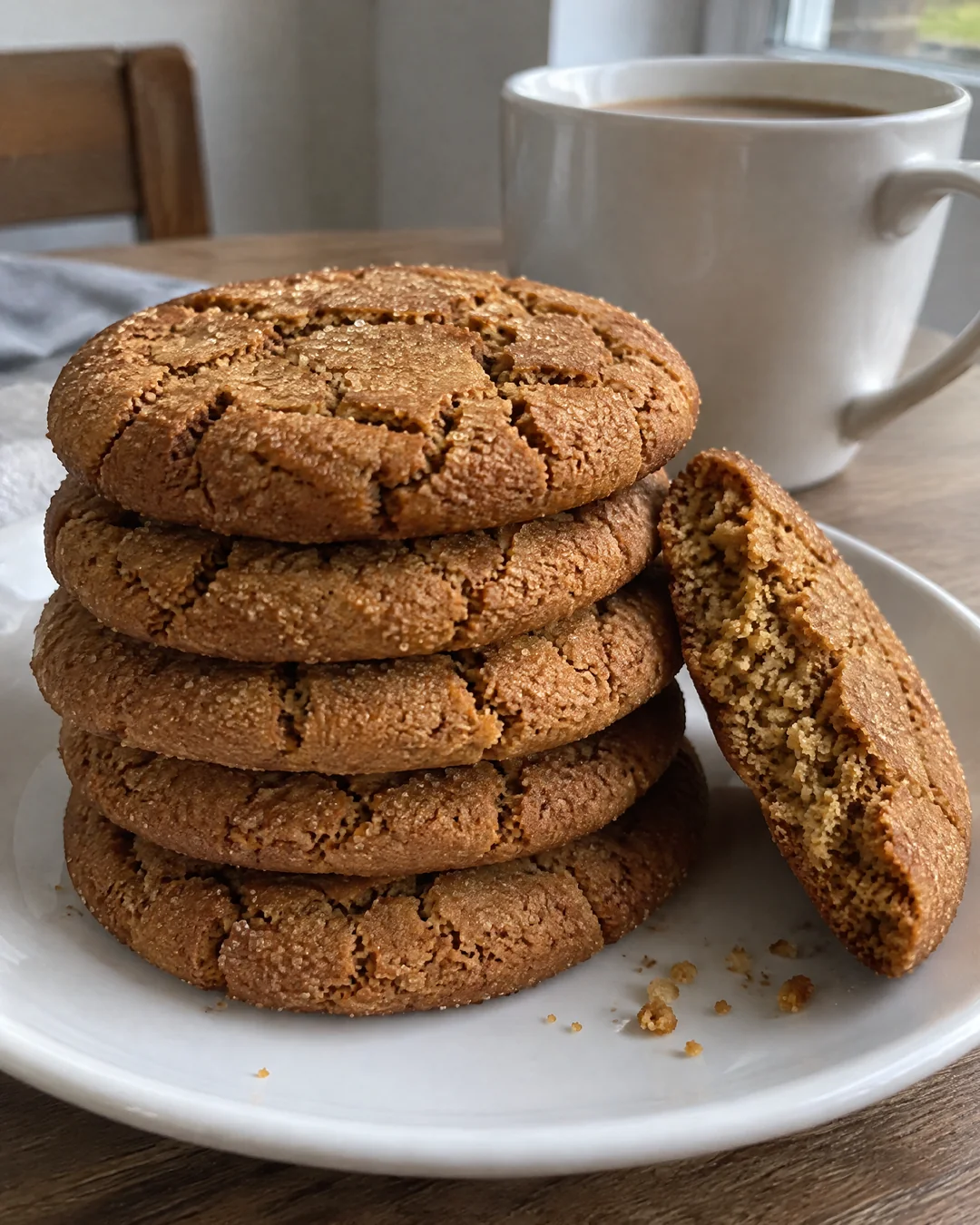
- Bake one sheet at a time on the middle shelf. For a chewy middle with a crisp edge, bake for 12 minutes, until the biscuits have spread, cracked all over and turned golden. For a hard snap right through, the proper dunking biscuit, bake for 15 to 16 minutes, until they are a deep golden brown.
- Leave the biscuits on the hot baking sheet for 5 minutes. They will be soft and puffed when they come out and will sink, firm up and crack a little more as they sit.
- Move them to a wire rack with a thin spatula and cool completely, about 20 minutes. They reach their full hardness only when cold.
- Roll and bake the rest of the dough the same way. Store in an airtight tin as soon as they are cold.
Tips that make the difference
- Judge the baking by color and time, not by touch. A ginger nut is soft in the middle when it leaves the oven no matter how long it has baked, and hardens as it cools.
- Bake one test biscuit first if you do not know your oven. If it is still pale at 12 minutes, your oven runs cool and the rest will need 2 minutes more.
- Leave plenty of room on the tray. They spread to about twice the width of the ball, and biscuits that touch bake into each other and lose their crisp edges.
- Use a cool baking sheet for each batch. Dough set on a hot sheet starts melting before it reaches the oven and spreads too thin.
Variations
- Extra hot. Add 1/4 teaspoon ground black pepper or a pinch of cayenne with the ginger. You will not taste pepper, only more warmth.
- With crystallised ginger. Stir 1/3 cup (55g) of finely chopped crystallised ginger into the dough for chewy pieces in every bite.
- Chocolate dipped. Dip half of each cold biscuit in melted dark chocolate and let it set on parchment paper.
Storage and make-ahead
Kept in an airtight tin at room temperature, ginger nuts stay hard and crisp for 2 weeks. Do not store them with soft cookies or cake, which will soften them.
If they go soft in damp weather, lay them on a baking sheet and put them back in a 300 degree (150°C) oven for 5 minutes, then cool on a rack.
The baked biscuits freeze well for up to 3 months. The balls of raw dough can also be frozen on a tray, bagged, and baked from frozen with 2 extra minutes.
Frequently asked questions
How long do I bake ginger nuts for a hard snap?
For 15 to 16 minutes at 350 degrees (180°C), until they are deep golden brown, then 5 minutes on the hot tray and a full cooling on a rack. For a chewy middle, take them out at 12 minutes, when they are golden and just cracked.
Why did my ginger nuts not crack on top?
Usually the baking soda was old, the dough balls were flattened before baking, or the oven was too cool. The cracks come from the dough spreading while the surface dries, so the balls need to go in round, into a fully heated oven.
Are there nuts in ginger nuts?
No. There are no nuts of any kind in the recipe. The name refers to the hard, nutty bite of the biscuit, in the same way as a doughnut.
What is the American name for a ginger nut?
The closest thing is a gingersnap. A British ginger nut is made with golden syrup in place of molasses, so it is paler, a little less bitter, and usually harder.
Bake them hard, keep them in a tin by the kettle, and count to three.
Ginger Nut Biscuits (The Hard, Crackle-Topped British Cookie Made for Dunking)
British ginger nut biscuits made with butter, golden syrup and ground ginger: rolled into balls, baked until the tops crack all over, and hard enough to dunk in hot tea. With the baking times for a hard snap or a chewy middle.
Ingredients
- 1/2 cup butter (115g), 1 stick, cut in pieces
- 1/4 cup golden syrup (85g), see the note
- 1 cup granulated sugar
- 2 3/4 cups all-purpose flour
- 1 tablespoon ground ginger
- 1 teaspoon baking soda
- 2 teaspoons baking powder
- 1/4 teaspoon salt
- 1 large egg, beaten
Instructions
- Heat the oven to 350 degrees (180°C). Line two large baking sheets with parchment paper.
- Put the butter, golden syrup and sugar in a medium saucepan over low heat. Stir until the butter has melted and the mixture is smooth and glossy. It does not need to boil, and the sugar will not fully dissolve. Take the pan off the heat and let it cool for 5 minutes.
- In a large bowl, whisk together the flour, ground ginger, baking soda, baking powder and salt.
- Pour the warm butter mixture into the flour, add the beaten egg and stir with a wooden spoon until there is no dry flour left. The dough will be soft, warm and a little oily, like play dough. If it is too soft to roll, leave it for 10 minutes and it will firm up.
- Scoop out level tablespoons of dough, about 1 ounce (28g) each, and roll them into smooth balls between your palms. Set them on the baking sheets about 2 1/2 inches apart, 9 to a sheet. Do not flatten them.
- Bake one sheet at a time on the middle shelf. For a chewy middle with a crisp edge, bake for 12 minutes, until the biscuits have spread, cracked all over and turned golden. For a hard snap right through, the proper dunking biscuit, bake for 15 to 16 minutes, until they are a deep golden brown.
- Leave the biscuits on the hot baking sheet for 5 minutes. They will be soft and puffed when they come out and will sink, firm up and crack a little more as they sit.
- Move them to a wire rack with a thin spatula and cool completely, about 20 minutes. They reach their full hardness only when cold.
- Roll and bake the rest of the dough the same way. Store in an airtight tin as soon as they are cold.