In this article
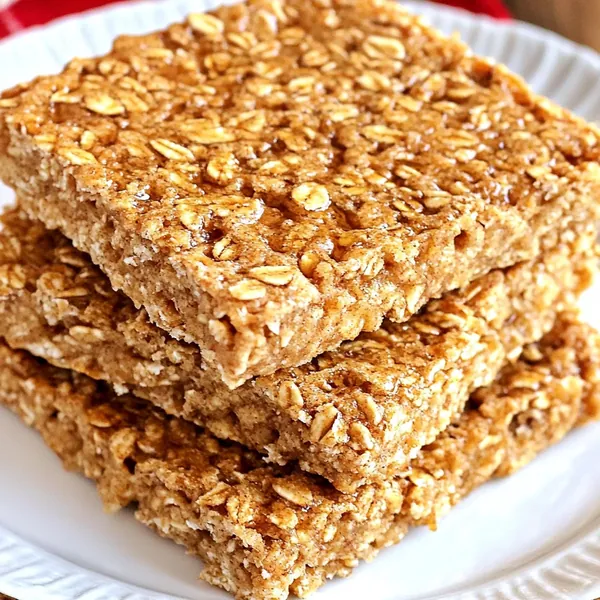
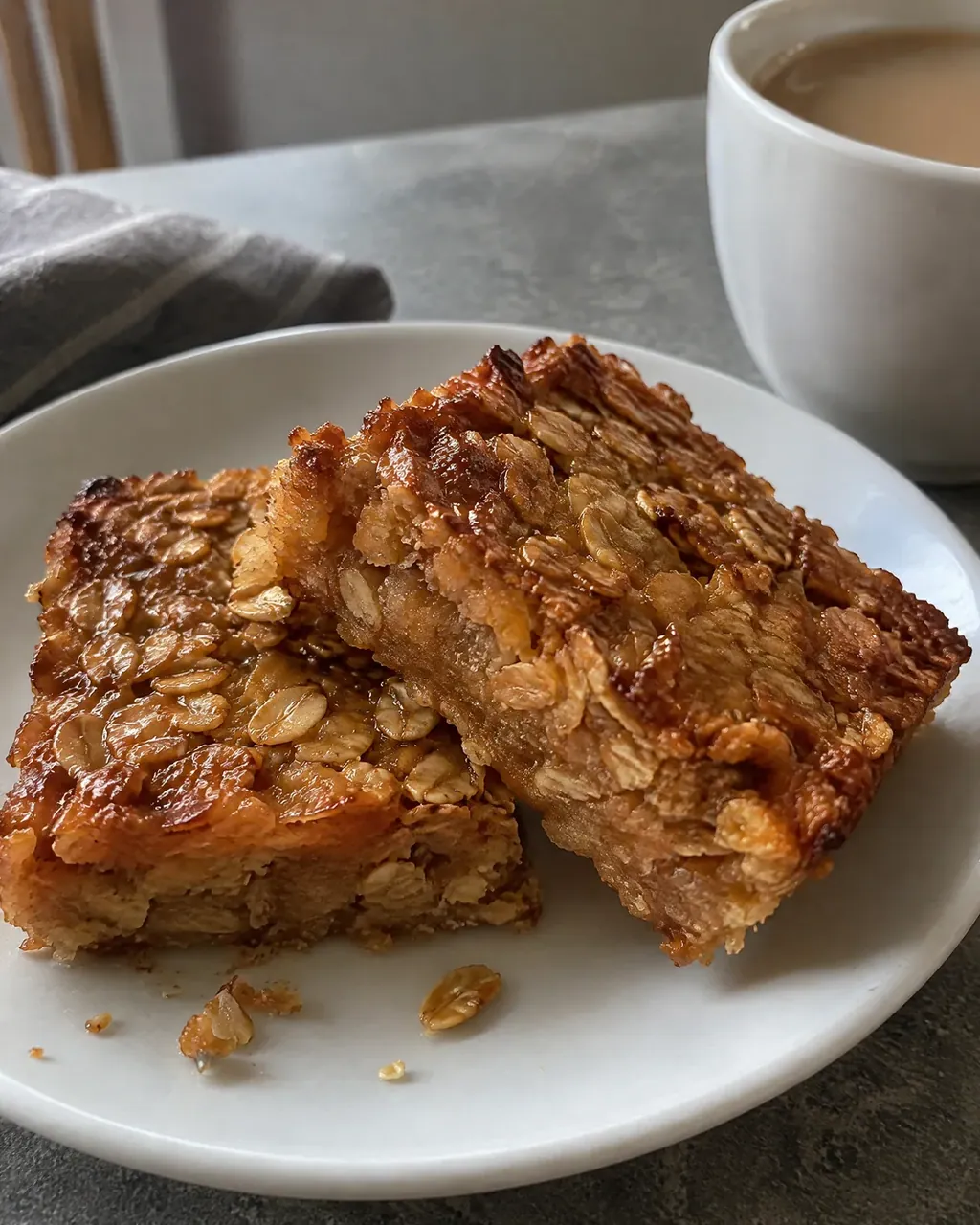
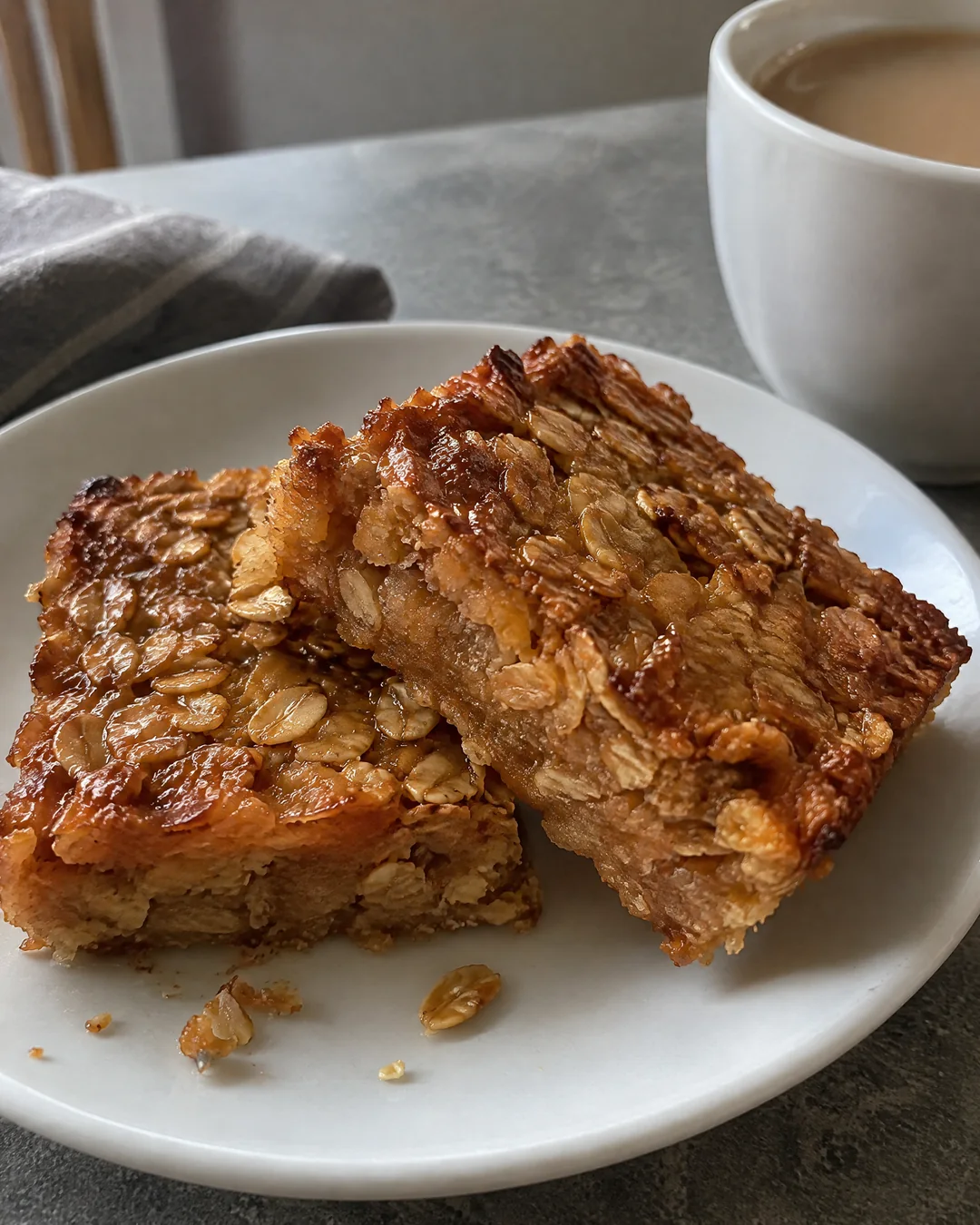
My friend Margaret grew up in Lancashire, and her first morning in America somebody kindly offered her flapjacks for breakfast. She sat at the table looking for the oat bars. What arrived was a stack of pancakes, and she has been telling the story ever since. Where she comes from, a flapjack is a thick square of rolled oats held together with butter, brown sugar and golden syrup, baked in a tray and cut while it is still warm. It was in her school lunch box, in the cake tin at her mother’s house, and on the counter of every bakery in town.
It is one of the easiest things a person can bake. There are four ingredients and one saucepan, and nothing is whisked or creamed. But flapjacks have a reputation for going wrong in one particular way: they come out hard enough to chip a tooth. The difference between a chewy flapjack and a brick is a few minutes in the oven and a few degrees of heat. Here are the exact amounts, what to use if you cannot find golden syrup, and how to bake them so they stay soft and chewy in the middle.
Why this British flapjacks works
- Melted, not creamed. Butter, sugar and syrup are melted into one smooth liquid that coats every oat. That coating is what holds the bar together.
- Golden syrup. It keeps the bars chewy. Sugar alone sets hard as it cools; the syrup stays soft and slightly sticky.
- Two textures of oats. Whole rolled oats give the chew. A handful broken up finer fills the gaps so the squares do not crumble.
- A gentle oven. Flapjacks are baked only until the edges turn golden and the middle is still soft. They firm up as they cool.
- Pressed firmly. Packing the mixture down in the tin is what makes a bar you can pick up instead of a tray of loose granola.
Ingredients
Makes one 8 inch (20 cm) square tin, cut into 16 squares or 12 larger bars. The measurements are in US cups with grams in brackets. For flapjacks the grams are worth using, because the balance of butter, sugar and oats decides the texture.
For the flapjacks
- 9 tablespoons butter (125g), salted or unsalted
- 2/3 cup lightly packed light brown sugar (125g)
- 3 tablespoons golden syrup (60g)
- 2 3/4 cups old-fashioned rolled oats (250g)
- 1 pinch of salt, if the butter is unsalted
Golden syrup is a pale amber British cane syrup with a light toffee taste. Many American supermarkets keep it in the baking or international aisle. If you cannot find it, mix 2 tablespoons of mild honey with 1 tablespoon of light corn syrup. Use old-fashioned rolled oats, not steel-cut oats and not instant oatmeal packets. Quick oats work but give a softer, more cake-like bar.
How to make British flapjacks
Melt
- Heat the oven to 325 degrees (160°C). Grease an 8 inch (20 cm) square baking pan and line it with a piece of parchment that hangs over two sides, so you can lift the slab out later.
- Put the butter, brown sugar and golden syrup in a medium saucepan over low heat. Stir now and then until the butter has melted and the sugar has mostly dissolved. Take the pan off the heat as soon as it is smooth. Do not let it boil, because boiled sugar is what makes a flapjack hard.
Mix and press
- Take a third of the oats (a scant cup) and crush them a little, either with a few pulses in a food processor or by rubbing them between your palms over the pan. They should be broken, not turned to flour.
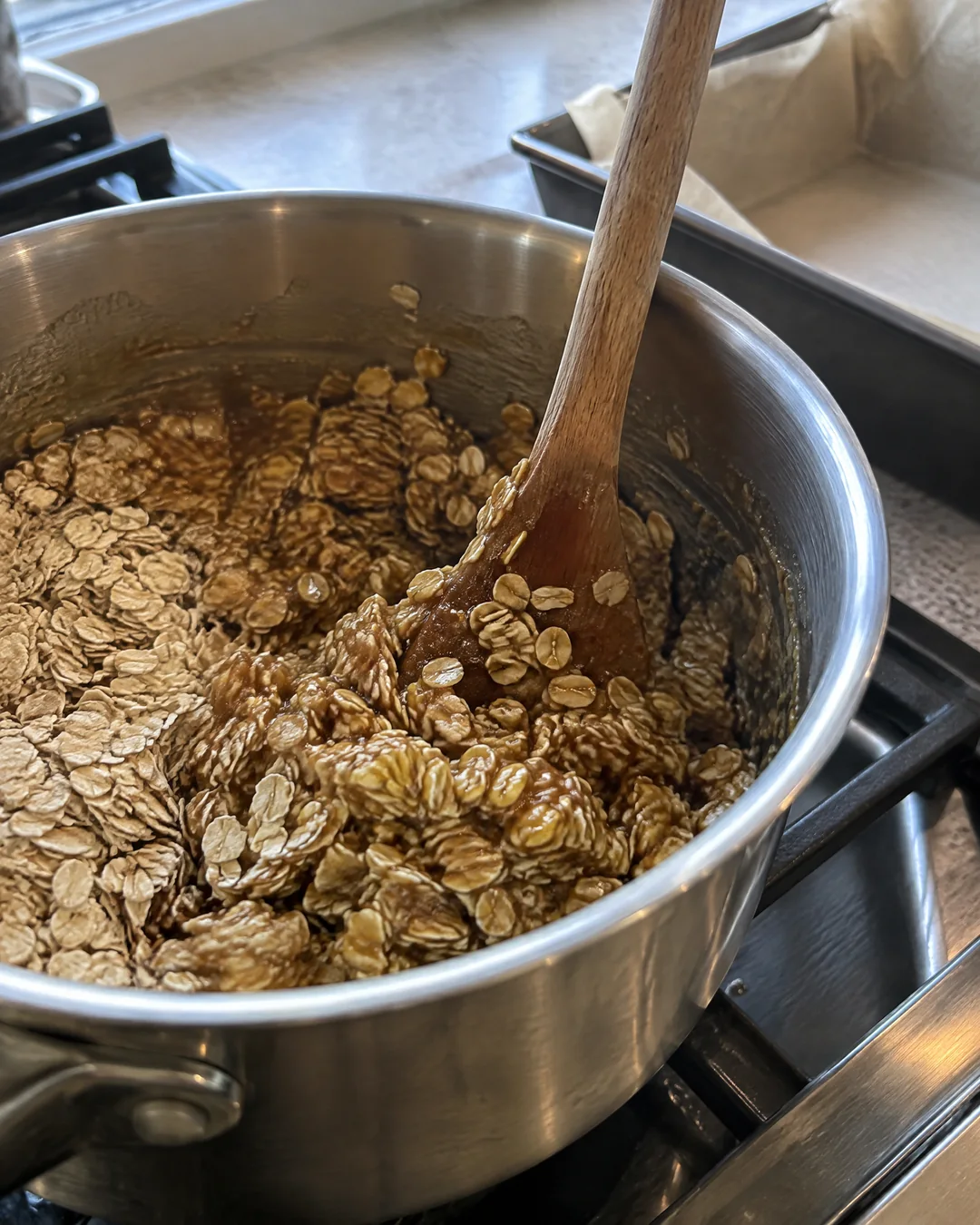
- Tip all the oats and the salt into the saucepan and stir until every oat is coated and shiny and no dry patches are left.
- Scrape the mixture into the lined pan. Spread it into the corners, then press it down firmly and evenly with the back of a metal spoon or the bottom of a glass.
Bake and cut
- Bake on the middle shelf for 20 to 25 minutes. For chewy flapjacks, take them out when the edges are golden brown and the middle is a paler gold and still looks soft and slightly bubbling. They will seem underdone. They are not.
- Leave the pan on a rack for 10 minutes, then mark the slab into 16 squares with a sharp knife, cutting right down to the parchment.
- Let the flapjacks cool completely in the pan, about 2 hours. Lift the slab out by the parchment and break or cut it along the marked lines.
Tips that make the difference
- Chewy or crunchy is decided in the oven. For chewy, 20 to 25 minutes at 325 degrees. For crunchy, bake at 350 degrees (175°C) for 25 to 30 minutes, until the whole top is an even deep gold.
- Keep the heat low under the saucepan. Once the butter and sugar boil, the sugar is on its way to toffee, and the bars will set hard.
- Press hard for a dense, chewy bar that holds together. Press lightly and the flapjacks are more open and crumbly.
- Mark the squares while the slab is warm and finish when it is cold. Cut too hot, they fall apart; cut only when cold, they crack in the wrong places.
- Grease the tablespoon with a little butter before measuring the golden syrup, and it slides off clean.
Variations
- Fruit flapjacks. Stir in 1/2 cup of raisins, sultanas or chopped dried apricots with the oats.
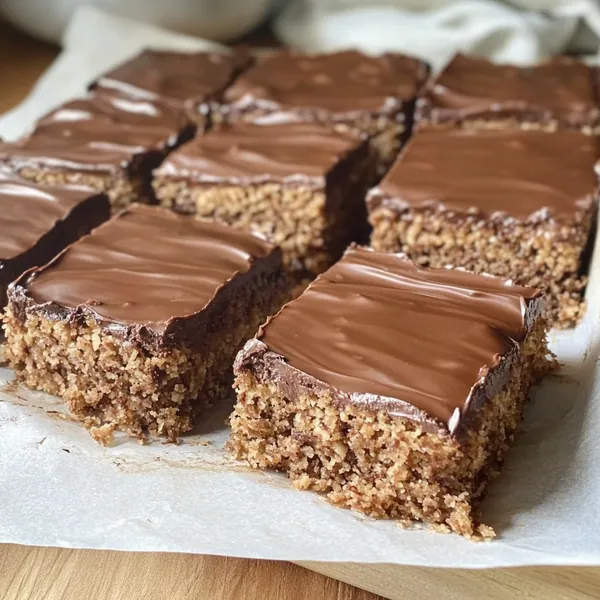
- Chocolate topped. Melt 4 ounces (115g) of milk or dark chocolate and spread it over the cold slab. Let it set before cutting.
- Ginger flapjacks. Add 1 teaspoon of ground ginger to the saucepan. In the north of England this is an old favorite.
- Seeded. Replace 1/4 cup of the oats with sunflower or pumpkin seeds for a little crunch.
Storage and make-ahead
Kept in an airtight tin at room temperature, with parchment between the layers, flapjacks stay chewy for up to a week.
Do not keep them in the refrigerator, where the butter sets and the bars turn hard. If that happens, a few seconds in the microwave softens them again.
To freeze, wrap the squares well and freeze for up to 3 months. Thaw at room temperature for an hour.
Frequently asked questions
Why are my flapjacks hard?
They were baked too long or too hot, or the butter and sugar boiled in the saucepan. Melt gently, bake at 325 degrees and take them out while the middle still looks soft. They finish setting as they cool.
Why do my flapjacks fall apart?
The mixture was not pressed down firmly enough, the oats were all very large and whole, or the squares were lifted out before they were cold. Crush a third of the oats, press hard and leave the slab in the pan until completely cool.
What can I use in place of golden syrup?
Two parts mild honey to one part light corn syrup comes closest. Honey alone works but tastes of honey and browns faster. Maple syrup is too thin, and the bars will not hold together as well.
Is a British flapjack the same as a granola bar?
They are cousins. A flapjack is softer, richer and chewier than most granola bars, with far more butter and syrup and usually nothing in it but oats.
Put the kettle on while they cool. Margaret takes hers chewy, with a cup of tea, and will not hear a word in favor of the crunchy kind.
British Flapjacks (Chewy Golden Oat Bars with Four Ingredients)
British flapjacks: butter, brown sugar and golden syrup melted together in a saucepan, stirred with rolled oats, pressed into a tin and baked into chewy golden oat bars. With the exact amounts, what to use for golden syrup, and how to keep them chewy.
Ingredients
- 9 tablespoons butter (125g), salted or unsalted
- 2/3 cup lightly packed light brown sugar
- 3 tablespoons golden syrup
- 2 3/4 cups old-fashioned rolled oats
- 1 pinch of salt, if the butter is unsalted
Instructions
- Heat the oven to 325 degrees (160°C). Grease an 8 inch (20 cm) square baking pan and line it with a piece of parchment that hangs over two sides, so you can lift the slab out later.
- Put the butter, brown sugar and golden syrup in a medium saucepan over low heat. Stir now and then until the butter has melted and the sugar has mostly dissolved. Take the pan off the heat as soon as it is smooth. Do not let it boil, because boiled sugar is what makes a flapjack hard.
- Take a third of the oats (a scant cup) and crush them a little, either with a few pulses in a food processor or by rubbing them between your palms over the pan. They should be broken, not turned to flour.
- Tip all the oats and the salt into the saucepan and stir until every oat is coated and shiny and no dry patches are left.
- Scrape the mixture into the lined pan. Spread it into the corners, then press it down firmly and evenly with the back of a metal spoon or the bottom of a glass.
- Bake on the middle shelf for 20 to 25 minutes. For chewy flapjacks, take them out when the edges are golden brown and the middle is a paler gold and still looks soft and slightly bubbling. They will seem underdone. They are not.
- Leave the pan on a rack for 10 minutes, then mark the slab into 16 squares with a sharp knife, cutting right down to the parchment.
- Let the flapjacks cool completely in the pan, about 2 hours. Lift the slab out by the parchment and break or cut it along the marked lines.