What Is Teisen Mel?
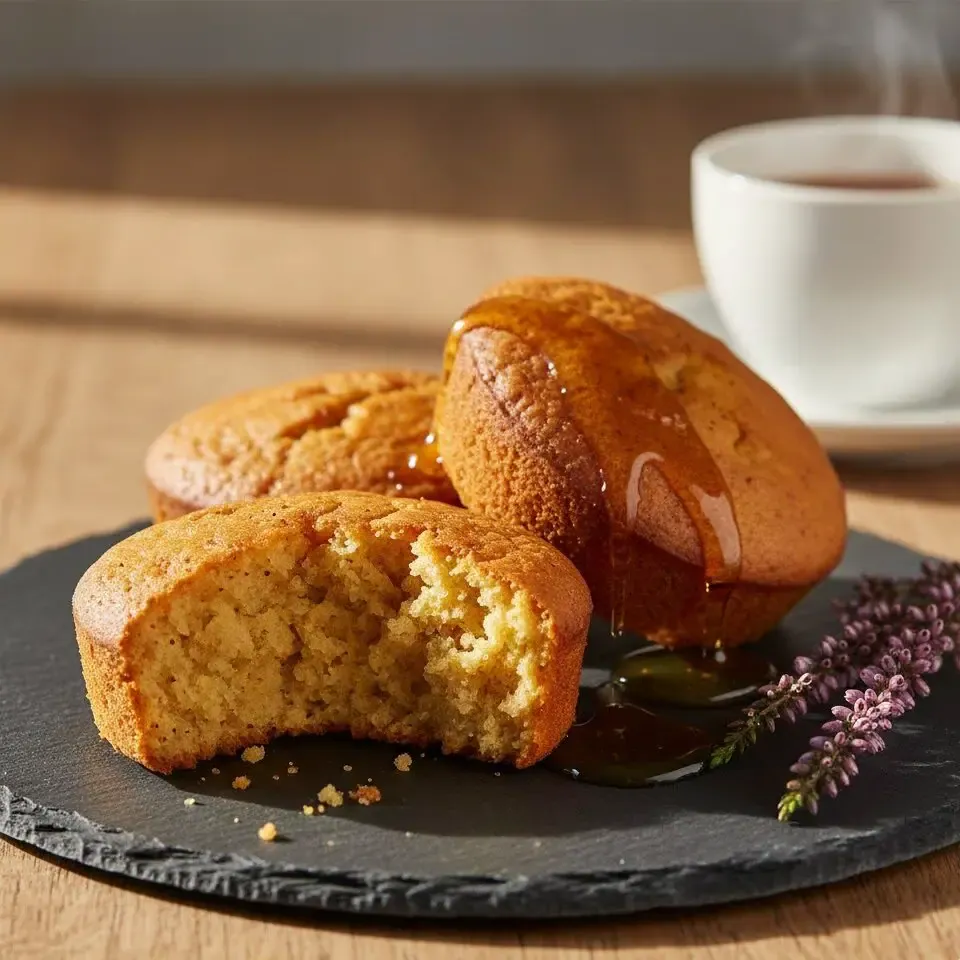
Teisen mel is a traditional Welsh honey cake that belongs to the rich heritage of home baking across Wales. The name comes directly from the Welsh language: “teisen” means “cake” and “mel” means “honey.” Unlike some elaborate celebration cakes, teisen mel celebrates simplicity. Flour, butter, sugar, honey, egg, milk, and a handful of warm spices combine into a batter that bakes quickly and produces wonderfully moist results.
The history of honey cakes in Wales stretches back centuries. Historians trace the use of honey as a primary sweetener in Welsh baking to at least the time of the Crusades, when returning soldiers brought spices like cinnamon and ginger back to Britain. Before refined sugar became widely available, Welsh households relied on local honey to sweeten their bakes, and teisen mel preserves that tradition beautifully. According to Cadw (Welsh Government Historic Environment Service), Wales has a long-documented history of beekeeping, and honey remained a kitchen staple in rural communities well into the 20th century.
Teisen mel holds particular significance around St. David’s Day on the 1st of March, when families across Wales celebrate their patron saint with traditional food, music, and poetry. A plate of freshly baked teisen mel alongside a pot of strong tea remains a quintessential part of that celebration. These little cakes also make thoughtful homemade gifts, wrapped in parchment and tied with twine, because their flavour actually deepens and improves over several days in a tin.
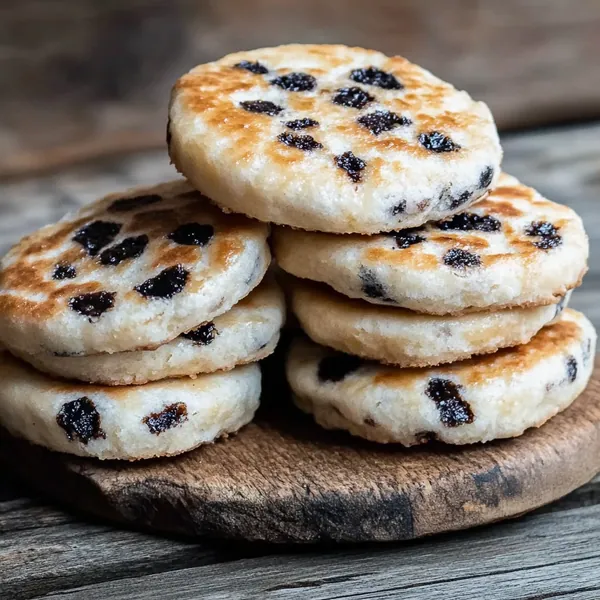
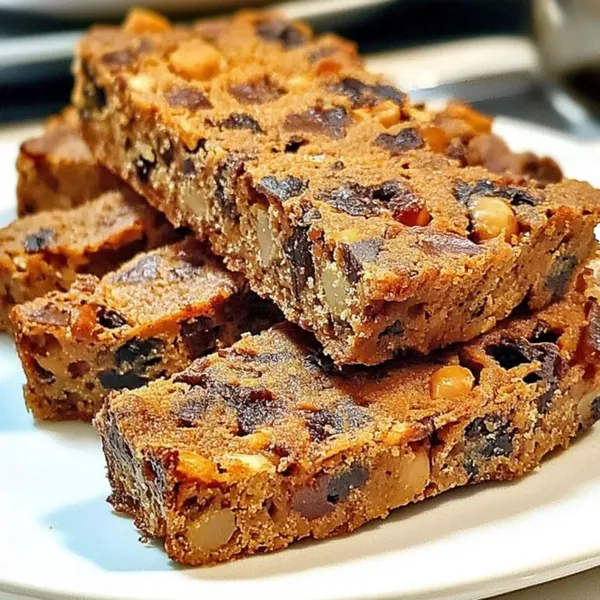
If you enjoy heritage Welsh baking, you will find teisen mel sits beautifully alongside our traditional Welsh cakes recipe and our traditional Welsh bara brith. All three recipes share that same spirit of honest, comforting home baking that Welsh kitchens have perfected over generations.
Ingredients for Traditional Teisen Mel
Every ingredient in this recipe earns its place, contributing flavour, moisture, or structure to these delicate honey cakes. Read through the complete list before you begin.
| Ingredient | Quantity | Notes |
|---|---|---|
| Self-raising flour | 225 g | Sifted for a light crumb |
| Baking powder | 1 tsp | Check the use-by date for best rise |
| Mixed spice | 1 tsp | Adds warmth and depth |
| Ground cinnamon | 1/2 tsp | Freshly opened for the strongest aroma |
| Light brown sugar | 100 g | Adds caramel sweetness and moisture |
| Clear honey | 150 g | Runny honey for easy melting |
| Unsalted butter | 100 g | Cut into cubes for even melting |
| Large egg | 1 | At room temperature, beaten |
| Whole milk | 100 ml | At room temperature |
Choosing the Right Honey
Honey provides the defining flavour of teisen mel, so quality matters here more than in most recipes. A good clear, runny honey works perfectly. If you can source Welsh heather honey, its deep, floral, slightly smoky character elevates these cakes to something truly special. Heather honey comes from bees that forage on the purple heather covering the hills and moorlands of Wales, and it carries a distinctive intensity that lighter flower honeys cannot match. Any good-quality British wildflower honey makes an excellent alternative. Avoid heavily processed or blended supermarket honey, which often tastes flat and one-dimensional. According to the British Beekeepers Association, locally produced honey supports native bee populations and delivers a richer, more complex flavour than mass-produced alternatives.
The Role of Mixed Spice and Cinnamon
Mixed spice and cinnamon work together to create the gentle warmth that defines teisen mel without overwhelming the delicate honey flavour. British mixed spice typically contains cinnamon, nutmeg, allspice, and cloves, so the additional half teaspoon of ground cinnamon pushes that particular spice note forward just enough to complement the honey. For the freshest flavour, buy whole cinnamon sticks and grate them with a microplane, or use a jar of ground cinnamon opened within the last three months. Old spices lose their essential oils and deliver a dusty, flat taste.
Smart Substitutions
For a vegan teisen mel, replace the butter with 100 g plant-based block margarine and use a flax egg (1 tablespoon ground flaxseed mixed with 3 tablespoons warm water, left to gel for 10 minutes) instead of the hen egg. Swap the whole milk for oat milk. Honey is not vegan, so substitute it with maple syrup or agave nectar; the flavour will differ, but the texture remains beautifully moist. Our yogurt scones recipe shows another example of how simple swaps make traditional British bakes accessible to everyone.
Equipment You Need
Teisen mel requires no specialist equipment. Gather these items before you start:
- A 12-hole muffin tin
- Paper muffin cases (optional, but makes removal easier)
- A large mixing bowl
- A small saucepan
- A fine-mesh sieve
- A wooden spoon
- A dessert spoon or ice cream scoop for portioning
- A wire cooling rack
If you do not use paper cases, grease each hole of the muffin tin generously with a little butter to prevent sticking. A standard 12-hole muffin tin produces perfectly sized individual teisen mel cakes. You can also bake the batter in a greased and lined 900 g (2 lb) loaf tin for a single larger cake; simply increase the baking time to 40 to 45 minutes and test with a skewer.
How to Make Teisen Mel (Step-by-Step)
Follow these detailed steps to produce beautifully golden, moist, and fragrant Welsh honey cakes every time.
Preparing the Tin
Step 1: Preheat and Prepare
Set your oven to 160 degrees Celsius (fan). Line a 12-hole muffin tin with paper cases, or grease each hole thoroughly with butter.
Mixing the Dry Ingredients
Step 2: Sift and Combine
Place a large mixing bowl on your worktop. Sift the self-raising flour, baking powder, mixed spice, and ground cinnamon into the bowl. Add the light brown sugar and stir everything together with a wooden spoon until the spices and sugar distribute evenly through the flour. Break up any lumps of brown sugar with the back of the spoon.
Melting the Honey and Butter
Step 3: Warm the Honey and Butter
Place the honey and cubed butter in a small saucepan over a low heat. Stir gently and continuously until the butter melts completely and the honey thins into a smooth, golden liquid. Do not allow the mixture to boil; boiling breaks down the delicate floral notes in the honey and can cause the sugar to caramelise unevenly. Remove the pan from the heat and set it aside to cool for five minutes until warm but not hot.
[!TIP] Weigh the honey directly into the saucepan by placing the pan on your scales and zeroing. This avoids the sticky job of scraping honey from a measuring jug. A spoon dipped in boiling water before measuring also helps the honey slide off cleanly.
Building the Batter
Step 4: Combine Wet and Dry
Pour the warm honey and butter mixture into the bowl of dry ingredients. Stir well with a wooden spoon until everything combines into a thick, smooth batter. Work quickly and confidently to ensure every pocket of flour absorbs the liquid evenly.
Step 5: Add the Egg and Milk
Pour the beaten egg and the whole milk into the batter. Stir until you achieve a smooth, pourable consistency. The batter should flow easily from a spoon. If it looks slightly thin compared to a standard cake batter, do not worry; honey batters naturally run a little looser, and the flour absorbs moisture during baking to create a perfectly tender crumb.
Portioning and Baking
Step 6: Fill the Muffin Tin
Spoon the batter into the prepared muffin cases, filling each one about two-thirds full. Use a dessert spoon or a small ice cream scoop for even portioning. This amount of batter produces exactly 12 cakes when divided equally. Try not to overfill the cases; the batter rises during baking, and overfilled cases produce mushroom-topped cakes that stick to each other.
Step 7: Bake Until Golden and Springy
Place the muffin tin on the middle shelf of the oven and bake for 20 to 25 minutes. The cakes are ready when the tops turn a warm golden colour and spring back when you press them gently with a fingertip. A skewer inserted into the centre of one cake should come out clean with no wet batter clinging to it. If the skewer shows moist crumbs, return the tin to the oven for another two to three minutes.
Cooling
Step 8: Cool Properly
Leave the cakes in the tin for five minutes to firm up slightly. Then transfer them to a wire cooling rack to cool completely. Cooling on a rack allows air to circulate around the cakes and prevents the bases from turning soggy with trapped steam. Once cooled, the cakes develop their full honeyed flavour and a beautifully tender, moist crumb.
Troubleshooting Your Teisen Mel
These simple cakes rarely cause problems, but here are solutions to the most common issues.
My Cakes Sank in the Middle
Sinking cakes usually result from opening the oven door during the first 15 minutes of baking. The sudden temperature drop collapses the rising agent before the structure sets. Keep the door closed until at least the 15-minute mark. Expired baking powder also causes sinking, so always check the date on the tin before you bake.
The Honey Flavour Tastes Weak
If your finished cakes taste more of spice than honey, the honey you used may lack character. Mild, heavily blended supermarket honey often disappears in baking. Switch to a stronger-flavoured variety like heather honey, wildflower honey, or buckwheat honey. You can also brush the warm tops of the cakes with an extra tablespoon of clear honey immediately after they come out of the oven, which adds a sticky, fragrant glaze and amplifies the honey flavour.
The Cakes Stick to the Tin
If you bake without paper cases, grease every surface of each muffin hole generously with softened butter. Pay particular attention to the rim edges, where batter tends to grip. Running a thin palette knife around the edge of each cake after the five-minute resting period releases them cleanly. Paper cases eliminate this problem entirely.
The Batter Looks Split or Curdled
A split batter usually happens when the honey and butter mixture was still too hot when you added it to the dry ingredients. The heat partially cooks the egg and causes the mixture to seize. Let the melted honey cool for at least five minutes until it feels warm, not hot, before combining. If the batter does split, add a tablespoon of the measured flour and beat vigorously; this usually brings it back together.
My Cakes Are Dry Inside
Dry cakes almost always mean overbaking. These small cakes bake quickly, and even two extra minutes can push them past the ideal point. Start checking at 18 minutes and remove the tin as soon as a skewer comes out clean. Also ensure you measured the honey accurately; too little honey removes the moisture that keeps these cakes tender. Our raspberry buns recipe faces the same timing sensitivity, and the same principle applies: pull them early rather than late.
Recipe Variations
Teisen mel adapts beautifully to different flavours while keeping its essential honey-spiced character.
Lemon and Honey Teisen Mel
Add the finely grated zest of one large unwaxed lemon to the dry ingredients at Step 2. The citrus zest lifts the honey flavour and adds a bright, fragrant note that cuts through the sweetness. For extra lemon impact, mix two tablespoons of lemon juice with two tablespoons of honey and drizzle this over the warm cakes as they come out of the oven.
Honey and Ginger Teisen Mel
Add one teaspoon of ground ginger to the dry spice blend and fold 50 g of finely chopped crystallised stem ginger into the finished batter before spooning into the tin. The ginger heat pairs naturally with honey and cinnamon, creating warm, punchy little cakes that suit colder weather perfectly. Our traditional butterscotch tart uses a similar approach of layering warm spices for depth.
Walnut and Honey Teisen Mel
Fold 75 g of roughly chopped walnuts into the batter at the same stage as the egg and milk. The buttery crunch of walnuts contrasts beautifully with the soft, honeyed crumb. Press a walnut half gently into the top of each cake before baking for a professional-looking finish.
Vegan Teisen Mel
Replace the butter with 100 g plant-based block margarine and use a flax egg. Swap the honey for 150 g maple syrup and the milk for oat milk. The maple syrup version produces a slightly different but equally delicious flavour profile, with a gentle amber sweetness that echoes the honey original.
Serving and Storage
How to Serve Teisen Mel
Serve teisen mel at room temperature with a strong cup of tea or a mug of milky coffee. The cakes taste wonderful on their own, but a thin spread of salted butter over the top of each cake adds a gorgeous salty-sweet contrast. For an elegant afternoon tea presentation, arrange the cakes on a tiered stand alongside other Welsh favourites like traditional Welsh cakes and slices of bara brith. A drizzle of extra honey over the top just before serving adds a beautiful gloss and reinforces the honey flavour.
How to Store Teisen Mel
Place the completely cooled cakes in an airtight tin or container, layering them between sheets of baking parchment if you stack them. Store in a cool, dry cupboard. Teisen mel keeps beautifully for up to five days, and many bakers find the flavour actually improves after a day or two as the honey moisture penetrates deeper into the crumb that sits alongside the spices. This makes them an ideal bake-ahead option for gatherings or gifts.
Can You Freeze Teisen Mel?
Yes, these cakes freeze exceptionally well. Place the cooled cakes in a single layer inside a freezer-safe container or bag, separating each cake with a small square of baking parchment. Freeze for up to three months. Defrost at room temperature for one to two hours before serving. The texture and flavour return to their original glory once fully thawed. Our chocolate chip fairy cakes freeze using the same method if you want to batch-bake a variety of small cakes in one session.
Frequently Asked Questions (FAQ)
What does teisen mel mean in English?
Teisen mel translates directly from Welsh to English as “honey cake.” The word “teisen” means “cake” and “mel” means “honey.” The name describes the recipe perfectly: a simple cake where honey takes centre stage as the primary sweetener and flavour.
Can I bake teisen mel as a single loaf cake instead of individual cakes?
Yes, pour the batter into a greased and lined 900 g (2 lb) loaf tin and bake at 160 degrees Celsius (fan) for 40 to 45 minutes. Test with a skewer; it should come out clean. The loaf version produces a dense, moist cake that slices beautifully and makes an impressive gift wrapped in parchment and tied with twine.
What type of honey works best for teisen mel?
A good-quality clear, runny honey with a pronounced flavour works best. Welsh heather honey delivers the most authentic result with its deep, floral, slightly smoky character. British wildflower honey makes an excellent alternative. Avoid cheap blended honey, which tastes flat after baking and fails to deliver the distinctive honey flavour that defines this cake.
Is teisen mel served hot or cold?
Teisen mel tastes delicious either way. Freshly baked and still slightly warm from the oven, the honey flavour sings especially brightly. At room temperature, the crumb firms up slightly and the spice notes come forward more clearly. Most Welsh bakers serve teisen mel cold or at room temperature alongside a cup of tea, which allows the full complexity of the honey and spice to develop.
When is teisen mel traditionally eaten in Wales?
Teisen mel connects strongly to St. David’s Day on the 1st of March, when Welsh families celebrate their patron saint with traditional food and festivities. However, these honey cakes appear throughout the year at afternoon teas, church gatherings, village fetes, and as homemade gifts. Their simplicity and long shelf life make them practical for any occasion.
How long do teisen mel cakes keep?
Stored in an airtight tin at room temperature, teisen mel keeps for up to five days. The flavour and moisture actually improve after the first day as the honey continues to soften the crumb. For longer storage, freeze the cakes for up to three months and defrost at room temperature before serving.
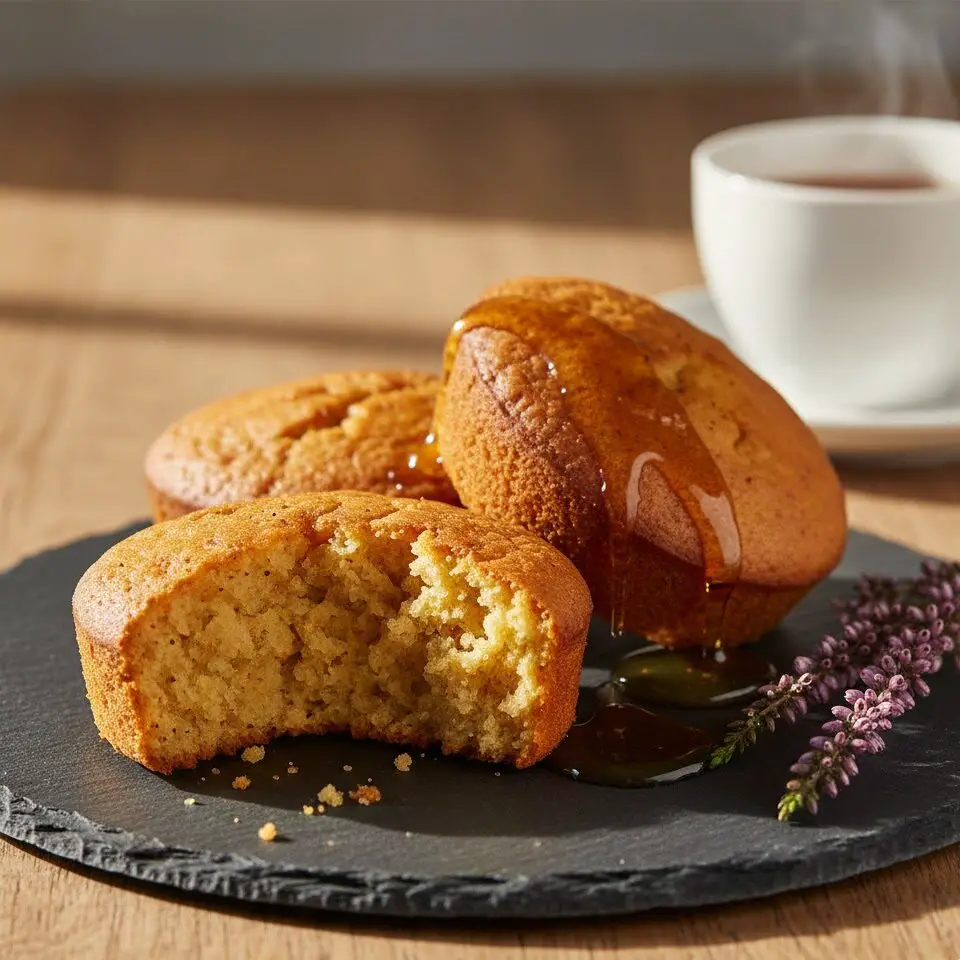
Teisen Mel Recipe: Traditional Welsh Honey and Spice Cakes
Traditional Welsh honey and spice cakes made with clear honey, cinnamon, mixed spice, and butter. These soft, moist teisen mel cakes bake in just 25 minutes and keep beautifully for days. Makes 12 individual cakes.
Ingredients
- 225 g self-raising flour, sifted
- 1 tsp baking powder
- 1 tsp mixed spice
- 1/2 tsp ground cinnamon
- 100 g light brown sugar
- 150 g clear honey
- 100 g unsalted butter, cubed
- 1 large egg, beaten
- 100 ml whole milk
Instructions
- Preheat the oven to 160 degrees Celsius (fan). Line a 12-hole muffin tin with paper cases or grease each hole with butter.
- In a large bowl, sift together the self-raising flour, baking powder, mixed spice, and ground cinnamon. Stir in the light brown sugar until evenly combined.
- In a small saucepan, gently heat the honey and butter over a low heat until melted and smooth. Do not boil. Remove from the heat and set aside to cool for 5 minutes.
- Pour the warm honey and butter mixture into the dry ingredients. Stir well until combined into a smooth batter.
- Add the beaten egg and whole milk. Stir until you achieve a smooth, pourable consistency.
- Spoon the batter into the prepared muffin tin, filling each hole about two-thirds full.
- Bake for 20 to 25 minutes until golden and springy to the touch. A skewer inserted into the centre should come out clean.
- Cool in the tin for 5 minutes, then transfer to a wire rack to cool completely.
Nutrition
- Serving
- 1 cake
- Calories
- 215 calories
- Sugar
- 20
- Sodium
- 95
- Fat
- 8
- Saturatedfat
- 5
- Unsaturatedfat
- 2
- Transfat
- 0
- Carbohydrate
- 34
- Fiber
- 1
- Protein
- 3
- Cholesterol
- 30