In this article
- What is Rhubarb Crunch?
- The History and Origin of Rhubarb in Desserts
- Key Ingredients Overview
- Classic Rhubarb Crunch Recipe
- Popular Variations of Rhubarb Crunch
- How to Serve Rhubarb Crunch
- Storing & Reheating Tips
- Nutrition Breakdown
- Common Mistakes to Avoid
- Frequently Asked Questions (FAQ)
- Final Thoughts and Call to Action
Rhubarb Crunch is a timeless dessert that perfectly balances tart and sweet flavors, making it a seasonal favorite, especially in spring and early summer when rhubarb is at its peak. Known for its crisp, buttery topping and soft, tangy fruit base, this dish is both nostalgic and versatile, loved by home bakers for its simplicity and crowd-pleasing taste.
Unlike more elaborate desserts, rhubarb crunch relies on a few humble ingredients to create something truly special. The magic lies in the contrast of textures—soft, cooked rhubarb layered beneath a golden, oat-laden crust. It’s an ideal recipe for those who want maximum flavor with minimal effort.
This dessert is often associated with comfort food and family traditions. It’s frequently passed down through generations, appearing on picnic tables, holiday menus, and weeknight dinners alike. Whether served warm with a scoop of vanilla ice cream or eaten cold straight from the fridge, rhubarb crunch is a rustic classic that never goes out of style.
What is Rhubarb Crunch?
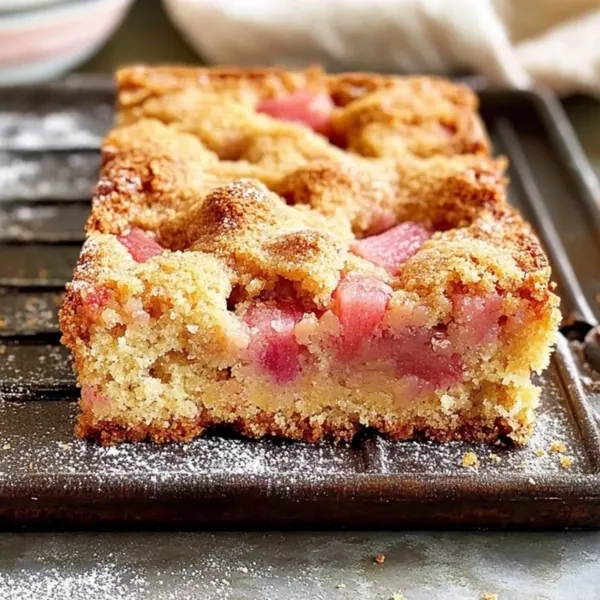
Rhubarb Crunch is a baked dessert made by layering fresh rhubarb with a sweet, crumbly topping typically composed of oats, flour, brown sugar, and butter. It is often confused with rhubarb crisp or crumble, but “crunch” usually has a thicker, more structured topping that holds its texture better, especially when served warm.
The key feature of this dessert is the contrast between the tart rhubarb and the rich, caramelized topping. When baked, the rhubarb breaks down into a soft, jam-like consistency, while the topping remains crisp and golden. This makes each bite a delightful combination of flavors and textures.
Unlike pies or tarts, rhubarb crunch doesn’t require a crust or complicated doughs, which makes it accessible for bakers of all skill levels. It’s a forgiving, flexible dish that showcases the unique qualities of rhubarb in a simple, satisfying way.
The History and Origin of Rhubarb in Desserts
Rhubarb has an intriguing history that spans thousands of years, originally cultivated for medicinal purposes in ancient China and later making its way to Europe and North America. It wasn’t until the 18th century that rhubarb found its place in culinary applications, particularly desserts. Once sugar became more affordable and accessible, cooks began to experiment with rhubarb as a tart component in pies, tarts, and baked goods.
The first rhubarb desserts were often simple, focusing on the plant’s intense sourness and balancing it with generous amounts of sugar. Rhubarb pie became especially popular in England and the Northeastern United States, where the climate was well-suited for growing the hardy perennial.
The concept of “crunch” as a dessert variation evolved from earlier forms like crumbles and crisps, which gained popularity during World War II when rationing limited the use of pastry ingredients. Oats, flour, and sugar became the primary building blocks of many fruit-based desserts, including rhubarb crunch. Its rustic nature and use of pantry staples helped it become a beloved American classic, passed down in handwritten recipes and church cookbooks across generations.

Key Ingredients Overview
The appeal of rhubarb crunch lies in its straightforward ingredient list, which combines pantry staples with fresh rhubarb to create a dessert that is both simple and flavorful. Each component plays a crucial role in the final result.
Rhubarb is the star of the dish. Its stalks range in color from pale green to deep red, though color is not a reliable indicator of flavor. What matters most is freshness. Choose firm, crisp stalks with no signs of wilting or dryness. When cooked, rhubarb becomes soft and juicy, offering a tart flavor that pairs beautifully with sweet elements.
Sugar is essential for balancing rhubarb’s natural sourness. Most recipes use white or brown sugar, though brown sugar adds a slight molasses note that deepens the flavor. Adjusting the sugar content allows you to control the sweetness level to your preference.
Oats and flour form the base of the crunchy topping. Rolled oats are preferred for their hearty texture, while all-purpose flour provides structure. This combination creates a topping that crisps nicely in the oven.
Butter is a key ingredient that binds the dry topping ingredients and adds richness. Melted or cold, it helps create that golden, crunchy finish when baked.
Optional add-ins like chopped nuts, cinnamon, or nutmeg can enhance the topping with additional flavor and texture. Some variations also incorporate fruit such as strawberries to soften rhubarb’s tartness.
Altogether, these ingredients create a dessert that is texturally balanced, richly flavored, and wonderfully comforting. With just a few adjustments, the recipe can easily be adapted for gluten-free, vegan, or lower-sugar diets.
Classic Rhubarb Crunch Recipe
Ingredients:
For the filling:
-
4 cups chopped fresh rhubarb
-
1 cup granulated sugar
-
2 tablespoons all-purpose flour
For the topping:
-
1 cup rolled oats
-
1 cup brown sugar, packed
-
1 cup all-purpose flour
-
1/2 cup melted butter
-
1/2 teaspoon ground cinnamon (optional)
-
1/4 teaspoon salt
Instructions:
-
Preheat your oven to 350°F (175°C). Lightly grease an 8×8-inch baking dish or similar-sized oven-safe pan.
-
Prepare the rhubarb filling. In a large mixing bowl, toss the chopped rhubarb with the granulated sugar and flour. Stir until the rhubarb is evenly coated. Pour the mixture into the prepared baking dish and spread it into an even layer.
-
Make the crunchy topping. In a separate bowl, combine rolled oats, brown sugar, flour, cinnamon (if using), and salt. Stir to combine. Add the melted butter and mix until crumbly. The mixture should resemble wet sand and stick together when pressed.
-
Assemble the dessert. Evenly sprinkle the topping over the rhubarb layer, pressing down slightly to help it adhere.
-
Bake. Place the dish in the preheated oven and bake for 40 to 45 minutes, or until the top is golden brown and the filling is bubbling around the edges.
-
Cool and serve. Let the rhubarb crunch cool for at least 15–20 minutes before serving to allow the filling to set. Serve warm, at room temperature, or chilled. For extra indulgence, top with vanilla ice cream or whipped cream.
Pro Tips:
-
For a thicker filling, add 1 extra tablespoon of flour or a teaspoon of cornstarch to the rhubarb mixture.
-
If using frozen rhubarb, thaw and drain it well to prevent excess moisture from making the dish soggy.
-
To ensure an even bake, spread both the filling and topping as uniformly as possible.
This basic rhubarb crunch recipe can be customized with additional fruits or spices, but it stands strong on its own with just a handful of ingredients and simple steps.
Popular Variations of Rhubarb Crunch
One of the best things about rhubarb crunch is how easily it can be adapted to suit different dietary needs and flavor preferences. Here are some of the most popular variations:
Strawberry Rhubarb Crunch
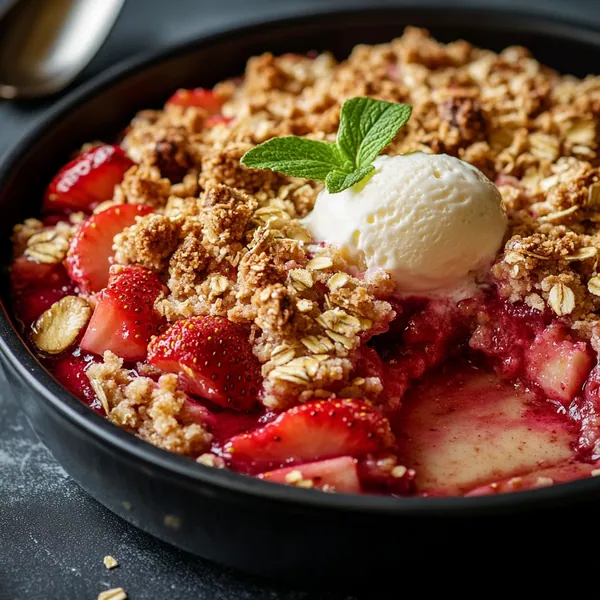
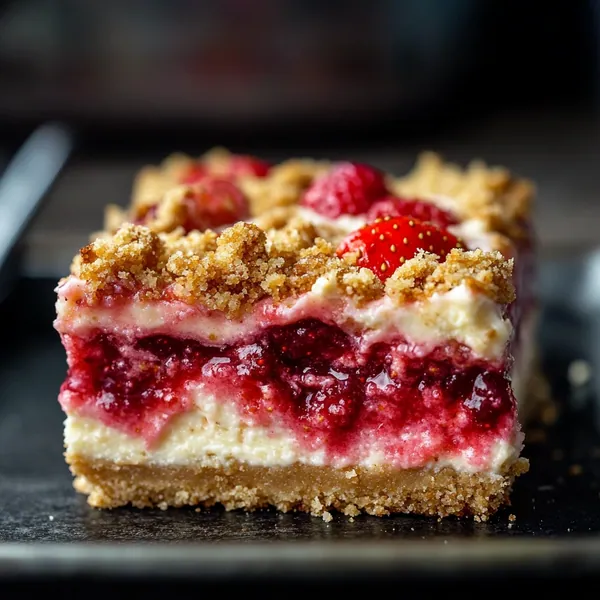
This is perhaps the most well-known variation. Strawberries naturally complement the tartness of rhubarb, adding sweetness and color. Replace one-third to one-half of the rhubarb with fresh or frozen strawberries for a balanced, fruity dessert.
Gluten-Free Rhubarb Crunch
To make this dish gluten-free, substitute the all-purpose flour in both the filling and topping with a gluten-free flour blend. Be sure to use certified gluten-free oats as well, as some oats may be processed with wheat.
Vegan Rhubarb Crunch
Swap the butter in the topping with coconut oil or a plant-based butter alternative. Ensure that your sugar is vegan-friendly (some types are processed with bone char) for a fully plant-based dessert.
Low-Sugar or Sugar-Free Versions
Reduce the sugar in both the filling and topping by up to 50% if you prefer a more tart flavor. You can also use natural sugar alternatives like stevia or erythritol, though results may vary depending on the brand.
Using Frozen Rhubarb
Frozen rhubarb works well in this recipe. Be sure to thaw and drain it before use to prevent the dish from becoming too watery.
These variations allow for flexibility while keeping the core elements of the dish intact: the vibrant tartness of rhubarb and the irresistible crunchy topping.

How to Serve Rhubarb Crunch
Rhubarb crunch is a versatile dessert that can be served in several delicious ways depending on the occasion. Whether you’re enjoying it as a casual family dessert or showcasing it at a dinner party, a few simple additions can elevate the experience.
Serve it warm: This is the most popular way to enjoy rhubarb crunch. The contrast between the bubbling fruit and the crisp topping is at its best when freshly baked. Pair it with a scoop of vanilla ice cream or a dollop of whipped cream for added richness.
Try it chilled: Leftovers straight from the refrigerator are just as tasty. The flavors settle and deepen as it cools, making it a refreshing treat during warmer months.
For breakfast: Believe it or not, rhubarb crunch can double as a sweet breakfast dish. Serve it with Greek yogurt or a splash of milk for a slightly indulgent yet comforting morning meal.
As a parfait: Layer chilled rhubarb crunch with yogurt or whipped topping in a glass for an easy, no-fuss dessert presentation that looks impressive.
No matter how you serve it, rhubarb crunch always delivers a satisfying combination of tart, sweet, and crunchy in every bite.
Storing & Reheating Tips
Rhubarb crunch stores well and can easily be reheated without sacrificing texture or flavor.
Storing: Allow the dish to cool completely before covering it tightly with plastic wrap or placing it in an airtight container. Store in the refrigerator for up to 4–5 days. If you’re making it ahead of time, consider storing the topping and filling separately to maintain optimal texture.
Freezing: You can freeze rhubarb crunch, although the topping may lose some crispness. Freeze in an airtight container for up to 2 months. Thaw in the fridge overnight before reheating.
Reheating: To re-crisp the topping, reheat in a 350°F (175°C) oven for 10–15 minutes or until warmed through. For a quick option, microwave individual portions for about 30–60 seconds, though the topping may soften slightly.
Proper storage and reheating ensure that leftovers are just as enjoyable as the freshly baked version.
Nutrition Breakdown
Rhubarb crunch is a comfort food dessert, but it’s also relatively easy to fit into a balanced diet—especially with some modifications.
Calories: A standard serving of rhubarb crunch (around 1 cup) contains approximately 250–350 calories, depending on the amount of butter and sugar used.
Carbohydrates & Sugar: Due to the use of granulated and brown sugar, rhubarb crunch is high in carbohydrates and sugars. A typical serving may have 35–45g of carbohydrates and 20–30g of sugar. Reducing sugar or using fruit-only sweeteners can help lower the sugar content.
Fat Content: The butter in the topping contributes around 10–15g of fat per serving. You can reduce fat by using less butter or substituting with plant-based oils.
Fiber & Vitamins: Rhubarb itself is low in calories and high in fiber, providing small amounts of vitamin K, calcium, and potassium. The oats in the topping also add a modest boost of fiber and heart-healthy benefits.
Dietary Concerns: Traditional rhubarb crunch contains gluten and dairy, but with a few swaps, it can be made vegan and gluten-free.
While rhubarb crunch is not a low-calorie dessert, it can be enjoyed in moderation as part of a wholesome diet, especially when made with less sugar and served with fruit or yogurt.
Common Mistakes to Avoid
Even simple desserts like rhubarb crunch can go wrong if you’re not careful. Avoid these common mistakes for the best results:
Using too much sugar: Rhubarb is tart, but overcompensating with sugar can overpower its natural flavor. Taste your fruit (if mixing with strawberries) and adjust sweetness accordingly.
Skipping the thickener: Failing to use flour or cornstarch in the filling can result in a watery base. A small amount helps the filling set and prevents sogginess.
Not chopping rhubarb evenly: Uniform pieces cook more evenly. Large chunks may remain tough, while smaller bits could disintegrate.
Overmixing the topping: The crumble should be mixed until just combined. Overworking the mixture can result in a dense, cookie-like topping rather than a crisp crunch.
Baking at the wrong temperature: Too hot, and the topping may burn before the rhubarb cooks through. Too low, and you won’t get a proper golden crust. Stick to 350°F (175°C) and monitor closely toward the end.
Frequently Asked Questions (FAQ)
Can I use frozen rhubarb in rhubarb crunch?
Yes, frozen rhubarb works well. Thaw it completely and drain any excess liquid before using it in your recipe. This prevents the dessert from becoming watery during baking.
What is the difference between rhubarb crisp and rhubarb crunch?
While similar, rhubarb crisp generally has a lighter, more delicate topping, often with a higher oat content. Rhubarb crunch tends to have a thicker, more structured topping that bakes into a firm, cookie-like crust. Both are delicious; the difference is largely in texture.
How do you reduce the tartness of rhubarb?
Add more sugar or balance it with sweet fruits like strawberries or apples. Roasting the rhubarb slightly before baking can also mellow its sourness.
Is rhubarb safe to eat raw?
Yes, the stalks are safe to eat raw, though they are very tart. However, rhubarb leaves are toxic and should never be consumed.
Can I make rhubarb crunch without oats?
Absolutely. Replace oats with extra flour and consider adding chopped nuts for texture. The topping will still be crisp but less chewy.
What fruits pair well with rhubarb?
Strawberries, apples, raspberries, and oranges are all popular pairings that complement rhubarb’s tart flavor and add depth to the dish.
Final Thoughts and Call to Action
Rhubarb crunch is a simple, nostalgic dessert that delivers on flavor and texture every time. Whether you enjoy it as-is or put your own twist on it, it’s a rewarding dish to make and share. Try the recipe, make it your own, and don’t forget to save or share it!

Rhubarb Crunch
A classic and comforting dessert, Rhubarb Crunch features a tart rhubarb filling topped with a buttery oat crumble that's crisp and golden after baking. This easy-to-make treat is perfect for spring and summer when rhubarb is in season, and it can be served warm with ice cream, cold with yogurt, or as a simple sweet ending to any meal. Whether you’re using fresh or frozen rhubarb, this recipe delivers rich flavor and irresistible texture in every bite.
Ingredients
- 1 cup all purpose flour
- 3/4 cup quick cooking oatmeal
- 1 cup brown sugar
- 1/2 cup melted butter
- 1 teaspoon cinnamon
- 4 cups diced rhubarb
- 1 cup white sugar
- 1 cup water
- 2 tablespoons cornstarch
- Vanilla ice cream or whipped cream for serving
Instructions
- Preheat oven to 350° F. In a medium bowl, combine the flour, oatmeal, brown sugar, melted butter and cinnamon until crumbly. Press ½ of the crumb mixture into a greased 9 x 9 inch or 11 x 7 inch baking pan.
- Spread the diced rhubarb in the pan. In a small saucepan, combine the white sugar, water and cornstarch. Bring to a boil over low heat. Continue to cook and stir until the mixture is thick and clear. Pour over the rhubarb in the baking pan. Top with the remaining ½ of the crumb mixture.
- Bake for 1 hour. Cool at least slightly before serving. To serve, cut into squares and top with ice cream or whipped cream. Best served warm.