In this article
- History & Origin of Rhubarb Cheesecake Squares
- Key Ingredients & Quality Tips
- Step 1: Making the Crust
- Step 2: Preparing the Cheesecake Filling
- Step 3: Assembling the Layers
- Baking & Timing
- Cooling & Setting
- Topping & Finishing Touches
- Serving Suggestions & Pairings
- Storage & Make-Ahead Tips
- Variations & Substitutions
- Nutrition Information & Health Tips
- Conclusion & Encouragement to Try
- FAQs
Rhubarb Cheesecake Squares offer the delightful marriage of two beloved desserts: the rich, silky smoothness of cheesecake and the bright, tart zing of rhubarb. In this recipe, a buttery graham-cracker (or shortbread) crust provides the sturdy foundation for a luxuriously creamy filling, punctuated by swirls of homemade rhubarb compote. Perfectly portioned into squares, these bars are easy to serve, transport, and savor—ideal for picnics, potlucks, or afternoon tea with friends.
This article will guide you step by step through the entire process, from selecting the freshest stalks of rhubarb to mastering a crack-free cheesecake surface. You’ll learn how to balance sweetness and acidity, choose the right pan size for even baking, and incorporate simple techniques that professional bakers use to achieve that signature velvety texture. Along the way, we’ll share tips for ingredient substitutions, troubleshooting common issues like soggy crusts or cracked tops, and creative variations to make the recipe uniquely yours. By the end, you’ll be equipped to bake a batch of Rhubarb Cheesecake Squares that look as stunning as they taste. Let’s get started with a brief history of this delightful hybrid dessert.
History & Origin of Rhubarb Cheesecake Squares
Rhubarb has been cultivated for centuries, originally prized in Asia for its medicinal properties before making its way to Europe in the 18th century. Its vibrant red stalks and naturally tart flavor quickly found favor in British and Scandinavian kitchens, where cooks sweetened it with sugar to create compotes, pies, and tarts. Meanwhile, cheesecake traces its roots back to ancient Greece, evolving through Roman and European adaptations into the smooth, cream-cheese-based versions we know today.
The concept of combining rhubarb and cheesecake likely emerged in mid-20th-century America, when home bakers began experimenting with seasonal produce in classic desserts. Early recipe collections from the 1960s feature layered bars showcasing fruit compotes atop creamy fillings, often using gelatin or custard bases. As cream cheese became widely available post-World War II, bakers replaced heavier puddings with lighter, richer cheesecake layers, and rhubarb’s bright tang proved a perfect counterpoint to the sweet, dense cheese mixture.
In recent decades, food bloggers and pastry chefs have refined the technique, emphasizing swirl patterns, homemade compotes, and high-quality ingredients. Today’s Rhubarb Cheesecake Squares honor that legacy, marrying rustic fruit tradition with elegant dessert craftsmanship for a treat that celebrates both flavor and history in every square.
Key Ingredients & Quality Tips
-
Crust:
-
Graham crackers yield a classic, honey-kissed crunch.
-
Shortbread crumbs offer a richer, buttery base.
-
Tip: Pulse crackers until fine, then gently press into the pan for even thickness.
-
-
Cream Cheese Filling:
-
Use full-fat, block-style cream cheese at room temperature for smooth texture.
-
Granulated sugar sweetens without graininess; sift if clumpy.
-
Large eggs, also room temperature, help the batter incorporate evenly.
-
Pure vanilla extract enhances overall flavor—avoid imitations.
-
-
Rhubarb Layer:
-
Fresh rhubarb provides the best color and acid punch; trim fibrous ends.
-
Frozen rhubarb works in a pinch—thaw and drain excess liquid.
-
Sugar ratio: 1 cup chopped rhubarb to ¼–⅓ cup sugar, adjusted to taste.
-
Tip: Cook rhubarb gently to maintain vibrant pink hue and slight bite.
-
-
Additional:
-
Butter for the crust should be melted and cooled slightly before mixing.
-
Cornstarch (1–2 teaspoons) can stabilize the rhubarb compote and prevent weeping.
-
Kosher salt (a pinch) rounds out sweetness in both crust and filling.
-
Step 1: Making the Crust
Begin by preparing an 8×8-inch (or 9×9-inch) baking pan: line it with parchment paper, leaving a 1-inch overhang on two sides for easy removal. Preheat your oven to 325 °F (160 °C). In a medium bowl, combine 1½ cups (150 g) finely crushed graham crackers (or shortbread crumbs) with 2 tablespoons granulated sugar and a pinch of kosher salt. Stir to distribute the sugar evenly.
Melt 6 tablespoons (85 g) unsalted butter until just liquefied, then pour over the crumbs. Using a silicone spatula or the back of a measuring cup, mix until all crumbs are moistened and the texture resembles wet sand. Transfer the mixture to the prepared pan, pressing firmly and evenly into the bottom in a single, compact layer. A flat-bottomed glass or a small measuring cup works well to achieve uniform thickness and smoothness.
Bake the crust for 10–12 minutes, until it just begins to set and the edges turn light golden. This par-baking step prevents sogginess once the filling is added. Remove the pan from the oven and allow the crust to cool completely on a wire rack—about 15 minutes—while you prepare the cheesecake layer. Keeping the crust warm can help the layers adhere later, but ensure it’s sufficiently cooled to avoid melting your filling.
Step 2: Preparing the Cheesecake Filling
With the crust cooling, shift focus to the cheesecake filling. In the bowl of a stand mixer fitted with the paddle attachment (or in a large bowl using a hand mixer), beat 16 ounces (450 g) room-temperature cream cheese on low speed until smooth and free of lumps—about 1–2 minutes. Scrape down the sides of the bowl to ensure even mixing.
Add ¾ cup (150 g) granulated sugar and continue beating on low until incorporated, then increase speed to medium and mix for an additional 30 seconds. Avoid over-whipping, which can incorporate excess air and lead to cracks. With the mixer on low, add two large room-temperature eggs one at a time, allowing each to blend fully before adding the next. Once the eggs are just incorporated, pour in 2 teaspoons pure vanilla extract and a pinch of fine salt; mix briefly until the batter is glossy and uniform in color.
Stop the mixer and give the batter a final stir by hand to knock out any remaining air bubbles. Overmixing at this stage can compromise the filling’s silkiness. For best results, work quickly to avoid the cream cheese warming too much. Once the filling is ready, scrape it over the cooled crust, spreading gently with a spatula to create an even layer.
Step 3: Assembling the Layers
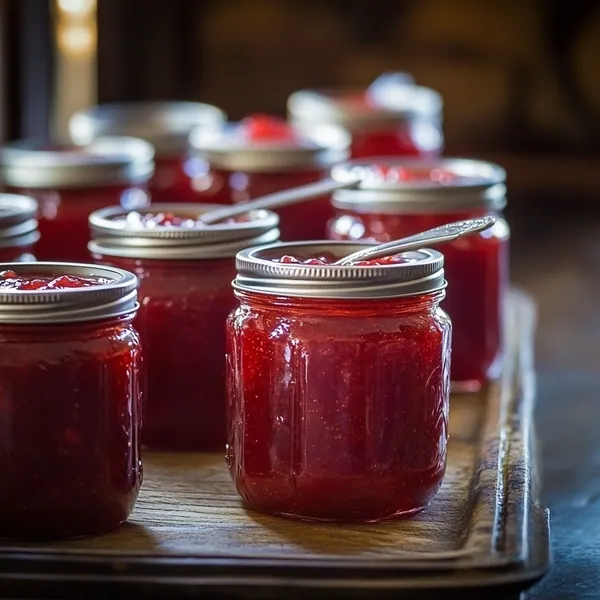
Before pouring the cheesecake batter, prepare your rhubarb compote: combine 1 cup finely chopped fresh rhubarb with 3 tablespoons granulated sugar and 1 teaspoon cornstarch in a small saucepan. Cook over medium heat, stirring frequently, until the rhubarb softens and the mixture thickens—about 5–7 minutes. Remove from heat and let cool slightly.
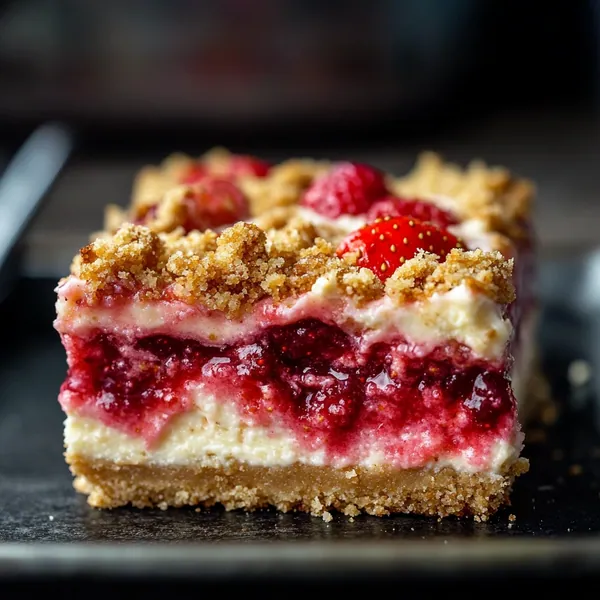
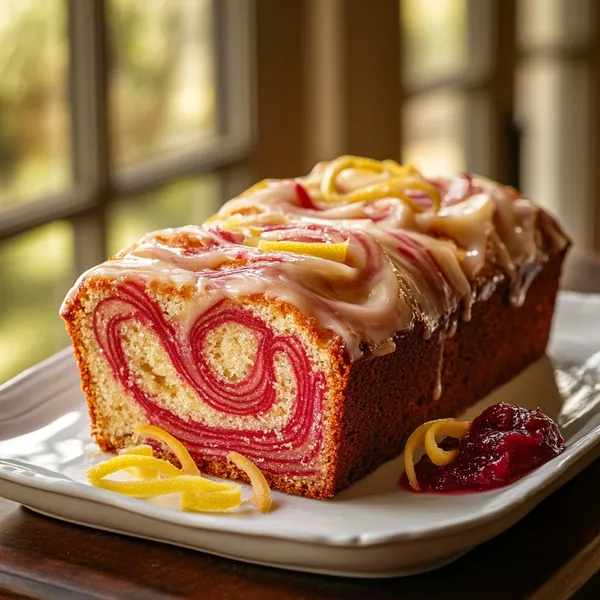
Pour the cheesecake filling evenly over the crust, then drop spoonfuls of warm rhubarb compote across the surface. Use a thin knife or skewer to swirl the rhubarb into the filling in gentle figure-eight patterns, creating beautiful marbled layers. Aim for 6–8 swirls, taking care not to overmix, which can muddy the colors.
Once you’re satisfied with the swirl design, tap the pan gently on the counter to release any air bubbles. This final assembly readies your squares for baking: the contrast of the creamy filling, bright pink rhubarb streaks, and sturdy crust promises an eye-catching dessert that’s as visually stunning as it is delicious.
Baking & Timing
Preheat your oven to 325 °F (160 °C). Place the assembled pan on the center rack to ensure even heat distribution. Bake for 35–45 minutes, checking at the 30-minute mark. You’re looking for a slight jiggle in the center—about 1 inch (2.5 cm) from the edge should be set, with just a gentle wobble in the middle. Avoid overbaking, which can dry out the filling and cause cracks. If the top begins to brown too much, loosely tent with aluminum foil. Rotate the pan once halfway through baking to compensate for any hot spots in your oven. Total bake time will vary depending on pan size and oven calibration, so rely on visual cues more than the timer. Once the edges are set and the center holds its shape when nudged, remove from the oven and prepare for cooling. Proper baking time produces a creamy interior and a firm crust-to-filling bond.
Cooling & Setting
Immediately after baking, turn off the oven and crack the door open about 2 inches (5 cm). Let the pan remain inside for 30 minutes; this gradual cooling minimizes temperature shock and reduces cracking. After this initial phase, transfer the pan to a wire rack at room temperature and allow it to cool for an additional 30–45 minutes. At this point, the filling will have firmed up sufficiently for slicing, but chilling is essential for clean cuts and optimal texture. Cover the cooled pan loosely with plastic wrap or foil and refrigerate for at least 3–4 hours, preferably overnight. Extended chilling deepens the flavors, allowing the rhubarb compote to meld with the creamy cheese layer. When fully set, use the parchment overhang to lift the entire slab from the pan. A sharp, warm knife yields the best slices—wipe the blade between cuts to maintain crisp edges.
Topping & Finishing Touches
Before serving, add simple accents to elevate presentation and flavor. Lightly dust the top with sifted powdered sugar for a delicate, snow-kissed look that contrasts the pink rhubarb swirls. For added texture, sprinkle a teaspoon of finely chopped toasted almonds or pistachios over each square. If you prefer extra sweetness, pipe or dollop a small rosette of whipped cream on one corner of each bar. To reinforce the rhubarb theme, garnish with thinly shaved rhubarb ribbons: use a vegetable peeler to slice long, slender strips from a fresh stalk, then arrange them atop the whipped cream or directly on the bar. For a glossy finish, brush a light coating of warmed apricot jam over the surface. These finishing touches not only enhance visual appeal but also introduce complementary textures and flavors, making each square look as delightful as it tastes.
Serving Suggestions & Pairings
Rhubarb Cheesecake Squares shine when served slightly chilled, at around 50–55 °F (10–13 °C), to showcase their creamy texture and bright fruit notes. Portion into 2×2-inch (5×5 cm) squares for elegant bite-sized servings, or cut larger pieces for a more indulgent treat. Pair with light beverages such as a dry Riesling or a crisp Prosecco to balance the dessert’s sweetness and tang. Unflavored herbal teas like chamomile or mint also complement the rich cheese layer without overpowering the rhubarb. For coffee lovers, opt for a medium-roast brew with subtle fruity undertones. Serve alongside fresh berries—strawberries or raspberries offer a harmonious color contrast and reinforce the fruit-forward profile. For a special occasion, present the squares on a tiered dessert stand with edible flowers or mint sprigs to highlight the springtime theme.

Storage & Make-Ahead Tips
These squares store beautifully and can be prepared in advance to streamline entertaining. After chilling, cover the pan tightly with plastic wrap and refrigerate for up to 4 days; the flavors will deepen over time. For longer storage, slice the bars first, then arrange them in a single layer on a parchment-lined baking sheet. Freeze uncovered for 1 hour, then transfer to an airtight container with wax-paper layers between squares; freeze for up to 3 months. To serve, thaw refrigerated squares for 30 minutes at room temperature or frozen squares in the fridge overnight. If desired, refresh the appearance by dusting with powdered sugar or re-piping whipped cream just before plating. Preparing the crust, filling, and compote a day ahead can reduce hands-on time on the event day: bake, cool, and chill your cheesecake the night before to ensure a stress-free serving experience.
Variations & Substitutions
Experiment with flavors and dietary adjustments while retaining the core concept. For a gluten-free crust, substitute graham crackers with certified gluten-free cookies or use ground almonds mixed with oats. To incorporate other fruits, swap rhubarb for equal parts diced strawberries, blueberries, or a strawberry-rhubarb blend; adjust sugar to balance sweetness. For a vegan adaptation, replace cream cheese with plant-based alternatives (such as cashew-based “cream cheese”) and use flaxseed “eggs” (1 tablespoon ground flaxseed + 2.5 tablespoons water per egg). Swap butter for coconut oil in the crust and cornstarch with arrowroot powder in the compote. To reduce sugar, use ⅔ cup sugar in the filling and 2 tablespoons of a granulated sweetener like erythritol in the rhubarb layer. For added depth, stir a teaspoon of lemon zest into the filling or a pinch of ginger into the compote.
Nutrition Information & Health Tips
A standard 2×2-inch square contains approximately 250–300 calories, with about 15 g fat, 28 g carbohydrates, and 4 g protein. Here’s how to lighten each bar: use low-fat cream cheese and reduce sugar by 25 percent—compensate sweetness with a natural sweetener like stevia or monk fruit. Boost fiber by swapping half the graham crackers for finely ground oats or flaxseed meal in the crust. Incorporate an extra tablespoon of chia seeds into the rhubarb compote to thicken without cornstarch and add omega-3 fatty acids. For a protein kick, stir a scoop of unflavored whey or plant-based protein powder into the filling—adjust liquid ratios as needed. To lower glycemic impact, pair each square with a handful of nuts or a dollop of Greek yogurt, which slows carbohydrate absorption. Always measure ingredients precisely to manage portion size and nutritional content.
Conclusion & Encouragement to Try
Rhubarb Cheesecake Squares blend nostalgic spring flavors with the creamy richness of classic cheesecake, offering a versatile dessert that’s as impressive as it is approachable. From crafting a sturdy, buttery crust to mastering the swirl technique, each step empowers you to deliver bakery-quality squares at home. Whether you stick to the traditional recipe or explore the suggested variations—gluten-free, vegan, or fruit-forward twists—you’ll find this dessert adaptable to any occasion and dietary preference. Remember that ingredients, precise temperatures, and patience during cooling are your keys to success. Share your homemade squares at family gatherings, potlucks, or alfresco brunches to showcase both skill and seasonal flair. We hope this guide inspires you to don your apron, gather fresh rhubarb, and delight loved ones with a dessert that celebrates the vibrant taste of spring. Happy baking!
FAQs
Can I use frozen rhubarb?
Yes. Thaw and drain frozen rhubarb, then cook down to remove excess liquid before adding to the compote.
How do I prevent a soggy crust?
Par-bake the crust for 10–12 minutes and cool completely before adding the filling; use a tight press for minimal air gaps.
Why did my cheesecake crack?
Overmixing incorporates air and rapid temperature changes cause cracking. Mix on low, bake gently, and cool gradually in the oven.
Can I make these ahead for a party?
Absolutely. Bake and chill overnight; cover and refrigerate up to 4 days or freeze for up to 3 months.
What’s the best way to sweeten tart rhubarb?
Use a sugar ratio of ¼–⅓ cup per cup of rhubarb, adjusting to taste, and cook gently to concentrate natural flavors.
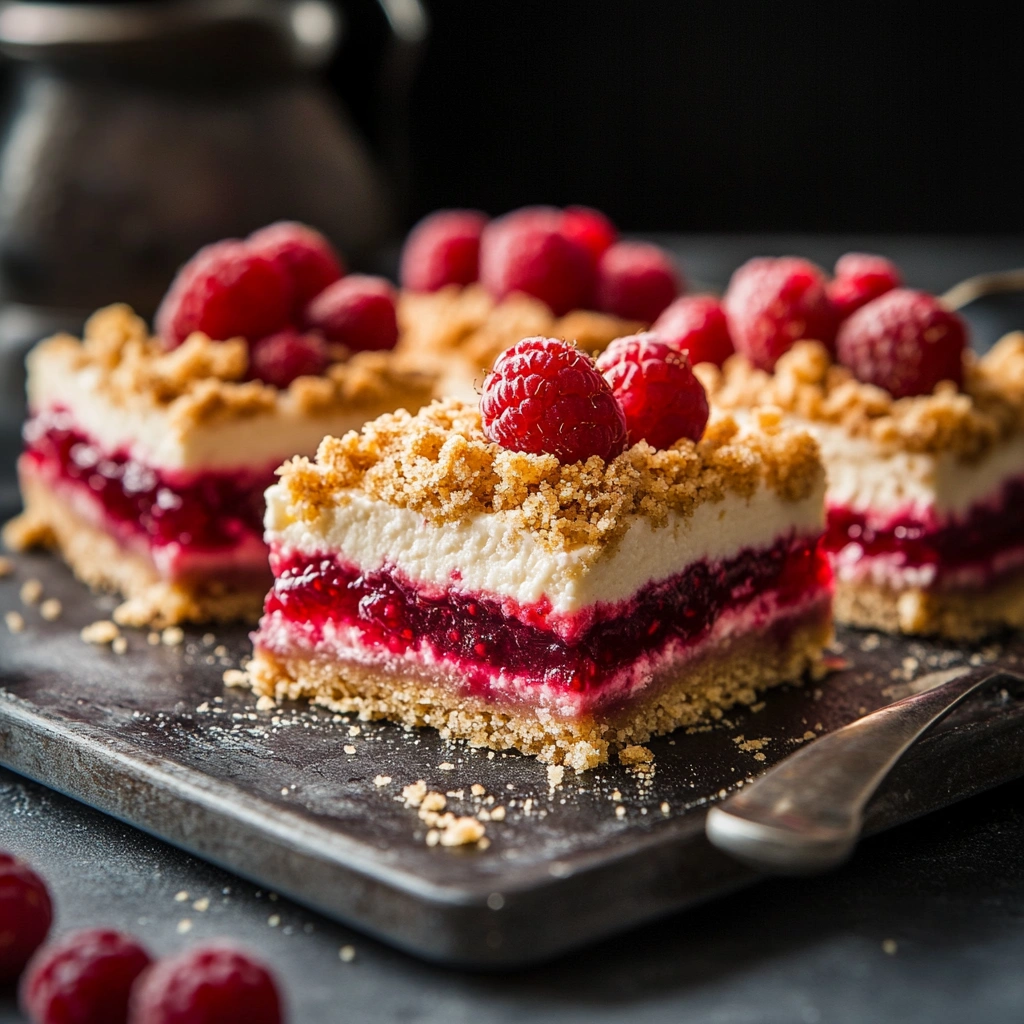
Rhubarb Cheesecake Squares
These Rhubarb Cheesecake Squares marry the bright, tangy flavor of fresh rhubarb with a luxuriously creamy cheesecake layer, all on top of a buttery graham-cracker crust. Perfectly portioned into easy-to-serve squares, this dessert combines the best of spring’s produce with a classic sweet finish. Whether you’re looking to impress at a brunch, a potluck, or afternoon tea, these bars deliver a beautiful swirl of pink rhubarb compote against a soft, silky filling that cuts cleanly every time. The result is a refreshingly balanced treat that both cheesecake lovers and fruit-dessert fans will adore.
Ingredients
- 2 cups rhubarb, chopped
- 1 cup granulated sugar, divided
- 1 tablespoon cornstarch
- 1 teaspoon vanilla extract
- 1 package (8 ounces) cream cheese, softened
- 1/2 cup sour cream
- 1/4 cup all-purpose flour
- 1 large egg
- 1/2 teaspoon almond extract
- 1/4 teaspoon salt
- 1 cup graham cracker crumbs
- 1/4 cup unsalted butter, melted
Instructions
- Preheat the oven to 350°F. Grease an 8×8-inch baking pan.
- In a medium bowl, combine the chopped rhubarb with 1/2 cup of sugar and cornstarch. Stir well and set aside to let the rhubarb release its juices.
- In a separate bowl, beat the softened cream cheese with the remaining 1/2 cup of sugar until smooth. Add the sour cream, flour, egg, vanilla extract, almond extract, and salt. Mix until well combined and creamy.
- In another bowl, mix the graham cracker crumbs with the melted butter until the crumbs are evenly coated. Press the mixture firmly into the bottom of the prepared baking pan to form the crust.
- Spread the cream cheese mixture over the crust evenly. Spoon the rhubarb mixture on top of the cream cheese layer, spreading it out gently.
- Bake in the preheated oven for 35-40 minutes, or until the center is set and the edges are lightly golden. Remove from the oven and let cool to room temperature, then refrigerate for at least 2 hours before cutting into squares.
- These squares can be served chilled or at room temperature.