Easy Rhubarb Quick Bread Recipe

Hamza

No Comments

Flavor Nest

Daily Delicious Creations 👩‍🍳


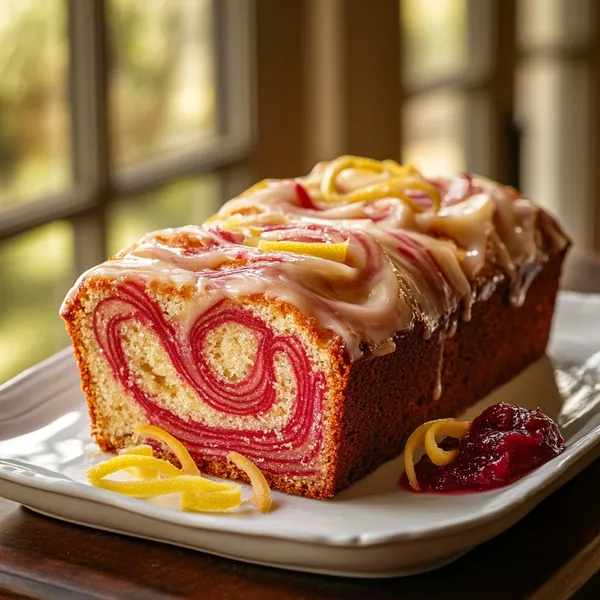
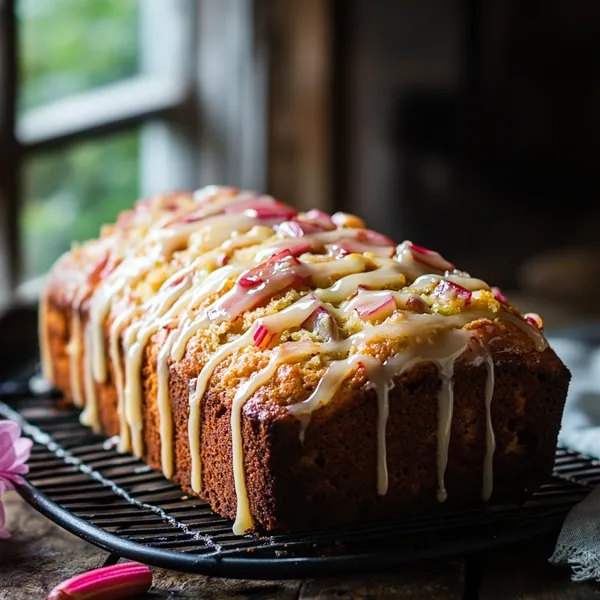
There’s something undeniably delightful about the bright pink streaks of rhubarb weaving through a tender loaf of quick bread. This easy rhubarb quick bread recipe transforms the quintessential springtime vegetable—often overshadowed by berries—into a moist, flavorful treat that’s perfect for breakfast, brunch, or an afternoon pick-me-up. With minimal hands-on time and pantry-friendly ingredients, you’ll have a loaf ready in under an hour, from prep to table. No need for yeast, proofing, or elaborate techniques: this quick bread relies on simple chemical leaveners to rise beautifully. The subtle tartness of rhubarb pairs harmoniously with a touch of sweetness in the batter, creating a balanced flavor profile that even rhubarb skeptics will adore. Whether you’re a seasoned baker or a kitchen novice, this recipe’s straightforward steps and reliable results make it a go-to for showcasing seasonal produce. Read on to discover why this loaf deserves a spot in your baking rotation and how to execute it flawlessly every time.

Why Rhubarb Quick Bread? 

Rhubarb quick bread stands out for its striking color contrast and vibrant flavor. Unlike yeast breads, which require extended rising times and precise temperature control, quick breads depend on baking powder or baking soda for lift—making them faster and more foolproof. The natural tartness of rhubarb provides complexity, cutting through the sweetness of the batter to prevent cloying sweetness. This tart-sweet interplay elevates a humble loaf into something memorable. Additionally, rhubarb is available fresh or frozen year-round, so you can adapt the recipe to your convenience. Versatility is another perk: serve slices warm with a pat of butter, toasted and slathered with cream cheese, or alongside a scoop of vanilla ice cream for dessert. Nutritionally, rhubarb contributes fiber, vitamin K, and antioxidants, adding a healthful twist to a traditionally indulgent treat. All these factors—speed, flavor balance, adaptability, and nutrition—make rhubarb quick bread a standout choice for home bakers.

Key Ingredients Overview

Rhubarb: Fresh stalks are ideal in spring and early summer; look for firm, brightly colored pieces without wilting. If rhubarb isn’t in season, frozen chopped rhubarb works well—just thaw and drain excess liquid. Coating pieces in a tablespoon of flour prevents them from sinking to the loaf’s bottom.
Flour: All-purpose flour yields a tender crumb, but you can substitute one-to-one gluten-free blends for a celiac-friendly version. Whole wheat pastry flour adds nuttiness but may produce a denser loaf; consider a half-and-half mix to maintain lightness.
Sugar: Granulated sugar is traditional, but light brown sugar introduces caramel notes and extra moisture. For a subtler sweetness, replace up to one-quarter of the sugar with honey or maple syrup—reduce liquid slightly to compensate.
Leavening Agents: A combination of baking powder and baking soda ensures reliable rise and a tender bite. Measure these precisely—too much leads to metallic aftertastes or over-expansion and collapse.
Eggs: Room-temperature eggs blend more uniformly, trapping air for lift. Large eggs are standard; if using smaller or extra-large eggs, adjust liquid ingredients by a tablespoon per egg size difference.
Fats: Melted butter imparts rich flavor, while neutral oils (canola, vegetable) yield a lighter texture and longer shelf life. You can substitute half of the butter with yogurt or sour cream for extra tang and moisture.
Dairy: Milk, buttermilk, or yogurt provide moisture and contribute to a fine crumb. Buttermilk reacts with baking soda to boost rise and tenderize the loaf.
Flavor Enhancers: A teaspoon of vanilla extract complements rhubarb’s tartness. Ground cinnamon or ginger adds warmth—use sparingly to avoid overpowering the fruit. A pinch of salt balances sweetness and heightens overall flavor.

Equipment & Prep

Before you begin mixing, gather your tools to streamline the process. A standard 9×5-inch loaf pan works best—if using a smaller or larger pan, adjust the bake time accordingly. Line the pan with parchment paper or spray it generously with nonstick cooking spray to ensure easy release. Use medium-sized mixing bowls: one for dry ingredients and one for wet, so you can combine them efficiently without overmixing. A whisk or sifter for flour and spices ensures even distribution of leaveners; a rubber spatula or wooden spoon is perfect for folding in rhubarb. Accurate measuring cups and spoons are crucial—especially for baking powder and soda, where slight deviations can affect texture. Preheat your oven to 350°F (175°C) and position the rack in the center to promote even heat circulation. Finally, set a cooling rack nearby so you can transfer the loaf promptly after baking, preserving its crust and crumb structure.

Preparing the Rhubarb

Start by rinsing rhubarb stalks under cold water to remove any surface grit. Trim off leaves and fibrous ends; discard leaves, as they contain oxalic acid. Cut stalks into uniform ½-inch pieces so they bake evenly. If the rhubarb seems very watery—common with frozen—it helps to drain it in a fine-mesh sieve for 10–15 minutes, pressing gently to remove excess juice. To minimize sinking during baking, toss the chopped rhubarb with one to two tablespoons of flour from your dry-ingredient mix; the light dusting creates a barrier that helps the fruit stay suspended throughout the batter. If you prefer a more tender texture, you can macerate rhubarb with a tablespoon of sugar for 10 minutes, then drain; but this step is optional and adds time. Once prepared, set the rhubarb aside in a small bowl until you’re ready to fold it into the batter—this keeps all components moving swiftly when it’s time to assemble.

Mixing Dry Ingredients

In a medium bowl, whisk together 2 cups of all-purpose flour, ½ teaspoon of baking soda, 2 teaspoons of baking powder, and ¼ teaspoon of salt until fully combined. If you’re adding spices—say, ½ teaspoon of ground cinnamon or ¼ teaspoon of ground ginger—incorporate them at this stage to ensure even distribution. Sifting the flour mixture is optional but helps break up any lumps and aerates the mix for a lighter loaf. Using a whisk rather than a spoon also prevents over-working the flour’s gluten, which can make the bread tough. After whisking for about 30 seconds, visually inspect the mixture: you should see no pockets of powder, and everything should appear uniform. Transfer this bowl to your prep area so it’s ready when the wet ingredients are finished—this organization minimizes idle time and prevents the chemical leaveners from reacting prematurely.

Mixing Wet Ingredients

In a separate large bowl, cream together ⅔ cup of granulated sugar and ½ cup of melted unsalted butter until smooth and slightly pale. If you choose brown sugar, break up any clumps before measuring. Beat in two large eggs, one at a time, whisking until the yolk is fully incorporated before adding the next. Add 1 teaspoon of vanilla extract, then pour in ½ cup of milk or buttermilk, whisking just until the mixture is uniform. If you’re using yogurt or sour cream, fold it in gently to avoid deflating the whipped sugar-butter base. At this point, scrape down the sides of the bowl with a spatula to ensure no streaks of unmixed butter or sugar remain. The goal is a homogeneous batter that will combine seamlessly with the dry ingredients, so take an extra 15–20 seconds to incorporate everything thoroughly without overbeating.

Combining & Pouring the Batter

With both bowls ready, create a well in the center of the dry ingredients. Pour the wet mixture into this well, then use a rubber spatula or wooden spoon to fold the components together. Work swiftly but gently: you want just enough mixing to eliminate visible streaks of dry flour without developing too much gluten, which can yield a dense loaf. When the batter is about 75% combined, add the prepared rhubarb pieces and fold until they’re evenly distributed. Scrape the sides and bottom of the bowl to capture any hidden dry pockets. The final batter should be thick but pourable, with rhubarb suspended throughout. Transfer it to your lined loaf pan, smoothing the top with a spatula. Tap the pan lightly on the counter to release any large air bubbles and level the surface. Now your loaf is ready for the oven—bake according to the recipe’s specified temperature and time for a perfectly risen, tender rhubarb bread.


Baking Instructions

Preheat your oven to 350°F (175°C) at least 15 minutes before you plan to bake, ensuring it reaches a stable temperature. Position a rack in the center of the oven to promote even heat circulation. While the oven heats, double–check that your batter is fully mixed and your loaf pan is prepared. Slide the pan onto the middle rack and set a timer for 45 minutes.

After 30 minutes of baking, inspect the loaf: the top should be lightly golden with slightly crisp edges. If the surface is browning too quickly, tent a sheet of aluminum foil loosely over the pan to prevent excessive coloring. Continue baking for the remaining 15–20 minutes. To test for doneness, insert a toothpick or thin skewer into the center of the loaf; it should emerge mostly clean, with only a few moist crumbs clinging to it. If wet batter remains, bake in two-minute increments, rechecking until done.

For reliable results, avoid opening the oven door during the first 30 minutes, as sudden temperature drops can cause the loaf to collapse. If your oven runs hot or you bake at high altitude (above 3,500 feet), reduce the temperature by 15°F (9°C) and increase the bake time by 5–10 minutes, monitoring closely. Once fully baked, remove the pan from the oven and place it on a heat-resistant surface. Let it rest undisturbed for 10 minutes before transferring to a cooling rack. This partial rest allows residual heat to finish cooking the interior and helps the loaf retain moisture.

Cooling & Slicing

After removing the loaf pan from the oven, set it on a wire cooling rack and allow it to rest in the pan for 10 minutes. This brief cooldown stabilizes the crumb and prevents the loaf from tearing when you remove it. To release, run a thin knife along the edges of the pan, then invert the pan onto the rack. Gently lift the pan away, and let the bread cool completely—about 45–60 minutes—before slicing.

Use a sharp serrated knife for clean cuts. Start at one end and saw gently back and forth, applying minimal downward pressure to preserve the loaf’s structure. Sixteen slices (about ¾-inch each) is ideal for balanced portion sizes. If you slice while the bread is still warm, the crumb may compress and become gummy; waiting for full cooling yields neat, uniform slices with a tender yet springy texture.

Tips & Troubleshooting

Soggy Center: Excess moisture from rhubarb can lead to a wet core. To prevent this, drain thawed rhubarb thoroughly in a sieve, pressing gently to remove juice, and coat pieces lightly in flour. Avoid underbaking by relying on a toothpick test rather than bake time alone.

Dense or Gummy Crumb: Overmixing activates gluten, yielding a tough loaf. Fold wet and dry ingredients just until no streaks of flour remain. Use room-temperature eggs and dairy ingredients to ensure uniform mixing without overbeating.

Rhubarb Sinking: Fine particles settle when batter is very thin. Increase batter viscosity by reducing liquid by one to two tablespoons or adding a tablespoon of finely chopped nuts to help suspend fruit.

Cracked Top: A slight crack indicates good oven spring. If cracks are excessive, your oven may be too hot. Verify temperature accuracy with an oven thermometer and consider lowering the heat by 10–15°F.

Collapsed Center: Opening the oven door too early or underbaking can cause collapse. Keep the door closed until at least 30 minutes have passed, and ensure leavening agents are fresh—baking powder older than six months loses potency.

Substitutions: For vegan quick bread, replace eggs with ½ cup of applesauce or mashed banana per egg, and use plant-based milk plus vinegar to mimic buttermilk. For gluten-free, choose a one-to-one flour blend containing xanthan gum. Monitor bake time closely, as alternative flours may brown faster.

Altitude Adjustments: Above 3,500 feet, decrease baking powder by ¼ teaspoon, increase liquid by one to two tablespoons, and add five extra minutes of bake time to compensate for faster evaporation.

Flavor Variations & Add-Ins

Nuts: Fold in ½ to ¾ cup of chopped walnuts, pecans, or almonds for crunch and a complementary nutty flavor. Toast nuts lightly beforehand to intensify aroma.

Dried Fruit: Add ½ cup of dried cranberries, cherries, or raisins. Rehydrate in warm water for 5–10 minutes and drain before folding in to prevent them from drawing moisture from the batter.

Citrus Zest: Brighten the loaf by grating the zest of one lemon or orange directly into the wet ingredients. For a more pronounced zing, add 1 teaspoon of citrus extract.

Spice Blends: Enhance warmth by substituting part of the cinnamon with ¼ teaspoon ground ginger or cardamom. A pinch of freshly grated nutmeg deepens complexity.

Chocolate Chips: Stir in ½ cup of semisweet or white chocolate chips. For even distribution, toss chips in a tablespoon of flour before adding to the batter.

Swirl or Streusel Topping: Create a marbled effect by spooning half the batter into the pan, scattering half the rhubarb and a thin layer of cinnamon-sugar, then layering remaining batter and fruit. Alternatively, top the unbaked loaf with a streusel made from ¼ cup flour, 2 tablespoons brown sugar, and 1 tablespoon cold butter.

Glaze or Icing: Drizzle a simple glaze—1 cup powdered sugar mixed with 1–2 tablespoons milk or lemon juice—over the cooled loaf. For a tangier finish, incorporate a teaspoon of cream cheese into the glaze.

Herbal Accents: Finely chop fresh mint or basil (1–2 tablespoons) and fold in for a unique herbal note that pairs surprisingly well with rhubarb’s tartness.

Serving Suggestions

Serve slices warm or at room temperature. Spread a thin layer of softened butter or flavored compound butter (honey-butter, cinnamon-butter) to accentuate moisture and richness. For a more decadent treat, top with whipped cream cheese sweetened with a teaspoon of honey or maple syrup. A dollop of Greek yogurt mixed with a hint of vanilla offers a tangy contrast.

Pair this rhubarb quick bread with hot beverages—black tea, herbal blends like chamomile, or freshly brewed coffee—to complement the loaf’s tart-sweet profile. For an indulgent dessert presentation, serve a warm slice alongside a scoop of vanilla ice cream or frozen yogurt, drizzling any leftover glaze over the ice cream for flavor continuity. Garnish plated slices with a few fresh rhubarb ribbons or thin lemon zest curls to highlight the seasonal ingredient.

Nutrition & Storage

Nutrition (per slice, 1 of 16): ~180–200 calories, 7 g fat, 28 g carbohydrates, 2 g protein, 1.5 g fiber, 120 mg sodium, plus vitamin K and antioxidants from rhubarb. Exact values vary based on ingredient choices (butter vs. oil, granulated vs. brown sugar).

Room Temperature: Wrap cooled slices individually in plastic wrap or store in an airtight container for up to 2 days.

Refrigeration: Place slices in a sealed container with parchment separators; refrigerate for up to 5 days. Bring to room temperature or warm gently in a 300°F (150°C) oven for 5–7 minutes to restore softness.

Freezing: Freeze slices in a single layer on a baking sheet, then transfer to a zipper-lock bag for up to 3 months. Thaw at room temperature or reheat directly from frozen in a 325°F (160°C) oven for 10–12 minutes.

Frequently Asked Questions

What is the difference between quick bread and yeast bread?
Quick breads use chemical leaveners (baking powder/soda), so they bake immediately without rising time. Yeast breads rely on biological fermentation and require proofing.[Link to Quick bread techniques]

Can I use frozen rhubarb?
Yes—thaw completely, drain excess moisture, and coat pieces in flour to prevent sinking and sogginess.

How do I keep rhubarb from making the bread soggy?
Drain and pat dry juicy rhubarb, and toss with a tablespoon of flour before folding into the batter.

Can I make this recipe gluten-free?
Substitute a one-to-one gluten-free flour blend containing xanthan gum. You may need to adjust liquids slightly and monitor baking time.

What can I substitute if I don’t have rhubarb?
Try chopped strawberries, raspberries, or tart apples—adjust sugar slightly to balance fruit sweetness.

Conclusion & Next Steps

This easy rhubarb quick bread combines minimal hands-on effort with vibrant spring flavor, perfect for both novice and experienced bakers. By following each step—preparing rhubarb correctly, mixing ingredients gently, and baking with care—you’ll achieve a tender, flavorful loaf every time. We encourage you to experiment with suggested variations, from nuts and spices to glazes and herbal accents, to make the recipe your own. Share your creations and tips in the comments or on social media, and explore our other seasonal baking guides—like strawberry coffee cake or zucchini muffins—for more fresh-produce inspiration. Happy baking!

Print
clock clock iconcutlery cutlery iconflag flag iconfolder folder iconinstagram instagram iconpinterest pinterest iconfacebook facebook iconprint print iconsquares squares iconheart heart iconheart solid heart solid icon

Easy Rhubarb Quick Bread Recipe


  • Author: Hamza

Description

This Easy Rhubarb Quick Bread showcases the bright, tangy flavor of rhubarb in a tender, buttery loaf that comes together in under an hour. No yeast or lengthy rising times required—just simple pantry staples, a handful of fresh or frozen rhubarb, and basic baking techniques. The result is a soft crumb streaked with rosy fruit pieces, perfectly balanced between tartness and sweetness. Serve it warm with a pat of butter for breakfast, alongside your afternoon tea, or sliced with a scoop of vanilla ice cream for dessert. Whether you’re new to baking or looking for a fuss-free way to use seasonal produce, this quick bread delivers dependable results and plenty of opportunities for customization.


Ingredients

Scale

For the Bread:

  • 1 ¾ cups all-purpose flour
  • 1 cup granulated sugar
  • 1 tsp baking powder
  • ½ tsp baking soda
  • ¼ tsp salt
  • ½ cup unsalted butter, melted
  • 2 large eggs
  • 1 tsp vanilla extract
  • ½ cup buttermilk
  • 1 ½ cups rhubarb, diced (fresh or frozen)

For Topping (Optional):

  • ¼ cup coarse sugar

Instructions

1. Preheat the Oven:

Start by preheating your oven to 350°F (175°C). This ensures your bread gets a nice rise and a golden color as it bakes. While the oven heats up, grease and flour a 9×5-inch loaf pan to prevent the bread from sticking.

2. Mix the Dry Ingredients:

In a large bowl, combine the all-purpose flour, granulated sugar, baking powder, baking soda, and salt. Use a whisk to mix everything together well. This step helps to evenly distribute the leavening agents in the flour, which is important for a good rise.

3. Mix the Wet Ingredients:

In a separate bowl, whisk together the melted butter, eggs, vanilla extract, and buttermilk until everything is well combined. It’s okay if the mixture looks a bit lumpy; just ensure there are no large bits of butter or egg.

4. Combine the Mixtures:

Now, gradually pour the wet ingredients into the bowl of dry ingredients. Gently mix them together until just combined. Be careful not to overmix; it’s better to have a few lumps than a tough bread.

5. Add the Rhubarb:

Take your diced rhubarb and gently fold it into the batter. Ensure the rhubarb is evenly distributed, but again, don’t overmix! This will help ensure a delicious burst of rhubarb flavor in every bite.

6. Prepare and Pour into the Pan:

Pour the batter into your prepared loaf pan. If you like a little extra sweetness, sprinkle the coarse sugar on top of the batter before baking. This will give your bread a nice crunchy topping!

7. Bake the Bread:

Place the loaf pan in the preheated oven and bake for 55-65 minutes. To check for doneness, insert a toothpick into the center of the bread. If it comes out clean, your bread is ready! If the top is browning too quickly, cover it gently with foil.

8. Cool and Serve:

Once baked, remove your bread from the oven and let it cool in the pan for about 10 minutes. Then, gently transfer it to a wire rack to cool completely. Slice it up once it’s cool and enjoy your delicious rhubarb quick bread!

Notes

  • Rhubarb Prep: If using frozen rhubarb, thaw and drain thoroughly before tossing with a tablespoon of flour to prevent excess moisture.
  • Flavor Balance: Adjust sugar by up to 2 tablespoons less or more depending on your sweetness preference and the natural tartness of your rhubarb.
  • Mixing: Fold ingredients just until combined. Overmixing can activate gluten and yield a dense loaf.
  • Baking Time: Ovens vary—begin checking doneness at 40 minutes with a toothpick. If it comes out with wet batter, bake in 2-minute increments.
  • Storage: Store cooled slices in an airtight container at room temperature for up to 2 days, or refrigerate up to 5 days. Freeze individual slices for up to 3 months.
  • Variations: Stir in ½ cup chopped nuts, dried fruit, or chocolate chips; top with a simple glaze or streusel before baking for extra texture and flavor.

Leave a Comment

Recipe rating