In this article
- Traditional Ingredients & Their Importance
- Why Old Fashioned Cabbage Stuffers Remain Popular
- Cultural Variations and Names
- Key Benefits of Making Old Fashioned Cabbage Stuffers at Home
- Step-by-Step Recipe Guide: Old Fashioned Cabbage Stuffers
- Ingredients
- Step 1: Preparing the Cabbage Leaves
- Step 2: Preparing the Filling
- Step 3: Assembling the Cabbage Rolls
- Step 4: Cooking the Cabbage Rolls
- Step 5: Serving Suggestions
- Expert Tips & Tricks for Perfect Cabbage Stuffers
- Popular Variations & Creative Ideas
- Common Mistakes & How to Avoid Them
- Frequently Asked Questions (FAQs)
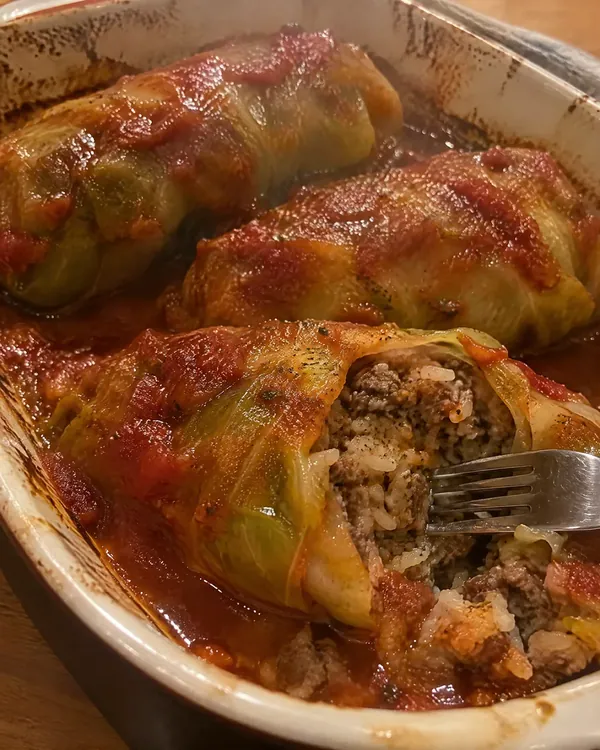
Old-fashioned cabbage stuffers, commonly known as cabbage rolls, are a timeless dish that has been enjoyed by generations across various cultures. These hearty, flavorful rolls consist of tender cabbage leaves wrapped around a savory filling of ground meat, rice, and seasonings, all slow-cooked in a rich tomato-based sauce. The dish has strong roots in Eastern European, Middle Eastern, and Mediterranean cuisines, with each region adding its unique twist to the recipe.
The tradition of stuffing vegetables dates back centuries, with cabbage rolls being particularly popular in countries like Poland, Ukraine, Russia, and Hungary. Known as Golumpki in Poland, Holubtsi in Ukraine, and Sarma in the Balkans, cabbage stuffers symbolize warmth, home-cooked comfort, and family gatherings. Immigrants brought these beloved recipes to North America, where they remain a staple in many households, especially during holidays and special occasions.
One of the reasons old-fashioned cabbage stuffers remain popular today is their versatility. They can be made with different meats, including beef, pork, chicken, or turkey, and can even be adapted for vegetarian and vegan diets. The dish is also budget-friendly, as it uses simple, wholesome ingredients that are widely available.
Whether baked in the oven, simmered on the stovetop, or slow-cooked in a crockpot, cabbage stuffers are a delicious and satisfying meal. Their combination of tender cabbage, flavorful filling, and tangy tomato sauce makes them a classic comfort food that continues to stand the test of time.
Traditional Ingredients & Their Importance
Old-fashioned cabbage stuffers are made using simple, wholesome ingredients that come together to create a flavorful and comforting dish. Each ingredient plays a crucial role in the texture, taste, and authenticity of the dish.
1. Cabbage – The Star of the Dish
Cabbage leaves serve as the perfect wrapping for the filling. Green cabbage is the most commonly used variety due to its sturdy yet tender leaves when boiled. The slight sweetness of cabbage balances the savory filling and rich tomato sauce.
2. Ground Meat – The Protein Base
Traditional recipes use ground beef, pork, or a combination of both. Pork adds moisture and flavor, while beef provides a heartier texture. Some variations use turkey or chicken for a leaner option. The meat is seasoned with herbs and spices to enhance the overall taste.
3. Rice – The Binding Agent
White rice, particularly short or medium-grain, is traditionally used to absorb flavors and provide a soft texture. Some modern versions incorporate brown rice, quinoa, or barley for added nutrition.
4. Onion and Garlic – Flavor Enhancers
Finely chopped onions and minced garlic are essential for adding depth and aroma to both the filling and sauce. These ingredients help balance the richness of the meat.
5. Tomato Sauce – The Signature Flavor
A tangy, slightly sweet tomato sauce or tomato juice is used to cook the cabbage rolls. It infuses them with moisture and enhances their savory taste. Some variations use a combination of tomatoes, broth, and spices for a more complex flavor.

Why Old Fashioned Cabbage Stuffers Remain Popular
Old-fashioned cabbage stuffers have remained a beloved dish for generations due to their comforting flavors, versatility, and deep cultural significance. Despite the ever-changing food trends, this traditional meal continues to be a staple in many households worldwide.
1. Nostalgic & Comforting
For many people, cabbage stuffers evoke childhood memories of home-cooked meals and family gatherings. The combination of tender cabbage, savory filling, and rich tomato sauce creates a warm, satisfying dish that feels like a taste of home.
2. Affordable & Easy to Make
Cabbage rolls are made with simple, budget-friendly ingredients such as cabbage, ground meat, rice, and tomato sauce. This makes them an economical meal that can feed a large family without breaking the bank.
3. Nutritious & Filling
Packed with protein, fiber, and essential vitamins from cabbage and rice, this dish is both hearty and nutritious. It can be adapted for various dietary needs, including low-carb and vegetarian versions.
4. Cultural & Traditional Value
Cabbage rolls are a key part of many cultural cuisines, from Eastern European Golumpki to Middle Eastern Malfouf. Families pass down recipes through generations, keeping culinary traditions alive.
5. Versatile & Adaptable
Whether baked, slow-cooked, or simmered on the stovetop, cabbage stuffers can be customized with different meats, grains, and seasonings, making them a flexible dish for any taste preference.
Cultural Variations and Names
Cabbage stuffers, commonly known as cabbage rolls, are enjoyed in many cultures worldwide, each with its own unique name, ingredients, and preparation methods. While the core concept remains the same—cabbage leaves stuffed with a savory filling—regional variations bring distinct flavors and traditions to the dish.
1. Eastern European Variations
- Poland: Golabki (meaning “little pigeons”) are typically filled with pork and rice and simmered in tomato sauce.
- Ukraine: Holubtsi are a staple dish, often served with sour cream.
- Russia: Golubtsy are similar to Ukrainian versions but may also include buckwheat instead of rice.
2. Balkan and Mediterranean Variations
- Hungary: Töltött Káposzta includes sauerkraut and paprika for a smoky flavor.
- Romania: Sarmale uses pork, rice, and sometimes smoked meats for added depth.
- Greece: Lahanodolmades are often served with an egg-lemon sauce (avgolemono) instead of tomato sauce.
3. Middle Eastern and Asian Variations
- Lebanon & Syria: Malfouf is a spiced version, often cooked with lemon juice and garlic.
- Korea: Baechu jjim is a braised cabbage dish sometimes featuring fermented kimchi flavors.
These variations showcase the global appeal of cabbage stuffers, proving that this dish is a cherished comfort food across cultures.
Key Benefits of Making Old Fashioned Cabbage Stuffers at Home
Making old-fashioned cabbage stuffers at home offers numerous benefits, from cost savings to healthier ingredients and a deeper appreciation for culinary traditions.
1. Cost-Effective and Budget-Friendly
Homemade cabbage rolls are an affordable meal, using simple ingredients like cabbage, ground meat, and rice. Preparing them at home saves money compared to store-bought or restaurant versions.
2. Healthier and Customizable
Cooking at home allows control over ingredients, reducing excess sodium, preservatives, and unhealthy fats. You can adjust the recipe to fit dietary preferences, such as using lean meats, whole grains, or plant-based alternatives.
3. Rich in Nutrients
Cabbage is packed with vitamins C and K, while meat and rice provide protein and fiber. Homemade versions ensure a balanced meal with fresh, wholesome ingredients.
4. Family Bonding and Tradition
Preparing cabbage rolls can be a family tradition, passed down through generations. Cooking together strengthens family bonds and preserves cultural heritage.
5. Versatile and Freezer-Friendly
Cabbage rolls can be made in bulk and frozen for later, making them a convenient meal prep option. They reheat well, providing a quick and satisfying homemade meal anytime.

Step-by-Step Recipe Guide: Old Fashioned Cabbage Stuffers
Making old-fashioned cabbage stuffers is a rewarding process that results in a hearty, flavorful dish. Below is a step-by-step guide to preparing them the traditional way.
Ingredients
For the Cabbage Rolls:
- 1 large head of green cabbage
- 1 lb ground beef (or a mix of beef and pork)
- 1 cup cooked white rice
- 1 small onion, finely chopped
- 2 cloves garlic, minced
- 1 egg (optional, for binding)
- 1 tsp salt
- ½ tsp black pepper
- 1 tsp paprika
For the Sauce:
- 1 can (28 oz) crushed tomatoes
- 1 cup tomato sauce or tomato juice
- 1 cup beef broth
- 1 tbsp brown sugar (optional, to balance acidity)
- 1 tsp Worcestershire sauce
- 1 tsp dried oregano or thyme
Step 1: Preparing the Cabbage Leaves
- Bring a large pot of water to a boil.
- Core the cabbage by cutting around the stem to loosen the leaves.
- Submerge the cabbage head in boiling water for 2-3 minutes. As the outer leaves soften, remove them and set them aside. Repeat until you have about 12-15 large, pliable leaves.
- Trim the thick central vein on each leaf for easier rolling.
Step 2: Preparing the Filling
- In a large mixing bowl, combine ground meat, cooked rice, chopped onion, minced garlic, salt, pepper, paprika, and egg (if using). Mix well until evenly combined.
- If the mixture feels too dry, add a few tablespoons of beef broth. If too wet, add a bit more rice.
Step 3: Assembling the Cabbage Rolls
- Lay a cabbage leaf flat on a cutting board.
- Place 2-3 tablespoons of the filling near the base of the leaf.
- Fold the sides of the cabbage leaf inward, then roll it up tightly, like a burrito.
- Repeat with the remaining leaves and filling.
Step 4: Cooking the Cabbage Rolls
Stovetop Method:
- In a large pot, spread a thin layer of tomato sauce on the bottom.
- Arrange cabbage rolls in a single layer, seam side down.
- Pour the tomato sauce mixture over the rolls.
- Cover and simmer on low heat for 1.5 to 2 hours.
Oven Method:
- Preheat oven to 350°F (175°C).
- Arrange cabbage rolls in a baking dish, seam side down.
- Pour the sauce over them and cover tightly with foil.
- Bake for 1.5 to 2 hours.
Slow Cooker Method:
- Place a layer of sauce in the bottom of the slow cooker.
- Add cabbage rolls in layers, pouring sauce over each layer.
- Cook on low for 6-8 hours or high for 4 hours.
Step 5: Serving Suggestions
- Serve hot with sour cream or a side of crusty bread.
- Garnish with fresh parsley or dill.
Expert Tips & Tricks for Perfect Cabbage Stuffers
1. Choose the Right Cabbage
- Savoy cabbage is more tender and easier to roll than traditional green cabbage.
- If using regular green cabbage, blanch it properly to soften the leaves.
2. Make Rolling Easier
- Trim the thick central vein from each leaf to make rolling easier.
- If leaves are too firm, microwave them for 30 seconds to soften.
3. Enhance the Flavor
- Sauté the onions and garlic before mixing them into the filling for a deeper flavor.
- Add smoked paprika or bacon for a smoky taste.
4. Keep the Rolls Moist
- Layer extra cabbage leaves at the bottom of the pot to prevent burning.
- If the sauce is too thick, add a bit of beef broth or water.
5. Perfect Texture
- Use partially cooked rice instead of raw to prevent mushiness.
- Don’t overstuff the rolls; leave room for expansion as the rice absorbs moisture.
Popular Variations & Creative Ideas
1. Vegetarian & Vegan Cabbage Stuffers
- Use lentils, mushrooms, or quinoa instead of meat.
- Substitute beef broth with vegetable broth for a fully plant-based dish.
2. Gluten-Free & Low-Carb Alternatives
- Replace rice with cauliflower rice or quinoa for a low-carb version.
- Use almond flour or ground flaxseed as a binder instead of breadcrumbs.
3. Alternative Sauces
- Creamy Garlic Sauce: A béchamel or yogurt-based sauce instead of tomato.
- Spicy Sauce: Add chili flakes, harissa, or hot paprika for a kick.
- Sweet & Sour Sauce: A mix of brown sugar and vinegar for a tangy twist.
4. Different Cooking Methods
- Grilled Cabbage Rolls: Gives a smoky, charred flavor.
- Stuffed Cabbage Casserole: Deconstruct the rolls and layer them like lasagna for an easier prep.
Common Mistakes & How to Avoid Them
1. Overcooking or Undercooking the Cabbage
- If overcooked, cabbage becomes too soft and falls apart. Blanch just enough to make it pliable.
2. Too Much or Too Little Filling
- Overstuffed rolls can burst open while cooking. Use only 2-3 tablespoons of filling per roll.
3. Dry or Bland Filling
- Adding a little beef broth to the filling keeps it moist.
- Season the filling generously with salt, pepper, and spices.
4. Sauce Too Watery or Too Thick
- If too watery, let it reduce uncovered for a few minutes.
- If too thick, add extra broth or tomato juice.
5. Rolls Falling Apart
- Ensure a tight roll and place them seam-side down when cooking.
Frequently Asked Questions (FAQs)
1. What is the origin of cabbage rolls?
Cabbage rolls originated in Eastern Europe but have variations worldwide, from Middle Eastern Malfouf to Greek Lahanodolmades.
2. Can I freeze cabbage rolls?
Yes! Assemble them uncooked, wrap tightly in plastic wrap, and freeze. When ready to cook, thaw overnight and bake as usual.
3. How long do cooked cabbage rolls last in the fridge?
They stay fresh for 3-4 days when stored in an airtight container.
4. Can I use raw meat in cabbage rolls?
Yes, raw meat is common. It cooks fully during the simmering or baking process.
5. What side dishes go best with cabbage rolls?
- Mashed potatoes
- Crusty bread
- Roasted vegetables
- Sour cream or yogurt for a tangy contrast

Old Fashioned Cabbage Stuffers
Old-fashioned cabbage stuffers, also known as stuffed cabbage rolls, are a classic comfort food enjoyed across various cultures. This dish consists of tender cabbage leaves wrapped around a savory filling of ground meat, rice, and seasonings, all simmered in a rich tomato-based sauce. With deep roots in Eastern European, Middle Eastern, and Mediterranean cuisines, cabbage rolls have been a beloved family meal for generations. This recipe follows the traditional method of preparing cabbage rolls, using simple, wholesome ingredients that come together to create a hearty and flavorful dish. Whether baked in the oven, slow-cooked, or simmered on the stovetop, these cabbage stuffers offer a warm, satisfying meal perfect for any occasion.
Ingredients
- Tomato Sauce:
- ½ yellow onion, finely diced
- 2 tbsp Olive Oil
- 1 tsp minced garlic
- 1 tsp crushed red peppers
- 28 ounces fire-roasted tomatoes, canned
- ounces tomato sauce
- 2 tbsp brown sugar
- 1 tbsp Vinegar
- Cabbage Rolls:
- 2 pounds lean ground beef
- 1 ½ cups cooked white rice
- ½ cup finely diced yellow onion
- 2 tsp minced garlic
- ½ tsp pepper
- 1 tsp salt
- 1 tsp Italian Seasoning
- ¼ cup parsley, freshly chopped
- 2 eggs
- 1 small head of cabbage
Instructions
Direction for sauce
- To begin with, warm the oil in a pan on medium-high heat.
- To this mixture, add the onion and cook for a couple of minutes, or until soft.
- Add in the garlic and stir
- Add the can of fire-roasted tomatoes, tomato sauce, salt and pepper
- Mix everything and cook for another 5 minutes.
- Add in the brown sugar and the vinegar
- Stir and bring to a simmer
- Let simmer for 15 minutes, stirring frequently
Direction for rolls
- Bring the water to a simmer in a huge pot.
- Carefully lower the cabbage head into the boiling water
- Cook for 7 to 8 minutes until the leaves are soft
- Remove the cabbage from the water and set it on a tray
- Peel 12 leaves off the head
- In another large bowl add the ground beef, onion, cooked rice, salt, pepper and other seasonings and the eggs
- Use your hands to combine altogether
- Place the cabbage leaves on a flat surface, cut off the thick portion of each one
- Pull some of the meat mixes and shape it into a log and place it in the centre of the cabbage leaf
- Roll up as you would a burrito, sides first
- Repeat until all are rolled up
- Pour half of the sauce mix into the bottom of a 9×13 pan
- Lay the cabbage rolls on top, seam side down
- Top with the remaining sauce and cover the pan with aluminium foil
- Place in a preheated 350* oven and bake for 60 minutes
- Pour the tomato sauce over all the cabbage rolls. Make sure to cover all of them. Add enough sauce to cover the cabbage rolls by half or more.