In this article
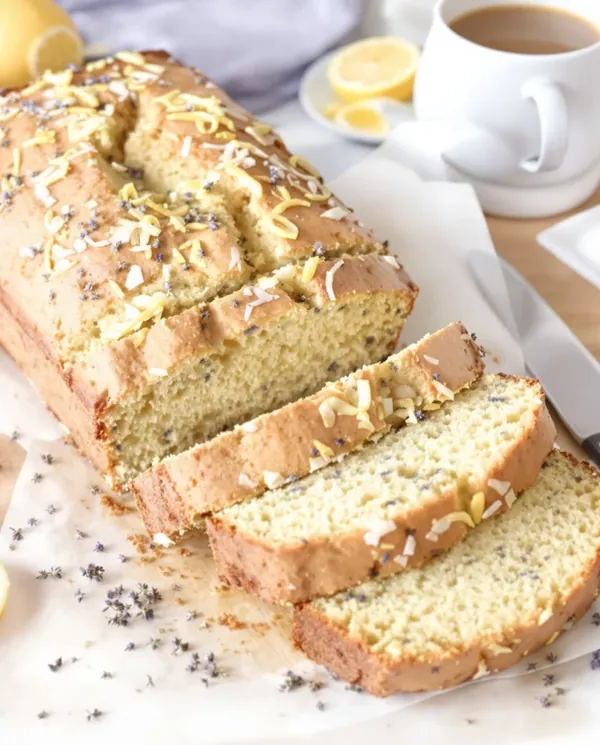
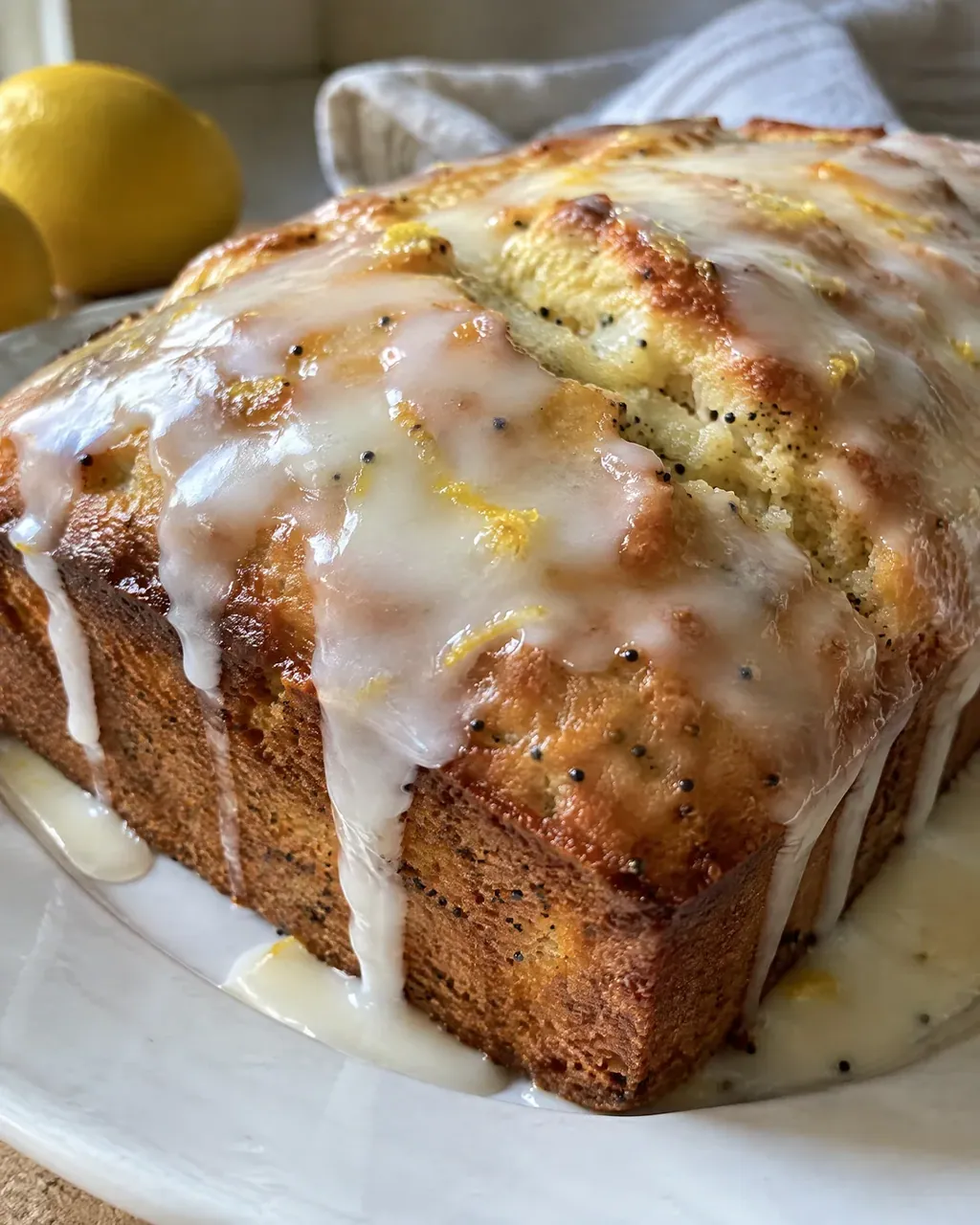
One morning, standing in line at the coffee shop, I worked out that the slice of lemon poppy seed bread in the glass case cost me about what a whole loaf costs to bake at home. That was the last slice I bought. Now the loaf lives on my counter under a clean towel, and it never lasts long. It is the same loaf you know from the case: a close, tender, butter-yellow crumb speckled with poppy seeds, a bright lemon taste all the way through, and a thick lemon glaze on top that has soaked into the crust so the first bite is sticky and sharp.
The difference between a good lemon loaf and a dry one is almost always the glaze. Most home bakers wait until the loaf is cold and spread a thick icing on top, where it sits like a hat. The coffee shop way is to poke the warm loaf all over with a skewer and pour a thin lemon glaze over it slowly, so it runs down into the holes and soaks into the top of the crumb, then follow it with a thicker white glaze once it cools. Here is how to get the glaze to soak in so every slice stays moist, even on day three.
The loaf itself is made with sour cream, which keeps the crumb soft, and the lemon zest is rubbed into the sugar before anything else goes in the bowl. That small step pulls the oils out of the zest, and it is why a homemade loaf can taste more lemony than the one in the case.
Why this lemon poppy seed bread works
- Zest rubbed into the sugar. The sugar crystals scrape the oils out of the zest, so the lemon flavor is in every crumb, not just on top.
- Sour cream in the batter. It adds moisture and a gentle tang and keeps the crumb soft for days.
- A soaking glaze on the warm loaf. Poured into skewer holes, it seeps into the top of the crumb instead of sitting on it.
- A second, thick glaze when cool. It gives the white coffee shop drips and seals the top so the loaf stays moist.
- A low, slow bake. A moderate oven lets the dense batter cook through to the middle before the crust gets too dark.
Ingredients
Makes one 9 by 5 inch loaf, about 10 thick slices. The measurements are in US cups with grams in brackets.
For the loaf
- 1 1/2 cups all-purpose flour (190g)
- 1 teaspoon baking powder
- 1/4 teaspoon baking soda
- 1/2 teaspoon fine salt
- 2 tablespoons poppy seeds (18g)
- 1 cup granulated sugar (200g)
- Finely grated zest of 2 large lemons
- 1/2 cup unsalted butter, softened (113g)
- 2 large eggs, at room temperature
- 1/2 cup sour cream, at room temperature (120g)
- 3 tablespoons fresh lemon juice
- 1 teaspoon vanilla extract
For the soaking glaze
- 1/4 cup fresh lemon juice (60ml)
- 1/4 cup powdered sugar (30g)
For the white glaze
- 1 cup powdered sugar (120g)
- 1 1/2 to 2 tablespoons fresh lemon juice
You will need about 3 large lemons in all. Zest them before you juice them. Room temperature eggs and sour cream blend smoothly into the butter, so take them out of the refrigerator an hour ahead.
How to make lemon poppy seed bread
- Heat the oven to 350 degrees (175°C). Butter a 9 by 5 inch loaf pan and line the bottom and long sides with a strip of parchment, leaving a little hanging over the edges.
- In a bowl, whisk the flour, baking powder, baking soda, salt and poppy seeds together.
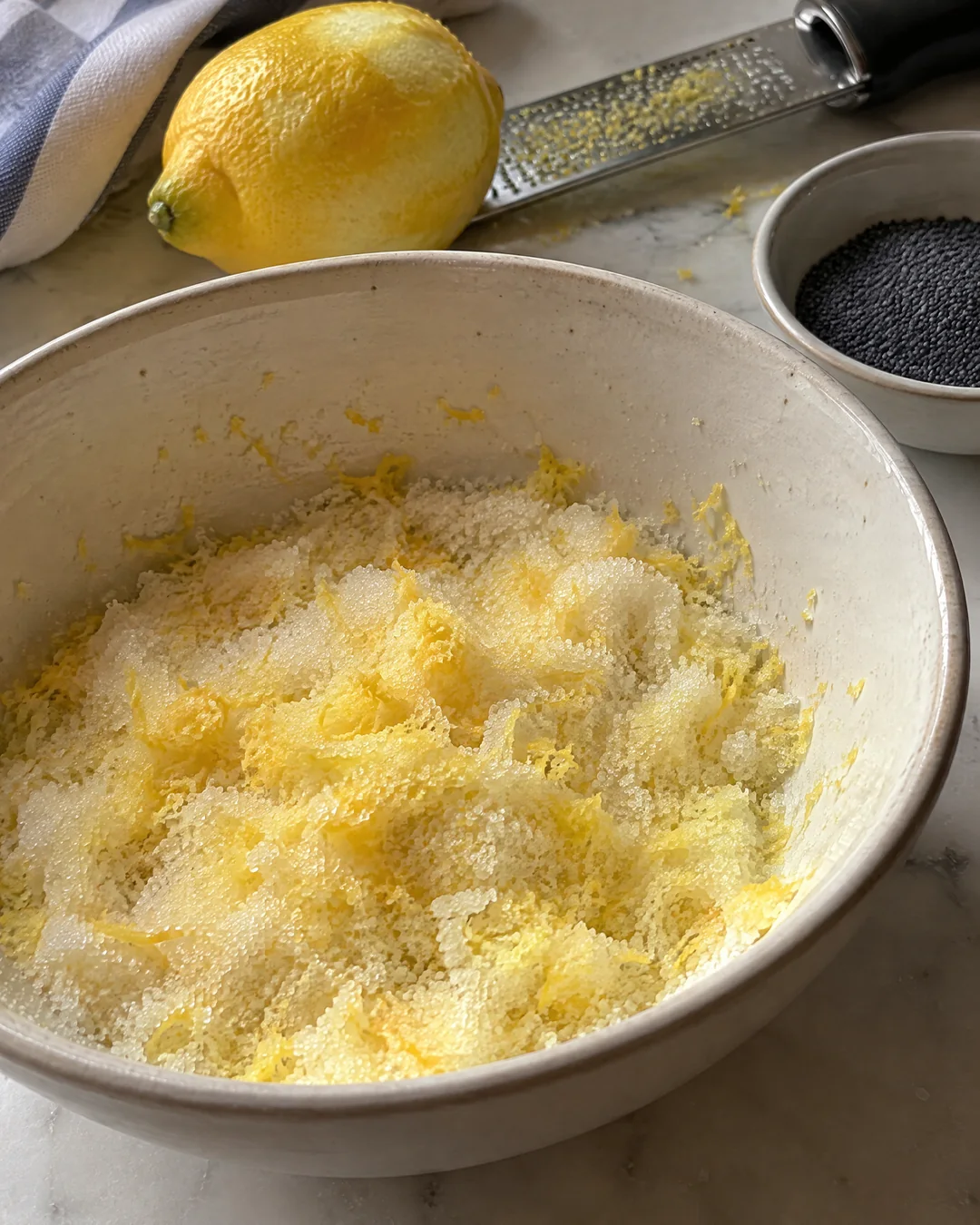
- In a large bowl, rub the lemon zest into the granulated sugar with your fingertips for about a minute, until the sugar is damp and smells strongly of lemon.
- Add the softened butter and beat with a mixer for 3 minutes, until pale and fluffy.
- Beat in the eggs one at a time, then the sour cream, lemon juice and vanilla. The batter may look a little curdled at this point, which is fine.
- Add the flour mixture and mix on low speed just until no dry flour is left. Scrape the bowl with a spatula and give it two last folds.
- Spread the batter in the pan and smooth the top. Run a knife down the middle lengthwise, about a quarter inch deep, so the loaf cracks neatly in the center.
- Bake for 55 to 65 minutes, until the top is deep golden and a skewer pushed into the center comes out clean or with a few moist crumbs.
- While it bakes, stir the soaking glaze: the lemon juice and powdered sugar, until the sugar dissolves.
- Let the loaf cool in the pan for 10 minutes. Poke the top all over with a thin skewer, going about halfway down. Spoon the soaking glaze over slowly, a little at a time, letting each spoonful sink in before adding more.
- Leave the loaf in the pan for 20 minutes more, then lift it out by the parchment and cool it completely on a rack.
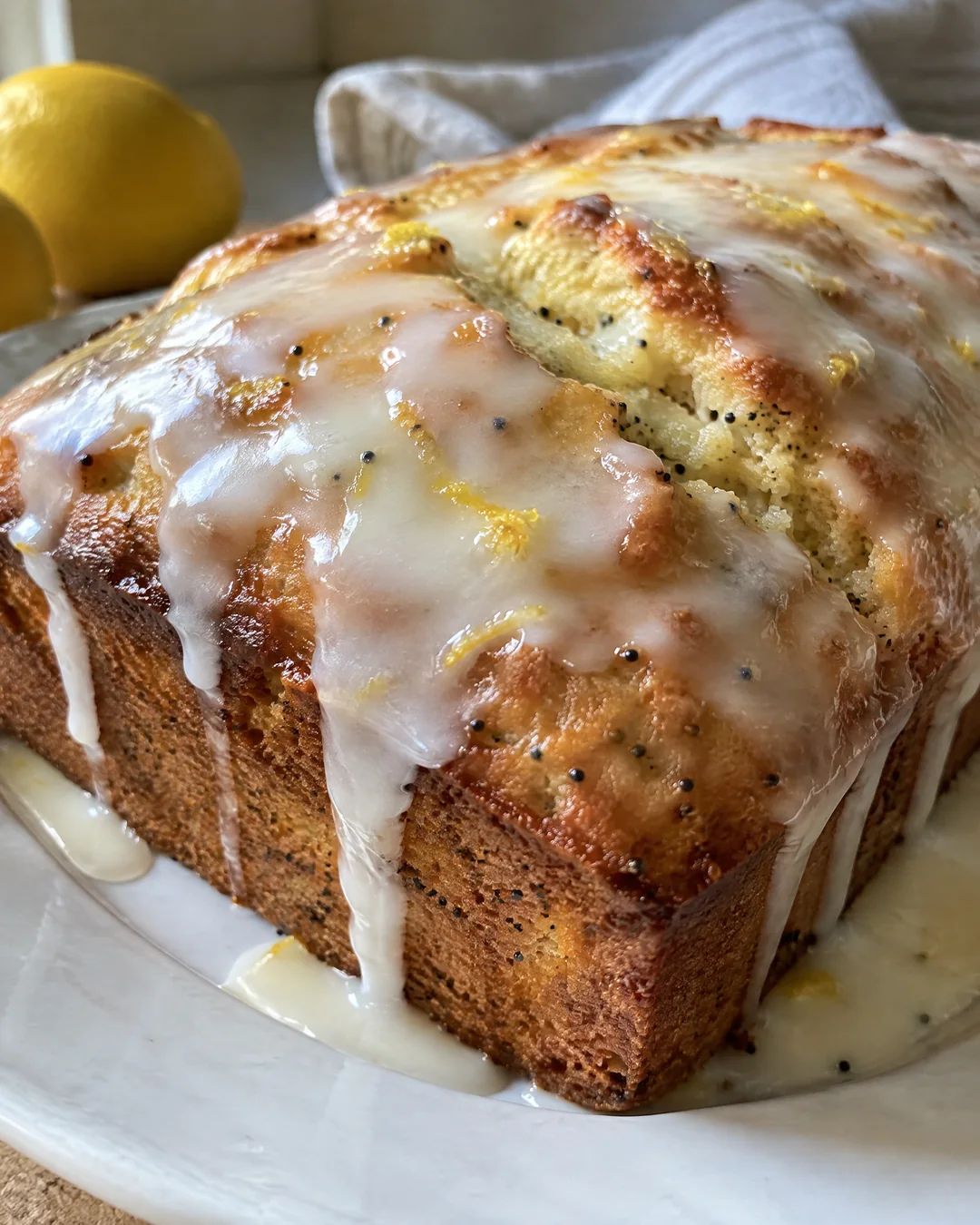
- Whisk the white glaze until thick but pourable. Pour it along the top of the cold loaf and let it run down the sides. Let it set for 20 minutes before slicing.
Tips that make the difference
- Pour the soaking glaze slowly. If it pools on top and runs off the sides, wait a minute and let the holes drink it before you add more.
- Use a thin skewer, not a fork. Small holes let the glaze in without tearing the crust.
- If the top is browning too fast after 40 minutes, lay a loose sheet of foil over it for the rest of the bake.
- Fresh lemon juice only. Bottled juice tastes flat and a little bitter in a glaze.
- Slice with a serrated knife, wiped clean between slices, for neat coffee shop slices.
Variations
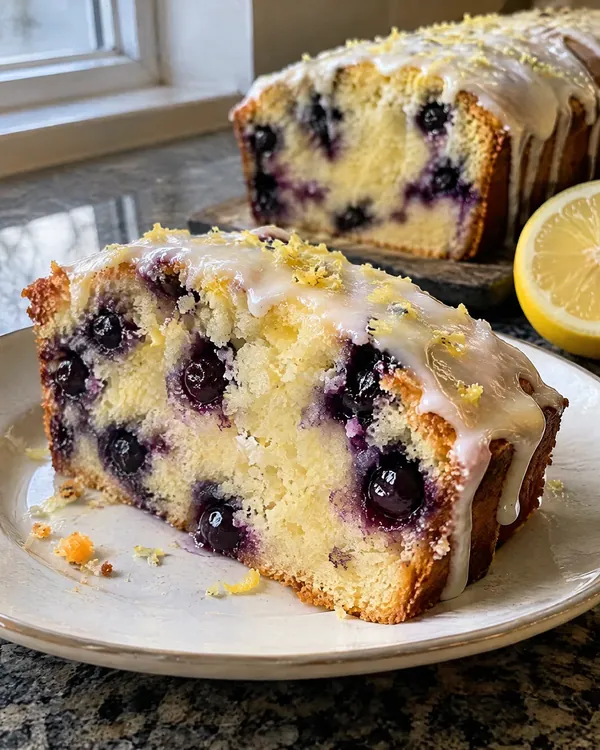
- Lemon blueberry. Leave out the poppy seeds and fold in 1 cup of blueberries tossed in a spoon of flour.
- Orange poppy seed. Use orange zest and orange juice in the loaf and the glazes.
- Muffins. Bake in a lined 12 cup muffin pan for 18 to 22 minutes and dip the tops in the glaze.
- Yogurt loaf. Plain whole milk yogurt works in place of the sour cream.
Storage and make-ahead
Keep the loaf wrapped in plastic or in an airtight container at room temperature for up to 4 days. The soaked top keeps it moist, and it slices even better on day two.
To freeze, wrap the cooled, unglazed loaf tightly and freeze for up to 3 months. Thaw it wrapped on the counter, warm it briefly in the oven, then soak and glaze it as above.
Frequently asked questions
Why did my glaze just sit on top?
The loaf was cold, or the glaze was too thick. The soaking glaze must be thin and go onto a warm loaf with skewer holes in it.
Why is my lemon loaf dry?
Too much flour or too long in the oven. Spoon the flour into the cup and level it, and start checking at 55 minutes.
Do I need to soak the poppy seeds?
No. They go in dry with the flour and stay pleasantly crunchy.
Why did my loaf sink in the middle?
It came out of the oven before the center was set, or the oven door was opened too early. Wait for a clean skewer test in the very center.
Bake one on a weekday morning and see how long it takes before somebody asks you to stop buying it at the coffee shop.
Lemon Poppy Seed Bread (Coffee Shop Loaf with a Glaze That Soaks In)
A moist coffee shop style lemon poppy seed loaf made with sour cream and plenty of lemon zest, finished with a sharp lemon glaze poured over the warm loaf so it soaks into the top and keeps every slice moist for days.
Ingredients
- 1 1/2 cups all-purpose flour
- 1 teaspoon baking powder
- 1/4 teaspoon baking soda
- 1/2 teaspoon fine salt
- 2 tablespoons poppy seeds
- 1 cup granulated sugar
- Finely grated zest of 2 large lemons
- 1/2 cup unsalted butter, softened
- 2 large eggs, at room temperature
- 1/2 cup sour cream, at room temperature
- 3 tablespoons fresh lemon juice
- 1 teaspoon vanilla extract
- 1/4 cup fresh lemon juice
- 1/4 cup powdered sugar
- 1 cup powdered sugar
- 1 1/2 to 2 tablespoons fresh lemon juice
Instructions
- Heat the oven to 350 degrees (175°C). Butter a 9 by 5 inch loaf pan and line the bottom and long sides with a strip of parchment, leaving a little hanging over the edges.
- In a bowl, whisk the flour, baking powder, baking soda, salt and poppy seeds together.
- In a large bowl, rub the lemon zest into the granulated sugar with your fingertips for about a minute, until the sugar is damp and smells strongly of lemon.
- Add the softened butter and beat with a mixer for 3 minutes, until pale and fluffy.
- Beat in the eggs one at a time, then the sour cream, lemon juice and vanilla. The batter may look a little curdled at this point, which is fine.
- Add the flour mixture and mix on low speed just until no dry flour is left. Scrape the bowl with a spatula and give it two last folds.
- Spread the batter in the pan and smooth the top. Run a knife down the middle lengthwise, about a quarter inch deep, so the loaf cracks neatly in the center.
- Bake for 55 to 65 minutes, until the top is deep golden and a skewer pushed into the center comes out clean or with a few moist crumbs.
- While it bakes, stir the soaking glaze: the lemon juice and powdered sugar, until the sugar dissolves.
- Let the loaf cool in the pan for 10 minutes. Poke the top all over with a thin skewer, going about halfway down. Spoon the soaking glaze over slowly, a little at a time, letting each spoonful sink in before adding more.
- Leave the loaf in the pan for 20 minutes more, then lift it out by the parchment and cool it completely on a rack.
- Whisk the white glaze until thick but pourable. Pour it along the top of the cold loaf and let it run down the sides. Let it set for 20 minutes before slicing.