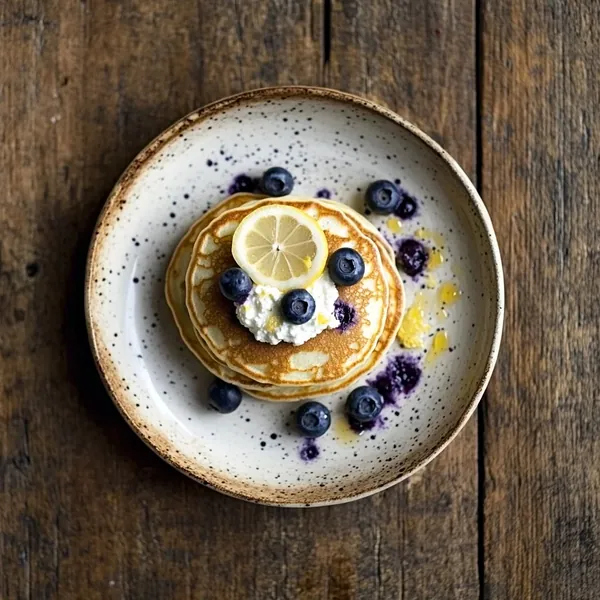
Lemon poppyseed ricotta pancakes are a refreshing twist on the traditional breakfast staple, blending creamy, zesty, and subtly crunchy elements into one delicious dish. These pancakes are light and fluffy, thanks to the inclusion of ricotta cheese, while lemon zest and juice add a tangy brightness that balances the richness. Poppy seeds contribute a gentle crunch and an earthy flavor that complements the citrus beautifully.
Originally inspired by the flavor pairing found in lemon poppyseed muffins, these pancakes have grown in popularity among home cooks and food bloggers alike for their gourmet appeal and versatility. Whether served as a weekend brunch centerpiece or a special occasion breakfast, they’re a delightful alternative to plain or buttermilk pancakes.
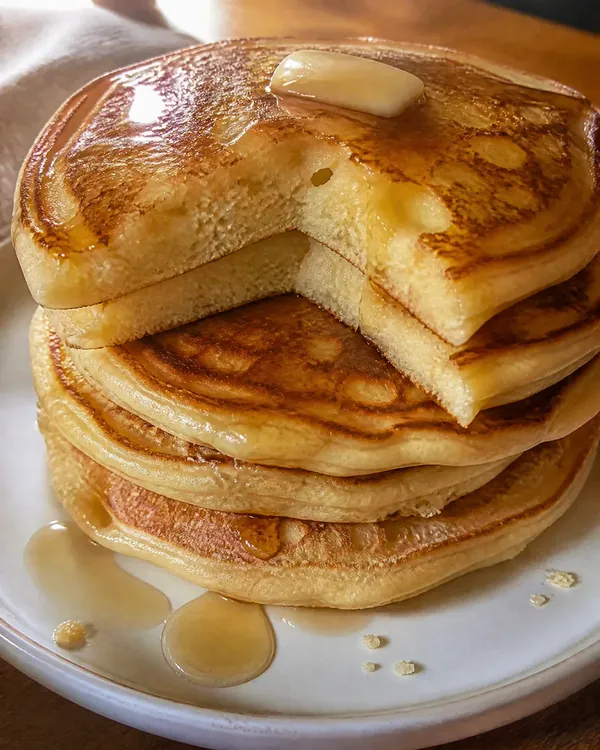
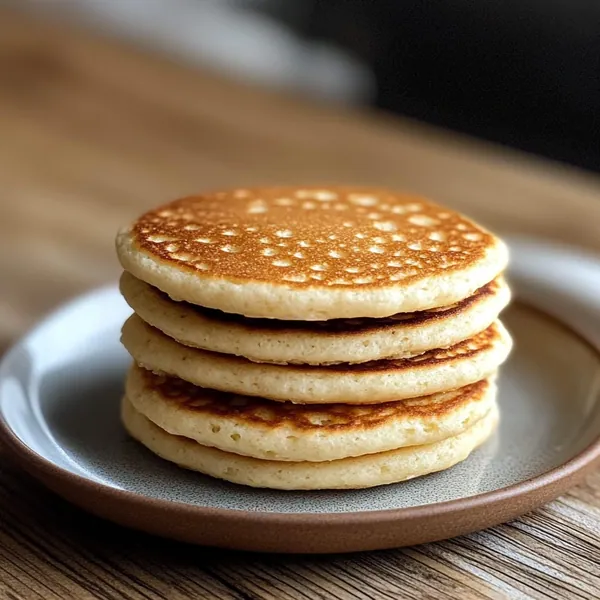
What sets lemon poppyseed ricotta pancakes apart is their texture and flavor complexity. They strike a balance between decadence and freshness—offering a moist, cake-like interior with crispy golden edges when cooked properly. The creamy ricotta not only enriches the batter but also helps maintain moisture, making them perfect for topping with seasonal fruit, syrups, or a dollop of Greek yogurt. Ideal for spring and summer mornings, this recipe adds elegance to any breakfast table.
Why Use Ricotta in Pancakes?
Ricotta cheese is the secret ingredient that gives these pancakes their unmistakably rich and tender texture. Unlike traditional pancakes that rely solely on milk or buttermilk, the addition of ricotta introduces a creamy consistency that results in a custard-like interior. This creates a pancake that’s both delicate and indulgent, perfect for a more elevated breakfast experience.
Ricotta is a fresh Italian cheese made from whey, and it has a naturally mild flavor and fluffy texture. In baking and cooking, it acts as a moisture-retaining agent, which helps prevent pancakes from drying out. Its subtle flavor doesn’t overpower the batter, allowing the lemon and poppyseed to shine through while adding body and protein.
Using ricotta also means the batter is thicker than usual, which may require a slightly different approach when mixing and cooking. However, the payoff is worth it. The cheese’s fat content creates a rich mouthfeel, while its slightly grainy texture contributes to a more substantial bite. Whether using whole milk ricotta for added creaminess or part-skim for a lighter version, the result is a more satisfying, gourmet-style pancake that holds up well to a variety of toppings without becoming soggy or dense.
The Role of Lemon and Poppy Seeds
Lemon and poppy seeds are more than just flavor additions—they define the character of this pancake recipe. Lemon, in both zest and juice form, adds a bright, citrusy tang that cuts through the richness of the ricotta. The zest, in particular, contains essential oils that provide an intense lemon aroma, making the pancakes smell as fresh as they taste. Using freshly grated zest ensures a bold yet natural citrus flavor.
The juice contributes a subtle tartness and also reacts with the leavening agents (like baking powder or baking soda) in the batter, aiding in rise and tenderness. Together, lemon zest and juice infuse the entire dish with a light, invigorating flavor profile that’s especially appealing during the spring and summer months.
Poppy seeds, on the other hand, offer more than just texture. These tiny seeds provide a slight crunch and a nutty undertone that balances well with the lemon’s acidity. Their inclusion in baked goods has a long history, especially in European and Middle Eastern cuisines. In this context, they add visual interest and a mild complexity to every bite. When used correctly, lemon and poppy seeds transform a simple pancake into a well-rounded, flavor-packed dish.
Essential Ingredients Breakdown
To make perfect lemon poppyseed ricotta pancakes, every ingredient plays a key role. Here’s a breakdown of what you’ll need and why each item matters:
Ricotta Cheese – Use whole milk ricotta for the best texture and flavor. It adds creaminess and moisture. Part-skim ricotta can be used for a lighter option but may result in slightly drier pancakes.
Lemon Zest and Juice – Zest gives the pancakes their signature lemon flavor through aromatic oils, while the juice adds brightness and acidity. Fresh lemons are strongly recommended over bottled juice for optimal flavor.
Poppy Seeds – Add a subtle crunch and mild nuttiness. These should be fresh and stored in a cool place to preserve flavor. Toasting them briefly before use can intensify the aroma, though it’s optional.
Eggs – Help bind the batter and contribute to the structure and rise of the pancake.
All-Purpose Flour – The foundation of the batter. Can be substituted with gluten-free flour blends if needed.
Milk – Used to thin the batter and make it pourable. Whole milk enhances richness, but low-fat milk can also work.
Baking Powder – Provides lift and makes the pancakes fluffy. Ensure it’s fresh for best results.
Sugar – Adds a touch of sweetness and balances the acidity from the lemon.
Salt – A small amount enhances overall flavor.
Vanilla Extract (Optional) – Complements the lemon and ricotta, adding a deeper flavor note.
Equipment You’ll Need
While this recipe is simple, having the right equipment ensures consistent results:
Mixing Bowls – One for wet ingredients and one for dry. Using separate bowls helps prevent overmixing.
Whisk or Hand Mixer – Essential for combining ingredients thoroughly. A hand mixer may be useful for achieving a smoother ricotta mixture.
Zester or Microplane – A sharp tool is key for zesting lemons without including the bitter pith. A microplane is ideal for fine zest.
Measuring Cups and Spoons – Accurate measurements are critical, especially when working with leavening agents like baking powder.
Non-Stick Skillet or Griddle – A non-stick surface ensures the pancakes cook evenly and are easy to flip without tearing.
Rubber Spatula – Ideal for folding ingredients gently and flipping pancakes without damaging their shape.
Ladle or Ice Cream Scoop – For portioning the batter evenly, leading to uniform pancake sizes.
These tools make preparation more efficient and help you achieve a professional-quality result at home.

Step-by-Step Cooking Instructions
Follow these instructions to prepare fluffy, flavorful lemon poppyseed ricotta pancakes:
Step 1: Prepare Wet Ingredients
In a large mixing bowl, combine ricotta cheese, eggs, milk, lemon juice, and lemon zest. Whisk together until smooth. For best results, ensure all ingredients are at room temperature to avoid clumping or uneven mixing.
Step 2: Mix Dry Ingredients
In a separate bowl, whisk together flour, sugar, baking powder, salt, and poppy seeds. Mixing dry ingredients separately ensures even distribution before combining with the wet mixture.
Step 3: Combine Wet and Dry
Slowly add the dry mixture into the wet, folding gently with a rubber spatula or wooden spoon. Avoid overmixing—lumps are okay. The batter should be thick but scoopable. Overmixing can result in dense pancakes.
Step 4: Preheat Your Cooking Surface
Place a non-stick skillet or griddle over medium heat. Lightly grease with butter or neutral oil. Wait until the surface is hot—test by sprinkling a few drops of water. If they sizzle and evaporate, it’s ready.
Step 5: Cook the Pancakes
Using a ladle or scoop, pour ¼ cup of batter onto the skillet for each pancake. Cook for 2–3 minutes until bubbles form on the surface and edges begin to look set. Flip gently and cook another 1–2 minutes until golden brown and fully cooked through.
Step 6: Keep Warm or Serve Immediately
Place cooked pancakes on a baking sheet in a 200°F (93°C) oven to keep warm while cooking the remaining batches. Serve stacked with desired toppings like maple syrup, berries, or lemon glaze.
Flavor Variations and Add-Ins
While classic lemon poppyseed ricotta pancakes are delicious on their own, there are plenty of ways to add personal flair and adapt the flavor to your taste. One popular variation includes blueberries, which pair beautifully with lemon and add bursts of juiciness to each bite. Fold in fresh or frozen blueberries gently into the batter just before cooking.
For a richer treat, try adding white chocolate chips or a swirl of lemon curd into the batter. These ingredients heighten the dessert-like quality of the pancakes and make them perfect for special brunches or holidays.
For a more herbaceous note, incorporate fresh thyme or rosemary—just a pinch finely chopped can bring out the citrus without overpowering it. Similarly, using orange zest instead of lemon offers a slightly sweeter, more mellow flavor that still pairs well with poppy seeds.
If you’re seeking more texture, consider adding chopped almonds or walnuts to the batter or sprinkling them on top. Finally, for a gluten-free version, use almond flour or a certified gluten-free flour blend. These variations not only cater to dietary needs but also keep the dish exciting and adaptable for different seasons and occasions.
Topping Ideas and Serving Suggestions
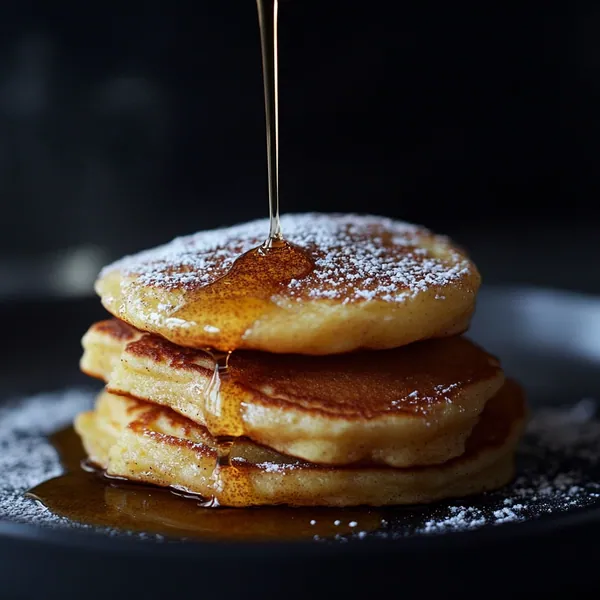
The right toppings can transform lemon poppyseed ricotta pancakes into a visually stunning and flavorful breakfast. A simple dusting of powdered sugar brings elegance and a hint of sweetness. If you prefer fruit, fresh berries—especially raspberries, strawberries, or blueberries—add color and a tart contrast to the rich pancakes.
Greek yogurt or mascarpone cheese mixed with a bit of honey makes for a creamy, protein-rich topping that complements the tangy lemon. For those with a sweet tooth, a lemon glaze made from powdered sugar and fresh lemon juice offers a zesty, glossy finish.
Classic maple syrup is always an option, but consider infusing it with lemon zest or vanilla for a subtle upgrade. Honey, especially if infused with herbs like lavender or thyme, pairs beautifully with the pancakes’ citrus and ricotta notes.
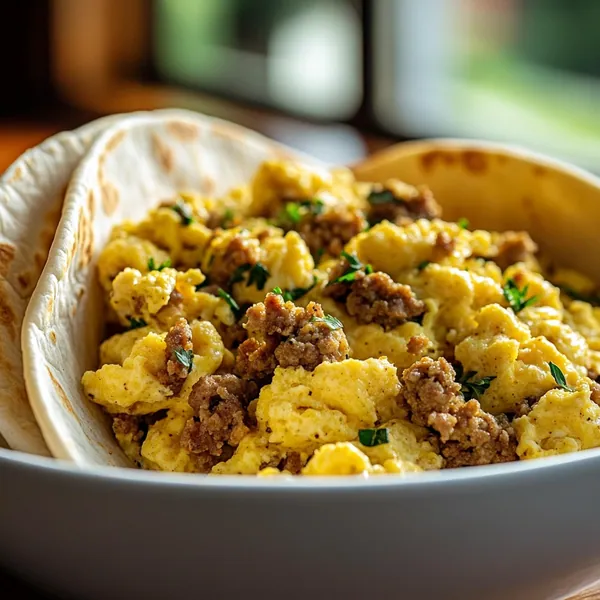
For a more decadent twist, top with a spoonful of lemon curd or a light berry compote. These are especially good when serving the pancakes for brunch guests. Serve alongside crispy bacon, turkey sausage, or scrambled eggs for a well-rounded plate. Whether stacked high or plated individually, these pancakes can be dressed up to suit casual mornings or elegant brunch spreads.
Make-Ahead and Storage Tips
Lemon poppyseed ricotta pancakes can be made ahead to save time and still taste fresh. If preparing in advance, you can either refrigerate the batter or pre-cook the pancakes and store them for later use.
If storing batter, keep it in an airtight container in the refrigerator for up to 24 hours. Note that the leavening agents may lose some effectiveness over time, resulting in slightly flatter pancakes. Give the batter a quick stir before cooking, and consider adding a pinch more baking powder if needed.
To prepare and store cooked pancakes, allow them to cool completely before layering them between sheets of parchment paper. Place in an airtight container or freezer-safe bag. They will keep in the refrigerator for 3 days or freezer for up to 2 months.
To reheat, warm refrigerated pancakes in a toaster oven or on a skillet over low heat. For frozen pancakes, reheat in the oven at 350°F (175°C) for about 10 minutes or until heated through. Avoid microwaving if possible, as it can affect texture.
These make-ahead tips are especially helpful for busy mornings or when serving a large brunch crowd, allowing you to enjoy gourmet pancakes with minimal stress.
Health Considerations and Substitutions
Lemon poppyseed ricotta pancakes are naturally higher in protein and calcium than traditional pancakes, thanks to the ricotta cheese. However, if you’re aiming to make the recipe healthier or more suitable for specific diets, several modifications can be made.
To reduce calories and fat, opt for part-skim ricotta or a low-fat cottage cheese substitute. While this may slightly affect the texture, it can still yield a moist pancake. For lower sugar content, you can cut the sugar by half or use alternatives like monk fruit sweetener or stevia.
For gluten-free diets, replace all-purpose flour with gluten-free flour blends, almond flour, or oat flour. These options can create a slightly different texture but still work well with the base ingredients.
For dairy-free or vegan alternatives, use a plant-based ricotta (made from almonds or tofu), and substitute the milk with almond or oat milk. Replace eggs with a flax egg (1 tablespoon ground flaxseed + 3 tablespoons water per egg) or commercial egg replacers.
These substitutions allow more people to enjoy the flavor and texture of lemon poppyseed ricotta pancakes without compromising dietary preferences. Keep in mind that small adjustments to the cooking method may be needed depending on the substitutes used.

Lemon Poppyseed Ricotta Pancakes vs Other Pancakes
Lemon poppyseed ricotta pancakes differ significantly from traditional pancakes in both texture and flavor. While classic pancakes are typically made with buttermilk or regular milk and rely on flour and eggs for structure, ricotta pancakes include cheese, which makes them creamier, denser, and more custard-like on the inside.
Traditional pancakes are often fluffy and airy, designed to soak up butter and syrup. In contrast, ricotta pancakes have a richer mouthfeel and a moist interior that doesn’t require heavy toppings to be satisfying. The lemon zest and juice add complexity and brightness that standard pancakes lack, while the poppy seeds provide subtle crunch and visual appeal.
From a nutritional standpoint, ricotta pancakes can be slightly higher in protein and fat due to the cheese, making them more filling and suitable for those looking for a more balanced breakfast. They also feel more “gourmet,” often associated with café-style brunches.
Another major difference is cook time and batter consistency. Ricotta batter tends to be thicker and requires a gentler mixing and cooking process to prevent the pancakes from becoming heavy. If you’re looking to upgrade your usual breakfast, lemon poppyseed ricotta pancakes offer a refined alternative that’s both satisfying and flavorful.
Common Mistakes to Avoid
Making lemon poppyseed ricotta pancakes is simple, but a few common mistakes can affect the final result. The most frequent issue is overmixing the batter, which leads to dense, chewy pancakes. Always fold the ingredients gently and leave some lumps in the batter.
Another mistake is using cold ricotta or eggs, which can cause the batter to clump. Bring ingredients to room temperature for smoother mixing. Adding too much lemon juice can also be a problem—it may thin the batter too much or throw off the flavor balance.
Cooking on high heat is another pitfall. Ricotta pancakes cook best on medium to medium-low heat to ensure the inside cooks through without burning the outside.
Lastly, skipping the resting time after mixing can prevent the flour from fully hydrating, impacting texture. Let the batter rest for 5–10 minutes before cooking for best results.
FAQs – Based on “People Also Ask”
Can you freeze lemon poppyseed ricotta pancakes?
Yes, they freeze well. Let them cool completely, then stack with parchment paper between each pancake. Store in a freezer bag for up to 2 months. Reheat in the oven or toaster for best texture.
How do you keep pancakes fluffy?
Avoid overmixing the batter and cook on medium heat. Letting the batter rest before cooking helps gluten relax and creates a lighter texture.
What does ricotta do in pancakes?
Ricotta adds moisture, protein, and a creamy texture. It makes the pancakes more tender and helps them stay soft inside while developing a golden crust outside.
Can I use lemon extract instead of fresh lemon?
You can use lemon extract, but it won’t provide the same freshness or complexity as real lemon zest and juice. Use sparingly to avoid a synthetic taste.
Are poppy seeds safe for children?
Yes, in moderate amounts, poppy seeds are safe for most children. However, they are a potential allergen and should be introduced carefully if not already part of the child’s diet.
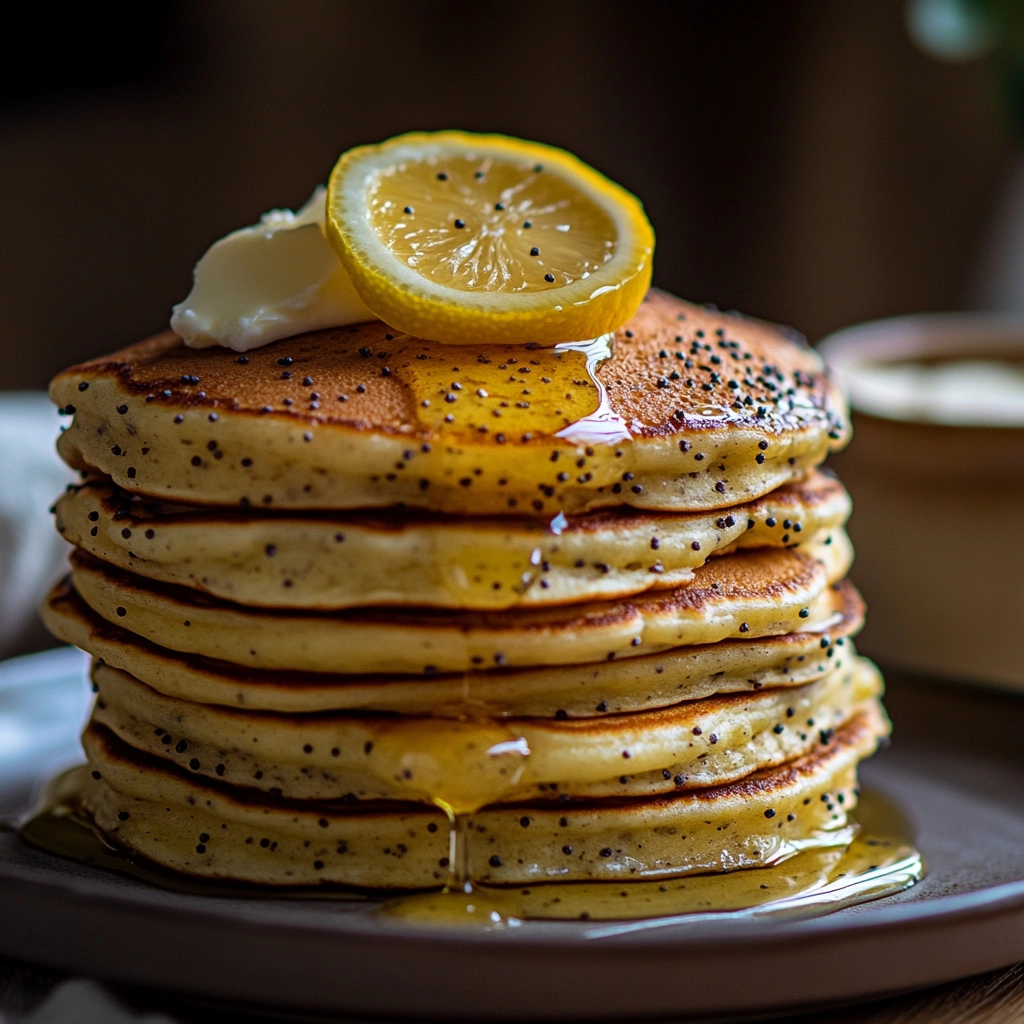
Lemon Poppyseed Ricotta Pancakes
These Lemon Poppyseed Ricotta Pancakes are soft, fluffy, and bursting with citrus flavor. The creamy ricotta cheese adds richness and moisture, while fresh lemon zest and juice brighten the flavor with a zesty kick. Poppy seeds provide a subtle crunch and nutty undertone, making every bite a balance of refreshing and indulgent. Perfect for weekend brunches or special mornings, these pancakes are easy to make and feel restaurant-worthy with minimal effort. Serve them with fresh berries, Greek yogurt, or a drizzle of lemon glaze for a beautiful and satisfying breakfast dish.
Ingredients
- 1 lemon thinly sliced
- 1 cup water
- ¾ cup sugar
- 1 1/3 cup all-purpose (AP) flour
- 1 tablespoon baking powder
- 3 tablespoon sugar
- pinch salt
- 1 cup fresh ricotta cheese
- 1 cup milk
- 2 eggs separated
- 1 teaspoon vanilla
- zest and juice of 1 large lemon
- 1 teaspoon poppy seeds
- unsalted butter for the griddle
- unsalted butter
- candied lemon slices
- lemon syrup
- maple syrup
- powdered sugar for dusting
Instructions
- To make the candied lemon sliced, in a sauce pan bring the water and sugar to a boil over high heat. When the sugar has dissolved, reduce the heat to medium-low and add the lemon slices. Simmer for about 10 to 15 mins. Remove the pan from the heat and let the lemon slices cool until ready to serve.
- For the lemon ricotta batter, in a medium mixing bowl, whisk together flour, baking powder, sugar, and salt. Then using a large mixing bowl, whisk together ricotta, milk, egg yolks, vanilla, zest and juice of 1 large lemon, and poppy seeds. Add the flour mixture into the ricotta mixture and whisk just enough to incorporate all the ingredients.
- In a separate bowl, using an electric beater, beat the egg whites until stiff peaks form. Then gently fold in the egg whites into the lemon ricotta batter.
- Heat a griddle to medium-high and coat with butter. Using a 1/3 cup ladle, pour the pancake batter onto the griddle. Cook for about 4 mins until bubbles form and the bottom is nicely browned. Flip and cook for another 4 mins. Note: If you notice the pancakes browning too much, turn the heat down.
- Serve with a pat of butter, candied lemon slices, a drizzle of the lemon syrup, maple syrup, and a dusting of powdered sugar.
- Enjoy!