In this article
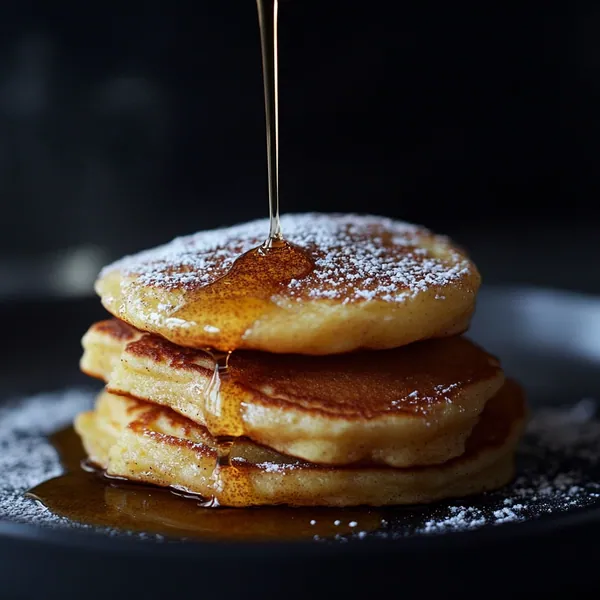
Japanese soufflé pancakes are a delightful twist on traditional pancakes, known for their incredibly light, airy, and jiggly texture. Originating in Japan, these pancakes have gained worldwide popularity due to their unique, cloud-like appearance and melt-in-your-mouth consistency. Unlike American or European pancakes, which are typically flat and dense, soufflé pancakes rise tall and fluffy, resembling miniature soufflés in pancake form.
The key to their signature texture lies in the technique. Instead of a simple batter, the egg whites are separated and whipped into a stiff meringue before being gently folded into the yolk mixture. This process creates an aerated batter that puffs up when cooked, resulting in a pillowy-soft pancake. The low and slow cooking method further ensures an even rise, while a covered pan helps trap steam, contributing to their delicate structure.
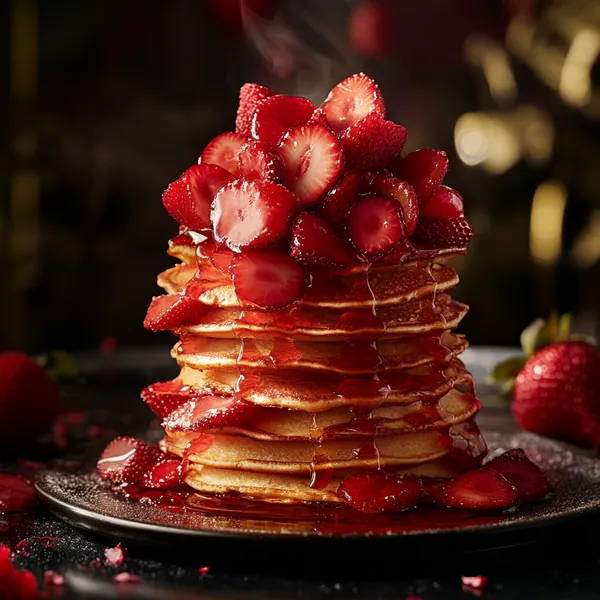
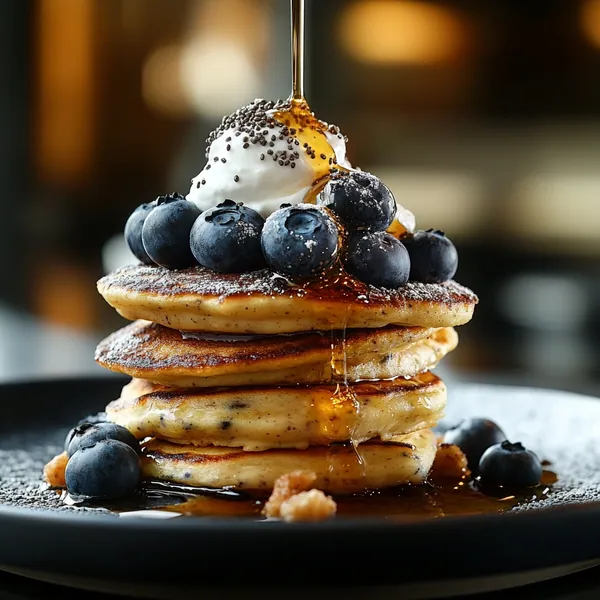
One of the reasons Japanese soufflé pancakes have captivated food lovers is their versatility. They can be served with a variety of toppings, from classic maple syrup and butter to fresh fruit, whipped cream, and even matcha or chocolate drizzle. Whether enjoyed as a breakfast treat, a café-style dessert, or an Instagram-worthy dish, these pancakes never fail to impress.
Despite their elegant appearance, making Japanese soufflé pancakes at home is achievable with the right ingredients, techniques, and a little patience. In just 30 minutes, you can whip up a batch of these delightful pancakes and experience the magic of their airy texture firsthand.
What Makes Japanese Soufflé Pancakes Different?
Japanese soufflé pancakes stand out from regular pancakes due to their ultra-fluffy texture, airy consistency, and unique cooking method. While traditional pancakes rely on baking powder and minimal mixing to achieve a soft but slightly dense crumb, soufflé pancakes take a completely different approach—one that borrows from classic soufflé-making techniques.
Key Differences Between Japanese Soufflé Pancakes & Regular Pancakes
-
Texture & Appearance:
- Regular pancakes are flat and slightly dense, whereas soufflé pancakes are thick, jiggly, and cloud-like.
- Their structure is so delicate that they almost “wiggle” when plated.
-
Batter Composition:
- Regular pancakes use a straightforward batter of flour, eggs, milk, and baking powder.
- Japanese soufflé pancakes involve separating egg whites and yolks, then whipping the whites into a stiff meringue before folding them into the batter.
-
Leavening & Airiness:
- While baking powder helps traditional pancakes rise, soufflé pancakes rely on whipped egg whites (meringue) for their lift and volume.
- This technique creates air pockets, giving the pancakes their signature fluffiness.
-
Cooking Technique:
- Regular pancakes are cooked quickly on medium heat.
- Soufflé pancakes require low heat, slow cooking, and a covered pan to allow steam to assist in the rise.
- Often, they are stacked taller in the pan for extra volume.
-
Taste & Mouthfeel:
- Regular pancakes have a slightly chewy bite.
- Japanese soufflé pancakes have a soft, airy, and almost melt-in-your-mouth consistency, similar to a delicate soufflé or sponge cake.
These distinct characteristics make Japanese soufflé pancakes a must-try for any pancake lover seeking an elevated, café-style breakfast experience!

Essential Ingredients & Their Roles
Creating the perfect Japanese soufflé pancakes requires a careful balance of ingredients, each playing a crucial role in achieving the right texture and rise. Here’s a breakdown of the essential components:
1. Eggs – The Key to Fluffiness
- Egg yolks add richness, structure, and moisture to the batter.
- Egg whites are whipped into a meringue, which creates the air pockets needed for the signature soufflé-like rise.
- Tip: Use fresh eggs at room temperature for the best meringue stability.
2. Cake Flour vs. All-Purpose Flour – Which One Works Best?
- Cake flour is preferred because of its lower protein content, which results in a softer, more delicate texture.
- All-purpose flour can be used, but it may produce slightly denser pancakes.
- Tip: Always sift the flour to avoid lumps and ensure a smooth batter.
3. Sugar – Sweetness & Stability
- Sugar is added to both the yolk mixture and the meringue.
- In the meringue, it helps stabilize the egg whites, preventing them from collapsing too quickly.
- Tip: Add sugar gradually when whipping egg whites to create a glossy and stable meringue.
4. Milk – Moisture & Richness
- Helps thin out the batter for a smooth consistency.
- Whole milk is ideal for a rich texture, but plant-based milk can be used as an alternative.
5. Baking Powder – Extra Lift
- While egg whites provide most of the rise, baking powder adds an extra boost.
- Tip: Ensure your baking powder is fresh, as old baking powder loses effectiveness.
6. Vanilla Extract – Flavor Enhancement
- A small amount enhances the overall taste and balances the eggy flavor.
7. Cream of Tartar or Lemon Juice – Meringue Stabilizer
- Helps egg whites maintain stiffness, preventing deflation.
- Tip: If you don’t have cream of tartar, a small squeeze of lemon juice works just as well.
8. Butter or Oil – Cooking Essential
- Prevents pancakes from sticking to the pan.
- Butter adds a richer flavor, while neutral oils like vegetable oil ensure an even cook.
By carefully selecting and handling these ingredients, you can achieve the perfect soufflé pancakes with a dreamy, cloud-like texture!
Required Equipment for Perfect Pancakes
To achieve the perfect soufflé pancakes, having the right tools is just as important as using the right ingredients. Here’s what you’ll need:
1. Mixing Bowls (At Least Two)
- One for the yolk mixture and one for whipping the egg whites.
- Stainless steel or glass bowls work best for whipping meringue, as plastic bowls can retain oil and affect stability.
2. Electric Hand Mixer or Whisk
- An electric hand mixer makes whipping egg whites much easier and faster.
- If using a whisk, be prepared for an arm workout—whipping by hand takes longer but is still possible.
3. Sifter
- Helps aerate the flour, preventing clumps in the batter.
- Sifted flour creates a smoother texture for fluffier pancakes.
4. Non-Stick Pan with Lid
- A non-stick pan ensures pancakes cook evenly without sticking.
- The lid is essential to trap steam, which helps the pancakes rise taller.
5. Ring Molds (Optional but Helpful)
- If you want perfectly round, thick pancakes, ring molds provide structure while cooking.
- Without molds, pancakes may spread more, resulting in a less defined shape.
6. Spatula
- A thin, flexible spatula makes flipping delicate pancakes easier without breaking them.
7. Measuring Cups & Spoons
- Accuracy is crucial in soufflé pancakes, so use precise measurements.
8. Cooking Thermometer (Optional)
- Helps maintain a consistent low cooking temperature (~300°F or 150°C) to prevent burning while allowing the pancakes to rise.

Step-by-Step Instructions
Making Japanese soufflé pancakes may seem intimidating, but with the right technique, you can achieve a perfectly fluffy and jiggly stack in just 30 minutes. Follow these step-by-step instructions carefully for the best results.
Step 1: Preparing the Batter
- Separate the eggs – Carefully separate the egg yolks and whites into two bowls. Ensure no yolk gets into the whites, as even a small amount of fat can prevent them from whipping properly.
- Mix the yolk base – In the bowl with yolks, add milk and vanilla extract. Whisk until smooth.
- Sift in dry ingredients – Sift cake flour and baking powder into the yolk mixture to avoid lumps. Mix until fully incorporated.
Step 2: Whipping the Meringue
- Stabilize the egg whites – Add cream of tartar (or a few drops of lemon juice) to the egg whites. This helps them hold their structure.
- Whip to soft peaks – Use an electric hand mixer at medium speed to whip until soft peaks form. The mixture should look foamy.
- Gradually add sugar – While continuing to whip, slowly add the sugar in 3 stages. This helps create a stable, glossy meringue.
- Whip to stiff peaks – The meringue is ready when it holds its shape, and peaks stand upright without drooping. Be careful not to overwhip, as this can make it grainy.
Step 3: Folding the Batter
- Incorporate the meringue – Add ⅓ of the meringue to the yolk mixture and gently fold using a spatula. This helps lighten the base.
- Fold in the rest – Add the remaining meringue in two more additions, folding gently each time. Avoid overmixing, as it can deflate the air bubbles.
Step 4: Cooking the Pancakes
- Preheat the pan – Heat a non-stick pan over low heat and lightly grease it with butter or oil.
- Scoop the batter – Use an ice cream scoop or spoon to place tall mounds of batter onto the pan. If using ring molds, fill them about ¾ full.
- Cover and cook – Cover the pan with a lid and let the pancakes cook for 4-5 minutes. The trapped steam helps them rise.
- Add more batter (optional) – If you want extra tall pancakes, add another scoop on top before flipping.
Step 5: Flipping & Finishing
- Carefully flip – Using a spatula, gently lift and turn each pancake. Cook for another 4-5 minutes until golden brown.
- Check for doneness – Insert a toothpick in the center—if it comes out clean, they’re ready!
- Serve immediately – Transfer to a plate and top with butter, syrup, or your favorite toppings.
Tips for Perfect Soufflé Pancakes
- Use fresh eggs – Fresh eggs whip up more stable meringue, giving you a better rise.
- Whip the meringue properly – Stiff peaks should be glossy and hold their shape; overwhipped meringue will be grainy and hard to fold.
- Fold gently – Always fold the batter gently to maintain the airiness. Avoid stirring or overmixing.
- Low heat is key – High heat can cause burning before the pancakes cook through. Keep the heat low and be patient.
- Use a lid to trap steam – Covering the pan helps the pancakes rise taller and cook evenly.
- Don’t rush flipping – If the pancakes feel too soft, let them cook a little longer before flipping.
- Cook in batches – Don’t overcrowd the pan, as it can lower the temperature and affect cooking.
- Serve immediately – Soufflé pancakes deflate quickly, so enjoy them fresh off the pan!
Variations & Flavor Enhancements
1. Matcha Soufflé Pancakes
- Add 1 teaspoon of matcha powder to the dry ingredients for a subtle green tea flavor.
2. Chocolate Soufflé Pancakes
- Mix 1 tablespoon of cocoa powder into the flour for a rich, chocolatey twist.
3. Strawberry or Blueberry Pancakes
- Add finely chopped fresh strawberries or blueberries into the batter for fruity bursts of flavor.
4. Cheesecake-Inspired Pancakes
- Mix 1 tablespoon of softened cream cheese into the egg yolk batter for a tangy cheesecake-like taste.
5. Gluten-Free Option
- Use almond or rice flour instead of cake flour for a gluten-free version.
Serving Suggestions & Toppings
Classic Toppings
- Powdered sugar – A light dusting enhances sweetness.
- Butter & maple syrup – A timeless, comforting combination.
Fruity Toppings
- Fresh berries – Strawberries, blueberries, and raspberries add natural sweetness.
- Banana slices – A creamy, mild-flavored complement.
- Fruit compote – Warm, syrupy fruit enhances the dish.
Creamy & Dessert-Inspired Toppings
- Whipped cream – Adds extra indulgence.
- Ice cream – A scoop of vanilla, matcha, or chocolate ice cream makes it dessert-worthy.
- Yogurt – A tangy, healthy alternative to cream.
Drizzles & Syrups
- Honey – Lightly sweet and floral.
- Caramel sauce – Adds a buttery richness.
- Chocolate drizzle – Perfect for chocolate lovers.
Storing & Reheating Tips
How to Store Leftovers
- Let the pancakes cool completely before storing.
- Place them in an airtight container with parchment paper between layers to prevent sticking.
- Store in the refrigerator for up to 2 days or freeze for up to 1 month.
How to Reheat Without Deflating
- Microwave: Heat for 10-15 seconds, covered with a damp paper towel to retain moisture.
- Oven: Bake at 300°F (150°C) for 5 minutes.
- Steaming: A quick steam helps restore fluffiness.
FAQs Section
1. Why are my soufflé pancakes deflating after cooking?
- This happens if the meringue wasn’t whipped properly or if they were overcooked.
2. Can I make soufflé pancakes without cream of tartar?
- Yes! Use lemon juice or vinegar as a substitute.
3. How do I get my soufflé pancakes extra fluffy?
- Ensure your meringue reaches stiff peaks and gently fold it into the batter.
4. Can I make these pancakes without an electric mixer?
- Yes, but it takes more effort to whip egg whites by hand.
5. Why do my pancakes taste eggy?
- Not enough vanilla or sugar can make the egg flavor more pronounced.
6. What’s the best pan to use?
- A non-stick pan with a lid is ideal for even cooking.
7. Can I prepare the batter ahead of time?
- No, the meringue will deflate. It’s best to cook immediately.
8. How do I fix runny pancake batter?
- Add a little more flour if the batter is too thin.
9. Are soufflé pancakes gluten-free?
- Not traditionally, but you can use gluten-free flour.
10. How can I make them for a crowd?
- Cook in batches and keep warm in a low oven (200°F/90°C).
![Japanese Souffle Pancakes [30 Minutes]](/wp-content/uploads/2025/02/sudnixshaco_A_tall_stack_of_incredibly_soft_and_airy_pancakes_41d9c000-e0c6-4013-af1f-05ed65d15c81_3.webp)
Japanese Souffle Pancakes [30 Minutes]
Japanese soufflé pancakes are ultra-light, fluffy pancakes that have taken the world by storm. Unlike traditional pancakes, these delicate, jiggly treats are made by whipping egg whites into a meringue and carefully folding them into a rich batter. This process creates a soufflé-like texture that’s soft, airy, and melts in your mouth. These pancakes are typically served with powdered sugar, fresh fruit, butter, or maple syrup, but they can also be customized with flavors like matcha, chocolate, or caramel. Despite their sophisticated appearance, they can be made in just 30 minutes with the right technique and patience. Whether you're making them for breakfast, brunch, or a special dessert, these pancakes will impress anyone who tries them!
Ingredients
- 2 large eggs, separated
- 2 tablespoons milk
- 1/4 cup all-purpose flour
- 1/2 teaspoon baking powder
- 1/4 teaspoon cream of tartar (optional)
- 3 tablespoons granulated sugar
- 1/2 teaspoon vanilla extract (optional)
- Butter or oil for greasing
Instructions
- Prepare the Batter: In a bowl, whisk together egg yolks, milk, and vanilla extract until smooth. Sift in flour and baking powder, mixing until just combined.
- Whip Egg Whites: In a separate bowl, beat egg whites with cream of tartar until foamy. Gradually add sugar, continuing to beat until stiff peaks form.
- Combine Mixtures: Gently fold the whipped egg whites into the yolk mixture in three additions, being careful not to deflate the batter.
- Preheat Pan: Lightly grease a non-stick pan and heat over low heat. If using ring molds, grease them and place them in the pan.
- Cook Pancakes: Spoon batter into the pan or ring molds, filling them about 2/3 full. Cover the pan with a lid and cook for 4-5 minutes until the bottoms are golden and the tops are slightly set. Carefully flip the pancakes and cook for another 3-4 minutes, covered.
- Serve: Once cooked through and golden brown, gently remove the pancakes from the pan. Serve immediately with your favorite toppings.