In this article
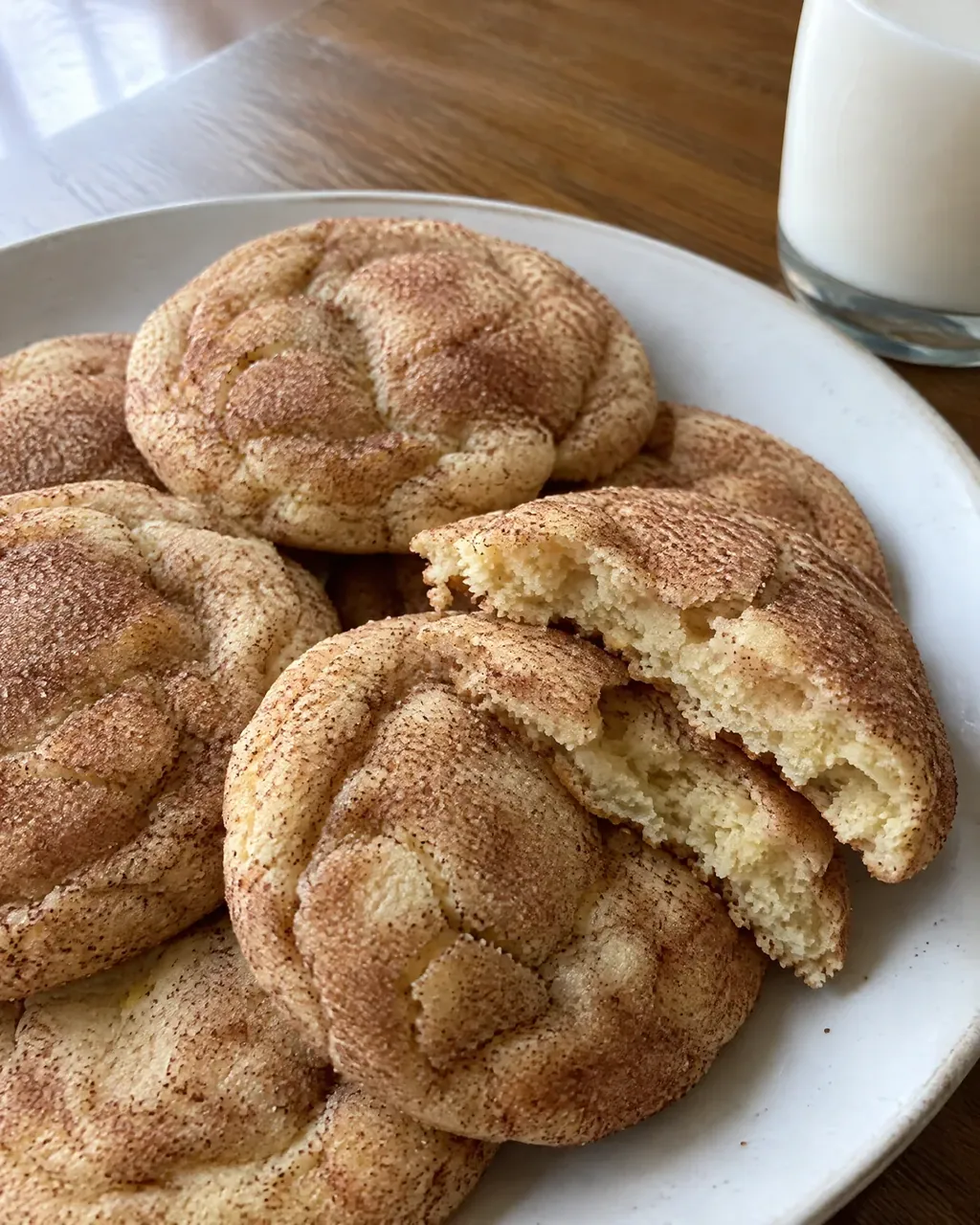
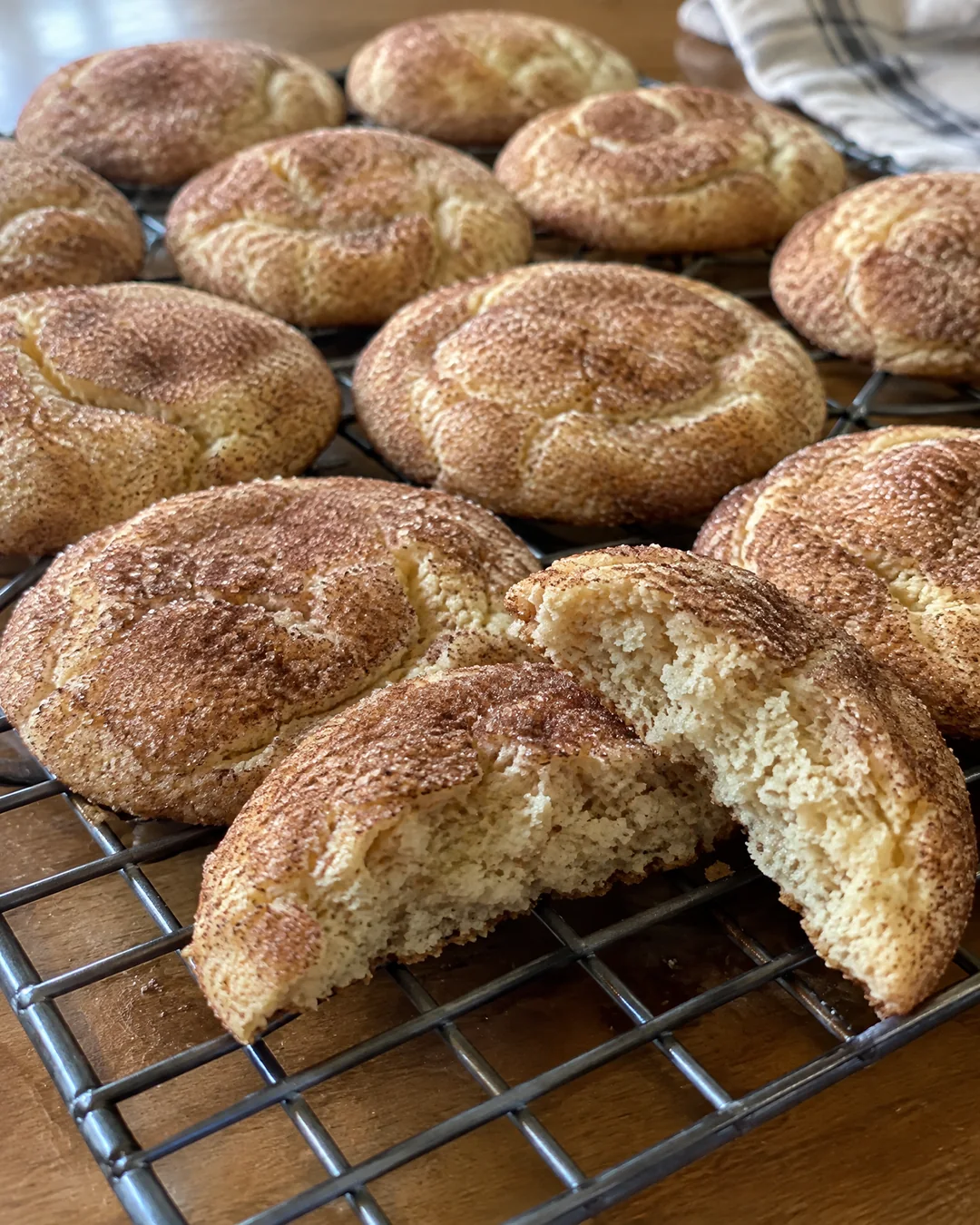
In a lot of kitchens the first job a child ever had was rolling snickerdoodle dough in cinnamon sugar. It is a job with no way to fail, which is why mothers gave it out, and every child who did it was told they were the only one who did it right. The cookies themselves have been the same for a century: soft, a little tangy, puffed and crackled on top, with a crust of cinnamon sugar that cracks when you bite.
The tang and the crackle come from cream of tartar. It is the ingredient people skip because they do not have it, and skipping it turns a snickerdoodle into a sugar cookie. Nice, but not the same. Cream of tartar reacts with the baking soda for the lift, keeps the sugar from crystallizing so the texture stays chewy, and gives the faint sourness that makes the cinnamon taste like cinnamon. Buy the little jar. It lasts for years.
Why this snickerdoodles works
- Cream of tartar plus baking soda. Together they give the fast puff and the crackled surface, and the cream of tartar keeps the cookies soft and slightly tangy.
- A 30-minute chill. Cold dough holds its shape in the oven and gives thick cookies instead of thin ones.
- Heavy on the cinnamon. Two tablespoons of cinnamon in the rolling sugar, not two teaspoons, so the outside actually tastes of it.
- Pulled early. Out of the oven at 10 minutes, while the centers still look soft. They set on the pan and stay chewy for days.
Ingredients
Makes about 36 cookies. US cups with grams in brackets.
For the dough
- 1 cup unsalted butter (2 sticks, 226g), softened
- 1 1/2 cups granulated sugar (300g)
- 2 large eggs
- 1 teaspoon vanilla extract
- 2 3/4 cups all-purpose flour (345g)
- 2 teaspoons cream of tartar
- 1 teaspoon baking soda
- 1/2 teaspoon fine salt
For rolling
- 1/4 cup granulated sugar (50g)
- 2 tablespoons ground cinnamon
Cream of tartar is in the spice aisle. There is no good substitute in this cookie; baking powder gives lift but not the tang or the chew.
How to make snickerdoodles
- Beat the softened butter and 1 1/2 cups sugar in a large bowl until light and fluffy, about 3 minutes.
- Beat in the eggs one at a time, then the vanilla.
- Whisk the flour, cream of tartar, baking soda and salt together, then stir into the butter mixture until just combined and no dry flour remains.
- Cover and chill the dough for 30 minutes. Meanwhile heat the oven to 375°F (190°C) and line two baking sheets with parchment.
- Stir the 1/4 cup sugar and the cinnamon together in a small bowl. Roll the dough into balls the size of a walnut, about 1 1/2 tablespoons each, and roll each ball in the cinnamon sugar until coated.
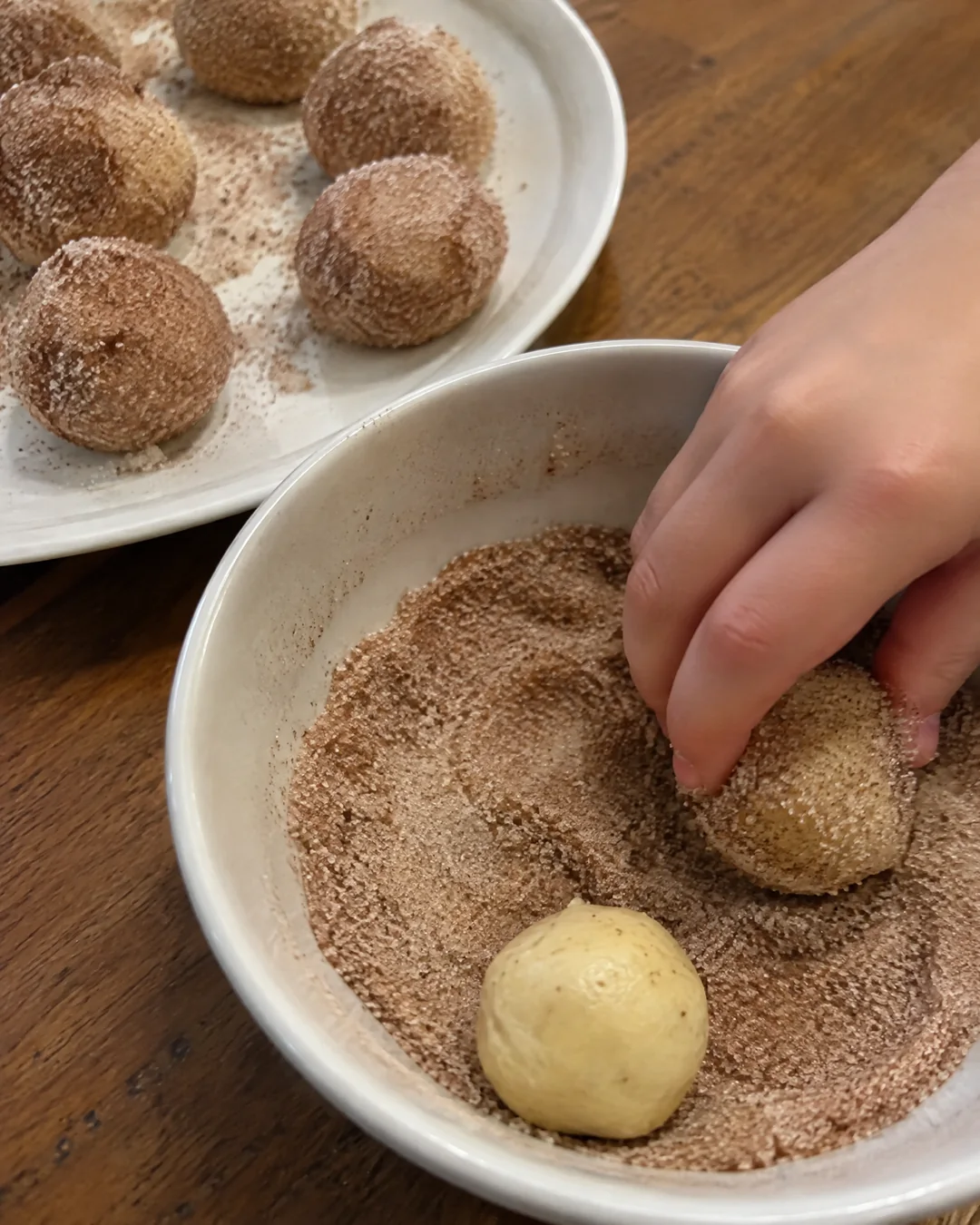
- Place the balls 2 inches apart on the sheets. Do not flatten them.
- Bake for 9 to 11 minutes, one sheet at a time, until the cookies are puffed and the tops are cracked but the centers still look soft. They will look underdone. Take them out.
- Let them sit on the pan for 5 minutes, during which they settle and crinkle, then move to a rack.
Tips that make the difference
- The dough is soft; if it gets sticky while rolling, put the bowl back in the refrigerator for 10 minutes.
- For extra-crackled tops, roll each ball in the cinnamon sugar twice.
- Bake in the middle of the oven. Cookies on the bottom rack brown underneath before the tops set.
- A tablespoon-sized cookie scoop keeps every cookie the same size, so they bake the same.
Variations
- Brown butter. Melt and brown the butter, cool it until solid but soft, then cream as written. Nutty and deeper.
- Pumpkin spice. Replace the cinnamon in the rolling sugar with 2 tablespoons pumpkin pie spice.
- Snickerdoodle bars. Press the dough into a greased 9x13 pan, sprinkle with the cinnamon sugar and bake 20 to 22 minutes.
- Chewy for days. Swap 1/2 cup of the granulated sugar in the dough for packed brown sugar.
Storage and make-ahead
Store in an airtight tin at room temperature for up to 5 days. By day three they firm up; a slice of sandwich bread in the tin keeps them soft, an old trick that works.
The dough can be refrigerated for 3 days or frozen as rolled, sugared balls for 3 months. Bake from frozen, adding 1 to 2 minutes.
Baked cookies freeze for 3 months in a sealed bag.
Frequently asked questions
What does cream of tartar do in snickerdoodles?
It works with the baking soda to leaven the cookie quickly, so it puffs and cracks, and it stops the sugar from crystallizing, which keeps the cookie chewy. It also gives the faint tang that is the signature of the cookie.
Can I make snickerdoodles without cream of tartar?
You can replace the cream of tartar and baking soda with 2 teaspoons of baking powder. The cookies will rise and taste fine, but they will be closer to a sugar cookie, without the tang and with a smoother top.
Why are my snickerdoodles flat?
The dough was not chilled, or the butter was too soft when creamed. Thirty minutes in the refrigerator before rolling is the fix. An oven running cool will also make them spread.
Why do they go hard?
They were baked too long or stored in the open. Pull them while the centers still look soft, and keep them sealed with a slice of bread in the container.
Give the rolling job to whoever is six. Tell them they are the only one who does it right. They will find out at forty, and they will not mind.
Soft and Chewy Snickerdoodles (With Cream of Tartar, the Real Ones)
Classic soft snickerdoodles with the crackled cinnamon-sugar top: butter, sugar, eggs, flour, cream of tartar and baking soda, a 30-minute chill, and a bake short enough to keep the middles soft. Cups and grams, plus the reason cream of tartar is not optional.
Ingredients
- 1 cup unsalted butter (2 sticks, 226g), softened
- 1 1/2 cups granulated sugar
- 2 large eggs
- 1 teaspoon vanilla extract
- 2 3/4 cups all-purpose flour
- 2 teaspoons cream of tartar
- 1 teaspoon baking soda
- 1/2 teaspoon fine salt
- 1/4 cup granulated sugar
- 2 tablespoons ground cinnamon
Instructions
- Beat the softened butter and 1 1/2 cups sugar in a large bowl until light and fluffy, about 3 minutes.
- Beat in the eggs one at a time, then the vanilla.
- Whisk the flour, cream of tartar, baking soda and salt together, then stir into the butter mixture until just combined and no dry flour remains.
- Cover and chill the dough for 30 minutes. Meanwhile heat the oven to 375°F (190°C) and line two baking sheets with parchment.
- Stir the 1/4 cup sugar and the cinnamon together in a small bowl. Roll the dough into balls the size of a walnut, about 1 1/2 tablespoons each, and roll each ball in the cinnamon sugar until coated.
- Place the balls 2 inches apart on the sheets. Do not flatten them.
- Bake for 9 to 11 minutes, one sheet at a time, until the cookies are puffed and the tops are cracked but the centers still look soft. They will look underdone. Take them out.
- Let them sit on the pan for 5 minutes, during which they settle and crinkle, then move to a rack.