In this article
- The Science Behind Marshmallows
- Secret #1: Mastering the Gelatin Base
- Secret #2: Perfecting the Sugar Syrup
- Secret #3: Whipping to the Right Consistency
- Secret #4: Cutting, Coating & Storing Like a Pro
- Creative Twists & Recipe Variations
- Common Mistakes and How to Avoid Them
- FAQs – People Also Ask
- Conclusion: Sweet Success Every Time
There’s something truly enchanting about biting into a fluffy, melt-in-your-mouth marshmallow. Most of us grew up with the store-bought kind, tossed into hot cocoa or roasted over a campfire, but once you experience the difference of homemade marshmallows, you’ll never see them the same way again.
Homemade marshmallows are softer, creamier, and far more flavorful than their packaged cousins. You control the texture, the sweetness, and the flavorings, which means you can create marshmallows that taste like vanilla bean, maple, peppermint, or even coffee. Beyond flavor, there’s also a kind of magic in the process itself. Watching a mixture of sugar, gelatin, and air transform into pillowy clouds feels almost like kitchen alchemy.
The best part? You don’t need to be a professional candy maker to pull it off. With a few insider tips and the right techniques, anyone can craft marshmallows that rival—or surpass—anything from a store shelf.
In this guide, we’ll uncover four secrets to making amazing marshmallows: understanding the gelatin base, perfecting the sugar syrup, whipping to the ideal consistency, and mastering the finishing touches that keep marshmallows light, airy, and non-sticky. Once you know these secrets, you’ll not only be able to make classic vanilla marshmallows, but also endless variations perfect for gifts, holidays, and indulgent treats.
So grab your mixer, dust off your candy thermometer, and let’s step into the sweet world of homemade marshmallows.
The Science Behind Marshmallows
Before diving into the secrets, it helps to understand what marshmallows actually are. At their core, marshmallows are a type of confectionery foam—a mixture of sugar syrup, gelatin, and lots of air. Each ingredient has a distinct role to play in building that fluffy, spongy structure.
Sugar syrup provides sweetness and density. When heated to the right temperature, sugar transforms into a syrup that stabilizes the foam and gives marshmallows their chewy bite. Too soft, and the marshmallows collapse. Too hard, and they turn dense and rubbery.
Gelatin is the structural backbone. When bloomed and dissolved, gelatin forms a protein network that traps the bubbles created during whipping. This network gives marshmallows their bouncy, elastic texture. Without it, you’d just have a sticky mess.
Air is the unsung hero. Whipping the hot syrup and gelatin mixture incorporates thousands of tiny air bubbles, transforming the liquid base into a light, fluffy foam. The more consistent the bubbles, the smoother the marshmallow.
Together, these three elements form a delicate balance. Even small mistakes—like heating the syrup too hot or under-whipping the mixture—can change the texture dramatically. That’s why following a few essential steps, and knowing the science behind them, makes all the difference.
Think of marshmallow making as both science and art. The science ensures the structure holds, while the art comes in with flavors, shapes, and coatings. Once you grasp the basics, you’ll have complete freedom to experiment without fear of failure.
Secret #1: Mastering the Gelatin Base
If marshmallows have a foundation, it’s gelatin. This humble ingredient is responsible for the iconic bounce and chew that make marshmallows irresistible. Understanding how to use it correctly is the first—and most important—secret.
Why gelatin matters
Gelatin is made of proteins that, when dissolved and cooled, form a three-dimensional network capable of trapping water and air. In marshmallows, this means the bubbles created during whipping stay suspended instead of collapsing. Too little gelatin and your marshmallows won’t set; too much and they’ll feel tough and rubbery.
Choosing the right gelatin
Most recipes call for powdered unflavored gelatin, which is widely available. Sheet gelatin works too but requires different measurements. If you prefer vegetarian or vegan marshmallows, agar agar, pectin, or carrageenan can be used as substitutes, though the texture will be slightly firmer.
Blooming the gelatin
The secret to working with gelatin is proper blooming. To do this, sprinkle the powdered gelatin evenly over cold water and let it sit for about 5–10 minutes. The granules absorb water and swell, creating a gel that dissolves easily when hot syrup is added. Skipping this step often leads to clumps that never fully dissolve, ruining the texture.
Timing and temperature
Bloomed gelatin should be melted gently with the hot sugar syrup. It’s important not to boil gelatin, as excessive heat can break down its structure and weaken its setting power. Adding it at just the right moment ensures the mixture whips up fluffy and stable.
Troubleshooting
-
Clumpy gelatin: Likely not bloomed properly. Always sprinkle, don’t dump.
-
Marshmallows too soft: Not enough gelatin, or it was overheated.
-
Too firm or rubbery: Too much gelatin added.
By mastering gelatin, you set yourself up for marshmallows that strike the perfect balance—soft yet springy, delicate yet structured. Think of it as the “scaffolding” that holds everything else in place. Once you nail this step, the rest of the process becomes far more forgiving.

Secret #2: Perfecting the Sugar Syrup
The second secret lies in cooking the sugar syrup to just the right stage. This step determines whether your marshmallows end up light and airy or dense and sticky.
Why syrup matters
Sugar syrup provides the sweetness and texture. As it cooks, water evaporates, and the sugar concentration rises. The hotter it gets, the firmer it becomes once cooled. For marshmallows, you want the syrup at the soft-ball stage (around 240°F or 115°C). At this point, the syrup is thick enough to support air bubbles but still soft enough to stay chewy.
How to get it right
The most reliable method is using a candy thermometer. Clip it to the side of your pot and watch carefully as the syrup heats. If you don’t have one, you can use the water test: drop a bit of syrup into cold water—if it forms a soft, pliable ball, it’s ready.
Preventing crystallization
One of the biggest challenges is sugar crystallizing back into grains. To avoid this, don’t stir the syrup once it starts boiling. Adding a little corn syrup, honey, or cream of tartar helps prevent crystals from forming, giving you a smooth syrup.
Flavor opportunities
This is also the perfect stage to layer in flavor. A splash of vanilla, almond extract, or even spices like cinnamon or nutmeg can be added once the syrup is ready. For a deeper flavor, try swapping part of the sugar for brown sugar or maple syrup.
Troubleshooting
-
Syrup too runny → Didn’t reach the correct temperature.
-
Syrup too hard → Overcooked past soft-ball stage.
-
Crystallized → Stirring too much or not enough stabilizer.
By perfecting your sugar syrup technique, you give your marshmallows the sweet, stable base they need to whip into perfection. Combined with gelatin, this is where the magic really begins.
Secret #3: Whipping to the Right Consistency
Once your gelatin and sugar syrup are combined, the real transformation begins: whipping. This stage incorporates air into the mixture, turning it from a sticky syrup into a fluffy, cloud-like marshmallow base. Getting this step right is the third secret to success.
Why whipping matters
Air is what makes marshmallows light instead of dense. As the mixer beats the hot syrup, thousands of tiny bubbles form. The gelatin traps those bubbles, creating the spongy structure we love.
How long to whip
Typically, 8–12 minutes of whipping on medium-high speed is ideal. The mixture should expand in volume, lighten in color, and form thick, glossy ribbons when lifted with a spatula. If it’s still runny, it needs more time. If it starts to pull away from the bowl in stiff clumps, you’ve gone too far.
Tools of the trade
A stand mixer is best for this job because it handles the heavy whipping without tiring your arms. A hand mixer can work but may take longer, and you’ll need to be cautious about overheating the motor.
Adding flavors and colors
The end of whipping is the perfect time to add extracts, food coloring, or powdered flavorings like cocoa or freeze-dried fruit. Gently fold them in so you don’t deflate the mixture.
Troubleshooting
-
Mixture too thin: Under-whipped.
-
Grainy texture: Sugar crystallized earlier in the syrup stage.
-
Dry or crumbly: Over-whipped.
With practice, you’ll learn to read the texture and stop at the sweet spot: thick, fluffy, but still pourable. That’s when you know your marshmallows will set perfectly.
Secret #4: Cutting, Coating & Storing Like a Pro
Once whipped, your marshmallow mixture is poured into a prepared pan to set. But the process doesn’t stop there—how you cut, coat, and store them makes a big difference in the final product.
Preparing the pan
Line a baking dish with parchment paper and dust it generously with a mix of powdered sugar and cornstarch. This prevents sticking and gives marshmallows a smooth finish.
Cutting cleanly
After several hours of setting (usually 4–6), the marshmallows are ready to cut. Lightly oil a sharp knife, kitchen scissors, or even a pizza cutter. Wipe and re-oil between cuts to keep them from sticking.
Coating to prevent stickiness
Toss each piece in the same powdered sugar–cornstarch mix. This not only keeps marshmallows from clumping together but also adds a pleasant finish. For variety, you can use shredded coconut, cocoa powder, or crushed cookies as coatings.
Storing for freshness
Homemade marshmallows keep best in an airtight container at room temperature. Properly stored, they last about 2 weeks. If you live in a humid climate, a little extra coating helps prevent them from becoming sticky. Marshmallows can also be frozen for up to 2 months; just thaw them at room temperature before serving.
Pro tips
-
Avoid the refrigerator—it introduces too much moisture.
-
Stack marshmallows in layers with parchment paper between them.
-
For gift-giving, wrap them individually or in cellophane bags.
By cutting and storing your marshmallows with care, you’ll keep them light, pillowy, and irresistible long after they’re made.

Creative Twists & Recipe Variations
One of the joys of homemade marshmallows is how customizable they are. Once you master the basics, you can experiment with flavors, shapes, and coatings that elevate them far beyond store-bought versions.
Flavor variations
-
Classic vanilla bean: Use real vanilla bean paste for an intense, aromatic flavor.
-
Chocolate or mocha: Add cocoa powder or instant espresso during whipping.
-
Fruity twists: Fold in purees or freeze-dried fruit powders for strawberry, raspberry, or mango marshmallows.
-
Spiced marshmallows: Cinnamon, nutmeg, or pumpkin spice are perfect for autumn treats.
Creative shapes
Pour the mixture into silicone molds for hearts, stars, or holiday-themed designs. Small bite-sized marshmallows are perfect for topping hot cocoa, while larger squares are ideal for s’mores.
Coating experiments
Dust with cocoa powder for a rich finish, roll in toasted coconut for texture, or dip half in melted chocolate for a decadent treat.
Special ideas
-
Make marshmallow pops by inserting sticks before cutting.
-
Create layered marshmallows by pouring different colors or flavors in stages.
-
Try swirled marshmallows by adding food coloring and gently folding before setting.
These variations make marshmallows a canvas for creativity, whether you’re preparing them for holidays, parties, or thoughtful homemade gifts.
Common Mistakes and How to Avoid Them
Even with the best intentions, marshmallows can go wrong. Here are common pitfalls and how to fix them:
-
Too sticky
Cause: Insufficient coating or humid storage.
Fix: Toss generously in powdered sugar–cornstarch mix and store in airtight containers. -
Dense or rubbery texture
Cause: Over-whipping or too much gelatin.
Fix: Whip until fluffy but pourable; measure gelatin carefully. -
Not setting properly
Cause: Syrup temperature too low or not enough gelatin.
Fix: Use a candy thermometer and confirm soft-ball stage. -
Sugar crystallizing
Cause: Stirring the syrup once it starts boiling.
Fix: Avoid stirring; add corn syrup or cream of tartar to stabilize. -
Flavor too bland
Cause: Relying only on sugar.
Fix: Add quality extracts, spices, or natural flavorings during whipping.
By understanding these mistakes, you’ll save yourself from frustration and enjoy marshmallows that look and taste professional every time.
FAQs – People Also Ask
Why are my homemade marshmallows sticky?
Stickiness usually comes from high humidity or insufficient coating. Toss them in powdered sugar and cornstarch, and store them airtight at room temperature.
Can I make marshmallows without gelatin?
Yes. Vegan alternatives like agar agar or pectin can be used, though the texture will be firmer and less springy than gelatin-based marshmallows.
How long do homemade marshmallows last?
Properly stored in an airtight container, they last up to 2 weeks at room temperature. Freezing extends shelf life to about 2 months.
Do homemade marshmallows taste better than store-bought?
Absolutely. Homemade marshmallows are fresher, fluffier, and can be customized with real flavors, unlike the one-note sweetness of store-bought versions.
Can I make marshmallows without corn syrup?
Yes. Honey, golden syrup, or maple syrup can be substituted, but they may alter flavor and texture. Be sure to monitor the sugar syrup closely to prevent crystallization.
Conclusion: Sweet Success Every Time
Homemade marshmallows may seem like a daunting project, but with these four secrets—mastering the gelatin base, perfecting the sugar syrup, whipping to the right consistency, and finishing with proper cutting and storage—you’ll be amazed at how achievable it is.
Not only do homemade marshmallows taste far better than store-bought, but they also open the door to endless creativity. From classic vanilla to bold new flavors, they’re versatile, fun, and perfect for sharing with friends and family.
The beauty of marshmallow-making is that once you understand the science and technique, you can play with variations and make them uniquely your own. Whether enjoyed in a steaming cup of cocoa, roasted over a fire, or dipped in chocolate, homemade marshmallows bring joy in every bite.
So gather your ingredients, follow the steps carefully, and let the magic happen. Sweet success is just one batch away.
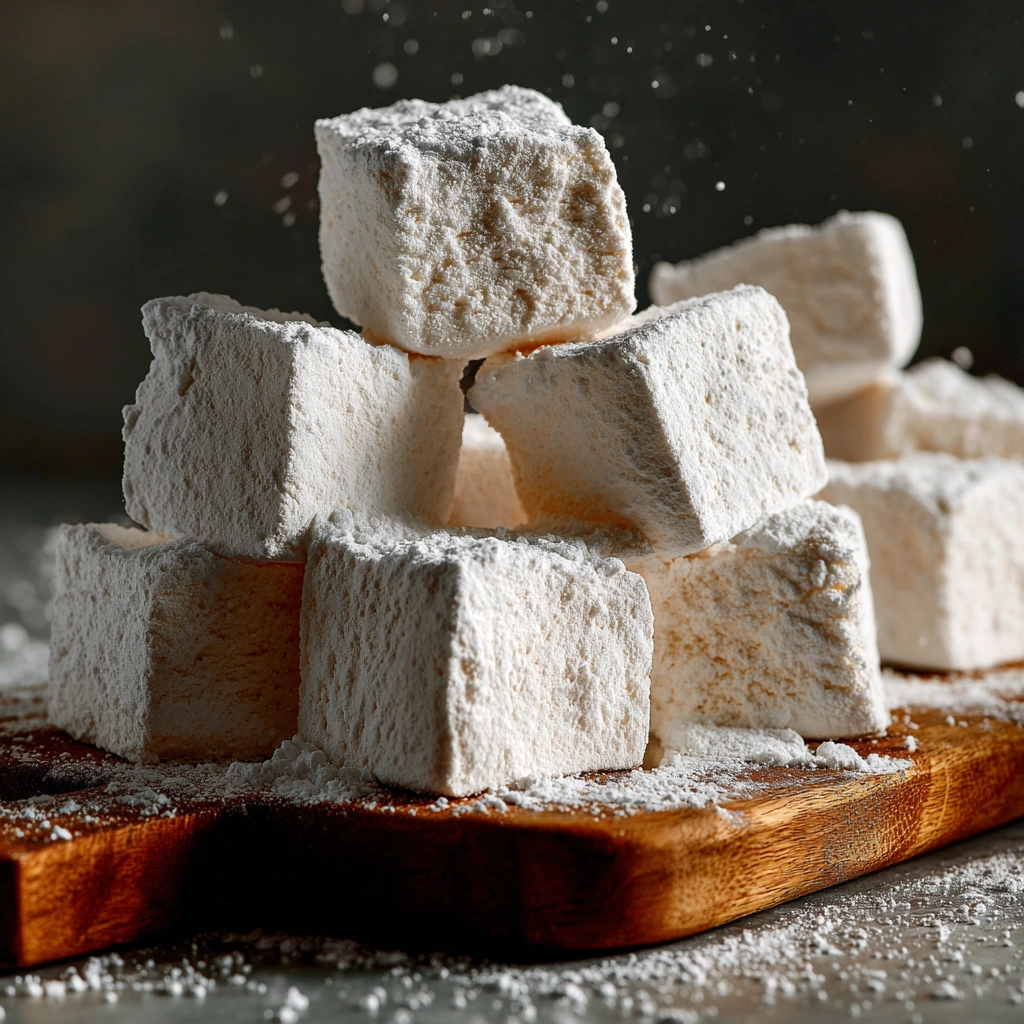
4 Secrets to Making Amazing Marshmallows
These homemade marshmallows are soft, fluffy, and so much better than anything store-bought! With just sugar, gelatin, and a little kitchen magic, you can create pillowy marshmallows that melt beautifully in hot cocoa, toast perfectly over a campfire, and make the ultimate s’mores. Once you learn the four key secrets—mastering the gelatin base, cooking the sugar syrup to the right stage, whipping to perfection, and finishing with a clean cut and coating—you’ll never go back to packaged marshmallows again.
Ingredients
- 3 packages unflavored powdered gelatin (about 21 g / 0.75 oz total)
- 1 cup cold water, divided
- 1 ½ cups granulated sugar
- 1 cup light corn syrup (or honey/golden syrup as a substitute)
- ¼ teaspoon salt
- 1 tablespoon pure vanilla extract (or flavoring of choice)
- 1 ½ cups powdered sugar
- 1 cup cornstarch (for dusting/coating)
- Neutral oil or nonstick spray (for greasing pan and tools)
Instructions
- Step 1: Bloom the gelatin
- Place ½ cup cold water in the bowl of a stand mixer.
- Sprinkle gelatin evenly over the water (don’t dump in one spot).
- Let it sit for 5–10 minutes to bloom and soften.
- Step 2: Cook the sugar syrup
- In a medium saucepan, combine sugar, corn syrup, salt, and remaining ½ cup cold water.
- Stir just until the sugar dissolves, then stop stirring.
- Clip on a candy thermometer and bring mixture to a boil over medium-high heat.
- Cook until the syrup reaches soft-ball stage (240°F / 115°C). Remove from heat immediately.
- Step 3: Combine and whip
- Turn the stand mixer to low and carefully pour the hot syrup into the bloomed gelatin.
- Once combined, increase to high speed and whip 8–12 minutes, until mixture is thick, fluffy, and forms glossy ribbons.
- Add vanilla extract (or other flavorings) in the last minute of whipping.
- Step 4: Pour and set
- Lightly oil a 9×13-inch baking dish and dust with powdered sugar + cornstarch mixture.
- Spread the marshmallow mixture evenly into the pan with a greased spatula.
- Dust the top with more powdered sugar + cornstarch.
- Let set uncovered at room temperature for at least 4 hours, or overnight.
- Step 5: Cut and coat
- Mix powdered sugar and cornstarch in a bowl.
- Turn marshmallows out onto a cutting board.
- Cut into squares with a greased knife, scissors, or pizza cutter.
- Toss each marshmallow in the coating mixture to prevent sticking.
- Step 6: Store
- Store in an airtight container at room temperature for up to 2 weeks.
- Freeze up to 2 months (do not refrigerate).