In this article
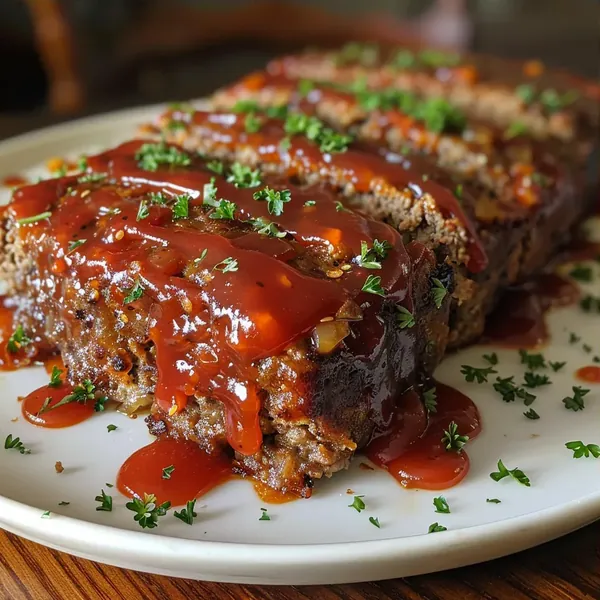
French Onion Meatloaf blends the deep, caramelized sweetness of onions with the hearty satisfaction of a classic meatloaf, creating a dish that transcends traditional comfort food. By infusing each bite with the rich, savory notes of French onion soup—think slow-cooked onions, a hint of thyme, and a touch of melted Gruyère—this meatloaf elevates a family favorite into something worthy of special occasions. The exterior develops a savory crust that locks in juices, while the interior remains tender and flavorful, punctuated by ribbons of soft, translucent onions. Whether you’re cooking for a weeknight dinner or hosting guests, French Onion Meatloaf delivers both simplicity and sophistication. Its familiar components—ground meat, breadcrumbs, eggs, and seasonings—become a canvas for the luxurious onion base, resulting in a meal that feels indulgent without being fussy. Serve it alongside creamy mashed potatoes or a crisp green salad to balance the richness, and you’ve got a crowd-pleaser that satisfies from the first slice to the last.
Origins & Culinary Inspiration
The origins of French Onion Meatloaf can be traced to two culinary traditions: the timeless appeal of meatloaf in American home cooking and the savory elegance of French onion soup. Meatloaf itself rose to prominence in the United States during the Great Depression as an economical way to stretch ground meat with fillers like breadcrumbs and vegetables. Meanwhile, French onion soup—documented in 18th-century French cookbooks—showcased the power of slowly caramelized onions, beef stock, and melted cheese. Combining these traditions was a natural evolution, marrying the practicality of meatloaf with the rich umami profile of onion soup. Chefs and home cooks began layering caramelized onions into their meat mixtures, then topping loaves with cheese and a sweet-savory glaze reminiscent of the soup’s finishing touch. This cross-pollination honors both culinary lineages: it uses the resourcefulness of American cooking while paying homage to the depth of flavor celebrated in French cuisine. The result is a dish that feels both nostalgically familiar and refreshingly inventive.
Key Ingredients Breakdown
At the heart of French Onion Meatloaf lies a careful balance of meats, aromatics, binders, and seasonings. The meat base typically features a blend of ground beef and pork—beef for its robust flavor, pork for added juiciness and fat content. Some recipes opt for an all-beef loaf to streamline flavors, while others include veal or turkey for a lighter profile. Caramelized onions are nonnegotiable: yellow or sweet onions sliced thin and cooked slowly in butter (or a mix of butter and oil) until they achieve a deep, golden-brown hue and a jam-like consistency. These onions impart both moisture and a signature sweetness.
Binders such as fresh breadcrumbs and an egg or two hold the loaf together; milk or beef stock soaked into the breadcrumbs ensures tenderness. Breadcrumbs can be panko for a lighter crumb or traditional loaf crumbs for a denser texture. Flavor enhancers include Worcestershire sauce for umami depth, Dijon mustard for a subtle tang, minced garlic for warmth, and fresh thyme or parsley for herbal brightness.
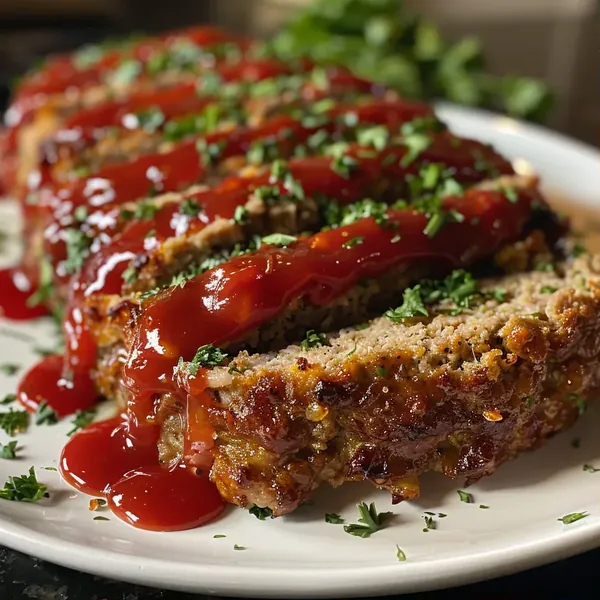
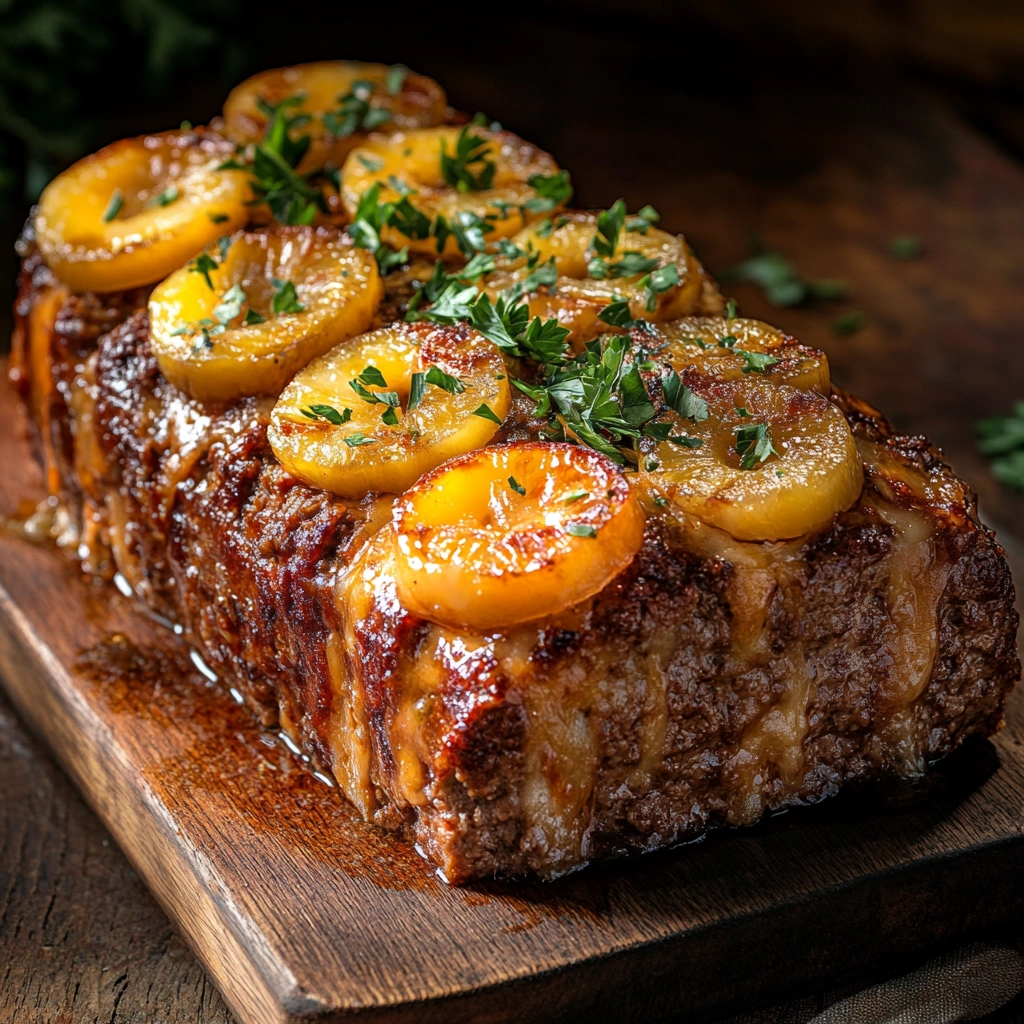
To finish, a layer of grated cheese—Gruyère is most authentic, echoing French onion soup; Swiss or mozzarella are acceptable substitutes—melts atop the loaf, forming a golden crust. Some cooks add a glaze of ketchup mixed with caramelized onion drippings or a sweet onion jam, brushed on during the last baking minutes to balance savory notes with a hint of sweetness.
Preparation & Mise en Place
Successful execution of French Onion Meatloaf hinges on meticulous preparation. Begin by thinly slicing two to three large onions. In a heavy skillet over medium-low heat, melt butter with a splash of oil to prevent burning. Add the onions, season lightly with salt, and stir occasionally for 30–40 minutes, allowing them to soften and turn a deep amber. If the pan starts to dry out, deglaze with a tablespoon of stock or water, scraping up fond to incorporate into the onions. Once caramelized, transfer them to a bowl to cool slightly.
Meanwhile, preheat your oven to 350°F (175°C). In a large mixing bowl, combine one pound of ground beef with half a pound of ground pork. In a separate small bowl, soak one cup of fresh breadcrumbs in ½ cup of milk or stock until fully absorbed. Crack in one egg, then add two teaspoons of Worcestershire sauce, one teaspoon of Dijon mustard, minced garlic, chopped thyme leaves, salt, and pepper. Mix gently—overworking can yield a dense loaf.
Fold in the cooled caramelized onions, reserving a few tablespoons for the glaze. On a lightly oiled baking sheet or in a loaf pan, shape the mixture into a uniform loaf about eight inches long. If using a loaf pan, press the mixture in firmly; for a free-form loaf, shape it by hand, rounding the top. For extra flair, slash shallow diagonal cuts across the top to help the glaze pool in channels.
Just before baking, brush the top with a thin layer of ketchup or onion glaze, then sprinkle evenly with two-thirds of your grated cheese. Reserve the remainder for a final sprinkle during the last five minutes of baking. This staged topping technique ensures a deeply golden, bubbly cheese crust without burning.