In this article
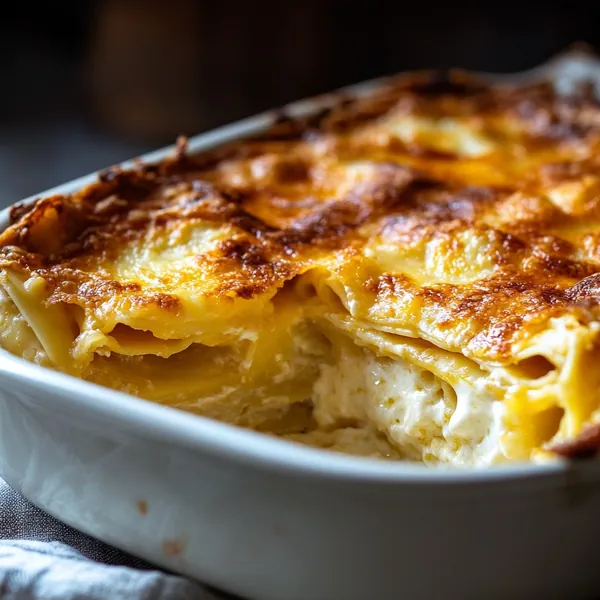
Layers of tender potato slices, sweet caramelized onions, and bubbling cheese come together in the French Onion Potato Bake, a comforting twist on classic gratin. This dish delivers the rich, savory notes of French onion soup—complete with deep, browned onions and a splash of broth—melded with the hearty appeal of potatoes au gratin. Ideal for cozy weeknight dinners or as an impressive side for holiday gatherings, this bake balances creamy textures and robust flavors. Whether you’re craving soul-warming comfort food or seeking a showstopping centerpiece, the French Onion Potato Bake promises to satisfy with every golden, cheesy bite.
What Is a French Onion Potato Bake?
A French Onion Potato Bake marries two beloved culinary traditions: the aromatic depth of French onion soup and the creamy, cheesy layers of a classic potato gratin. Thinly sliced potatoes form the foundation, interspersed with ribbons of onions that have been slowly caramelized to release their natural sweetness and develop a rich, amber hue. A flavorful liquid—often beef or vegetable broth, sometimes enriched with cream—seeps into the layers as it bakes, ensuring each slice is tender and infused with savory goodness. Topped with generous amounts of meltable cheese, this casserole transforms humble ingredients into a luscious, crowd-pleasing dish.

Origins & Culinary Lineage
The roots of this bake can be traced back to two pillars of French cuisine. French onion soup, with its hallmark caramelized onions, hearty broth, and cheesy crouton topper, dates to the 18th century and became popular for its simple yet indulgent qualities. Meanwhile, gratin dishes—thin potato slices baked in cream or milk with cheese—emerged from rural French kitchens as a way to stretch inexpensive staples into satisfying fare. Over time, home cooks and chefs experimented by combining elements of both, layering onions and potatoes together under cheese to create a hybrid casserole that captures the best of each tradition. Today’s French Onion Potato Bake stands as a testament to the adaptability and enduring appeal of rustic French cooking.
Key Ingredients & Their Roles
Onions: Yellow or sweet onions, sliced thin and slowly cooked, provide the backbone of flavor. Through caramelization, their sugars deepen into a mellow sweetness and golden color.
Potatoes: Waxy varieties like Yukon Gold hold their shape while offering a creamy interior; starchy Russets break down slightly for a silkier texture. Consistent slice thickness ensures even cooking.
Cheese: Gruyère is traditional for its nutty, slightly sweet profile and excellent meltability; Emmental or Fontina also work well. A sprinkle of Parmesan adds a sharp, savory finish.
Liquid: Beef or vegetable broth lends moisture and depth; a splash of cream or milk enriches the sauce, creating a luscious mouthfeel.
Herbs & Seasonings: Fresh thyme sprigs and minced garlic complement the onions’ sweetness. Salt and freshly ground black pepper season each layer, while a pinch of nutmeg can heighten the overall warmth.
Equipment & Prep Work
A heavy skillet is essential for even caramelization without burning. Use a mandoline or a sharp chef’s knife to slice potatoes uniformly, about 1/8-inch thick. A gratin or baking dish (9×13 inches works well) ensures proper layering and heat distribution. Arrange a mise en place: have onions, potatoes, cheeses, broth, and herbs ready before beginning. Preheat the oven to 375°F (190°C) to streamline the assembly-to-bake transition.
Step-by-Step Cooking Process
Begin by caramelizing the onions: heat butter and a drizzle of oil in a heavy skillet over medium-low heat. Add thinly sliced onions and a pinch of salt, stirring occasionally. As the onions soften, their natural sugars will concentrate; continue cooking for 25–30 minutes until they’re deeply golden and jam-like, deglazing with a splash of broth or water if they start to stick.
While onions cook, prepare the potatoes. Rinse and dry your chosen variety, then slice each tuber uniformly—about 1/8-inch thick—using a mandoline or sharp knife. Lay slices in a single layer on a baking sheet and pat dry to remove excess surface starch, which helps prevent sogginess.
Preheat your oven to 375°F (190°C). In your gratin dish, spread a thin layer of caramelized onions, then fan potato slices atop. Season lightly with salt, pepper, and scattered thyme leaves. Sprinkle with a third of the grated cheese, then repeat layers—onion, potato, cheese—until all ingredients are used, ending with a generous blanket of cheese. Pour broth (and cream, if using) around the edges; it will seep between layers without washing away cheese.
Cover the dish with foil and bake for 30 minutes. Remove foil and continue baking another 20–25 minutes until potatoes are tender when pierced and the top is golden and bubbling. For extra crust, switch to broil for the last 2–3 minutes, watching closely to avoid burning. Let rest 10 minutes before serving to allow the layers to set.
Variations & Substitutions
Cheese Options: Swap Gruyère for sharp cheddar or Fontina for a milder melt. Blue cheese crumbles can add tang. For a smoky twist, try smoked Gouda or provolone.
Dairy Alternatives: Use unsweetened plant-based milks (oat or soy) mixed with vegan butter for creaminess. Dairy-free cheeses made from nuts or tapioca mimic meltable textures—look for “melty” brands in specialty stores.
Potato Choices: Yukon Golds cook evenly and yield a buttery bite; Russets break down more, forming a creamier sauce. For a heartier texture, incorporate thin slices of sweet potato or parsnip.
Flavor Boosters: Stir minced garlic into melted butter before tossing with onions. Add a splash of dry white wine or sherry to deglaze the pan. Toss in chopped fresh mushrooms or leeks with onions for extra umami and color.
Protein Add-Ins: Crumbled cooked bacon or pancetta folded between layers imparts saltiness. Thin slices of cooked ham or shredded rotisserie chicken bulk up the bake into a one-dish meal.

Serving Suggestions & Pairings
This bake shines alongside simply roasted proteins: a mustard-crusted pork loin, herb-roasted chicken, or grilled lamb chops complement its richness. For a lighter protein, serve with seared salmon or pan-roasted cod, letting the casserole be the starchy counterpoint.
Balance the creamy, cheesy depth with a crisp, acidic side salad. Peppery arugula with a lemon-sherry vinaigrette cuts through the richness, while a chopped fennel and orange salad adds bright, refreshing crunch. Steamed green beans tossed in olive oil and garlic also work beautifully.
Wines with bright acidity and moderate body pair best. A unoaked Chardonnay or a dry Riesling will highlight the onion’s sweetness. For red lovers, a light Pinot Noir or Beaujolais Cru complements without overwhelming. Hard ciders, with their apple tang, also make an especially harmonious match.
Nutrition & Health Considerations
A generous serving (~1½ cups) contains around 350–450 calories, depending on cheese and cream quantities. Carbohydrates from potatoes account for the bulk of calories, while cheese and butter contribute fats and some protein. To lighten the dish, reduce cheese by 25% and swap heavy cream for low-fat milk or stock. Bulk up nutrition by adding thinly sliced zucchini or mushrooms between layers, increasing fiber and micronutrients. Season with fresh herbs instead of extra salt to keep sodium in check. Portion control—serving alongside leafy greens—ensures a balanced meal without sacrificing flavor.
Tips, Troubleshooting & Make-Ahead Options
To prevent a watery casserole, be sure onions are well-drained before layering, and pat potato slices dry. If your potatoes still release excess liquid, bake uncovered for an extra 5–10 minutes to evaporate moisture. If the top browns too quickly, tent with foil mid-bake. For perfectly even slices, a mandoline is worth the investment; otherwise, steady your knife and slice against a guide.
This dish can be assembled up to a day ahead: cover tightly and refrigerate. Bring to room temperature before baking, adding an extra 10 minutes to the covered bake time. Fully baked leftovers store in the fridge for 3–4 days; reheat at 350°F (175°C) until warmed through, or crisp the top under the broiler for a few minutes. For longer storage, freeze portions in airtight containers for up to one month; thaw overnight in the fridge before reheating.
FAQs
Can I assemble the bake ahead of time?
Absolutely. After layering potatoes, onions, cheese, and pouring in the liquid, cover tightly with foil or plastic wrap and refrigerate up to 24 hours. Allow the dish to sit at room temperature for 20–30 minutes before baking to ensure even cooking.
What’s the best way to reheat leftovers?
Reheat in a 350°F (175°C) oven, covered, for about 15–20 minutes until heated through. Remove foil in the last 5 minutes to refresh the golden top. For single servings, microwave on medium power in 1-minute increments, then broil briefly to restore crispness.
Can I freeze the casserole?
Yes—portion into freezer-safe containers and freeze up to one month. Thaw overnight in the refrigerator, then bake at 375°F (190°C) for 20–25 minutes, covered, until warmed through; finish uncovered to re-crisp the top.
Which potato variety works best?
Yukon Golds offer the perfect balance of starch and moisture, holding shape while yielding a creamy texture. Russets produce a looser, creamier interior but may require extra layers of cheese to bind the sauce.
How do I keep the top from burning?
If the cheese browns too quickly, tent the dish loosely with foil after about 20 minutes of uncovered baking. Alternatively, move the rack down one level in the oven or reduce the broil time to seconds.
Is there a dairy-free version?
Yes—substitute plant-based milks (like oat or soy) mixed with vegan butter for richness, and use dairy-free “melty” cheeses. Ensure your broth is vegan if that’s a concern.
Can I add meat to make it heartier?
Cooked, crumbled bacon or pancetta folded into the onion layer adds smoky depth. Shredded rotisserie chicken or diced ham can be layered for extra protein.
What size baking dish is ideal?
A 9×13-inch (2- to 3-quart) gratin dish accommodates about 2 pounds of potatoes and yields 6–8 servings. For smaller gatherings, use an 8×8-inch dish; adjust baking times downward accordingly.