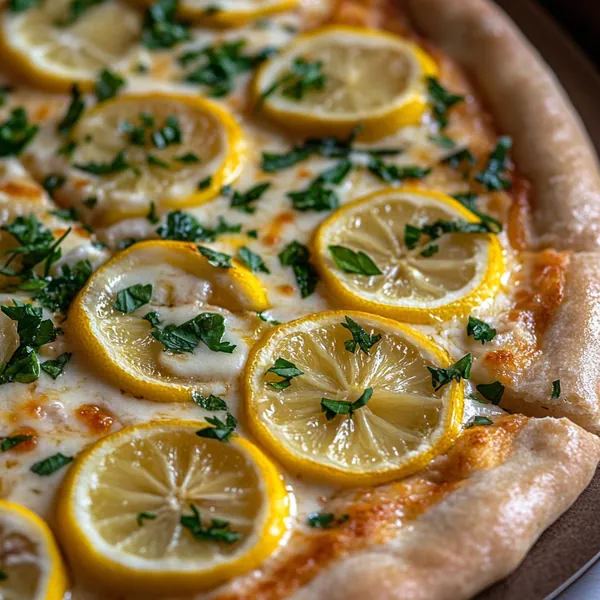
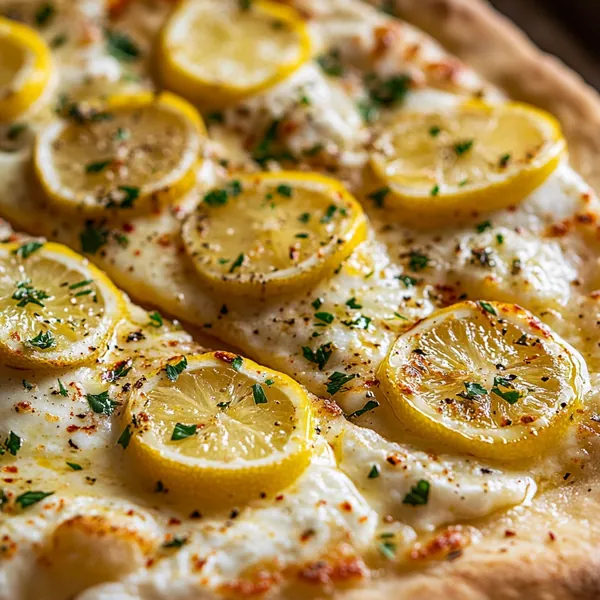
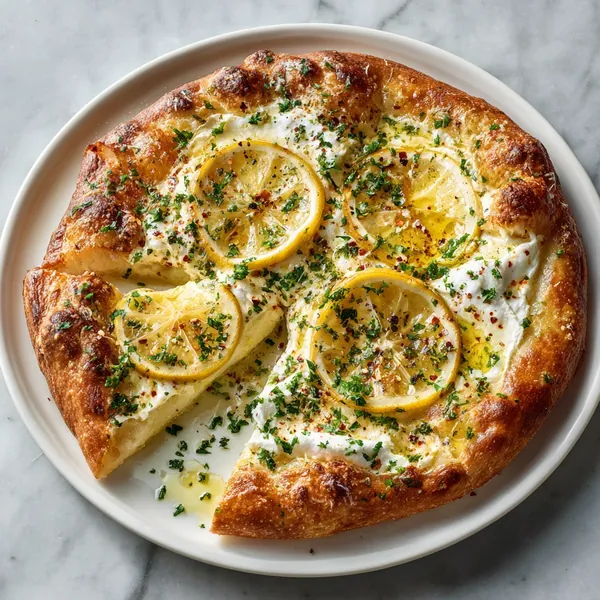
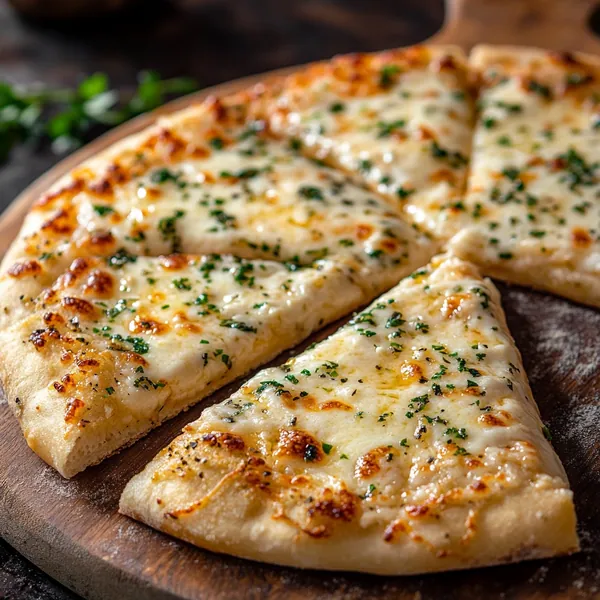
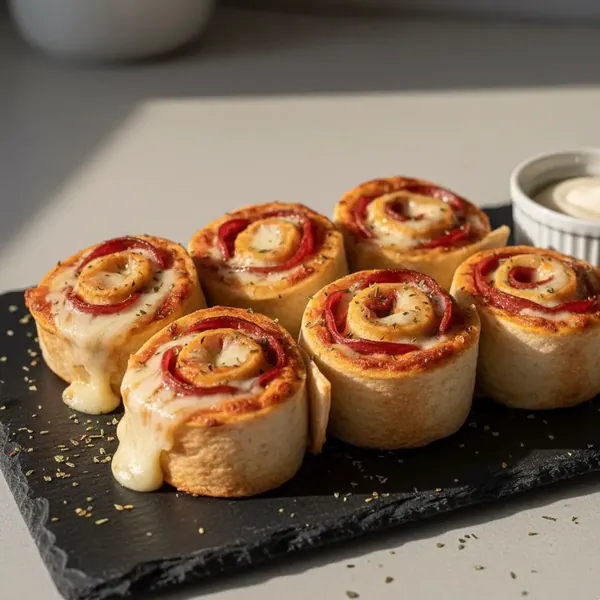
Discover the bright, refreshing twist on classic pizza with our Zesty Lemon Mozzarella Pizza recipe. Instead of tomato sauce, this pie features a light brush of olive oil infused with fresh lemon zest and juice, bringing a vibrant citrus aroma that perfectly balances the creaminess of hand-torn mozzarella. A…
A Zesty Lemon Mozzarella Pizza offers a vibrant departure from traditional tomato-based pies, marrying the bright acidity of fresh lemon with the creamy richness of high-quality mozzarella. This unconventional combination shines particularly in warm months, when citrus fruits are at their peak and lighter, refreshing flavors are in demand. The crisp snap of a well-baked crust provides the perfect foundation for this tangy-cream contrast, creating an experience that is simultaneously familiar and surprisingly novel.
Unlike heavier red sauces, the subtle lemon undertones on this pizza allow the pure flavor of the cheese and crust to take center stage. A gentle brush of extra-virgin olive oil serves as the flavor carrier, ensuring each bite bursts with citrus essence without overwhelming the palate. With minimal yet thoughtfully selected ingredients, this pizza exemplifies the beauty of restraint in cooking—showcasing how a handful of quality components can yield complex, layered taste.
In this guide, you will explore the historical roots that inspired this fusion, understand the science behind balancing acidity and creaminess, and learn step-by-step methods for selecting and preparing your ingredients. By the end, you’ll be equipped with the knowledge and confidence to craft a Zesty Lemon Mozzarella Pizza that delights friends, family, and even the most discerning pizza purists.
Origins & Inspiration
Citrus-topped flatbreads trace back to southern Italy, where seaside communities often incorporated local lemons into their cooking. In regions like Amalfi and Sicily, lemons have long been celebrated for their aromatic zest and bright acidity, lending themselves naturally to both sweet and savory culinary creations. The idea of topping a pizza with lemon likely evolved from these traditional flatbreads, where a drizzle of citrus cuts through the richness of olive oil and cheese.
In the last decade, modern pizzaioli have embraced seasonal produce to innovate beyond classic Margherita and pepperoni styles. Farm-to-table restaurants in California and Australia pioneered the trend of “white pizzas,” which omit tomato sauce in favor of alternative flavor bases—creme fraiche, garlic oil, and, of course, lemon. This seasonal, ingredient-driven approach has since spread globally, inspiring home cooks and professional chefs alike to experiment with the refreshing interplay of lemon and mozzarella on pizza.
Flavor Profile: Bright Meets Creamy
The allure of Zesty Lemon Mozzarella Pizza lies in its harmonious contrast. Lemon zest and juice introduce a sharp, citrusy brightness that enlivens the palate, while high-moisture mozzarella provides a smooth, milky counterbalance. The acidity from the lemon helps to cut through the cheese’s richness, preventing the flavor from feeling heavy or one-dimensional.
Texturally, the tender, slightly chewy mozzarella melds with the crunchy, blistered edges of the crust, creating a multi-sensory experience. Aromatic compounds released by lemon oil heighten the sense of freshness, engaging the nose even before the first bite. A light drizzle of olive oil carries these volatile aromas across the pizza’s surface, ensuring flavor is evenly distributed. This interplay of taste and texture makes each mouthful both exciting and comforting—a bright twist on a universally beloved comfort food.
Key Ingredients Overview
Pizza Dough: Choose a high-gluten flour blend to develop chewiness and oven spring. You may opt for a no-knead dough with an extended cold fermentation for deeper flavor, or a quick-rise dough if time is limited.
Fresh Lemons: Seek organic, unwaxed lemons. Their zest contains essential oils that deliver intense aroma, while fresh juice provides natural acidity without bitterness.
Mozzarella Cheese: Use high-moisture, fresh mozzarella for a silky melt. Drain and pat dry to avoid excess moisture, which can lead to soggy crusts.
Olive Oil: A fruity, extra-virgin olive oil acts as the flavor vehicle, carrying both citrus notes and the taste of the dough to every bite.
Sea Salt: Flaky finishing salt heightens both the lemon’s brightness and the cheese’s creaminess without overpowering.
Fresh Herbs: Basil and oregano add herbal warmth; thyme or rosemary can introduce piney, savory undertones.
Each component plays a distinct role in the overall balance: the dough provides structure, the lemon brightens, the cheese comforts, and the olive oil and herbs tie all flavors together.
Preparing the Lemon
Begin by thoroughly washing and drying your lemons to remove any surface wax or residues. Using a microplane zester, gently grate only the colored outer peel—avoiding the white pith, which is bitter. Aim for fine, fluffy zest that will disperse evenly across the pizza. Set aside about one teaspoon of zest per pie.
Next, halve the lemon and juice it over a small sieve to catch pulp and seeds. Measure roughly one tablespoon of juice, which will lend a subtle acidity without sogginess. If you prefer a bolder lemon flavor, reserve additional juice to drizzle lightly after baking rather than before, to protect the crust’s crispness.
Combine the zest and juice in a small bowl, then whisk in a tablespoon of olive oil and a pinch of salt. This lemon-oil emulsion ensures even distribution of flavor during assembly.
Selecting & Preparing the Mozzarella
When choosing mozzarella, freshness is paramount. Look for balls stored in brine or whey; avoid pre-shredded varieties, which often contain anti-caking agents and lack the creamy melt of hand-torn cheese. Fresh mozzarella typically comes in 4–8 ounce balls—select one per 12-inch pizza.
To prepare, remove the mozzarella from its liquid and place it between paper towels. Press gently to absorb excess whey without squashing the cheese. This step prevents waterlogged spots on the crust.
Tear the mozzarella into irregular pieces rather than slicing uniformly. The varied sizes melt at slightly different rates, resulting in pockets of creaminess interspersed with golden-browned edges. Arrange the torn pieces evenly, leaving small gaps for the dough to blister, which contributes to that signature leopard-spotted crust.
Dough Selection & Handling
Dough quality determines the foundation of any great pizza. You can start from scratch—mixing high-gluten bread flour, water, active dry yeast, and salt—or purchase a reputable store-bought dough. Homemade dough allows precision over hydration (typically 60–65% water by weight) and fermentation time, resulting in superior flavor and texture. Aim for a cold fermentation in the refrigerator for 24–72 hours; slow fermentation enhances the dough’s complexity, producing subtle nuttiness and improved digestibility.
If opting for quick dough, warm water and a slightly higher yeast ratio can yield a usable crust in 1–2 hours. However, rapid ferment sacrifices some depth of flavor. Regardless of method, always let the dough rest at room temperature for at least 30 minutes before shaping; cold dough resists stretching and can tear.
When shaping, choose hand-stretching over a rolling pin to preserve air pockets. Gently press and coax the dough outward, rotating as you go, until it forms a roughly 12-inch circle with a slightly thicker rim. This technique traps carbon dioxide in the outer edge, giving you that desirable crunchy-chewy contrast between center and cornicione (the rim).
Preheat your oven—ideally with a pizza stone or steel on the middle rack—to 475–500 °F (245–260 °C) for at least 45 minutes. A hot baking surface is critical for rapid oven spring and blistering. If you lack a stone, an inverted heavy-duty baking sheet can serve as a substitute. After assembly, slide the pizza onto the preheated surface and bake for 8–12 minutes, rotating halfway to ensure even browning. Watch for golden-brown spots on the crust and melted, slightly bubbling cheese as cues for doneness.
Assembly & Baking
Begin by preheating your oven to 475–500 °F (245–260 °C) with a pizza stone or steel placed on the middle rack for at least 45 minutes. A hot baking surface ensures rapid oven spring and blistering. If you don’t have a stone, invert a heavy-duty baking sheet and preheat it the same way.
On a lightly floured peel or flat baking sheet, stretch your room-temperature dough into a roughly 12-inch round, leaving a slightly thicker rim for the crust. Brush the surface lightly with the lemon-oil emulsion prepared earlier, leaving about a half-inch border. This oil acts as both a flavor carrier and moisture barrier, preventing the dough from becoming soggy once the cheese is added.
Tear the drained mozzarella into irregular pieces and distribute them evenly, allowing small gaps for the dough to blister. Scatter about one teaspoon of lemon zest over the cheese, then drizzle a little extra-virgin olive oil in a thin spiral from center to edge. Season with a light sprinkle of sea salt.
Transfer the pizza onto the preheated stone or sheet—use a quick jerking motion on the peel to slide it off cleanly. Bake for 8–12 minutes, rotating halfway through to promote even browning. Watch for golden-brown spots on the crust and cheese that’s melted with faint bubbling; the cornicione (crust edge) should be puffed and leopard-spotted. Once done, remove the pizza with a peel or tongs and let it rest on a wire rack for one minute before finishing.
Finishing Touches & Serving
Immediately after baking, sprinkle any reserved lemon zest over the pizza to reinforce its bright aroma. Drizzle a teaspoon of high-quality extra-virgin olive oil in a fine stream, which will carry the essential oils of the lemon zest and warm herbs. Tear a handful of fresh basil or oregano leaves and scatter them atop for a fragrant herbal accent; if you prefer a woodsy flavor, lightly crumble fresh rosemary or thyme instead.
Let the pizza rest for two minutes on a wire rack—this prevents steam from collecting beneath and softening the crust. Use a sharp pizza wheel to cut into six or eight slices, depending on desired portion size. Serve immediately on warmed plates, encouraging guests to savor each slice while the cheese is mousse-like and the crust crisp. A simple green salad dressed in lemon vinaigrette complements the pizza’s citrus notes without competing, and a chilled glass of dry white wine or sparkling water with lemon rounds out the experience.
Variations & Creative Twists
Prosciutto & Arugula: After baking, top with thin prosciutto slices and a handful of peppery arugula. The salty ham contrasts beautifully with the lemon’s acidity and creamy mozzarella.
Herb-Infused Honey Drizzle: Warm two tablespoons of mild honey with a sprig of thyme or rosemary, then strain and drizzle over the hot pizza for a sweet-savory balance.
Vegan Version: Swap dairy mozzarella for a plant-based cheese with high moisture content. Use aquafaba mixed with lemon zest as a glaze to mimic the citrus oil emulsion.
Alternative Crusts: Prepare a cauliflower crust for a low-carb option or whole-wheat dough for added fiber and nuttiness. Both hold up well to the lemon-cheese topping.
Spicy Kick: Sprinkle red pepper flakes or a drizzle of chili oil after baking to introduce heat that complements the citrus brightness.
A typical 12-inch Zesty Lemon Mozzarella Pizza yields six slices. Each slice contains approximately 250–300 calories, depending on dough hydration and cheese quantity:
Calories: 280 kcal
Fat: 12 g (6 g saturated)
Carbohydrates: 30 g (2 g fiber, 1 g sugar)
Protein: 10 g
The inclusion of fresh lemon provides about 10 mg of vitamin C per slice, contributing to immune support and antioxidant intake. Using high-moisture mozzarella supplies calcium (around 150 mg per slice) and phosphorus for bone health.
To lighten up, consider a cauliflower or whole-wheat crust, reduce cheese by 25 percent, or swap half the mozzarella for part-skim ricotta. You can also increase herb quantities—basil and oregano add negligible calories but boost flavor. A light side salad dressed in lemon juice and olive oil offers additional micronutrients without tipping the caloric balance.
Tips & Troubleshooting
Soggy Center: Ensure the mozzarella is well drained and patted dry. Brush the dough first with oil to create a moisture barrier before adding cheese and lemon juice.
Uneven Bake: Rotate the pizza halfway through baking. If your oven has hot spots, move the pie slightly during rotation to achieve uniform browning.
Dough Tears: Let cold dough rest at room temperature for at least 30 minutes before stretching. Use gentle coaxing motions instead of forceful pulls.
Excessive Acidity: If the lemon flavor feels too sharp, reserve half the juice for drizzling post-bake. You can also balance with a light sprinkle of granulated sugar or a honey drizzle.
Reheating Leftovers: Preheat oven to 375 °F (190 °C). Place slices on a baking sheet for 5–7 minutes until cheese remelts and crust crisps. Avoid the microwave to maintain texture.
Conclusion
A Zesty Lemon Mozzarella Pizza offers a refreshing twist on classic pies, showcasing how a few high-quality ingredients can deliver an unparalleled depth of flavor. From the bright citrus notes that enliven each bite to the creamy melt of fresh mozzarella, every component works in concert to create a pizza that’s light yet indulgent. Embracing seasonal produce—like summer’s peak lemons—ensures maximum aroma and taste, while careful dough handling and optimal baking techniques yield the perfect balance of chew and crunch.
Whether you’re hosting a casual gathering or seeking a new weeknight favorite, this pizza is as versatile as it is delicious. Experiment with prosciutto, honey, or vegan cheeses to make it your own. By following the guidelines in this guide—from ingredient selection to troubleshooting—you’ll consistently produce pies that impress. So preheat your oven, zest those lemons, and embark on a culinary adventure that redefines what pizza can be.
FAQs
Can I use bottled lemon juice instead of fresh? Bottled juice lacks the essential oils in zest, so the pizza will taste flatter. If you must, add extra lemon zest and reduce oil in the emulsion.
What’s the best substitute for fresh mozzarella? Part-skim mozzarella works, though it’s less creamy. Burrata can be torn into pieces post-bake for an indulgent alternative.
How do I keep my crust crisp if I add lemon juice? Brush juice sparingly or apply after baking. Use olive oil under the cheese to form a moisture barrier on the dough.
Is it okay to add garlic or chili flakes? Yes—minced garlic can be sautéed in oil before brushing the dough, and red pepper flakes add a pleasant heat contrast to the lemon.
How long can I store leftover pizza? Store in an airtight container in the refrigerator for up to 3 days. Reheat in a 375 °F oven on a baking sheet for best results; avoid microwaving.
Recipe
Zesty Lemon Mozzarella Pizza
Discover the bright, refreshing twist on classic pizza with our Zesty Lemon Mozzarella Pizza recipe. Instead of tomato sauce, this pie features a light brush of olive oil infused with fresh lemon zest and juice, bringing a vibrant citrus aroma that perfectly balances the creaminess of hand-torn mozzarella. A high-gluten, cold-fermented dough delivers a crisp yet chewy crust, while a final sprinkle of herbs adds fragrant complexity. Ideal for warm-weather gatherings or anytime you crave something lighter, this pizza showcases how minimal, high-quality ingredients can create extraordinary flavor. Whether you’re entertaining friends on a summer evening or simply want to shake up your weeknight dinner routine, this recipe guides you through each step—from prepping the lemon and cheese to achieving the perfect bake—so you can serve a pie that’s as Instagram-worthy as it is delicious.
150 grams fresh mozzarella (or ½ to ⅓ cup shredded firm mozzarella)
1 tablespoon lemon juice
2 tablespoon grated parmesan cheese
1 tablespoon fresh parsley
Freshly ground black pepper, to taste
Instructions
Follow the easy no-knead pizza recipe through step 5, including shaping the pizza and preheating the oven.
If using fresh mozzarella cheese in water, cut it into ½ inch thick pieces. If it’s very watery, dab the mozzarella with paper towel to remove excess moisture.
Place the dough on a parchment paper sheet and starting from the center, gently press it out with your fingers until you get approximately a 9×13 inch pizza. Then gently place the dough onto a pizza peel or onto the back of a rimmed baking sheet.
Add all brine ingredients to a glass jar with a lid. Shake until well emulsified.
Once the dough is stretched out, make a few dimples with your fingers, scatter the brine evenly over the dough, trying to fill the dimples with it. Add the mozzarella cheese.
Use the pizza peel to carefully transfer the pizza onto the preheated pizza stone. Bake until the cheese and crust are nicely browned, about 8-10 minutes in a forced fan oven. Each oven is different, so keep an eye on it.
Top your freshly baked pizza with the fresh lemon juice, then sprinkle the parmesan cheese and the parsley. Finish with more black pepper or a touch of chilli flakes if desired. Slice and serve immediately.
Did you make this recipe? Share a photo and tag us — we can't wait to see what you've made!