In this article
- What is White Garlic Pizza Sauce?
- History & Origin of White Pizza Sauce
- Key Ingredients Breakdown
- Step-by-Step Recipe: How to Make White Garlic Pizza Sauce
- Nutritional Information
- Cooking Tips for the Best White Garlic Sauce
- Best Pizza Toppings to Pair with White Garlic Sauce
- Other Uses for White Garlic Sauce
- Common Mistakes to Avoid
- FAQs
- Conclusion & Final Tips
Pizza is one of the most beloved comfort foods around the world, and while the classic red tomato-based sauce often takes center stage, there’s a creamy, savory alternative that deserves its own spotlight: white garlic pizza sauce. This rich and flavorful sauce brings a whole new dimension to pizza, offering a buttery, cheesy, and garlicky base that complements a wide range of toppings—from grilled chicken and spinach to mushrooms and mozzarella.
White garlic pizza sauce has grown in popularity due to its versatility and indulgent taste. It’s especially favored by those looking for a non-tomato option or wanting to try something more gourmet and restaurant-inspired at home. Perfectly balanced with cream, butter, garlic, and Parmesan cheese, this sauce adds a luxurious depth to every bite.
In this article, we’ll explore everything you need to know about white garlic pizza sauce, from its ingredients and origins to a detailed homemade recipe and nutritional facts. Whether you’re a seasoned cook or just starting in the kitchen, this guide will help you create a sauce that’s simple, customizable, and incredibly satisfying. Let’s dive into what makes this sauce a standout choice for your next pizza night.
What is White Garlic Pizza Sauce?
White garlic pizza sauce is a creamy, savory sauce made primarily from butter, garlic, flour, milk or cream, and Parmesan cheese. Unlike the traditional red pizza sauce that uses tomatoes as its base, this white sauce delivers a smooth, rich texture and a garlicky flavor profile that works beautifully with a wide array of toppings and crust types.
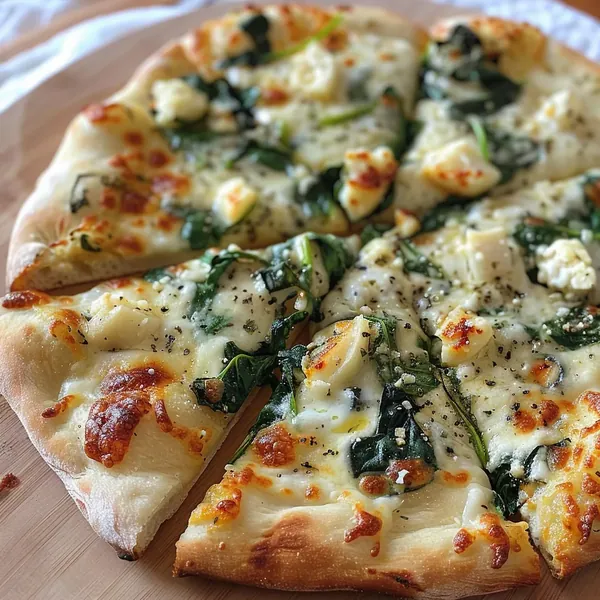
This sauce is often used on white pizzas—pizzas that skip the tomato sauce entirely in favor of creamier, cheesier bases. It’s especially popular for gourmet or specialty pizzas and is a common base in many American pizzerias and homemade pizza recipes. Its subtle sweetness from the cream and pungent depth from the garlic make it a crowd-pleaser.
What makes white garlic pizza sauce unique is its ability to enhance both meat and vegetable toppings without overpowering them. It’s thick enough to coat a crust evenly but smooth enough to allow cheese and toppings to melt seamlessly over it.
Some variations may include herbs like oregano or basil, or even a hint of nutmeg for extra warmth. Whether you’re using it for pizza, pasta, or as a dipping sauce, white garlic pizza sauce is a creamy, flavorful alternative that elevates any dish it touches.
History & Origin of White Pizza Sauce
White pizza sauce, often seen as a cousin to the classic béchamel sauce, has its roots in European cuisine—particularly Italian and French traditions. Béchamel, one of the five “mother sauces” in French cooking, is a simple combination of butter, flour, and milk. Over time, variations of this sauce, enhanced with garlic and cheese, evolved to suit different culinary tastes.
In Italy, cream-based sauces have long been used for pasta and flatbreads. When pizza began to spread globally and evolve beyond the classic Neapolitan style, chefs and home cooks began experimenting with alternatives to red sauce. The result was white pizza, or “pizza bianca,” which frequently uses a garlic cream base instead of tomato sauce.
In American cuisine, white garlic pizza sauce gained popularity in the 1980s and 1990s as pizza chains and restaurants began offering more customizable and gourmet options. Today, it remains a staple for those seeking a rich, creamy alternative.
Key Ingredients Breakdown
A well-balanced white garlic pizza sauce depends on the quality and harmony of its ingredients. Here’s a breakdown of what each component brings to the table:
1. Garlic
The star of the sauce, garlic provides a sharp, aromatic punch that defines the flavor. Fresh garlic cloves are preferred for a robust taste, though garlic powder can be used for a milder, more uniform flavor. Roasting the garlic can also add a sweet, nutty depth.
2. Butter
Butter serves as the base fat and is essential for creating a roux when combined with flour. It adds richness and a slightly salty note that enhances all other flavors.
3. Flour
All-purpose flour is typically used to thicken the sauce. When cooked with butter, it forms a roux that gives the sauce its creamy, cohesive texture.
4. Milk or Heavy Cream
Milk creates a lighter sauce, while heavy cream results in a richer, more indulgent version. A mix of both can provide balance between creaminess and consistency.
5. Parmesan Cheese
This cheese adds a salty, nutty, umami flavor and helps thicken the sauce further. Freshly grated Parmesan is ideal for melting smoothly into the sauce.
6. Optional Seasonings
Salt, black pepper, oregano, and a pinch of nutmeg or crushed red pepper flakes can deepen the flavor. These should be added sparingly and adjusted to taste.
Each of these ingredients plays a crucial role in building a well-rounded, flavorful sauce that complements any pizza topping.
Step-by-Step Recipe: How to Make White Garlic Pizza Sauce
This simple and delicious white garlic pizza sauce can be made in under 20 minutes and requires only a handful of pantry staples. Below is a step-by-step guide.
Ingredients:
-
2 tablespoons unsalted butter
-
4 cloves garlic, minced (or 1 teaspoon garlic powder)
-
2 tablespoons all-purpose flour
-
1 ½ cups whole milk (or substitute with half milk, half cream for richer flavor)
-
½ cup grated Parmesan cheese
-
Salt and black pepper to taste
-
Optional: pinch of oregano, basil, or crushed red pepper flakes
Equipment Needed:
-
Small saucepan
-
Whisk
-
Measuring cups and spoons
-
Wooden spoon or spatula
Instructions:
-
Melt the Butter
Place a small saucepan over medium heat. Add the butter and allow it to melt completely. -
Sauté the Garlic
Add minced garlic to the melted butter and cook for about 1–2 minutes, stirring frequently. Do not allow the garlic to brown as it can turn bitter. -
Create the Roux
Stir in the flour and whisk continuously for about 1–2 minutes until a smooth paste forms. This step is crucial for thickening the sauce. -
Add Milk Gradually
Slowly pour in the milk while whisking to prevent lumps. Continue to whisk until the mixture starts to thicken—about 3–5 minutes. -
Incorporate Cheese and Seasonings
Stir in the Parmesan cheese until fully melted and the sauce is smooth. Season with salt, pepper, and any optional herbs or spices to taste. -
Adjust Consistency
If the sauce is too thick, add a splash of milk. If too thin, let it simmer gently for a few more minutes to thicken. -
Cool and Use
Allow the sauce to cool slightly before spreading on pizza dough. It can be stored in the refrigerator for up to 5 days or frozen for up to 2 months.
Tips:
-
For a gluten-free version, substitute flour with cornstarch or gluten-free flour.
-
To make it vegan, use plant-based butter, almond milk, and nutritional yeast instead of cheese.
This white garlic pizza sauce recipe is both simple and adaptable, making it perfect for pizza lovers who want to explore beyond traditional red sauce.
Nutritional Information
White garlic pizza sauce is rich and indulgent, offering a creamy texture and robust flavor—but it’s also relatively high in calories and fat due to its dairy content. Here’s a general nutritional profile per ¼ cup serving:
-
Calories: 160–200
-
Total Fat: 14–16 grams
-
Saturated Fat: 9 grams
-
Cholesterol: 35–40 mg
-
Carbohydrates: 4–6 grams
-
Protein: 4–6 grams
-
Sodium: 180–250 mg
The actual values will vary depending on the ingredients used—especially the type of milk or cream and whether cheese is added. Using whole milk and butter will result in higher calorie content, while low-fat milk and reduced-fat cheese can cut down on calories and saturated fat.
For those watching their intake, consider substituting with plant-based ingredients or using the sauce more sparingly. Despite its richness, white garlic pizza sauce can fit into a balanced diet when enjoyed in moderation.

Cooking Tips for the Best White Garlic Sauce
Making white garlic sauce from scratch is straightforward, but achieving a restaurant-quality result requires attention to detail. Here are some essential tips to perfect your sauce:
Use Fresh Garlic for Maximum Flavor
Freshly minced garlic offers a sharper, more aromatic profile compared to garlic powder. If you’re after a more mellow, slightly sweet flavor, try roasting the garlic before adding it to the sauce.
Don’t Burn the Garlic
Garlic cooks quickly and can become bitter if burned. Sauté it gently over medium heat for no more than 1–2 minutes. If it starts to brown too fast, lower the heat immediately.
Make a Smooth Roux
The roux (a mix of butter and flour) is the foundation of the sauce’s texture. Whisk constantly to avoid lumps, and make sure the flour is fully cooked before adding milk or cream.
Add Milk or Cream Slowly
Pour in the liquid gradually while whisking to maintain a smooth consistency. Dumping it in all at once can cause clumping.
Use Freshly Grated Cheese
Pre-shredded Parmesan may not melt as smoothly due to anti-caking agents. Grating fresh cheese ensures better texture and flavor integration.
Simmer, Don’t Boil
Once the sauce thickens, keep the heat low. Boiling can cause the dairy to separate or curdle.
Customize with Herbs
A pinch of dried oregano, basil, or thyme adds depth without overpowering the garlic. Always season to taste near the end of cooking.
Mastering these tips ensures your white garlic pizza sauce turns out creamy, balanced, and full of flavor every time.
Best Pizza Toppings to Pair with White Garlic Sauce
White garlic sauce pairs beautifully with a wide variety of toppings, offering a rich and creamy base that complements both vegetables and proteins. Here are some of the best combinations to consider:
Vegetable Pairings
-
Spinach: A classic partner, especially when sautéed slightly before baking.
-
Mushrooms: Their earthy flavor blends perfectly with the creamy garlic base.
-
Artichokes: Briny and tender, they add a Mediterranean flair.
-
Caramelized onions: Bring sweetness that balances the sauce’s richness.
-
Tomatoes: Fresh slices or sun-dried versions add brightness and acidity.
Meat Toppings
-
Grilled chicken: A lean protein that soaks up flavor without overpowering.
-
Bacon or pancetta: Their salty crispness contrasts nicely with the creamy texture.
-
Italian sausage: Adds spice and depth when crumbled over the top.
Cheese Options
-
Mozzarella: For that classic stretchy, melty finish.
-
Goat cheese or ricotta: Brings tang and creaminess for a gourmet touch.
-
Provolone or fontina: Excellent melters with mild flavor that won’t compete.
These toppings make white garlic pizza a versatile canvas for flavor experimentation, whether you’re keeping it simple or going all out.

Other Uses for White Garlic Sauce
White garlic sauce isn’t just for pizza—it’s a versatile component that works in a variety of dishes. Here are several ways to use it beyond the pizza crust:
1. Pasta Sauce
This sauce can easily double as a rich Alfredo-style pasta sauce. Simply toss it with cooked fettuccine, penne, or linguine and top with grilled vegetables or chicken.
2. Dipping Sauce
It makes an excellent dip for breadsticks, garlic knots, or even roasted vegetables. Thin it slightly with milk for a more pourable consistency.
3. Sandwich Spread
Use a cooled, thicker version as a spread for paninis or wraps. It pairs especially well with turkey, grilled chicken, and roasted vegetables.
4. White Lasagna Base
Substitute traditional ricotta layers with this sauce in white lasagna recipes featuring spinach, mushrooms, and chicken.
5. Casseroles
Incorporate it into baked casseroles as a creamy base for dishes with pasta, chicken, or vegetables. It adds moisture and flavor without needing condensed soup.
6. Flatbreads and Pita Pizzas
Spread a thin layer over flatbreads or pita rounds, top with cheese and vegetables, and bake for a quick and flavorful lunch.
These alternate uses highlight the sauce’s adaptability and make it a useful recipe to master for everyday cooking.
Common Mistakes to Avoid
Even simple sauces like white garlic pizza sauce can go wrong if you’re not careful. Avoid these common mistakes to ensure a smooth, flavorful result:
1. Burning the Garlic
Garlic cooks quickly and can turn bitter in seconds. Always cook it on medium to low heat and stir constantly. If it smells sharp or turns dark brown, start over.
2. Lumpy Texture
Lumps often occur if milk or cream is added too quickly to the roux. To avoid this, whisk constantly while slowly incorporating the liquid. Using room-temperature milk also helps reduce clumping.
3. Over-Thickening the Sauce
If the sauce gets too thick, it can become pasty and difficult to spread. Always monitor consistency, and add a splash of milk as needed to keep it smooth and spreadable.
4. Underseasoning
A bland sauce can ruin an otherwise great pizza. Always taste the sauce before serving and adjust salt, pepper, and herbs accordingly.
5. Using Low-Quality Cheese
Cheap or pre-shredded Parmesan often doesn’t melt well. Opt for fresh, high-quality cheese to achieve a smooth, creamy finish.
6. Not Cooling Before Storage
Storing hot sauce in the fridge can lead to condensation and spoilage. Let it cool completely before sealing and refrigerating.
These pitfalls are easy to avoid with a little care and attention during preparation.
FAQs
What is white garlic pizza sauce made of?
White garlic pizza sauce is typically made with butter, garlic, flour, milk or cream, and Parmesan cheese. Optional seasonings like salt, pepper, oregano, and red pepper flakes can be added to enhance the flavor. The sauce starts with a roux of butter and flour, then incorporates milk and cheese for a creamy texture.
Is white garlic pizza sauce the same as Alfredo sauce?
While similar, they are not exactly the same. Alfredo sauce usually includes more cream and is designed specifically for pasta. White garlic pizza sauce is slightly thicker to hold up on pizza crust and often has a higher cheese content for added richness.
Can I use milk instead of cream?
Yes, you can use whole milk as a lighter alternative to cream. The sauce will still be creamy, though less rich. For the best balance, many recipes use a mix of milk and heavy cream.
How long does homemade white pizza sauce last?
Stored in an airtight container in the refrigerator, white garlic pizza sauce will last up to 5 days. You can also freeze it for up to 2 months. Thaw in the refrigerator overnight and reheat gently on the stove.
Is white garlic sauce spicy?
No, it’s not inherently spicy. However, you can add crushed red pepper flakes or black pepper to introduce a bit of heat if desired.
Can you freeze white pizza sauce?
Yes. Allow the sauce to cool completely, then store in a freezer-safe container. When ready to use, thaw overnight in the fridge and reheat slowly, whisking to restore the smooth texture.
Conclusion & Final Tips
White garlic pizza sauce is a flavorful and flexible alternative to traditional red sauces. Rich, creamy, and packed with garlicky depth, it can elevate homemade pizza and serve a variety of other culinary purposes. With just a few simple ingredients and techniques, you can create a gourmet-quality sauce in under 20 minutes.
For best results, use fresh garlic, high-quality Parmesan, and whisk consistently to achieve the right texture. Whether you’re pairing it with chicken and spinach on pizza, drizzling it over pasta, or dipping your breadsticks in it, this sauce adds a touch of indulgence to any meal.
Don’t be afraid to customize it to your taste—add herbs, try different cheeses, or make a vegan version. Once you’ve mastered the basic method, the possibilities are endless. White garlic pizza sauce is not only easy to make but also a must-have in your home cooking repertoire.

White Garlic Pizza Sauce
This rich and creamy white garlic pizza sauce is the perfect base for any white pizza. Made with simple ingredients like butter, garlic, milk, and Parmesan cheese, it's smooth, flavorful, and easy to prepare in under 20 minutes. Whether you're making a classic chicken and spinach pizza or looking for a savory dipping sauce, this white sauce is a versatile kitchen staple that adds gourmet flair to homemade meals.
Ingredients
- 2 tablespoons unsalted butter
- 4 cloves garlic, minced
- 3 tablespoons all-purpose flour
- 1/4 teaspoon ground black pepper
- 1/4 teaspoon salt
- 1/4 teaspoon dried oregano
- 1 cup whole milk
- 1/2 cup grated Parmesan cheese
Instructions
- Melt the Butter In a small saucepan over medium heat, melt the butter until fully liquefied.
- Sauté the Garlic Add the minced garlic to the melted butter. Cook for about 30 seconds until fragrant but not browned.
- Whisk in the Flour Sprinkle in the flour, pepper, salt, and oregano. Whisk continuously to form a smooth paste (roux). Cook for about 1–2 minutes to eliminate the raw flour taste.
- Add the Milk Slowly Gradually pour in the milk while whisking constantly. Continue to whisk until the mixture thickens and becomes smooth.
- Finish with Cheese Remove the pan from heat and stir in the Parmesan cheese until completely melted and the sauce is creamy.
- Use or Store Use immediately as a pizza base or allow to cool and store in an airtight container in the refrigerator.