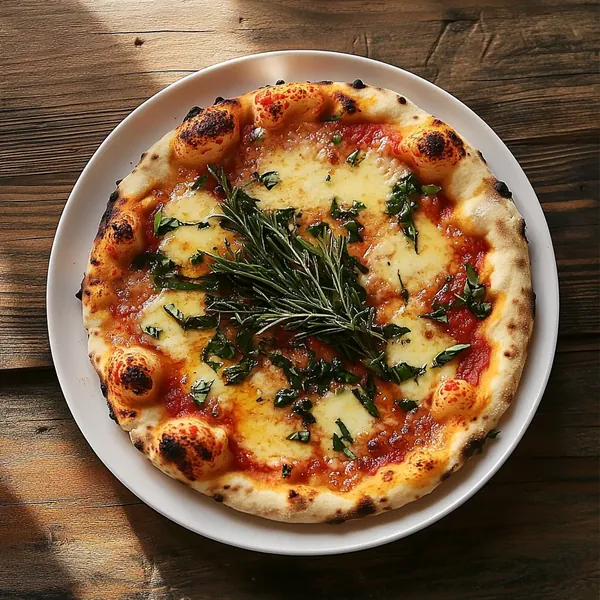
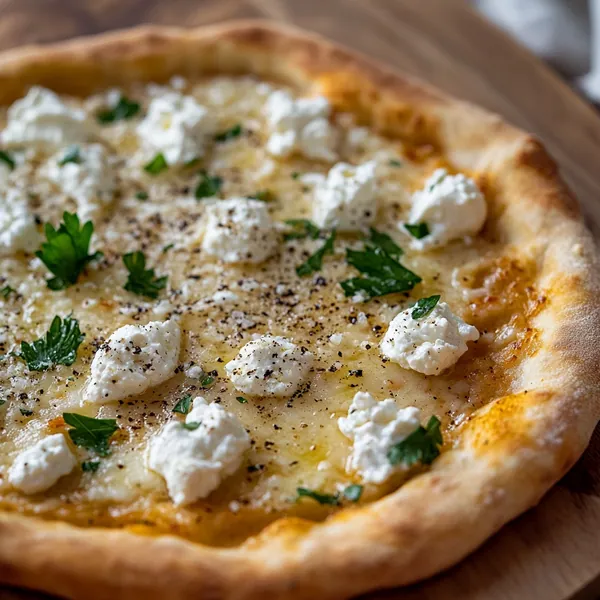
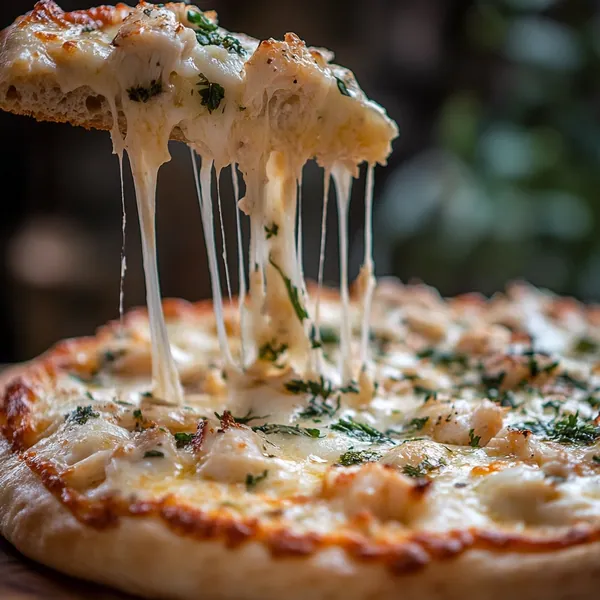
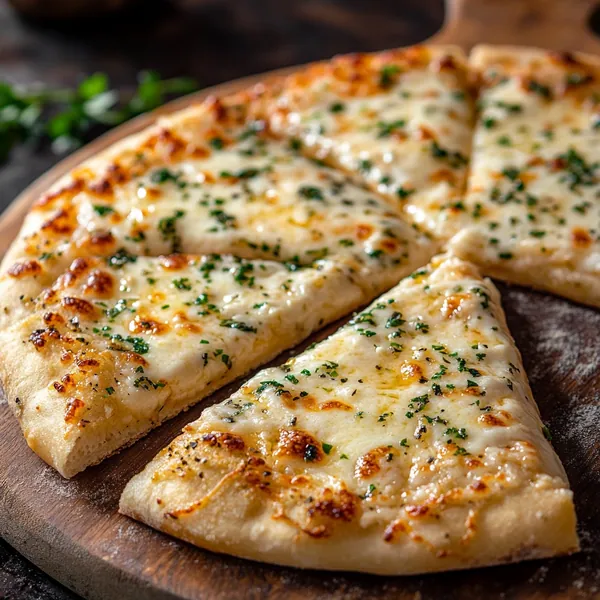
Lemon pizza is a bright, refreshing twist on the classic Italian favorite. Rather than relying on a traditional tomato sauce, this variant uses olive oil as a base, topped with thinly sliced or zested lemon to impart a vibrant, citrusy note. The cheese layer—often mozzarella, ricotta, or a blend—provides a creamy counterpoint to the lemon’s tang, while fresh herbs like rosemary or thyme introduce an aromatic depth. Lemon pizza emerges as both a light summer dish and a sophisticated appetizer in upscale trattorias. Its popularity has surged as home cooks and chefs alike seek new ways to innovate within the ever-evolving pizza landscape. In this article, we’ll explore lemon pizza’s origins, delve into its distinctive flavor profile, examine its nutritional merits, and offer practical tips for crafting your own. Whether you’re a seasoned pizzaiolo or an adventurous home cook, this guide will equip you with everything you need to master the art of lemon pizza.
Historical & Cultural Context
Pizza traces its origins to Naples, Italy, in the 18th century, where simple flatbreads topped with olive oil, garlic, and herbs evolved into today’s myriad styles. Lemons, native to Asia and introduced to Europe via Arab traders, became integral to Mediterranean cuisine by the Middle Ages. In southern Italy—especially Sicily and the Amalfi Coast—citrus fruits have long been used to brighten sauces, condiments, and desserts. The pairing of bread and lemons likely began as a means to uplift otherwise plain fare, with rustic focacce adorned with olive oil and lemon slices appearing in local markets.
The formal concept of “lemon pizza” likely emerged in the late 20th century, coinciding with global interest in lighter, vegetable-forward dishes. Chefs in coastal Italian regions began experimenting by replacing tomato sauce with oil and lemon, highlighting seasonal ingredients and regional produce. This approach resonated with diners seeking novel flavor combinations and lower-acid options. In recent years, lemon pizza has been embraced by pizzerias worldwide, often featured as a limited-edition summer special or as part of a “white pizza” category. Today, it stands as a testament to pizza’s versatility and the enduring influence of Mediterranean citrus traditions.
Flavor Profile & Key Ingredients
The hallmark of lemon pizza is its balance of acidity, creaminess, and herbaceous aroma. Fresh lemon zest brings intense citrus oils without excess moisture, while thin lemon slices or a gentle squeeze of juice at the end provides a clean, bright tang. For the cheese layer, mild, milky mozzarella creates a neutral canvas; ricotta adds luxurious creaminess and subtle sweetness; burrata offers a rich, custard-like center that complements the lemon’s brightness.
High-quality extra-virgin olive oil is essential, imparting fruity, peppery notes and ensuring a luscious mouthfeel. Garlic—either minced or in oil infusion—introduces depth, while fresh herbs such as rosemary, thyme, or oregano underscore the Mediterranean character. A pinch of red-pepper flakes can lend a gentle heat that contrasts the lemon’s acidity. Finally, a light sprinkle of flaky sea salt and freshly cracked black pepper ties the flavors together. Each ingredient should be chosen for freshness and quality to ensure the delicate citrus top note remains the star of the dish.
Nutritional Benefits & Considerations
Lemon pizza offers certain nutritional advantages over its tomato-sauced counterparts. Lemons are rich in vitamin C, providing antioxidants that support immune function and skin health. Their natural acidity can aid digestion and enhance mineral absorption. By substituting olive oil for tomato sauce, you reduce the pizza’s overall sugar content and shift toward monounsaturated fats, which are heart-healthy when consumed in moderation.
A standard serving (about one-eighth of a 12-inch pie) typically delivers 200–250 calories, 10–12 g of fat (mostly from olive oil and cheese), 20–25 g of carbohydrates, and 8–10 g of protein. To lower the sodium impact, choose low-moisture, part-skim mozzarella and season lightly. Those watching calorie intake can opt for a thin-crust base made with whole-wheat or spelt flour, boosting fiber content. Overall, lemon pizza can fit into a balanced diet when portioned appropriately and paired with a side of salad or grilled vegetables to round out the meal.

Variations & Dietary Adaptations
Lemon pizza’s flexible framework makes it easy to adapt for various dietary preferences:
-
Vegetarian: Intensify the herbaceous profile with baby arugula and roasted cherry tomatoes. Add olives or capers for briny contrast.
-
Vegan: Use plant-based cheese alternatives—such as cashew-based ricotta or almond-milk mozzarella—and drizzle extra olive oil in place of dairy. Nutritional yeast sprinkled atop can introduce a savory, umami note.
-
Gluten-Free: Swap in a certified gluten-free pizza crust crafted from rice flour, chickpea flour, or a commercially available gluten-free blend. Par-bake the crust briefly to prevent sogginess before topping.
-
Low-Carb/Keto: Replace the traditional dough with a cauliflower crust or almond-flour “fathead” dough. Ensure the crust is fully dry before adding toppings to maintain structure.
For a seasonal twist, try adding shaved zucchini in spring or thin fennel slices in winter. Those seeking additional protein can top with prosciutto di Parma after baking, letting the residual heat gently crisp the meat without overpowering the lemon’s freshness.
Step-by-Step Lemon Pizza Recipe
1. Prepare the Dough
-
Ingredients: 250 g (about 1 ⅔ cups) bread flour, 5 g (1 tsp) salt, 3 g (½ tsp) instant yeast, 160 ml (⅔ cup) lukewarm water, 15 ml (1 Tbsp) olive oil.
-
Method: In a large bowl, whisk together flour, salt, and yeast. Make a well in the center and pour in water and olive oil. Stir with a wooden spoon until a shaggy dough forms. Turn out onto a lightly floured surface and knead 8–10 minutes until smooth and elastic. Form into a ball, place in an oiled bowl, cover with plastic wrap, and let rise in a warm spot until doubled in size (about 1 hour).
2. Preheat and Prep
-
Position a pizza stone or inverted baking sheet on the lowest oven rack. Preheat the oven to its maximum temperature (450–500 °F/230–260 °C) at least 30 minutes before baking.
-
Line a pizza peel or the back of a baking sheet with a dusting of semolina or flour to prevent sticking.
3. Shape the Crust
-
Gently deflate the risen dough and transfer to a lightly floured surface. Press with fingertips from the center outward, rotating as you go, to form a 12-inch (30 cm) circle with a slightly thicker rim. Avoid using a rolling pin so the edge stays airy.
4. Build the Base
-
Drizzle 1 Tbsp of extra-virgin olive oil over the surface of the dough and use the back of a spoon to spread it evenly, leaving a ½-inch border.
-
Sprinkle 1 clove garlic, finely minced, lightly over the oiled dough.
-
Scatter 100 g fresh mozzarella, torn into small pieces, ensuring coverage but leaving some spaces for lemon and herbs.
5. Add Lemon and Herbs
-
Use a microplane to zest one medium lemon evenly over the cheese layer.
-
Thinly slice the same lemon into 1-mm rounds, discarding seeds, and arrange slices in a single layer over the cheese.
-
Lightly scatter 1 Tbsp fresh thyme leaves (or rosemary needles), breaking any large sprigs.
6. Bake
-
Slide the assembled pizza onto the preheated stone or baking sheet. Bake 8–10 minutes, rotating halfway, until the crust is golden and cheese is melted with light browning at the edges. Watch closely in the final minutes to prevent overcoloring of the lemon slices.
7. Finish with Fresh Elements
-
Remove the pizza and immediately drizzle with the juice of half a lemon, held high to distribute a fine mist.
-
Tear or scatter 50 g ricotta or burrata over the hot pizza for added creaminess, if desired.
-
Season with a few grinds of black pepper and a light sprinkle of flaky sea salt.
8. Rest and Slice
-
Allow the pizza to rest 2 minutes on the peel or cutting board—this helps set the toppings.
-
Slice into six or eight pieces with a sharp pizza wheel or chef’s knife. Serve at once.

Pairing & Serving Suggestions
A lemon pizza’s bright acidity calls for beverages and accompaniments that complement rather than compete. For drinks, choose a crisp, unoaked white wine—such as Pinot Grigio, Vermentino, or a dry Riesling—whose citrus and mineral notes echo the pizza’s character. Sparkling options like Prosecco or a light Cava also work beautifully, thanks to their effervescence and subtle fruitiness. For a non-alcoholic pairing, a chilled Italian soda or homemade lemonade (lightly sweetened with honey) underscores the citrus theme without overpowering it.
On the plate, serve a simple salad of peppery arugula dressed in a lemon vinaigrette: whisk 1 Tbsp lemon juice, 3 Tbsp olive oil, a pinch of salt, and a grind of black pepper. The leafy bitterness balances the pizza’s richness. Grilled or roasted vegetables—such as asparagus, zucchini ribbons, or red peppers—make colorful, healthy sides. For a heartier course, offer thinly sliced prosciutto or smoked salmon alongside the pizza, allowing guests to add salty, savory bites as they please.
Tips, Troubleshooting & Pro Techniques
-
Prevent Sogginess: Par-bake the shaped crust 3–4 minutes before adding toppings to set the base and reduce moisture absorption from lemon slices.
-
Even Lemon Coverage: Use a zester for fine zest; slice lemons as thinly as possible on a mandoline to avoid thick, soggy pieces.
-
Balancing Acidity: If the pizza tastes too sharp, finish with a light drizzle of honey or agave nectar to round out the flavor.
-
Crisp Crust: Bake on a preheated pizza stone or steel to maximize bottom heat. Transfer the pizza directly onto a steel surface if you prefer ultra-crisp results.
-
Cheese Browning: For more color, switch to a low-moisture mozzarella and finish under a broiler for 30 seconds, watching closely.
FAQs
-
What does lemon pizza taste like?
Lemon pizza combines the tang of fresh lemon zest and juice with creamy, mellow cheese. The olive oil base adds a fruity richness, while herbs like thyme offer an aromatic counterpoint. -
Can I use bottled lemon juice?
Bottled juice lacks the vibrant oils found in fresh zest. If bottled is your only option, increase the zest slightly and reduce juice to avoid an overly tart, flat flavor. -
Which cheese works best on lemon pizza?
Fresh mozzarella provides stretch and milky flavor; ricotta adds creamy, soft richness; burrata offers an indulgent, custardy center. A blend of mozzarella and ricotta is a classic balance. -
How do I make lemon pizza vegan?
Choose a plant-based mozzarella substitute or a cashew-based ricotta. Ensure your dough contains no dairy or honey, and drizzle with olive oil instead of finishing cheese. -
How do I store and reheat leftovers?
Store slices in an airtight container in the refrigerator up to two days. To reheat, place on a baking sheet in a 375 °F oven for 5–7 minutes, or crisp in a hot skillet over medium heat.
Conclusion & Call to Action
Lemon pizza offers a refreshing departure from traditional tomato-sauced pies, showcasing the bright, zesty character of citrus paired with creamy cheese and fragrant herbs. By mastering the steps—perfect dough, balanced toppings, precise baking—you’ll create a dish that’s as elegant as it is simple. Gather friends or family for a summer gathering, or treat yourself to a gourmet snack any time. Experiment with your own variations: swap herbs, cheeses, or citrus fruits to make the recipe uniquely yours. Share your creations on social media with the hashtag #LemonPizzaNight, and inspire others to enjoy this delightful twist on a beloved classic.

Lemon Pizza
Bright, zesty, and utterly unexpected, this Lemon Pizza combines the best of Mediterranean flavors in a simple yet elegant dish. A crisp, homemade crust is brushed with fruity extra-virgin olive oil and scattered with creamy mozzarella. Thin rounds of fresh lemon and a shower of finely grated zest add a clean, citrusy pop, while fragrant thyme and a final drizzle of fresh lemon juice elevate every bite. The result is a light, refreshing pizza that’s perfect for summer gatherings, casual weeknight dinners, or as an elegant appetizer alongside a chilled glass of white wine.
Ingredients
- 1 ball Easy pizza dough (or store-bough dough)
- 2 tablespoon extra virgin olive oil
- 1 tablespoon water
- 1 tablespoon fresh parsley, chopped
- 1 small garlic clove, grated
- 1 teaspoon lemon zest
- 1 teaspoon lemon juice
- ¼ teaspoon fine salt
- ¼ teaspoon black pepper
- 5 oz (150 grams) fresh mozzarella (or from ½ to ⅓ cup shredded firm mozzarella)
- 1 tablespoon lemon juice
- 2 tablespoon grated parmesan cheese
- 1 tablespoon fresh parsley
- Freshly ground black pepper, to taste
Instructions
- Follow the easy no-knead pizza recipe through step 5, including shaping the pizza and preheating the oven.
- Prepare the cheese: If using fresh mozzarella cheese in water, cut it into ½ inch thick pieces. If it’s very watery, you may want to dab the mozzarella with the paper towel to remove excess moisture.
- Shape the dough: when the dough is ready follow step 5, place the dough on a parchment paper sheet and starting from the center, gently press it out with your fingers until you get approx a 9×13 inch pizza. Then gently place the dough onto a pizza peel or onto the back of a rimmed baking sheet.
- Make the brine: Add the ingredients to a glass jar with a lid. Shake until well emulsified.
- Add the topping: Once the dough is stretched out, make a few dimples with your fingers, scatter the brine evenly over the dough, trying to fill the dimples with it. Add the mozzarella cheese.
- Bake the pizza: use the pizza peel to carefully transfer the pizza onto the preheated pizza stone. Bake the pizza until the cheese and crust are nicely browned. Each oven is different, keep an eye on it (e.g. in a forced fan oven it will take about 8-10 minutes).
- Serve: Top your freshly baked pizza with the fresh lemon juice, then sprinkle the parmesan cheese and the parsley. Finish with more black pepper or a touch of chilli flakes if you like. Slice and serve immediately.