In this article
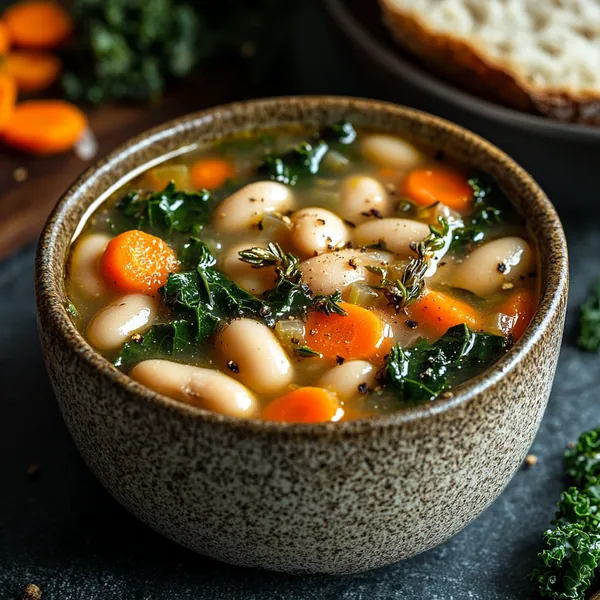
Warm, hearty, and rich in rustic flavor, Tuscan White Bean Soup is a timeless dish rooted in the humble yet soul-satisfying traditions of Italian peasant cooking, known as la cucina povera. Originating from the sun-drenched hills of Tuscany, this soup is a testament to how simple ingredients—when combined thoughtfully—can create something deeply comforting and nourishing.
At its core, Tuscan White Bean Soup relies on pantry staples like cannellini beans, garlic, onion, olive oil, and a handful of fresh herbs such as rosemary and thyme. Often simmered slowly to coax out deep, layered flavors, this soup showcases the magic of slow food and the beauty of minimalism in the kitchen.
This dish isn’t just loved for its flavor—it’s also celebrated for its nutritional value. Packed with plant-based protein, fiber, and essential vitamins, it offers a wholesome option for vegetarians and vegans, while also being adaptable for meat lovers with the addition of pancetta or sausage. It’s naturally gluten-free, filling yet light, and can easily be made in large batches for meal prep or family gatherings.
Whether you serve it as a cozy weeknight meal or a starter for a festive Italian dinner, Tuscan White Bean Soup brings both comfort and elegance to the table. In this article, we’ll explore how to make it from scratch, delicious variations to try, and tips to get that authentic Tuscan flavor at home.
Key Ingredients and Their Roles
Tuscan White Bean Soup is celebrated for its simplicity and rich, layered flavors. Each ingredient plays a distinct role in building a hearty, comforting dish that’s both nutritious and satisfying.
Cannellini Beans: These creamy white beans are the star of the soup. Known for their mild, nutty flavor and soft texture, they blend beautifully into the broth. Canned beans offer convenience, but using dried beans soaked overnight provides a deeper flavor and firmer texture.
Olive Oil: A cornerstone of Tuscan cuisine, high-quality extra virgin olive oil adds a rich, fruity base to the soup. It’s used to sauté the aromatics and finishes the soup with a silky texture.
Garlic and Onion: These classic aromatics provide the foundational flavor. Sautéed gently in olive oil, they create a savory base that infuses the soup with warmth and depth.
Fresh Herbs: Herbs like rosemary, thyme, and sage are essential to the Tuscan profile. Rosemary brings an earthy, pine-like note, while thyme and sage add subtle, woody undertones that elevate the broth.
Vegetables: Commonly used are carrots and celery, which add sweetness and crunch. Leafy greens like kale or spinach are often stirred in at the end for added nutrition and color.
Broth: A good-quality vegetable or chicken broth forms the backbone of the soup. It ties all the flavors together, making it rich and flavorful.
Optional Additions:
-
Tomatoes: Some variations include crushed tomatoes for a heartier, slightly tangy flavor.
-
Parmesan Rind: Adding a rind while simmering enhances umami and depth.
-
Lemon Zest: A touch of zest or juice adds brightness and balances the richness.
Each ingredient contributes to the harmony of textures and flavors that define this classic Tuscan dish, making it versatile, customizable, and consistently delicious.

How to Make Tuscan White Bean Soup (Step-by-Step Recipe)
Making Tuscan White Bean Soup is a straightforward process that combines a few core techniques: sautéing aromatics, simmering ingredients to build flavor, and optionally blending for texture. Here’s a detailed step-by-step guide to get that perfect, authentic taste.
Ingredients
-
2 tablespoons extra virgin olive oil
-
1 medium onion, finely chopped
-
3 garlic cloves, minced
-
2 carrots, diced
-
2 celery stalks, diced
-
1 teaspoon chopped fresh rosemary
-
1 teaspoon fresh thyme (or ½ tsp dried)
-
2 cans (15 oz) cannellini beans, drained and rinsed (or 1 cup dried, soaked overnight and cooked)
-
4 cups vegetable or chicken broth
-
1 bay leaf
-
Salt and pepper to taste
-
2 cups chopped kale or spinach
-
Optional: crushed red pepper flakes, lemon zest, parmesan rind
Instructions
1. Sauté Aromatics
In a large pot or Dutch oven, heat olive oil over medium heat. Add chopped onion and sauté until translucent (about 5 minutes). Stir in garlic, carrots, and celery. Cook for another 5–7 minutes until vegetables begin to soften.
2. Add Herbs and Beans
Stir in rosemary, thyme, and a pinch of red pepper flakes (if using). Add cannellini beans and mix well to coat them in the aromatics.
3. Pour in Broth and Simmer
Add broth and bay leaf. If using a parmesan rind, add it now. Bring to a boil, then reduce heat to low and simmer for 20–30 minutes. This allows the flavors to meld and deepen.
4. Blend (Optional)
For a creamy texture, use an immersion blender to partially puree the soup. Blend about ⅓ of the mixture, leaving the rest chunky. Alternatively, transfer a few cups to a blender, puree, then return to the pot.
5. Add Greens and Final Touches
Stir in kale or spinach and let it wilt for about 5 minutes. Remove bay leaf (and parmesan rind, if used). Taste and adjust seasoning with salt, pepper, and a squeeze of lemon juice if desired.
6. Serve
Ladle into bowls and drizzle with extra virgin olive oil. Serve with crusty bread or a simple salad.
This method delivers a soup that’s both hearty and healthy, with layers of flavor and a satisfying texture.
Variations of the Classic Recipe
One of the best aspects of Tuscan White Bean Soup is its adaptability. Whether you want to add more protein, change up the vegetables, or alter the texture, there are endless ways to make this soup your own.
Creamy White Bean Soup
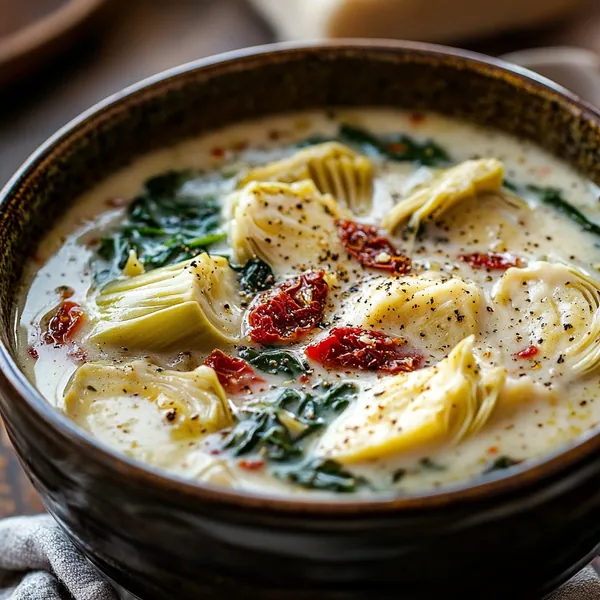
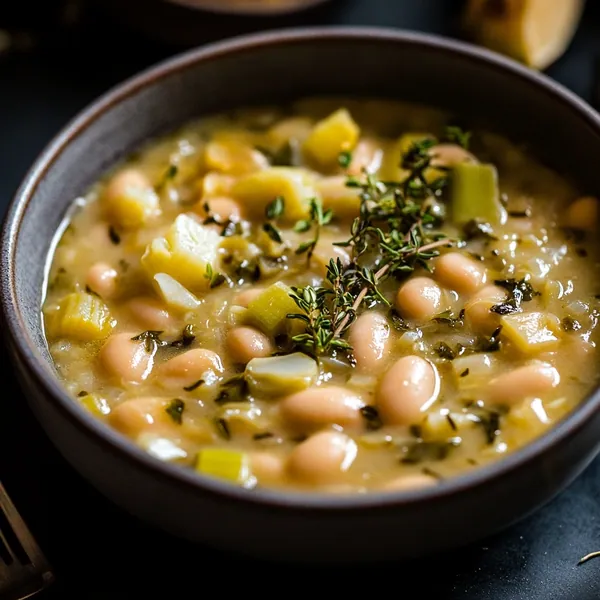
For a silkier consistency, blend all or most of the soup. A fully pureed version offers a velvety texture and makes a great base for toppings like sautéed greens, toasted croutons, or a swirl of pesto.
Vegan or Vegetarian
The base recipe is naturally vegetarian and easily made vegan by omitting the parmesan rind. Use vegetable broth and load up on seasonal veggies like zucchini or squash for added color and nutrients.
With Meat
Traditional variations often include pancetta, bacon, or Italian sausage. Sauté the meat first, then build your soup in the same pot. These additions introduce a smoky, savory element that complements the beans beautifully.
Spicy Variation
For a kick of heat, add red pepper flakes, diced jalapeño, or a drizzle of chili oil. A spicy Italian sausage also works well here.
Tomato-Based Version
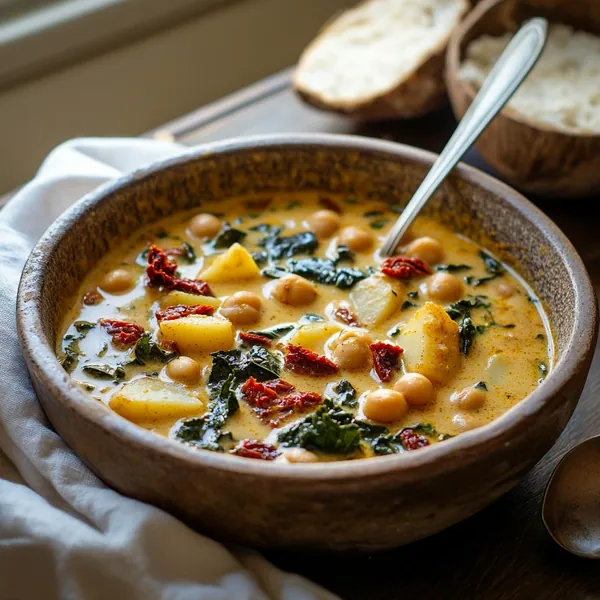
Incorporating crushed tomatoes or tomato paste adds acidity and richness. This version leans closer to a ribollita, another Tuscan classic.
Different Greens
Swap kale for Swiss chard, collard greens, or spinach depending on availability and personal preference.
Grain Additions
Add farro, barley, or small pasta to make it even more filling. These grains soak up flavor and provide a different texture.
Each variation brings something unique, making this soup a customizable staple for weeknight dinners, seasonal cooking, or dietary needs.
Nutritional Breakdown
Tuscan White Bean Soup isn’t just delicious—it’s a nutrient-dense option that fits into a variety of healthy eating plans. Here’s a closer look at its nutritional benefits and what makes it a smart meal choice.
Calories and Serving Size
A standard serving of Tuscan White Bean Soup (about 1½ cups) contains approximately 250–300 calories, depending on the ingredients used and any added toppings.
Macronutrients
-
Protein: Beans are a great plant-based protein source. One serving typically contains 12–15 grams of protein, making the soup a filling option.
-
Carbohydrates: The beans and vegetables contribute around 30–35 grams of carbs per serving, mostly complex and fiber-rich.
-
Fats: Healthy fats from olive oil add 8–10 grams of fat, mostly unsaturated, which supports heart health.
Fiber
With beans and vegetables as the core components, this soup is high in dietary fiber—about 8–10 grams per serving. Fiber supports digestion, regulates blood sugar, and helps you feel full longer.
Vitamins and Minerals
-
Iron from beans and leafy greens
-
Potassium for electrolyte balance
-
Vitamin A from carrots and greens
-
Vitamin C, especially if lemon juice is added at the end
Low in Saturated Fat
With no cream or butter, this soup is naturally low in saturated fat. It can be made with minimal sodium if using low-sodium broth.
Dietary Friendly
-
Gluten-Free (with careful broth selection)
-
Vegan/Vegetarian (depending on broth and cheese)
-
Heart-Healthy thanks to fiber, olive oil, and antioxidants
This soup combines comfort food appeal with genuine nutritional value, making it a smart choice for everyday meals.

What to Serve With Tuscan White Bean Soup
Tuscan White Bean Soup is hearty enough to stand on its own, but it also pairs beautifully with a variety of side dishes that complement its rustic, earthy flavors.
Crusty Bread or Focaccia
Nothing goes better with a warm bowl of soup than a slice of crusty bread. Traditional Italian bread like ciabatta or rosemary focaccia is perfect for dipping. Try brushing slices with olive oil and toasting them for added texture.
Simple Salads
A crisp, fresh salad balances the creaminess of the soup. An arugula salad with lemon vinaigrette or a classic Caesar salad offers contrast without overpowering the soup’s flavor. Add shaved Parmesan or toasted nuts for extra richness.
Grilled Vegetables
Roasted or grilled vegetables such as zucchini, eggplant, or bell peppers provide vibrant color and flavor. Drizzle with olive oil and a touch of balsamic for an Italian-inspired side.
Cheese Board
A small selection of Italian cheeses like pecorino, Parmigiano-Reggiano, or fresh mozzarella can make the meal feel more special. Add olives and roasted red peppers for a Tuscan-style antipasto.
Wine Pairing
If you’re serving this for a dinner gathering, pair the soup with a glass of dry white wine like Vermentino or a light red such as Chianti. The acidity and fruitiness will complement the beans and herbs beautifully.
Whether you’re preparing a quick weeknight dinner or entertaining guests, these side options will round out your meal and highlight the rustic charm of Tuscan White Bean Soup.
Storage, Freezing & Reheating Tips
Tuscan White Bean Soup stores and reheats exceptionally well, making it a convenient option for meal prep or leftover lunches. Here’s how to handle it for maximum flavor and freshness.
Refrigeration
Once the soup has cooled to room temperature, store it in an airtight container in the refrigerator. It will stay fresh for up to 4–5 days. The flavors often deepen after a day, making leftovers even tastier.
Freezing
This soup is freezer-friendly. Pour cooled soup into freezer-safe containers or zip-top bags, leaving some space at the top for expansion. Label with the date, and freeze for up to 3 months. Avoid freezing with added greens like spinach or kale, as they can become mushy. If desired, stir in fresh greens after reheating.
Reheating
To reheat from the fridge, simply warm the soup over medium heat on the stovetop, stirring occasionally until heated through. You can also microwave it in a microwave-safe container, stirring halfway through to ensure even heating.
For frozen soup, thaw overnight in the fridge or place the container in a bowl of warm water to speed up defrosting. Once thawed, reheat as usual.
Texture Tips
If the soup thickens too much during storage, stir in a splash of broth or water to reach the desired consistency. Taste and adjust seasoning after reheating, as flavors can mellow over time.
Proper storage and reheating preserve both the flavor and nutrition of the soup, making it ideal for batch cooking or freezing for future meals.
Tuscan White Bean Soup in Italian Culture
Tuscan White Bean Soup holds a special place in Italian cuisine, particularly in the central region of Tuscany, where it originates. Known locally as “zuppa di fagioli,” it exemplifies la cucina povera—the traditional cooking of rural Italy that emphasizes simple, inexpensive ingredients prepared with care and skill.
In Tuscany, beans are so central to the cuisine that locals are affectionately referred to as “mangiafagioli,” or “bean eaters.” White beans, especially cannellini, are a staple of the region, grown in abundance and used in a wide range of dishes.
This soup reflects the agricultural heritage of the area, where meals were designed to be filling and affordable. Traditionally, it would be made in large quantities, often using dried beans soaked overnight and simmered slowly with herbs, vegetables, and leftover bread or meat scraps. It was commonly prepared in terracotta pots and left to cook over the fire throughout the day.
Tuscan White Bean Soup is also closely linked to seasonal eating and family gatherings. In colder months, it provides warmth and nourishment, often served as a first course at Sunday lunch or holiday meals. Some variations, like ribollita, are made by reheating the leftover soup the next day with stale bread, creating a new and even richer dish.
Today, this soup continues to be a symbol of comfort, tradition, and Italian culinary philosophy: using what you have, wasting nothing, and letting natural flavors shine.
FAQs – Based on “People Also Ask”
Here are answers to some of the most common questions about Tuscan White Bean Soup, based on real Google search queries.
What are Tuscan white beans?
Tuscan white beans typically refer to cannellini beans, which are large white beans with a creamy texture and a mild, nutty flavor. They’re widely used in Italian cooking, especially in soups and stews.
Is Tuscan White Bean Soup healthy?
Yes, this soup is a nutrient-dense and low-fat option that’s high in fiber, plant-based protein, vitamins, and minerals. It’s ideal for vegetarians and vegans (with a few tweaks) and supports heart health and digestion.
Can you freeze white bean soup?
Absolutely. Tuscan White Bean Soup freezes well for up to 3 months. Just be sure to cool it completely before freezing and use airtight containers. Add any fresh greens like kale or spinach after reheating for the best texture.
What herbs go best in white bean soup?
Classic herbs include rosemary, thyme, and sage. These herbs pair well with the earthy flavor of the beans and add aromatic depth. Fresh or dried versions work well, depending on availability.
What makes Tuscan soup different from other bean soups?
Tuscan White Bean Soup emphasizes simplicity and freshness. Unlike chili or Southwestern-style soups, it focuses on Mediterranean flavors—olive oil, herbs, and leafy greens—rather than bold spices or meats.
How do you thicken Tuscan White Bean Soup?
You can thicken the soup by blending a portion of it, either with an immersion blender or by transferring a few cups to a regular blender and then stirring it back in. Another method is letting it simmer uncovered to reduce the liquid.
Is Tuscan White Bean Soup vegan or vegetarian?
It can easily be both. Simply use vegetable broth instead of chicken stock and skip the parmesan rind or any meat additions. The base recipe is naturally plant-based.
Can I make this in an Instant Pot or slow cooker?
Yes. Both methods work well. In a slow cooker, cook on low for 6–8 hours. In an Instant Pot, cook on high pressure for 20–25 minutes (less if using canned beans).

Tuscan White Bean Soup
This hearty and comforting Tuscan White Bean Soup is a classic Italian dish made with creamy cannellini beans, aromatic herbs, fresh vegetables, and rich olive oil. It's simple to prepare, loaded with plant-based protein and fiber, and perfect for chilly nights or easy meal prep. Serve it with crusty bread or a fresh salad for a wholesome, satisfying meal. Naturally vegetarian, and easily made vegan or gluten-free, this soup is as versatile as it is delicious.
Ingredients
- 1 pound mild Italian sausage
- 1 large yellow onion, diced (about 1 ½ cups)
- 3 ribs celery, diced
- 2 large carrots, sliced into rounds
- 2 teaspoons garlic, minced
- 1 tablespoon tomato paste
- 1 teaspoon Italian seasoning
- ½ teaspoon crushed red pepper
- ½ teaspoon ground black pepper
- 4 cups (32 ounces) chicken broth
- 2 cans (15.5 ounces each) Great Northern beans, drained and rinsed
- 2 cups (60 g) fresh baby spinach
- ½ cup (119 g) heavy whipping cream
- parsley, chopped for garnish
Instructions
- To a large Dutch oven over medium-high heat, add sausage. Cook until the sausage is browned, using a wooden spoon to break up the meat, and stir occasionally (about 10-15 minutes).
- Reduce heat to medium. Add onions, celery, and carrots. Cook until onions have softened, about 3-5 minutes. Add garlic and cook for 1 more minute.
- Add tomato paste, Italian seasoning, crushed red pepper, and black pepper. Stir to combine.
- Add chicken broth and beans. Bring to a simmer. Continue to simmer for 6-7 minutes, or until the celery and carrots have softened.
- Add heavy cream and spinach. Continue to cook until the spinach is wilted, about 5 minutes.
- Serve warm, garnished with parsley.