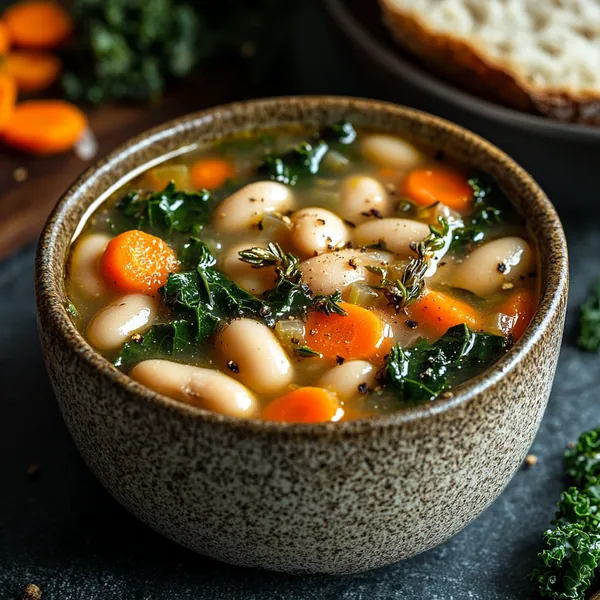
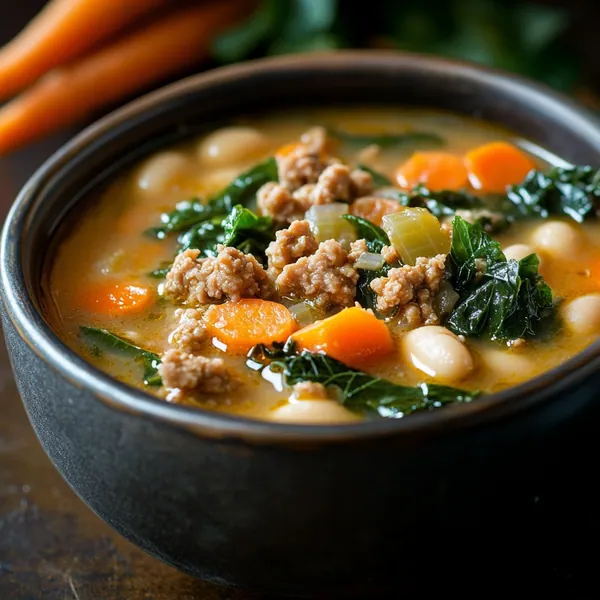
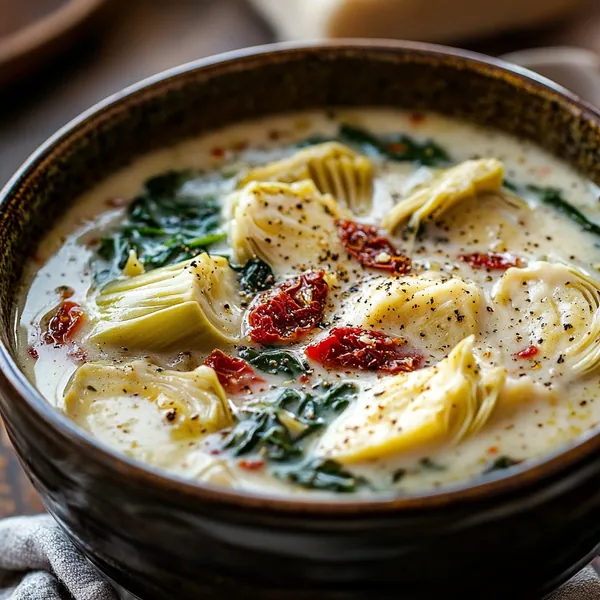
If you’re searching for a soul-warming, wholesome dish that’s both comforting and nutritious, look no further than Creamy Tuscan Chickpea Soup. Inspired by the rustic flavors of the Italian countryside, this soup brings together hearty chickpeas, fragrant herbs, and rich, velvety textures to create a satisfying meal that’s perfect for any season.
Tuscan cuisine is known for its simple, earthy ingredients that celebrate the land—olive oil, legumes, seasonal vegetables, and aromatic herbs. This soup captures that essence, transforming pantry staples into a creamy, flavorful bowl that feels both cozy and elegant. Whether you’re enjoying it on a chilly winter evening or as a light lunch with crusty bread, it delivers big flavor without the fuss.
What sets this soup apart is its creamy base, which can be achieved with traditional dairy, or plant-based alternatives like coconut milk or blended cashews, making it an easy favorite among vegans and vegetarians. The chickpeas offer a boost of plant-based protein and fiber, while rosemary, thyme, and garlic infuse the broth with that unmistakable Tuscan aroma.
Perfect for meal prepping, freezing, or impressing dinner guests, creamy Tuscan chickpea soup is as versatile as it is delicious. And best of all? It’s incredibly easy to make. Whether you’re a seasoned home cook or just starting your culinary journey, this recipe promises comforting results with minimal effort.
Ready to bring a taste of Tuscany into your kitchen? Let’s dive into this simple yet luxurious dish that’s sure to become a staple in your recipe rotation.
What is Tuscan Chickpea Soup?
Tuscan Chickpea Soup, known in Italy as Zuppa di Ceci, is a traditional dish rooted in the rustic kitchens of Tuscany, where simple ingredients are transformed into deeply flavorful meals. It’s a hearty, comforting soup made primarily from chickpeas, aromatics, and Tuscan herbs, simmered together to create a satisfying and nourishing dish that has stood the test of time.
At its core, the soup reflects the principles of Tuscan cuisine—minimalist yet rich in flavor, relying on high-quality, seasonal ingredients. Chickpeas (ceci) have been a staple in the region for centuries, valued for their affordability, nutrition, and versatility. In traditional recipes, chickpeas are soaked and slow-simmered with garlic, onion, rosemary, and extra virgin olive oil to bring out their nutty flavor and creamy texture.
What makes modern versions of Tuscan chickpea soup stand out is the creamy twist—achieved either by blending a portion of the soup, adding cream, or incorporating coconut milk or pureed cashews for a dairy-free version. This results in a velvety, rich texture that elevates the humble soup into a gourmet experience.
While some versions include tomato paste or crushed tomatoes for added depth, others stick to a pale, creamy broth, especially in vegan or minimalist renditions. Optional add-ins like spinach, kale, or sun-dried tomatoes provide both color and a nutritional boost.
Whether served as a first course (primo piatto) or a light main dish, Tuscan chickpea soup is a beautiful expression of Italian home cooking—simple, wholesome, and full of soul.
Key Ingredients Breakdown
Crafting the perfect creamy Tuscan chickpea soup starts with understanding the key ingredients that define its flavor, texture, and nutritional value. Each element plays a vital role in building the soup’s rustic yet luxurious character.
Chickpeas – The heart of the soup. You can use either canned chickpeas for convenience or dried chickpeas that are soaked and cooked for a more authentic texture and deeper flavor. Chickpeas add a creamy consistency and are packed with protein and fiber.
Aromatics – Onion, garlic, and celery are the foundational flavors. These are typically sautéed in olive oil to form a rich base, infusing the soup with savory depth.
Tuscan Herbs – Rosemary, thyme, and sage are traditionally used in Tuscan cooking. These herbs provide the earthy, aromatic signature that defines this regional soup.
Broth – A good-quality vegetable broth adds complexity. You can also use chicken broth if not making a vegan version.
Olive Oil – Extra virgin olive oil is essential in Tuscan cuisine. It enriches the soup and adds a slightly peppery finish.
Creamy Elements – For creaminess, options include heavy cream, coconut milk, or blended cashews. Each offers a slightly different texture and flavor, catering to both traditional and vegan preferences.
Greens (Optional) – Spinach or Tuscan kale adds color, nutrients, and a nice textural contrast.
Acidity and Umami – A splash of lemon juice or a touch of balsamic vinegar brightens the soup. Grated Parmesan or nutritional yeast can add depth, depending on dietary needs.
Each ingredient brings something unique to the dish, and together they create a balanced, flavorful soup that’s both comforting and nourishing.

Step-by-Step Recipe Instructions
This creamy Tuscan chickpea soup is simple to make and perfect for both weeknight dinners and slow weekend meals. Follow these step-by-step instructions for a flavorful, velvety soup every time.
1. Prepare Ingredients
-
If using dried chickpeas, soak overnight and cook until tender. If using canned, rinse and drain well.
-
Dice onion, mince garlic, chop celery, and measure out herbs and broth.
2. Sauté Aromatics
-
In a large soup pot or Dutch oven, heat 2–3 tablespoons of olive oil over medium heat.
-
Add chopped onion, celery, and a pinch of salt. Sauté for 5–7 minutes until soft and translucent.
-
Stir in garlic and cook for 1–2 more minutes until fragrant.
3. Add Chickpeas and Herbs
-
Add chickpeas to the pot along with rosemary, thyme, and sage.
-
Stir to combine and cook for another 2–3 minutes to let the flavors blend.
4. Add Broth and Simmer
-
Pour in vegetable broth (about 4–5 cups) and bring the soup to a boil.
-
Reduce heat to low, cover, and simmer for 20–25 minutes to allow flavors to meld.
5. Blend for Creaminess
-
Use an immersion blender to blend about half the soup directly in the pot, or transfer a portion to a blender and puree until smooth.
-
Return blended portion to the pot and stir. This creates a creamy texture while keeping some chunks intact.
6. Stir in Creamy Element
-
Add ½ cup of coconut milk, cream, or cashew cream. Stir well and let it simmer another 5 minutes.
7. Finish with Greens and Seasoning
-
Add spinach or kale and stir until wilted.
-
Taste and adjust seasoning with salt, pepper, and a splash of lemon juice or vinegar.
8. Serve Hot
-
Drizzle with extra virgin olive oil and top with fresh herbs or grated cheese if desired.
-
Serve with crusty bread or over rice for a heartier option.
Variations of the Recipe
One of the best things about creamy Tuscan chickpea soup is how easily it can be customized to suit different tastes and dietary needs. Here are some of the most popular and delicious variations:
1. Vegan and Dairy-Free Version
Replace traditional cream with full-fat coconut milk or homemade cashew cream. Nutritional yeast can be used to mimic the savory depth of Parmesan cheese. Vegetable broth keeps it fully plant-based.
2. Gluten-Free Option
This soup is naturally gluten-free if made without pasta or wheat-based thickeners. Always check the labels on your broth to ensure it’s certified gluten-free. Serve with gluten-free bread or rice.
3. Spicy Tuscan Chickpea Soup
Add a pinch of red pepper flakes, chopped chili, or a swirl of harissa to give the soup a bold kick. This version pairs well with a squeeze of lemon and fresh parsley for balance.
4. Tomato-Based Variation
For a richer, more stew-like texture, stir in 1 to 2 tablespoons of tomato paste or a half-cup of crushed tomatoes before simmering. This adds depth and a touch of acidity.
5. Slow Cooker or Instant Pot
For a hands-off approach, sauté aromatics separately and then combine everything in a slow cooker or pressure cooker. Let it cook on low for 6–8 hours, or use the pressure cook function for 15 minutes.
6. Roasted Red Pepper Twist
Blending roasted red peppers into the creamy base adds a smoky sweetness and vibrant color. Combine with basil or oregano for an Italian-inspired flavor variation.
These adaptations allow you to enjoy the base recipe in new and creative ways while staying true to its comforting Tuscan roots.
Nutritional Benefits of Chickpeas and Soup Ingredients
Creamy Tuscan chickpea soup is not only satisfying and flavorful, but it’s also packed with nutritional value. The combination of legumes, vegetables, herbs, and healthy fats creates a nutrient-dense meal ideal for a variety of diets, including plant-based and gluten-free.
Chickpeas are the star of the soup, offering an impressive amount of plant-based protein—roughly 15 grams per cup—along with 12 grams of dietary fiber. This makes the soup highly satiating, supporting digestive health and helping to regulate blood sugar levels.
Olive oil, particularly extra virgin, contributes heart-healthy monounsaturated fats. It also contains antioxidants like vitamin E and polyphenols, which have anti-inflammatory properties.
Aromatics such as onion, garlic, and celery provide antioxidants and phytonutrients that support immune function and overall health. Garlic in particular has been linked to cardiovascular benefits and natural antibacterial properties.
Leafy greens, when added, boost the soup’s vitamin and mineral profile. Kale and spinach are rich in vitamins A, C, and K, as well as iron and calcium.
Herbs like rosemary, thyme, and sage are more than just flavor enhancers—they contain powerful plant compounds with antimicrobial and anti-inflammatory effects.
For those using coconut milk or cashews in place of cream, the soup gains additional healthy fats and minerals like magnesium and potassium, making it a balanced, whole-food option.
Altogether, creamy Tuscan chickpea soup is a well-rounded dish that fits into a wide range of healthy eating plans, including vegan, Mediterranean, and heart-healthy diets.

Serving Suggestions & Pairings
Creamy Tuscan chickpea soup is versatile enough to be served as a cozy main dish or a flavorful starter. To elevate your meal, pair it with complementary sides and beverages that enhance the soup’s rustic charm.
Bread is a classic companion. Serve the soup with thick slices of toasted sourdough, rosemary focaccia, or crusty Italian bread. The bread is perfect for dipping and sopping up every last bit of the creamy broth.
For a lighter meal, pair the soup with a crisp salad. A simple arugula salad with lemon vinaigrette or a Tuscan white bean salad provides a refreshing contrast to the creamy texture of the soup.
Grains like farro, quinoa, or rice can also be served underneath or on the side, turning the soup into a more substantial, protein-rich entrée.
If you’re planning a full-course meal, consider starting with a bruschetta appetizer or following the soup with a roasted vegetable platter or stuffed bell peppers.
Wine pairings can elevate the experience even further. A dry white wine such as Pinot Grigio or Sauvignon Blanc balances the richness of the soup. For red wine lovers, a medium-bodied Chianti or Sangiovese pairs well with the herbal notes.
To keep it non-alcoholic, herbal teas like chamomile or a citrus-infused sparkling water offer a pleasant complement.
Whether served solo or as part of a larger spread, creamy Tuscan chickpea soup is a comforting, flavorful centerpiece that brings the warmth of the Italian countryside to your table.
Storing and Reheating Tips
One of the benefits of creamy Tuscan chickpea soup is how well it stores and reheats, making it ideal for meal prep or enjoying leftovers throughout the week.
Refrigeration: Store leftover soup in an airtight container in the refrigerator for up to 4 to 5 days. Allow the soup to cool completely before sealing and refrigerating to maintain freshness and avoid condensation buildup.
Freezing: This soup freezes well, especially if you hold off on adding greens like spinach or kale until reheating. Freeze in individual portions using freezer-safe containers or resealable bags. Leave some space at the top of the container, as the soup will expand when frozen. It will keep well in the freezer for up to 3 months.
Reheating: When ready to enjoy, thaw frozen soup overnight in the fridge or gently warm from frozen on the stovetop over low heat. Stir occasionally to prevent sticking. If the soup thickens too much during storage, add a splash of water, broth, or coconut milk to adjust the consistency.
Avoid reheating in a microwave at high heat, as it can separate the creamy components and affect texture. Instead, use a lower setting and stir halfway through heating.
If your soup contains added pasta or greens, these may break down slightly after freezing or multiple reheatings. To preserve texture, consider adding them fresh when reheating.
With proper storage and care, this soup retains its flavor and creaminess beautifully, making it a convenient and nourishing option for busy days.
Common Mistakes to Avoid When Making Chickpea Soup
Even simple recipes like creamy Tuscan chickpea soup can go off track without a few key considerations. Avoiding these common mistakes will ensure a smooth, flavorful result every time.
1. Over-blending the soup: While blending part of the soup creates creaminess, blending the entire batch can lead to a heavy, overly thick texture. Aim for balance by blending only half or a third of the soup.
2. Not seasoning in layers: Adding all the salt at the end can result in a flat flavor. Season each component—aromatics, chickpeas, and broth—as you go to develop depth and complexity.
3. Skipping aromatics: Onion, garlic, and celery form the backbone of the soup’s flavor. Skipping or rushing through this step results in a bland base. Take time to sauté them until they’re soft and fragrant.
4. Using undercooked or unsoaked dried chickpeas: If using dried chickpeas, soak them overnight and cook them until tender before adding to the soup. Undercooked legumes won’t break down properly and can remain tough.
5. Choosing low-quality broth: The broth carries the flavor of the soup, so opt for a rich, flavorful vegetable or chicken broth. Homemade or high-quality store-bought options work best.
6. Not balancing the creaminess: Adding too much cream, coconut milk, or cashew cream can overpower the natural flavors. Start with a small amount and adjust to your taste.
Avoiding these missteps will help you create a consistently delicious and beautifully textured Tuscan chickpea soup every time.
FAQs – Based on “People Also Ask”
Here are answers to the most frequently asked questions about creamy Tuscan chickpea soup, drawn from Google’s “People Also Ask” section.
Is Tuscan chickpea soup healthy?
Yes, Tuscan chickpea soup is highly nutritious. It’s rich in plant-based protein, fiber, and essential vitamins and minerals. By using healthy fats like olive oil and incorporating greens, it becomes a balanced, heart-healthy meal suitable for various diets.
Can I use canned chickpeas instead of dried?
Absolutely. Canned chickpeas are a convenient alternative and work well in this recipe. Just be sure to rinse and drain them thoroughly to reduce sodium and improve flavor. If using dried chickpeas, soak them overnight and cook until soft before adding to the soup.
How do I make chickpea soup creamier?
To increase creaminess, blend a portion of the soup with an immersion blender or in a high-speed blender. You can also stir in coconut milk, heavy cream, or cashew cream. For extra richness, add a spoonful of tahini or a handful of soaked and blended cashews.
Can I freeze Tuscan chickpea soup?
Yes, this soup freezes very well. Let it cool completely before freezing, and store it in airtight, freezer-safe containers. It’s best to freeze without delicate add-ins like spinach or pasta, which can be added when reheating for better texture.
What can I substitute for cream to make it vegan?
You can use full-fat coconut milk, almond milk, or a homemade cashew cream to achieve a creamy texture without dairy. Nutritional yeast also adds a cheesy, umami-rich flavor that mimics Parmesan.

Creamy Tuscan Chickpea Soup
This Creamy Tuscan Chickpea Soup is a comforting, hearty, and nourishing bowl inspired by the rustic flavors of the Italian countryside. Made with chickpeas, fresh herbs, and a creamy base of your choice (dairy or plant-based), it’s an easy one-pot meal that’s naturally gluten-free and can be made vegan. Perfect for meal prep or a cozy weeknight dinner, this soup delivers rich, savory flavor with minimal effort and pantry-friendly ingredients. Serve it with crusty bread or a light salad for a complete and satisfying meal.
Ingredients
- 1 tablespoon olive oil
- 1 medium onion, diced
- 2 medium carrots, diced
- 3-4 celery stalks, diced
- 2 large garlic cloves, finely chopped
- ½ tablespoon Italian seasoning
- ¼ teaspoon red chili flakes
- 2 tablespoons tomato paste
- 2 cans (14 oz / 400 g) chickpeas, drained and rinsed
- ½ lb (225 g) potatoes, peeled and cubed
- 5 cups (1.25 liter) vegetable stock
- 1 cup (250 ml) coconut cream
- ½ cup (30 g) sundried tomatoes
- 2 cups (75 g) black kale (cavolo nero)
- Salt and freshly ground black pepper to taste
Instructions
- Heat the olive oil in a large pot over medium heat. Add the onion, carrots, and celery. Cook for 5-7 minutes until the vegetables are softened and the onion is translucent.
- Add the garlic, Italian seasoning, and red chili flakes and cook for another minute.
- Stir in the tomato paste, and then add the chickpeas, potatoes, and vegetable stock. Bring to a boil, then reduce the heat and simmer for 10-15 minutes or until the potatoes are tender.
- If you want your soup to be creamier, remove a portion of the soup and blend until smooth, then return it to the pot.
- Stir in the coconut cream, sundried toamtoes and black kale. Simmer for another 3-5 minutes or until the kale is wilted.
- Adjust the seasoning to taste and serve hot with a chunk of your favorite crusty bread.