Sweet and Spicy Garlic Steak Pasta

Hamza

No Comments

Flavor Nest

Daily Delicious Creations 👩‍🍳


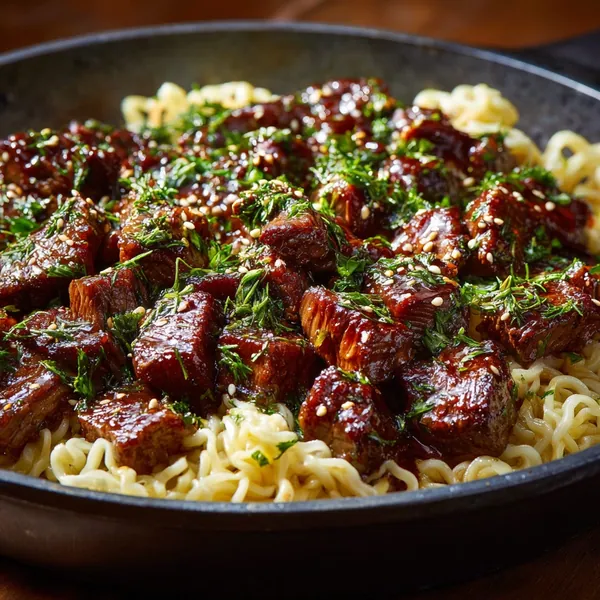
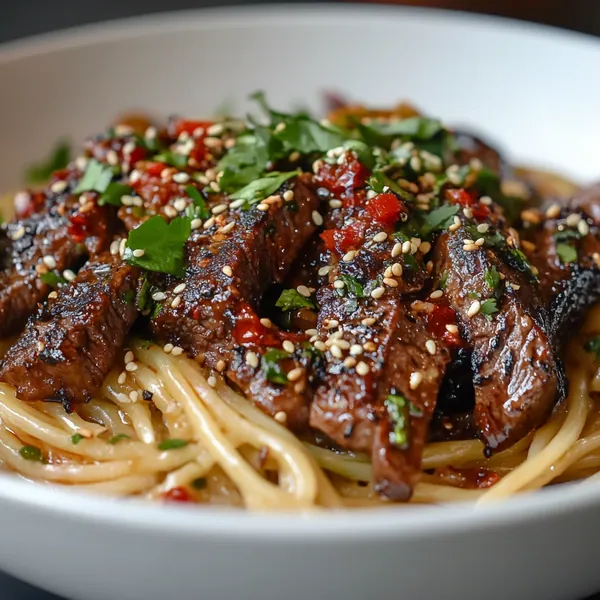
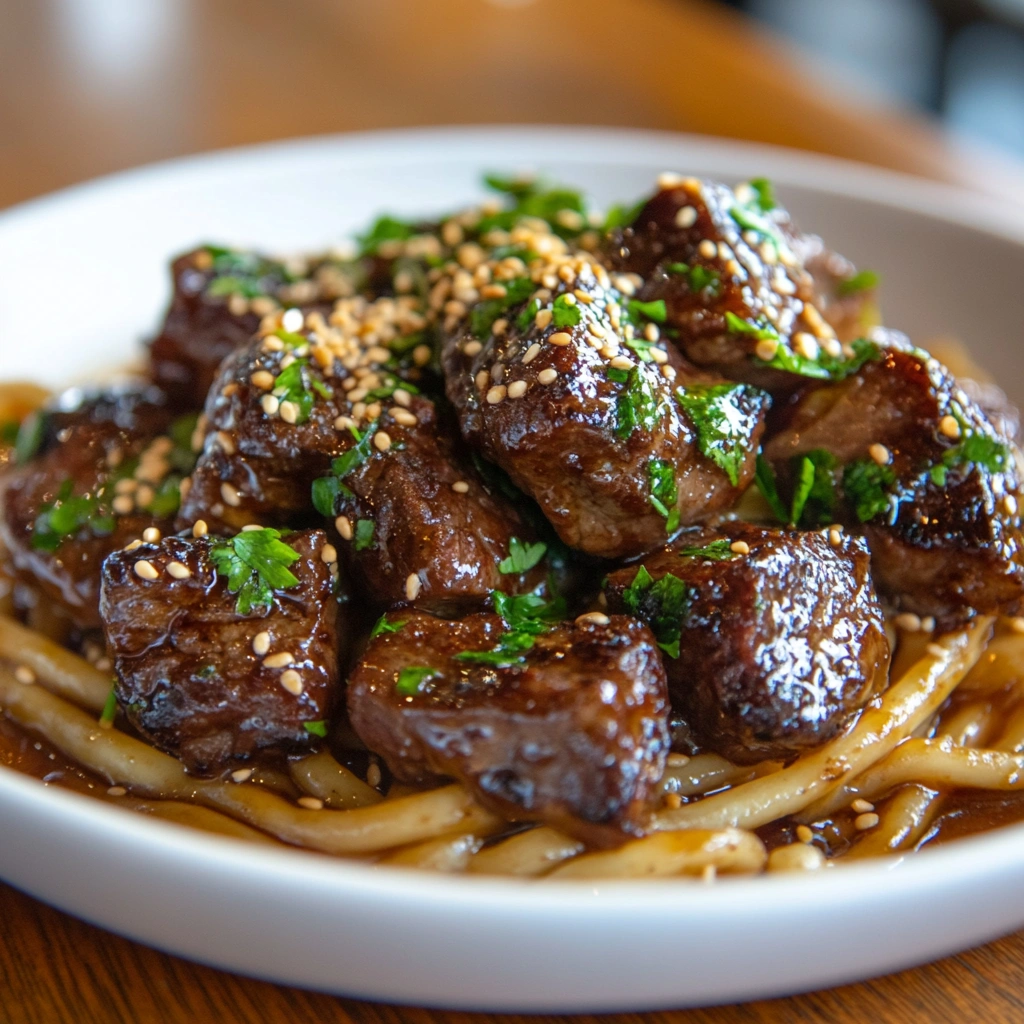
Sweet and spicy garlic steak pasta is the ultimate fusion of bold flavors and comforting textures. Imagine tender slices of perfectly seared steak nestled among al dente ribbons of pasta, all coated in a sauce that balances the warmth of chili flakes with the sweetness of brown sugar and honey. This dish delivers an umami-rich garlic punch that elevates every bite, making it an ideal centerpiece for weeknight dinners or weekend gatherings. In this article, you’ll discover how to select and marinate the best cut of beef, cook pasta to the ideal firmness, and craft a silky sauce that brings everything together. You’ll also learn tips for timing and technique—so your steak never overcooks and your pasta never sticks—plus suggestions for substitutions and variations. By the end, you’ll have a step-by-step roadmap to create a restaurant-quality sweet and spicy garlic steak pasta in your own kitchen.

Ingredients at a Glance

  • Steak & Marinade: 1 lb flank or sirloin steak, ⅓ cup soy sauce, 2 tablespoons brown sugar, 1 tablespoon honey, 1 tablespoon chili flakes (adjust to taste), 4 cloves garlic (minced), 2 tablespoons vegetable oil.

  • Pasta: 8 oz fettuccine, linguine, or pappardelle; 1 tablespoon kosher salt for boiling water; 2 tablespoons reserved pasta water.

  • Garlic Sauce Base: 3 tablespoons unsalted butter or olive oil, 4 cloves garlic (thinly sliced), ½ cup chicken or vegetable stock (or dry white wine), fresh parsley or green onions for garnish.

  • Optional Garnishes & Add-Ins: Toasted sesame seeds, red pepper flakes, shaved Parmesan, a squeeze of lime, or chopped cilantro for a zesty twist.

Equipment and Prep

You will need a large pot for boiling pasta, a heavy-bottomed skillet or grill pan for the steak, mixing bowls for the marinade, tongs, a sharp chef’s knife, and a cutting board. Pre-measure ingredients, mince and slice garlic, and bring steak to room temperature before marinating.

Step 1: Preparing and Marinating the Steak

Begin by choosing a well-marbled cut such as flank, sirloin, or ribeye; these cuts deliver both flavor and tenderness. Pat the steak dry with paper towels to ensure the marinade adheres properly. In a bowl, whisk together soy sauce, brown sugar, honey, minced garlic, chili flakes, and vegetable oil until the sugar dissolves and the consistency is syrupy. Place the steak in a resealable plastic bag or shallow dish, pour the marinade over it, and massage gently to coat evenly. Seal and refrigerate for at least 30 minutes; for deeper flavor, marinate up to overnight. If time is short, aim for a minimum of 30 minutes to allow the salt and sugar to penetrate the meat fibers. Remove the steak from the fridge 15 minutes before cooking so it returns closer to room temperature—this promotes even searing. Reserve any leftover marinade to deglaze the pan later for extra sauce depth.

Step 2: Cooking the Pasta to Perfection

While the steak marinates, fill a large pot with water, bring to a rolling boil, and add kosher salt—aim for water that tastes like the sea to season the pasta from within. Add your chosen pasta and stir immediately to prevent sticking. Cook according to package directions until just al dente—firm to the bite but cooked through—usually one minute less than the recommended time. Before draining, scoop out about ½ cup of pasta water and set aside; its starchy richness will help bind your sauce. Drain the pasta quickly in a colander and return it to the hot pot. Toss with a drizzle of olive oil or a knob of butter to keep strands separate and prevent cooling while you finish the sauce and sear the steak. Having the pasta hot and lightly coated ensures it will absorb and cling to your sweet, spicy garlic sauce perfectly.


Step 3: Searing and Resting the Steak

Preheat a heavy skillet or grill pan over high heat until it’s smoking hot—this ensures a deep, caramelized crust. Pat the steak dry once more to remove excess marinade (reserve the marinade for later), then add a thin film of neutral oil to the pan. Lay the steak away from you to avoid splatter and sear each side for 3–4 minutes, depending on thickness and desired doneness: aim for 130°F (54°C) internal for medium-rare, 140°F (60°C) for medium. If your cut is thicker than 1¼ inches, sear the edges briefly with tongs to render fat. Resist the urge to move the steak while searing; undisturbed contact yields better browning. Once the steak reaches your target temperature, transfer it to a cutting board and tent loosely with foil. Rest for 8–10 minutes so juices redistribute back into the fibers—this step is crucial for tender, juicy slices. While resting, the steak’s carryover cooking will raise its internal temperature by about 5°F (3°C), so plan your sear time accordingly.

Step 4: Crafting the Sweet & Spicy Garlic Sauce

With the steak resting, reduce heat to medium and return the skillet to the stovetop. Melt 2 tablespoons of butter or warm 1 tablespoon of oil, then add thinly sliced garlic and sauté for 30–45 seconds until fragrant but not browned. Pour in the reserved marinade and ½ cup of chicken stock or dry white wine to deglaze, scraping up all browned bits with a wooden spoon—these flavorful fond pieces form the backbone of your sauce. Stir in 1–2 tablespoons of honey or brown sugar and ½ teaspoon of chili flakes; taste as you go and adjust sweetness or heat to your preference. Allow the sauce to simmer for 2–3 minutes until slightly reduced and glossy. To achieve a silky texture, whisk in a splash (2–4 tablespoons) of reserved pasta water, which adds natural starch for body and helps the sauce cling to noodles. Finish with a pinch of salt and cracked black pepper, then remove from heat. If you like a fresh herbal note, stir in chopped parsley or green onions just before tossing. Your sauce should coat the back of a spoon and cling beautifully to pasta.

Step 5: Bringing It All Together

Slice the rested steak thinly against the grain to maximize tenderness. Return the drained pasta to its pot or to a large mixing bowl, then pour the hot garlic sauce over it. Toss vigorously so every strand is coated and warmed through. Gently fold in the steak slices, distributing them evenly. If the sauce seems too thick, add another tablespoon of pasta water until you reach the desired consistency. Taste and adjust seasoning—sometimes a final pinch of salt or crack of black pepper is all it needs. Transfer to warmed plates or a family-style platter for serving.

Variations & Substitutions

For a lighter protein, swap steak for chicken thighs or shrimp: adjust searing time to 4–5 minutes per side for chicken, 1–2 minutes per side for shrimp. To cater to vegetarians, replace steak with firm tofu or seitan, pressing and marinating the same way, then pan-frying until golden. If you prefer a different heat profile, substitute chili flakes with smoked paprika, fresh sliced chilies, or a dollop of chipotle in adobo—each yields a unique smoky-spicy depth. Gluten-free diners can use brown-rice or chickpea pasta; these may require slightly longer cooking and extra sauce to bind. For a low-carb twist, serve the sauce and steak over zucchini noodles or spiralized sweet potato. To make it dairy-free, omit butter and use olive oil; for a richer vegan sauce, stir in a tablespoon of nut butter or coconut cream. Finally, swap honey for maple syrup to accommodate vegan diets and introduce a subtle, earthy sweetness.

Serving Suggestions & Plating

Pile pasta and steak on warm plates or a shallow bowl, allowing the sauce to pool attractively at the base. Garnish with finely chopped parsley or green onions for color contrast, and sprinkle toasted sesame seeds or crushed red pepper flakes for texture and visual appeal. Offer lemon wedges on the side to brighten each bite. Pair with a crisp green salad dressed in a tangy vinaigrette to cut through the richness, or serve garlic-butter bread for soaking up extra sauce. For beverages, a chilled glass of Sauvignon Blanc complements the heat and sweetness, while a medium-bodied red like Malbec echoes the steak’s robust flavors.

Nutrition & Health Considerations

A typical serving (about 1½ cups pasta plus 4 oz steak) delivers roughly 600–700 calories, with 30–35g protein, 70–80g carbohydrates, and 20–25g fat. To reduce calories, choose leaner steak cuts like top sirloin or flank and use olive oil instead of butter. Swap half the pasta for spiralized vegetables to lower carbs and increase fiber. For sodium-sensitive eaters, reduce soy sauce by half and replace with low-sodium tamari or coconut aminos. To boost micronutrients, stir in wilted spinach or steamed broccoli when tossing the pasta. Those with gluten allergies can use certified gluten-free pasta, while dairy-free diners should confirm butter substitutes are allergy-safe. Always read labels on bottled sauces and condiments to avoid hidden sugars or allergens.

Troubleshooting & Expert Tips

If your sauce tastes flat, stir in a squeeze of fresh lemon or a splash of vinegar to brighten it. To fix overcooked steak, slice thinly and serve in smaller pieces within the pasta—this masks dryness. If the pasta cools too quickly, reheat briefly in the skillet with a tablespoon of water, tossing constantly. Always reserve pasta water; it’s the secret to a cohesive sauce.

FAQs

Can I make this ahead? Yes—prepare the steak and sauce up to one day in advance. Reheat gently on low heat, adding a splash of water to revive the sauce.
What’s the best way to reheat without drying out the steak? Warm in a covered skillet with low heat, adding a teaspoon of butter or oil and a tablespoon of water to steam.
How do I control the heat level? Adjust chili flakes or substitute with milder paprika; for more kick, finish with a drizzle of sriracha.
Can I use jarred garlic sauce instead? While convenient, homemade sauce allows better balance of sweetness and spice—jarred versions may be too salty or lack depth.
Is there a dairy-free option for the sauce? Absolutely—use olive oil instead of butter, or stir in coconut cream for richness without dairy.

Leave a Comment

Recipe rating