In this article
- Introduction to Sourdough Discard Sandwich Bread
- What is Sourdough Discard?
- Why Make Sourdough Discard Sandwich Bread?
- Tools & Equipment Needed
- Step-by-Step Sourdough Discard Sandwich Bread Recipe
- Tips for the Best Sourdough Discard Sandwich Bread
- Variations & Flavor Enhancements
- Common Mistakes & Troubleshooting
- FAQs About Sourdough Discard Sandwich Bread
Introduction to Sourdough Discard Sandwich Bread
Sourdough discard sandwich bread is a delicious and practical way to use leftover sourdough starter while creating a soft, fluffy loaf perfect for sandwiches. Unlike traditional sourdough bread, which relies solely on wild yeast and long fermentation, this recipe combines sourdough discard with commercial yeast to create a faster, more predictable rise.
One of the biggest appeals of this bread is its balance of texture and flavor. It has a tender crumb, slightly chewy crust, and a mild tang from the discard—making it a great alternative to store-bought sandwich bread. Since it’s enriched with ingredients like butter, milk, or honey, it stays fresh longer and has a richer taste compared to standard white bread.
Many home bakers struggle with what to do with excess sourdough discard when maintaining a starter. Rather than throwing it away, incorporating discard into recipes like this reduces waste and adds complexity to baked goods. This sandwich bread is an excellent beginner-friendly option because it doesn’t require long fermentation or advanced sourdough techniques.
Another benefit of sourdough discard sandwich bread is its versatility. You can use it for sandwiches, toast, French toast, or even as a base for garlic bread. The dough can also be customized with mix-ins like seeds, herbs, or whole wheat flour for added nutrition.
In this article, we’ll explore what sourdough discard is, why it makes a great ingredient for sandwich bread, and how to successfully bake a soft and flavorful loaf at home. Whether you’re an experienced sourdough baker looking for new ways to use discard or a beginner wanting to bake homemade bread with minimal effort, this recipe is a fantastic option.
What is Sourdough Discard?
Sourdough discard is the portion of a sourdough starter that is removed before feeding it with fresh flour and water. This process helps maintain a manageable starter size and ensures that the wild yeast and bacteria in the starter remain active and healthy. While it might seem wasteful to discard part of the starter, this practice is essential for maintaining a strong and well-balanced sourdough culture.
Discard is essentially an unfed, inactive portion of the sourdough starter. Since it hasn’t been recently fed, it doesn’t have the same leavening power as an active starter, meaning it won’t help dough rise on its own. However, it still contains beneficial organic acids, mild sourdough flavor, and fermentation byproducts that can enhance baked goods.
Many people mistakenly believe that sourdough discard is unusable, but in reality, it’s an incredibly versatile ingredient. It can be used in a variety of recipes, including pancakes, waffles, crackers, biscuits, and, of course, sandwich bread. Because it retains the tangy depth of sourdough without requiring long fermentation, it adds a unique character to recipes without the extended wait time of traditional sourdough baking.
The texture and flavor of sourdough discard can vary depending on how long it has been sitting. Fresh discard (from a recently fed starter) has a milder taste, while older discard may be more acidic. Both can be used in baking, though older discard may require adjustments to balance the acidity in certain recipes.
By incorporating sourdough discard into sandwich bread, you not only reduce food waste but also enhance the bread’s flavor and texture. It’s an easy way to get some of the benefits of sourdough without committing to the long fermentation process required for traditional loaves.

Why Make Sourdough Discard Sandwich Bread?
There are several reasons why making sourdough discard sandwich bread is a great choice for home bakers. From reducing food waste to creating a delicious, homemade loaf with minimal effort, this recipe offers numerous benefits.
1. Reducing Food Waste
One of the main reasons bakers look for discard recipes is to avoid throwing away part of their sourdough starter. Since a healthy sourdough starter requires regular feedings, excess starter accumulates quickly. Rather than wasting it, using discard in sandwich bread transforms it into a valuable ingredient.
2. Easy and Beginner-Friendly
Unlike traditional sourdough bread, which requires long fermentation and careful handling, this sandwich bread is much more forgiving. Because it relies on commercial yeast for leavening, it rises predictably and doesn’t require extensive kneading or precise fermentation timing. This makes it an excellent choice for beginners who may not be ready to tackle a fully wild-yeast sourdough loaf.
3. Soft, Tender Crumb – Perfect for Sandwiches
Many sourdough loaves have a chewy crust and open crumb structure, which aren’t ideal for sandwiches. This recipe, however, creates a softer, more uniform crumb with a slight tang—perfect for sandwiches, toast, and other everyday uses.
4. Shorter Rise Time
Because this bread uses commercial yeast along with sourdough discard, it rises much faster than a traditional sourdough loaf. Instead of waiting 12-24 hours for fermentation, you can bake this bread in just a few hours.
5. More Digestible than Regular Bread
While this bread doesn’t undergo full sourdough fermentation, the presence of sourdough discard still provides some digestive benefits. The organic acids in the discard help break down gluten slightly, making the bread easier to digest than standard white bread.
6. Customizable and Versatile
This dough can easily be adapted with add-ins like whole wheat flour, seeds, honey, or herbs for different flavors and textures. Whether you want a slightly sweet honey-oat version or a heartier whole grain loaf, this recipe is highly adaptable.
By making sourdough discard sandwich bread, you get all the benefits of homemade bread—better flavor, texture, and nutrition—without the long wait of traditional sourdough baking.
Tools & Equipment Needed
To successfully bake sourdough discard sandwich bread, having the right tools and equipment will make the process easier and more efficient. Here’s what you’ll need:
1. Mixing Bowls
A large mixing bowl is essential for combining ingredients and kneading the dough. If using a stand mixer, the mixer’s bowl will work as well.
2. Stand Mixer (Optional but Helpful)
While you can knead the dough by hand, a stand mixer with a dough hook attachment makes the process much easier, especially for beginners.
3. Loaf Pan
A standard 9×5-inch loaf pan is ideal for shaping and baking sandwich bread. If using a smaller pan, the loaf may rise higher and take slightly longer to bake.
4. Dough Scraper
A bench scraper or dough scraper helps handle sticky dough, making it easier to shape and transfer.
5. Kitchen Scale
Measuring ingredients by weight ensures accuracy, especially for flour, which can be tricky to measure by volume.
6. Measuring Cups and Spoons
For measuring liquid and smaller ingredients like salt, yeast, and honey.
7. Thermometer
An instant-read thermometer helps check when the bread is fully baked (ideal internal temperature: 190-200°F or 88-93°C).
8. Wire Rack
Cooling the bread on a wire rack prevents it from becoming soggy by allowing steam to escape.
9. Pastry Brush (Optional)
If using an egg wash or butter glaze for a golden crust, a pastry brush will help apply it evenly.

Step-by-Step Sourdough Discard Sandwich Bread Recipe
Making sourdough discard sandwich bread is a straightforward process. By combining sourdough discard with commercial yeast, you get the benefits of sourdough flavor without the long fermentation time. Here’s a step-by-step guide to making a soft, fluffy, and flavorful loaf.
Ingredients:
- ½ cup (120g) sourdough discard (unfed)
- 3 ½ cups (420g) all-purpose or bread flour
- 2 ¼ teaspoons (1 packet) instant or active dry yeast
- 1 cup (240ml) warm milk or water (about 110°F/43°C)
- 2 tablespoons (30g) butter or oil
- 2 tablespoons (30g) honey or sugar
- 1 ½ teaspoons (9g) salt
1. Mixing the Dough
- In a large mixing bowl or stand mixer, combine the warm milk/water, yeast, and honey. Let sit for 5 minutes until frothy.
- Add the sourdough discard, melted butter, and salt. Stir to combine.
- Gradually add the flour, one cup at a time, mixing until a rough dough forms.
2. Kneading the Dough
- Knead the dough for about 8-10 minutes by hand or 5-7 minutes in a stand mixer with a dough hook. The dough should be smooth and slightly tacky but not sticky.
- If the dough is too dry, add a teaspoon of water. If too sticky, sprinkle in a little more flour.
3. First Rise (Bulk Fermentation)
- Place the dough in a greased bowl, cover with a damp towel or plastic wrap, and let it rise in a warm place for 60-90 minutes, or until doubled in size.
4. Shaping the Loaf
- Punch down the dough to release excess gas.
- Flatten it slightly, then fold it into a rectangle. Roll it into a tight log, pinching the seam closed.
- Place the dough seam-side down in a greased 9×5-inch loaf pan.
5. Second Rise (Proofing)
- Cover and let the dough proof for another 30-45 minutes, until it rises just above the edge of the pan.
6. Baking the Bread
- Preheat the oven to 375°F (190°C).
- Bake for 30-35 minutes, or until golden brown and the internal temperature reaches 190-200°F (88-93°C).
- If the crust browns too quickly, tent with foil halfway through baking.
7. Cooling & Storing
- Remove the bread from the pan and let it cool on a wire rack for at least an hour before slicing.
- Store in an airtight container for up to 4 days or freeze for longer storage.
Tips for the Best Sourdough Discard Sandwich Bread
-
Use Bread Flour for a Chewier Texture
While all-purpose flour works, bread flour provides more structure and chew. -
Control Hydration Based on Flour Type
Some flours absorb more liquid than others. If the dough feels dry, add a teaspoon of water at a time. -
Knead the Dough Well
Proper kneading develops gluten, giving the bread its elasticity and airy crumb. If under-kneaded, the bread may turn out dense. -
Let the Dough Rise in a Warm Place
Yeast thrives in warm conditions (75-80°F/24-27°C). If your kitchen is cold, place the dough in a slightly warmed oven (turned off) with the light on. -
Don’t Overproof the Second Rise
The dough should rise just above the pan. Overproofing can lead to collapse in the oven. -
Use an Egg Wash for a Golden Crust
Brushing with an egg wash (1 egg beaten with 1 tbsp milk) before baking gives a shiny, golden crust. -
Let the Bread Cool Before Slicing
Cutting too soon releases steam, making the loaf gummy instead of fluffy.
Variations & Flavor Enhancements
1. Whole Wheat Version
- Replace up to 50% of the all-purpose flour with whole wheat flour for a heartier, more nutritious loaf.
- Increase hydration slightly, as whole wheat absorbs more liquid.
2. Honey Oat Sandwich Bread
- Add ¼ cup rolled oats to the dough for texture.
- Brush the top with milk and sprinkle oats before baking.
3. Cheese & Herb Bread
- Mix in ½ cup shredded cheese (cheddar, parmesan) and 1 teaspoon dried herbs like rosemary or thyme.
4. Cinnamon Swirl Bread
- Roll the dough with a mixture of cinnamon and sugar before shaping for a subtly sweet, breakfast-style loaf.
5. Dairy-Free Option
- Substitute milk with water or plant-based milk.
- Use oil instead of butter.
These variations make the bread adaptable to different tastes and dietary needs.
Common Mistakes & Troubleshooting
1. Dough is Too Sticky or Too Dry
- Fix: If too sticky, add a tablespoon of flour at a time while kneading. If too dry, add a teaspoon of water.
2. Bread is Too Dense
- Cause: Under-kneading or not letting the dough rise long enough.
- Fix: Knead until the dough is smooth and elastic. Ensure the first rise doubles in size.
3. Overproofed vs. Underproofed Bread
- Overproofed: Dough collapses after baking. Fix: Reduce the second rise time.
- Underproofed: Bread is dense. Fix: Let it rise until it just passes the rim of the loaf pan.
4. Crust is Too Hard
- Fix: Brush with butter after baking to soften the crust.
5. Bread Doesn’t Brown Evenly
- Fix: Rotate the pan halfway through baking for even heat distribution.
Troubleshooting these issues ensures a consistently perfect loaf.
FAQs About Sourdough Discard Sandwich Bread
1. Can I Make This Bread Without Commercial Yeast?
Yes! You can ferment the dough longer (8-12 hours) with only sourdough discard as the leavening agent, but results may vary.
2. How Do I Store Sourdough Discard for Future Use?
Keep discard in an airtight container in the fridge for up to a week or freeze for up to 3 months.
3. Can I Freeze This Sandwich Bread?
Yes. Wrap the loaf tightly in plastic wrap, then in foil, and freeze for up to 3 months. Thaw at room temperature before slicing.
4. What is the Best Way to Slice Homemade Sandwich Bread?
Use a serrated bread knife and slice when the bread is fully cooled for clean, even cuts.
5. Can I Make This Recipe Gluten-Free?
Sourdough discard is naturally gluten-based, but you can experiment with gluten-free sourdough starters and flour blends for a gluten-free version.
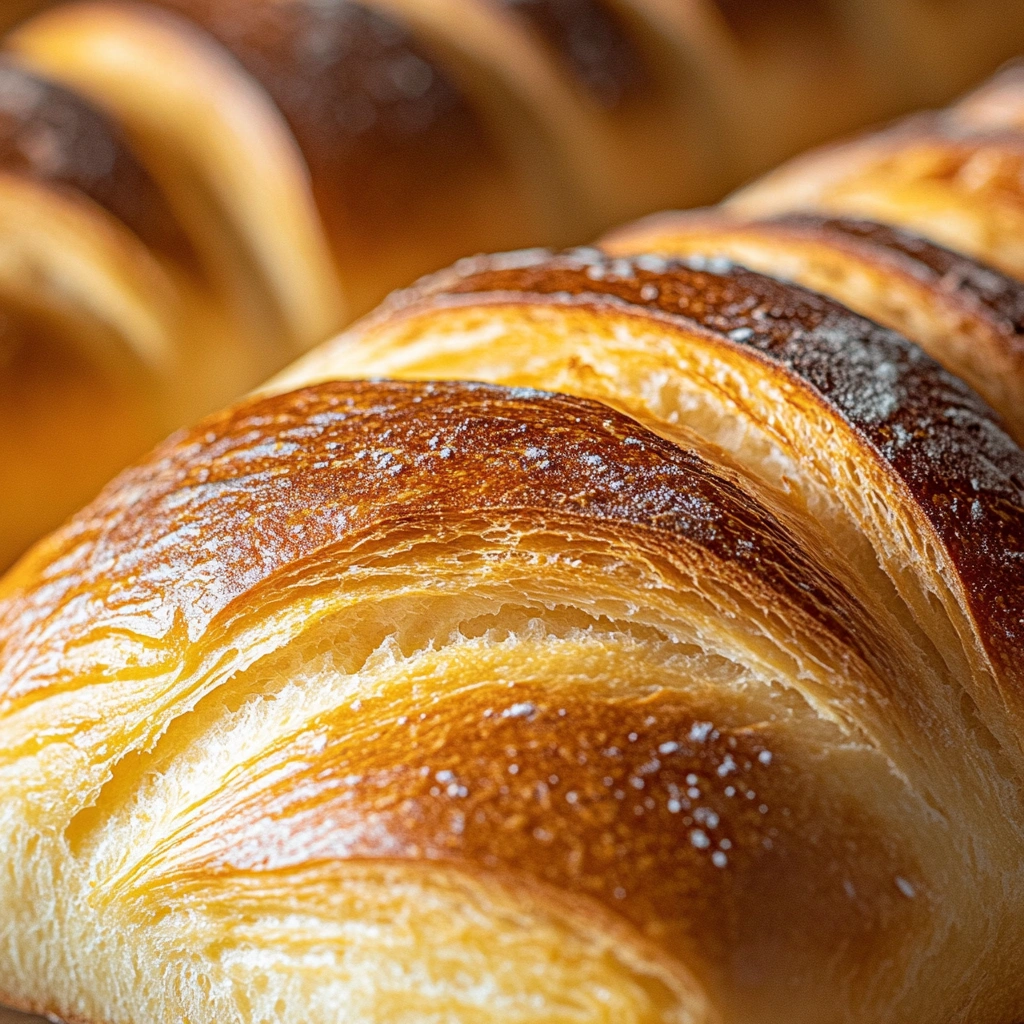
Sourdough Discard Sandwich Bread
Sourdough Discard Sandwich Bread is a soft, fluffy, and slightly tangy loaf made using leftover sourdough discard. Unlike traditional sourdough bread, this recipe incorporates commercial yeast, allowing for a quicker rise while still capturing the subtle sourdough flavor. It has a tender crumb and a light crust, making it perfect for sandwiches, toast, and everyday use. This recipe is an excellent way to reduce food waste while enjoying homemade bread with minimal effort. It’s beginner-friendly, requires no long fermentation, and can be customized with whole wheat flour, seeds, or sweeteners like honey for added flavor.
Ingredients
- 1 cup water, 236 grams
- 1 tablespoon honey, 21 grams
- 3 teaspoons active dry yeast, 9 grams
- 4 tablespons butter, softened (57 grams)
- 4 cups all purpose flour, 560 grams
- 1/2 tablespoon salt, 8 grams
- 1 cup sourdough discard, 285 grams
Instructions
- Whisk together warm water, honey, and yeast. Allow it to sit at room temperature for about 5 minutes. The mixture should get nice and bubbly.
- To a bowl of a stand mixer with dough hook attachment, add water yeast mixture, butter, flour, salt, and sourdough discard.
- Knead on low speed until dough is smooth and elastic- about 10 minutes or so. It may take longer. You can also do this by hand. It shouldn’t stick to the sides of the bowl.
- To check to make sure the gluten has developed enough so the bread is nice and fluffy, it should pass the windowpane test. Grab a small ball of the dough and stretch it into a square. It should stretch thin enough to see through without breaking.
- Place the dough in a greased bowl with a lid, plastic wrap, or towel.
- Let the dough rise (also known as bulk rise) for about 1-2 hours (or until it about doubles in size) in a warm place like on top of a stove or on top of the refrigerator.
- Grease a bread pan or add parchment paper.
- Roll the dough flat into a rectangle and roll it up. Pinch the ends to the rest of the loaf.
- Add the shaped bread dough to the parchment lined or buttered loaf pans seam side down. Second rise for 30 minutes to an hour at room temperature, or until doubled. Covered with a towel.
- Optional: whisk an egg in a small bowl. Brush on top of the dough.
- Bake the sandwich loaf at 375 for about 45 minutes, or until a lovely golden brown color on top.
- Allow to cool completely before slicing or storing.