In this article
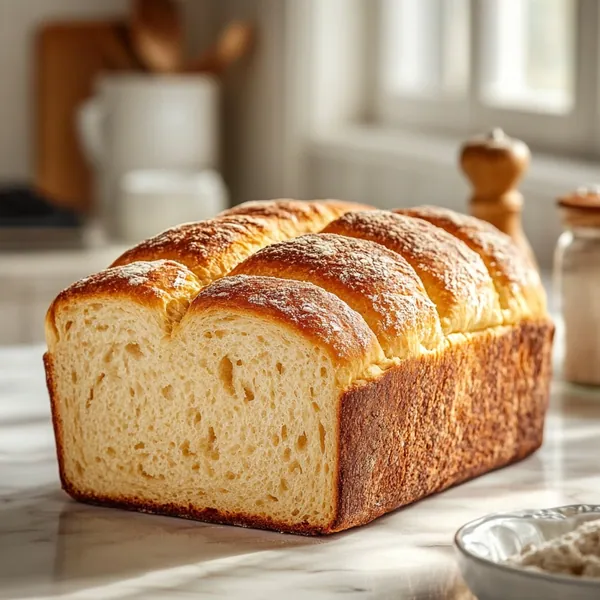
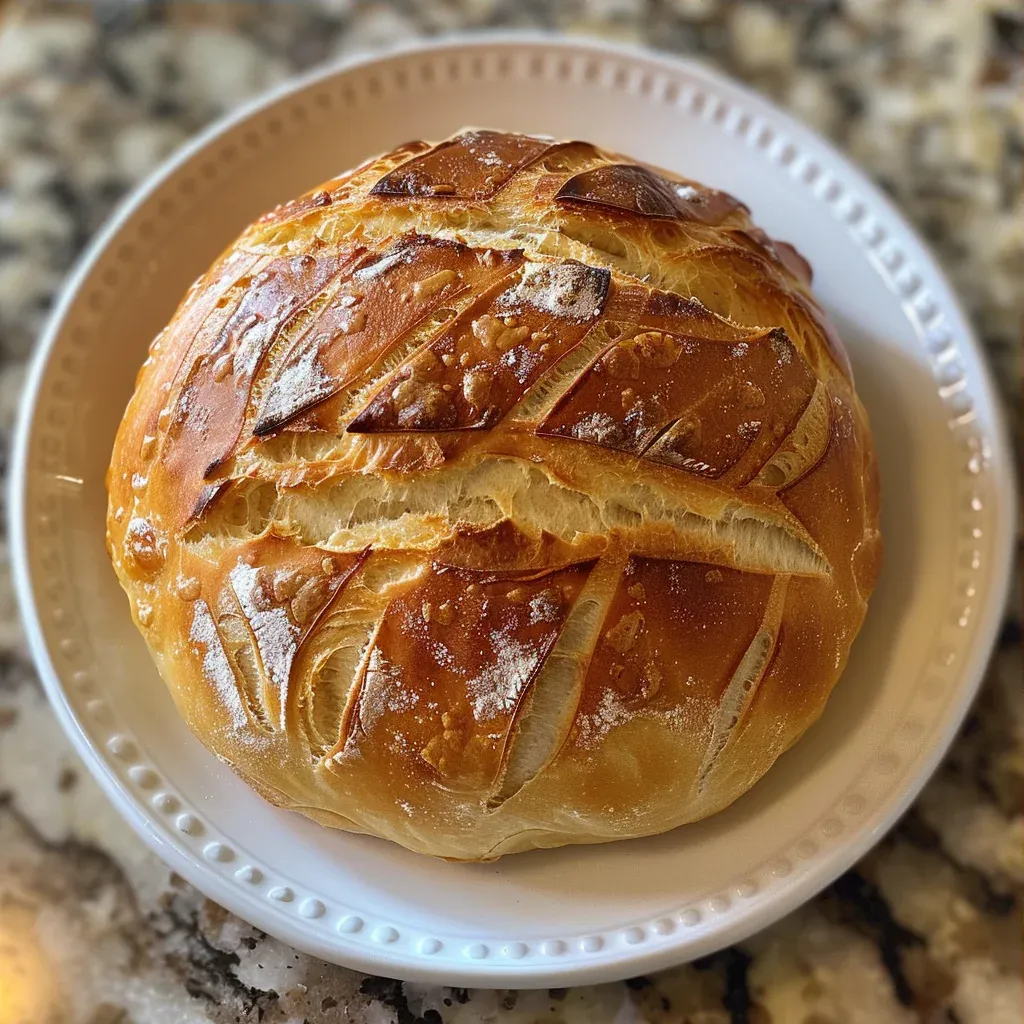
There’s something magical about the aroma of freshly baked sourdough bread wafting through your home. The golden crust, the chewy texture, and that delightful tang from the sourdough starter make this loaf a true standout. Making sourdough bread is a rewarding experience that’s worth every minute spent. This sourdough bread recipe is not just approachable but also yields beautiful, crusty loaves that will impress your family and friends. Let’s dive into the art of creating this delightful bread together!
- Why You’ll Love This Sourdough Bread
- Main Ingredients for Sourdough Bread
- Step-by-Step Instructions for Sourdough Bread
- Pro Tips for Perfect Sourdough Bread
- Serving Ideas and Pairings
- Variations and Swaps for Sourdough Bread
- Leftovers and Storage Tips
- Nutrition Notes
- Frequently Asked Questions About Sourdough Bread
Why You’ll Love This Sourdough Bread
This sourdough bread is a perfect blend of flavor and texture. The crust is crispy, while the inside is soft and slightly chewy, making each slice a delightful experience. There’s a depth of flavor that store-bought bread simply can’t match, thanks to the natural fermentation process. Plus, it’s incredibly versatile; you can enjoy it plain, toasted, or as part of a delicious sandwich.
Not only does it taste fantastic, but baking your own sourdough is also a practical choice. Once you get the hang of it, you’ll find it’s a wonderful way to use your sourdough starter. Plus, the satisfaction of slicing into a loaf you’ve made from scratch is unmatched. It’s perfect for family gatherings or cozy dinners at home.
Main Ingredients for Sourdough Bread
Let’s take a closer look at the ingredients that come together to create this delicious sourdough bread. Each one plays a crucial role in the final product:
- 3 cups all-purpose flour: This provides the structure for the bread, giving it that lovely chewiness.
- 1 ½ cups water: Hydration is key for a good dough. The right amount of water helps to activate the gluten and the sourdough starter.
- 1 cup sourdough starter: This is the heart of the bread, providing the yeast and flavor that makes sourdough unique.
- 2 teaspoons salt: Salt enhances the flavor and also helps to strengthen the dough.
Step-by-Step Instructions for Sourdough Bread
Making sourdough bread is a step-by-step process that requires patience but rewards you with fantastic results. Follow these instructions closely to create your perfect loaf.
- Start by mixing the flour and salt together in a large bowl. This ensures that the salt is evenly distributed throughout the flour, which is essential for flavor and dough strength.
- In a separate bowl, combine the sourdough starter and water until well blended. This is the moment when the magic begins, as the starter starts to mingle with the water, creating a lively mixture.
- Gradually add the wet mixture into the dry ingredients, stirring until a rough dough forms. This step helps to incorporate all the ingredients, making it easier to knead later.
- Knead the dough on a floured surface for about 10 minutes until it becomes smooth and elastic. Kneading develops the gluten, which is crucial for the bread’s structure.
- Place the dough in a lightly greased bowl, cover it with a damp cloth, and let it rise in a warm place for 4 to 6 hours, or until it has doubled in size. This fermentation process is where the flavor develops and the dough rises due to the action of the yeast.
- Once risen, gently punch down the dough to release the air, then shape it into a round loaf. This is a crucial step for shaping and preparing the dough for its second rise.
- Transfer the shaped dough to a proofing basket, cover it, and allow it to rise for another 2 hours. This final rise helps to build the structure and makes for a better-shaped loaf.
- Preheat your oven to 450°F (232°C) while the dough is rising. A hot oven is key to achieving that beautiful crust.
- Carefully turn the dough onto a baking sheet lined with parchment paper, making sure the seam side is up. This will form the top of your loaf, which will create a lovely shape.
- Score the top of the loaf with a sharp knife, then place it in the preheated oven. Scoring allows the steam to escape and helps the bread rise properly.
- Bake the sourdough for 30 to 35 minutes, or until the crust is golden brown and the loaf sounds hollow when tapped on the bottom. This is where the magic happens; the bread transforms into a crusty, golden masterpiece.
- Allow the bread to cool on a wire rack before slicing and serving. Patience is key here; letting it cool enhances the flavor and texture.
Pro Tips for Perfect Sourdough Bread
- Make sure your sourdough starter is active and bubbly before using it for the best rise and flavor.
- Use a kitchen scale for measuring ingredients to ensure accuracy, especially with flour.
- If your kitchen is cool, consider placing the dough in a turned-off oven with the light on to create a warm environment for rising.
- Don’t skip the kneading step; it’s essential for developing the gluten structure.
- For an extra crispy crust, place a pan of water in the oven while baking to create steam.
Serving Ideas and Pairings
This sourdough bread is incredibly versatile! Here are some delicious serving ideas:
- Spread with butter and enjoy warm.
- Serve alongside a hearty soup or stew.
- Use slices for sandwiches filled with your favorite ingredients.
- Toast and top with avocado and a sprinkle of salt for a simple breakfast.
- Pair with cheese and charcuterie for a delightful snack platter.
Variations and Swaps for Sourdough Bread
If you’re feeling adventurous, here are some variations you can try:
Faster Weeknight Version
If you’re short on time, consider using a quicker fermentation method by adding a little instant yeast to the dough. This will reduce the rising time significantly.
Lighter Version
For a lighter loaf, you can substitute half of the all-purpose flour with whole wheat flour. It adds a nutty flavor and increases the nutritional value.
High-Protein Version
To increase the protein content, swap in bread flour for all-purpose flour. This will give your bread a chewier texture and enhance the gluten structure.
Budget-Friendly Version
If you’re looking to save a bit, you can use all-purpose flour only and skip any specialty flours. The result will still be delicious and satisfying.
Leftovers and Storage Tips
- Store leftover sourdough bread in a paper bag at room temperature for up to 3 days.
- For longer storage, wrap the bread tightly in plastic wrap and freeze it. It can last for up to 3 months.
- To reheat, simply pop slices in a toaster or wrap the whole loaf in foil and warm it in a low oven.
Nutrition Notes
This sourdough bread is a balanced choice, providing energy and satisfaction without any added preservatives. Each slice is rich in carbohydrates and can be enjoyed as part of a healthy meal. To make it even healthier, consider using whole grain flour or adding seeds for extra nutrients.
Frequently Asked Questions About Sourdough Bread
What is sourdough bread?
Sourdough bread is a type of bread made from naturally fermented dough, typically using a sourdough starter that contains wild yeast and bacteria, giving it a distinctive tangy flavor.
How do I know when my sourdough bread is ready to bake?
Your sourdough bread is ready to bake when it has doubled in size and has a puffy appearance. You can also do the “poke test”: gently poke the dough, and if it springs back slowly, it’s ready.
Can I use all-purpose flour for sourdough bread?
Absolutely! All-purpose flour works wonderfully for sourdough bread, providing a great texture and flavor.
What should I do if my sourdough bread doesn’t rise?
If your sourdough doesn’t rise, it could be due to an inactive starter, cold temperatures, or insufficient time for fermentation. Make sure your starter is bubbly and active before baking.
How can I make sourdough bread without a starter?
You can’t make traditional sourdough bread without a starter, but if you’re looking for a quicker bread, consider using commercial yeast instead for a faster rise.
In closing, I encourage you to try making this sourdough bread. The process may seem daunting, but with patience and the right ingredients, you’ll be rewarded with something truly special. Each loaf is a testament to your effort and love for baking. Happy baking!

How to Get Perfect Sourdough Bread Every Time
There’s something magical about the aroma of freshly baked sourdough bread wafting through your home. The golden crust, the chewy texture, and that…
Ingredients
- 3 cups all-purpose flour
- 1 ½ cups water
- 1 cup sourdough starter
- 2 teaspoons salt
Instructions
- Start by mixing the flour and salt together in a large bowl. This ensures that the salt is evenly distributed throughout the flour, which is essential for flavor and dough strength.
- In a separate bowl, combine the sourdough starter and water until well blended. This is the moment when the magic begins, as the starter starts to mingle with the water, creating a lively mixture.
- Gradually add the wet mixture into the dry ingredients, stirring until a rough dough forms. This step helps to incorporate all the ingredients, making it easier to knead later.
- Knead the dough on a floured surface for about 10 minutes until it becomes smooth and elastic. Kneading develops the gluten, which is crucial for the bread’s structure.
- Place the dough in a lightly greased bowl, cover it with a damp cloth, and let it rise in a warm place for 4 to 6 hours, or until it has doubled in size. This fermentation process is where the flavor develops and the dough rises due to the action of the yeast.
- Once risen, gently punch down the dough to release the air, then shape it into a round loaf. This is a crucial step for shaping and preparing the dough for its second rise.
- Transfer the shaped dough to a proofing basket, cover it, and allow it to rise for another 2 hours. This final rise helps to build the structure and makes for a better-shaped loaf.
- Preheat your oven to 450°F (232°C) while the dough is rising. A hot oven is key to achieving that beautiful crust.
- Carefully turn the dough onto a baking sheet lined with parchment paper, making sure the seam side is up. This will form the top of your loaf, which will create a lovely shape.
- Score the top of the loaf with a sharp knife, then place it in the preheated oven. Scoring allows the steam to escape and helps the bread rise properly.
- Bake the sourdough for 30 to 35 minutes, or until the crust is golden brown and the loaf sounds hollow when tapped on the bottom. This is where the magic happens; the bread transforms into a crusty, golden masterpiece.
- Allow the bread to cool on a wire rack before slicing and serving. Patience is key here; letting it cool enhances the flavor and texture.