In this article
- Why Roasted Chicken & Veggie Bowls?
- Key Ingredients Breakdown
- Equipment & Tools Needed
- Prep Work: Marinating Chicken & Prepping Veggies
- Roasting Techniques for Chicken
- Roasting Techniques for Vegetables
- Building Your Bowl: Assembly & Presentation
- Flavor Variations & Customizations
- Make-Ahead, Storage & Reheating
- Meal Prep Strategies
- Nutritional Information & Health Benefits
- Frequently Asked Questions
- Conclusion & Next Steps
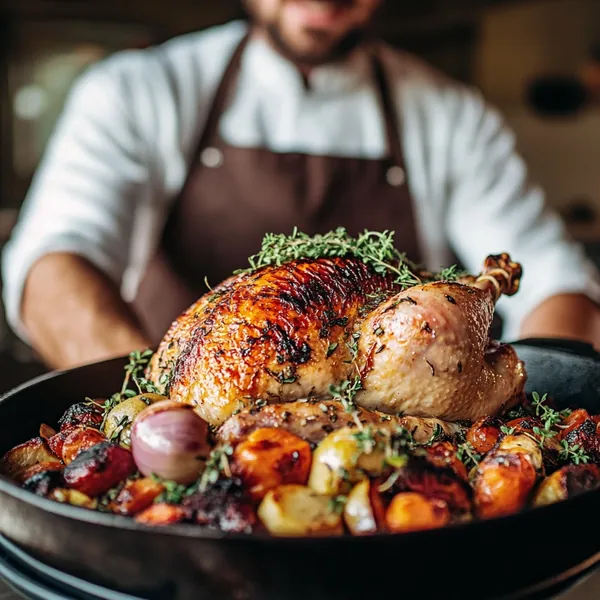
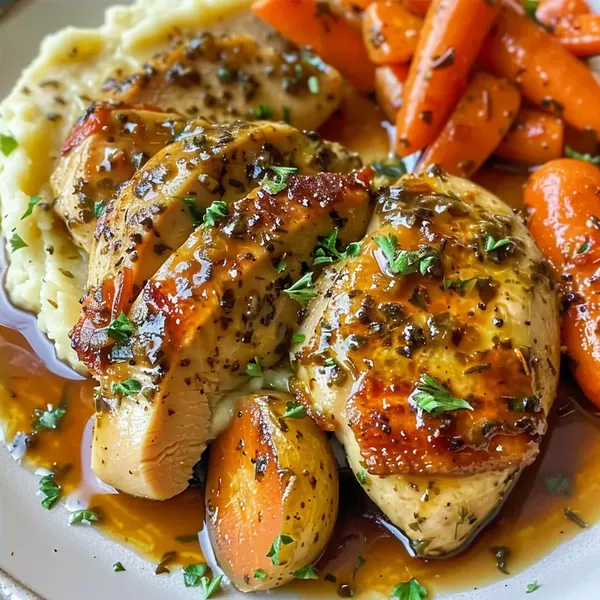
Roasted chicken and vegetable bowls have rapidly become a favorite among home cooks and meal-prep enthusiasts alike, thanks to their perfect marriage of convenience, nutrition, and flavor. In a single bowl, you can enjoy a balanced blend of lean protein, fiber-rich vegetables, and, if desired, wholesome grains—making these bowls an ideal solution for busy weekdays or leisurely weekend lunches. The roasting process concentrates natural sugars, creating caramelized edges on vegetables and producing irresistibly crispy skin on chicken, all while preserving the tender interior. This dish’s versatility is another major draw: you can tailor it to suit a spectrum of dietary preferences, from low-carb to plant-forward, simply by swapping ingredients or adjusting portions. Moreover, assembling these bowls ahead of time transforms meal planning from a chore into a streamlined routine, saving you precious minutes without sacrificing quality or taste. Whether you’re feeding picky eaters, refining your meal-prep strategy, or seeking an Instagram-worthy dinner, mastering the roasted chicken & veggie bowl will elevate your weeknight repertoire. In the following sections, we’ll guide you step by step through ingredient selection, roasting techniques, assembly artistry, and creative customizations—empowering you to craft bowls that are as beautiful as they are delicious.
Why Roasted Chicken & Veggie Bowls?
Roasted chicken & veggie bowls stand out for their nutritional completeness: lean protein from the chicken, complex carbohydrates from optional grains, and a rainbow of vitamins and minerals from assorted vegetables. They cater to a wide range of dietary preferences—low-carb eaters can skip the grains, while families can embrace kid-friendly veggies. Meal prepping these bowls saves time during hectic weekdays, allowing you to cook once and enjoy multiple meals without sacrificing quality or taste. Finally, the roasting process intensifies natural flavors and creates caramelized edges, elevating simple ingredients into a gourmet-style dish.
Key Ingredients Breakdown
Chicken: Choose boneless, skin-on chicken thighs for juiciness and flavor, or lean breasts if you prefer lower fat. Skin-on pieces roast to crispy perfection, locking in moisture; skin-off cuts benefit from a light oil rub and careful timing to avoid dryness.
Vegetables: Opt for a mix of root and cruciferous vegetables. Sweet potatoes and carrots bring natural sweetness, while broccoli, cauliflower, and Brussels sprouts add texture and earthy notes. Bell peppers and zucchini roast quickly, so consider adding them in the final 10 minutes.
Grains & Bases (Optional): Quinoa and brown rice provide nutty flavor and fiber; cauliflower rice offers a low-carb alternative. Pre-cook grains according to package instructions, then fluff with a fork just before assembly.
Flavor Boosters: Fresh herbs (rosemary, thyme, parsley), spices (paprika, cumin), citrus zest, and high-quality oils (olive or avocado) take the bowl from good to remarkable. A squeeze of lemon or lime brightens the entire dish.
Equipment & Tools Needed
-
A large rimmed baking sheet or two for even heat distribution
-
A wire rack (optional) to elevate chicken for crispy skin
-
Sharp chef’s knife and sturdy cutting board
-
Mixing bowls for marinating and seasoning vegetables
Prep Work: Marinating Chicken & Prepping Veggies
An effective marinade infuses chicken with flavor and tenderizes the meat. Combine minced garlic, chopped herbs, lemon juice, olive oil, salt, and pepper in a shallow dish. For a yogurt-based marinade, whisk plain yogurt with turmeric, ground cumin, garlic powder, and a pinch of cayenne. Submerge chicken fully, cover, and refrigerate for at least 30 minutes—up to overnight for maximum depth. Meanwhile, wash and dry all vegetables thoroughly to ensure proper roasting. Cut root vegetables like sweet potatoes into 1-inch cubes for even cooking; slice broccoli into florets of similar size. Toss each vegetable variety in a separate bowl with olive oil, salt, and preferred spices: smoked paprika for sweet potatoes, garlic powder for broccoli, or Italian seasoning for mixed peppers. Label and arrange all components so that when it’s time to roast, you can move seamlessly from prep to oven.
Roasting Techniques for Chicken
Preheat your oven to 400°F (200°C) and position the rack in the center. If using a wire rack on your baking sheet, place marinated chicken pieces skin-side up on the rack—this allows hot air to circulate, producing ultra-crisp skin. Without a rack, arrange chicken directly on parchment-lined sheets, spacing pieces at least 1 inch apart. Roast thighs for 25–30 minutes, breasts for 20–25 minutes, or until internal temperature reaches 165°F (74°C) when checked with an instant-read thermometer. Let the chicken rest for 5 minutes before slicing; this redistributes juices and prevents moisture loss. Use this resting period to roast quicker-cooking veggies or finish your grains.
Roasting Techniques for Vegetables
Maintain the oven at 400°F, but roast vegetables on a separate sheet to avoid overcrowding. Dense veggies like carrots and sweet potatoes need 30–35 minutes; cruciferous varieties require just 20–25 minutes. Spread them in a single layer, turning halfway through to achieve golden brown edges. For quicker-cooking zucchini or bell peppers, add them during the final 10 minutes. To enhance caramelization, pat vegetables dry before oiling, and use a high-smoke-point oil like avocado or grapeseed. Season generously, remembering that roasting concentrates flavors—so a modest sprinkle of salt brings out sweetness and natural umami.
Building Your Bowl: Assembly & Presentation
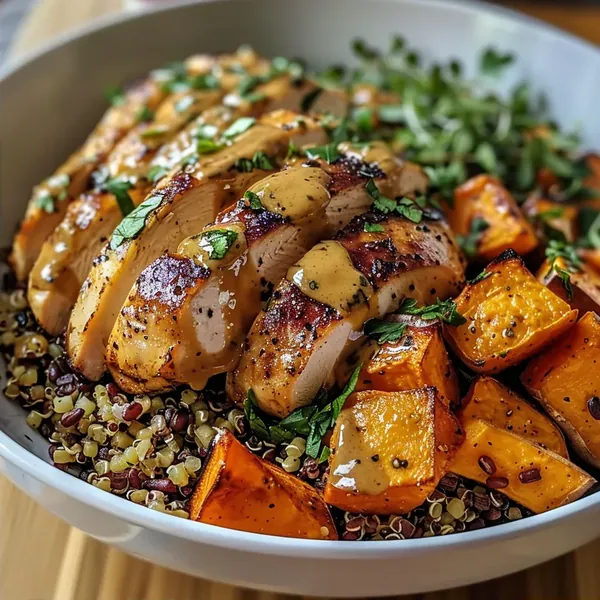
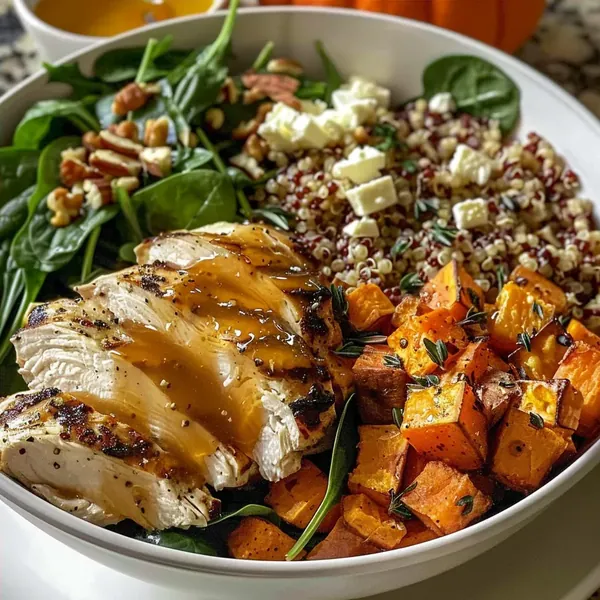
Start with a base: a scoop of quinoa, brown rice, or cauliflower rice. Fan sliced chicken along one side, then arrange vegetable medley in color-blocked sections for visual appeal—orange sweet potatoes opposite green broccoli, red peppers next to golden carrots. Garnish with chopped fresh parsley or cilantro, toasted seeds (pumpkin or sesame), and a light drizzle of sauce or vinaigrette. Use contrasting textures: creamy avocado slices, crunchy roasted chickpeas, or tangy pickled onions. The goal is a harmonious mouthful in every bite, combining soft grains, juicy chicken, caramelized veggies, and a hint of acidity.
Flavor Variations & Customizations
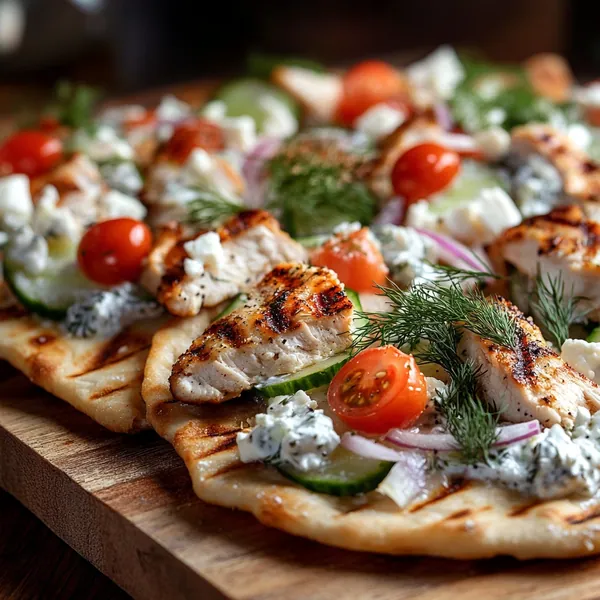
For a Mediterranean spin, top with crumbled feta, kalamata olives, and a dollop of tzatziki. To go Asian, mix hoisin sauce with rice vinegar and sesame oil, then sprinkle toasted sesame seeds and chopped scallions. Mexican-inspired bowls benefit from a chipotle-lime crema, black beans, and fresh cilantro. Veggie swaps keep the concept fresh: roasted beets for earthy sweetness, asparagus for spring flair, or butternut squash for autumn warmth. Drizzle pesto or a mustard-maple vinaigrette to tie ingredients together, and adjust spice levels with red pepper flakes or chili powder.
Make-Ahead, Storage & Reheating
One of the greatest advantages of roasted chicken & veggie bowls is how well they lend themselves to advance preparation. To begin, arrange cooked chicken, roasted vegetables, and grain or base separately in airtight, microwave-safe containers. Store individual components—protein, veggies, and grains—in the refrigerator for up to four days. If you’d like to extend shelf life, freeze chicken and denser vegetables (sweet potatoes, carrots, broccoli) in meal-sized portions for up to three months; avoid freezing delicate ingredients like zucchini or bell peppers, which can become waterlogged. Label each container with the date cooked and contents to ensure easy rotation.
When it’s time to assemble a bowl, thaw any frozen components overnight in the refrigerator. For reheating, transfer refrigerated portions to the microwave and heat on high for 2–3 minutes, stirring halfway to promote even warmth. To restore crispness, spread chicken and vegetables in a single layer on a baking sheet, then broil on high for 2–4 minutes—watch closely to prevent burning. If you prefer stovetop reheating, warm a drizzle of oil in a skillet over medium heat, add vegetables first to re-crisp, then toss in chicken for the final minute. Reheat grains by sprinkling lightly with water and microwaving covered for 1–2 minutes, fluffing afterward to maintain texture. Finish each bowl with fresh garnishes—herbs, seeds, or a squeeze of citrus—to revive the flavors and colors.

Meal Prep Strategies
Maximize efficiency by designating one day—typically a weekend afternoon—for batch cooking. Start by marinating all chicken at once, then roast proteins and vegetables on separate baking sheets simultaneously to utilize oven space. While items roast, cook grains in a rice cooker or on the stovetop. Set up an assembly line: place grains in the first row of containers, add chicken next, and finish with vegetables and sauces. Vary flavors by offering two sauce options (e.g., tahini-lemon and chili-lime) and rotating garnishes like toasted nuts or fresh herbs. Invest in uniform, stackable containers to save refrigerator space and make grabbing a ready-to-go meal effortless. Finally, schedule your prep days—either once or twice weekly—to align with your eating habits, ensuring you always have fresh bowls ready for breakfast, lunch, or dinner.
Nutritional Information & Health Benefits
A standard roasted chicken & veggie bowl delivers a well-rounded nutrient profile. An average serving contains roughly 400 calories, broken down into 30–35 g of protein, 40–45 g of carbohydrates (including 5–8 g of fiber), and 12–15 g of healthy fats. The high protein content from chicken supports muscle repair, satiety, and steady blood sugar levels. Complex carbohydrates from whole grains such as quinoa or brown rice provide sustained energy, while fiber aids digestion and promotes a healthy gut microbiome. Vegetables contribute a spectrum of vitamins and minerals: sweet potatoes are rich in vitamin A (beta-carotene), broccoli and Brussels sprouts supply vitamin C and K, and bell peppers offer antioxidants like lutein and zeaxanthin.
Healthy fats from olive or avocado oil enhance the absorption of fat-soluble vitamins and contribute to cardiovascular health by providing monounsaturated fatty acids. Customizing your bowl is simple: increase carbohydrate portions for endurance-focused diets, swap grains for cauliflower rice to reduce carbs, or add an extra drizzle of oil or avocado slices to boost healthy fat intake. For those following paleo or Whole30 regimens, simply omit grains and focus on protein and vegetables. By controlling each component’s portion, you maintain awareness of caloric density and macronutrient ratios, making these bowls adaptable to weight-loss, maintenance, or performance-driven meal plans.
Frequently Asked Questions
1. How far in advance can I prepare components?
You can refrigerate cooked chicken and roasted vegetables separately for up to four days. Freeze denser items like sweet potatoes or chicken for up to three months, then thaw overnight before reheating to preserve texture.
2. Can I roast everything together on one pan?
While it’s possible, different foods cook at different rates. For optimal results, roast chicken and dense root vegetables at 400°F for 25–30 minutes, then add tender items like zucchini or peppers in the last 8–10 minutes on a separate pan to avoid overcooking.
3. What’s the best way to prevent veggies from becoming soggy?
Pat vegetables completely dry before oiling and use a single layer on the baking sheet. High-smoke-point oils (avocado or grapeseed) with a generous but even coating help create golden-brown edges and preserve firmness.
4. How do I adjust macronutrients for different diets?
For a low-carb approach, substitute cauliflower rice for grains and increase oil or avocado portions for more fats. To raise carbs, double the serving of quinoa or brown rice. Increase protein by adding extra chicken or incorporating legumes like chickpeas.
5. Which sauces pair best with these bowls?
Versatile options include tahini-lemon dressing for a creamy, nutty flavor; chimichurri for a fresh, herbaceous kick; and chili-lime vinaigrette for a bright, spicy finish. Prepare sauces in advance and store in small containers to streamline assembly.
Conclusion & Next Steps
Roasted chicken & veggie bowls are a versatile, nutritious, and visually appealing meal solution that simplifies weeknight cooking and supports healthy eating goals. Armed with the right ingredients, equipment, and techniques, you can customize these bowls endlessly—experimenting with international flavors, seasonal produce, and creative sauces. Commit one afternoon to batch prep, and you’ll enjoy stress-free meals all week long. Now it’s your turn: select your favorite veggies, whip up a signature marinade, and share your bowl creations on social media using #RoastedBowlMagic. Your kitchen adventure awaits—happy roasting!
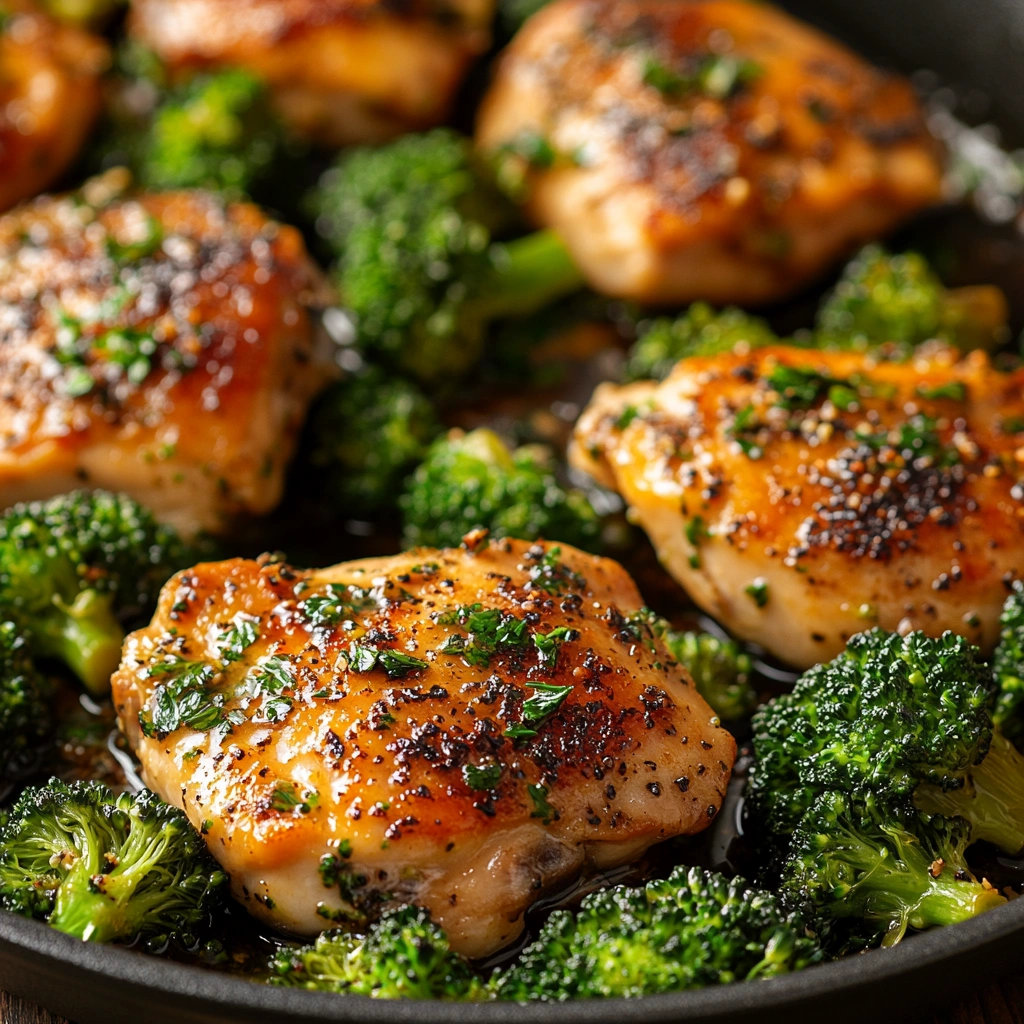
Roasted Chicken & Veggie Bowl
This Roasted Chicken & Veggie Bowl combines tender, herb-marinated chicken with a vibrant array of caramelized vegetables and your choice of wholesome grains or cauliflower rice. Each element is roasted to perfection, creating a harmonious blend of textures and flavors—from the crispy chicken skin and golden-brown sweet potatoes to the lightly charred broccoli florets. Ideal for meal prep or a weeknight dinner, this bowl is fully customizable to fit low-carb, paleo, or family-friendly diets, offering a satisfying, all-in-one meal that nourishes body and soul.
Ingredients
- 2 chicken breasts, boneless and skinless
- 1 teaspoon paprika
- 1 teaspoon garlic powder
- 2 tablespoons olive oil
- 1 teaspoon dried thyme
- 1 medium zucchini, chopped
- Salt and pepper to taste
- 1 red bell pepper, chopped
- 1 small red onion, chopped
- 2 cups vegetable broth (or water)
- One cup quinoa
- 1 tablespoon fresh parsley, chopped (for garnish)
- 1 tablespoon lemon juice (optional)
Instructions
- Preheat the oven to 400°F (200°C).
- In a small bowl, mix together olive oil, paprika, garlic powder, thyme, salt, and pepper. Rub the mixture evenly over the chicken breasts.
- On a baking sheet, arrange the chicken breasts along with the chopped zucchini, bell pepper, and red onion. Drizzle with a little more olive oil and season with salt and pepper.
- Roast for 20-25 minutes, or until the chicken is fully cooked (internal temperature of 165°F/75°C) and the vegetables are tender.
- While the chicken and veggies are roasting, rinse the quinoa under cold water. In a medium saucepan, bring the vegetable broth (or water) to a boil. Add the quinoa, cover, and reduce the heat to low. Simmer for 15 minutes, or until the quinoa is cooked and the liquid is absorbed.
- To assemble the bowl, divide the quinoa between bowls. Top with roasted chicken and veggies.
- Garnish with fresh parsley and a drizzle of lemon juice, if desired. Serve immediately.