In this article
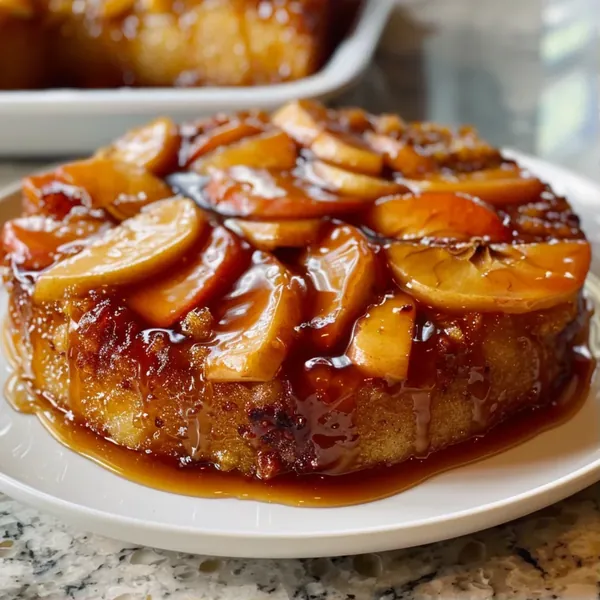
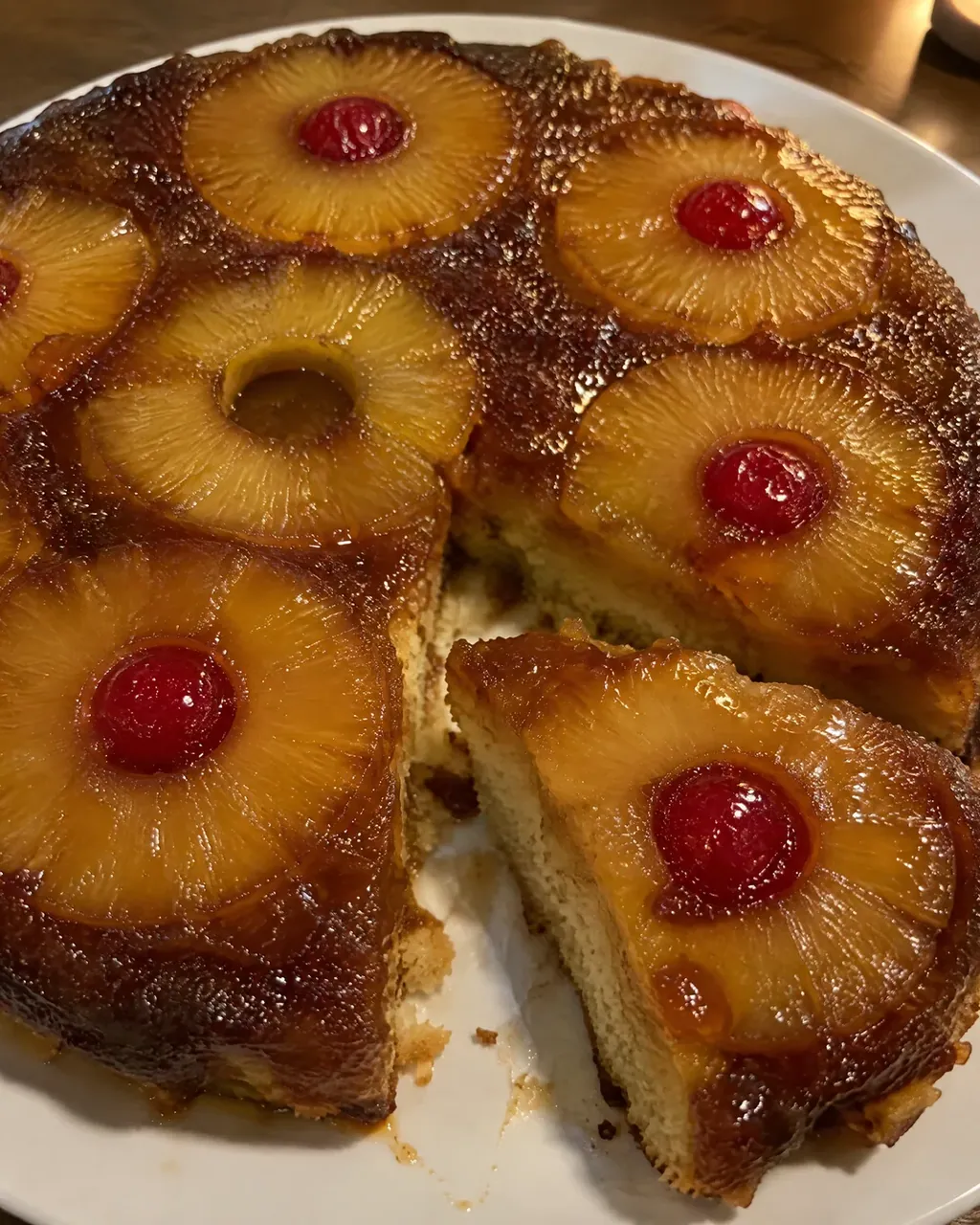
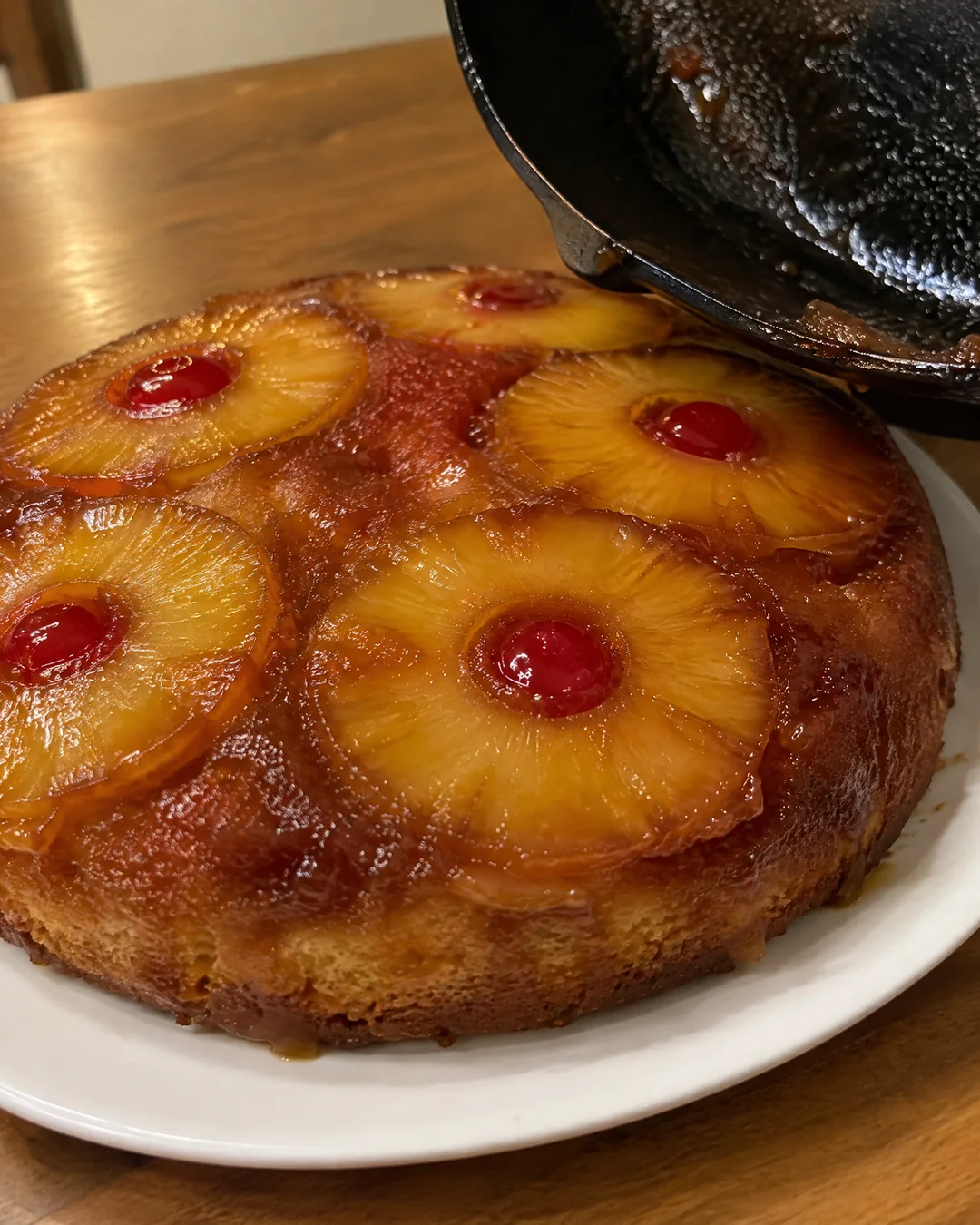
There is a reason so many mothers counted the cherries when this cake came out of the skillet. Pineapple upside-down cake is built face down: brown sugar and butter melted in the pan, pineapple rings arranged on top, a maraschino cherry set in the hole of each, and the batter poured over. When it is baked and flipped onto a plate, the top is a glossy caramel mosaic, and one empty ring means somebody stole a cherry before the batter went in.
A cast iron skillet is the right pan for it. The heavy iron holds the heat that turns the brown sugar and butter into a true caramel, and it releases the cake cleanly if you flip at the right moment. That moment is five minutes after it comes out of the oven, not sooner and not later. Sooner and the cake is too soft to hold; later and the caramel sets to the pan and half the rings stay behind.
Why this pineapple upside-down cake works
- Cast iron. It caramelizes the topping properly and releases the cake in one piece when flipped hot.
- Pineapple patted dry. Wet rings water down the caramel and make a soggy top layer.
- Pineapple juice in the batter. The juice from the can flavors the cake and keeps it moist.
- The five-minute flip. Long enough for the cake to set, short enough for the caramel to stay liquid.
Ingredients
Makes one 10-inch cake, 8 to 10 slices. US cups with grams in brackets.
For the topping
- 1/4 cup unsalted butter (56g)
- 2/3 cup packed light brown sugar (135g)
- 1 can (20 ounces, 567g) pineapple rings in juice, drained, juice reserved
- 7 to 8 maraschino cherries, drained
For the cake
- 1/2 cup unsalted butter (1 stick, 113g), softened
- 3/4 cup granulated sugar (150g)
- 2 large eggs
- 1 teaspoon vanilla extract
- 1 1/2 cups all-purpose flour (190g)
- 1 1/2 teaspoons baking powder
- 1/4 teaspoon fine salt
- 1/2 cup reserved pineapple juice (120ml)
A 10-inch skillet holds 7 rings: one in the center and 6 around it. Cut extra rings in half and tuck them around the edge if you like.
How to make pineapple upside-down cake
- Heat the oven to 350°F (175°C). Drain the pineapple, reserving the juice, and pat the rings dry on paper towels.
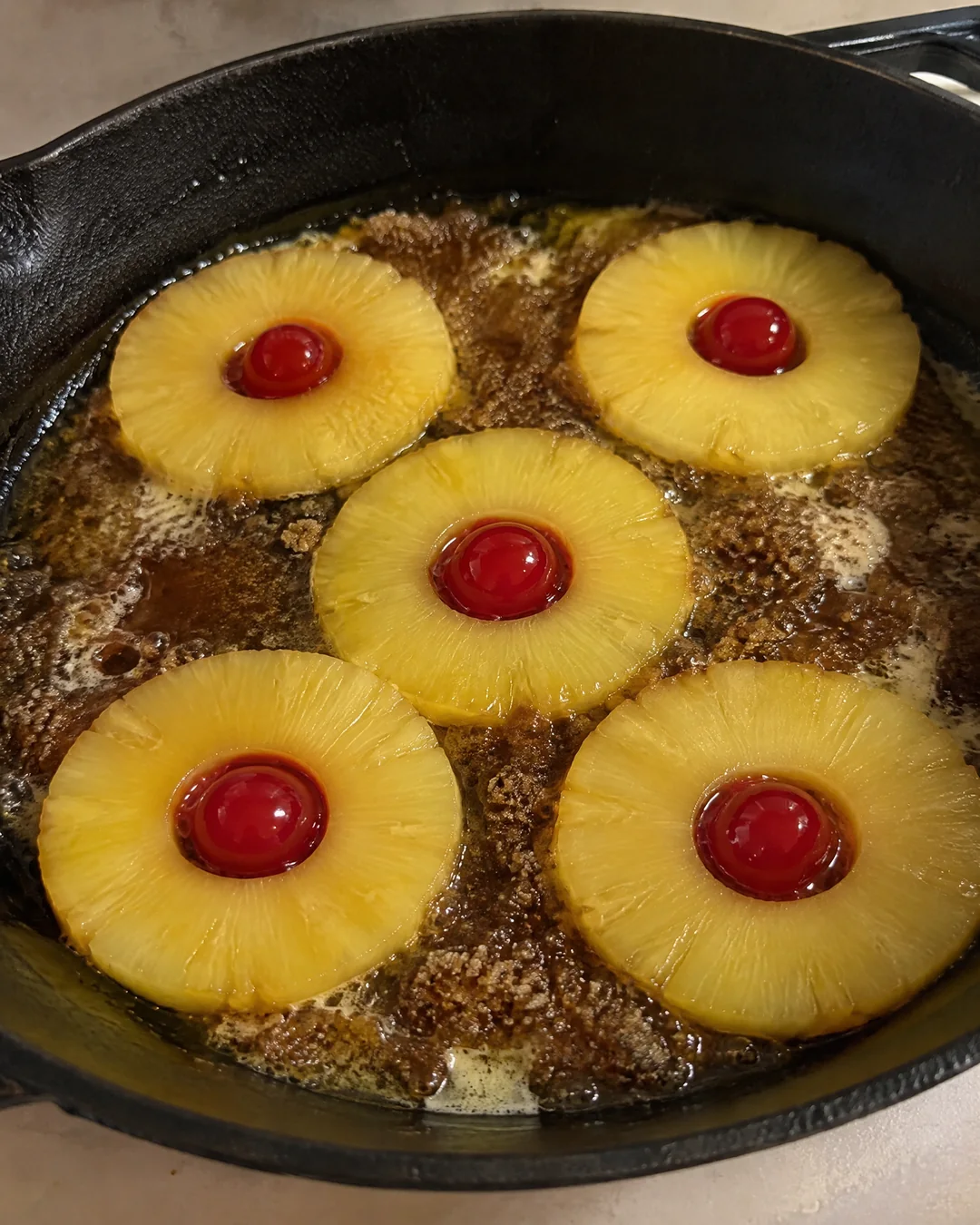
- Melt the 1/4 cup butter in a 10-inch cast iron skillet over medium-low heat. Take the pan off the heat, add the brown sugar and stir until it is moistened and spread evenly over the bottom.
- Arrange the pineapple rings over the sugar, one in the center and the rest around it. Place a cherry in the hole of each ring.
- In a large bowl, beat the softened butter and granulated sugar until light, about 3 minutes. Beat in the eggs one at a time, then the vanilla.
- Whisk the flour, baking powder and salt together. Add to the butter mixture in three additions, alternating with the pineapple juice, beginning and ending with flour. Mix until just smooth.
- Spoon the batter over the pineapple in dollops, then spread it gently to the edges without disturbing the rings.
- Bake for 40 to 45 minutes, until the top is golden and a toothpick in the center comes out clean.
- Let the skillet rest exactly 5 minutes. Run a knife around the edge, set a large plate upside down over the skillet, hold both firmly with oven mitts, and flip in one motion. Lift the skillet away slowly. If a ring or cherry sticks, lift it out with a fork and set it back in place.
Tips that make the difference
- Use a plate at least 2 inches wider than the skillet, or the caramel runs onto the counter.
- Do not let the brown sugar mixture boil on the stove; it only needs to melt together. Boiling makes it hard.
- For a taller cake, use a 9-inch skillet and add 5 minutes.
- Serve slightly warm. Cold, the caramel loses its shine.
Variations
- Fresh pineapple. Use 1/2-inch rings of fresh pineapple and 1/2 cup of orange juice in the batter.
- Peach. Sliced firm peaches arranged in a spiral, late summer.
- Pecans. Scatter 1/3 cup pecan halves between the rings before the batter goes on.
- Round cake pan. A 9-inch round pan works; grease it well, melt the butter separately, and bake 35 to 40 minutes.
Storage and make-ahead
Cover loosely and keep at room temperature for 2 days. The caramel stays soft; the refrigerator makes it stiff.
Leftover slices reheat in the microwave for 15 seconds and taste freshly made.
It freezes for 2 months wrapped well, but the topping is best fresh.
Frequently asked questions
Why did my cake stick to the skillet?
It sat too long before the flip. The caramel sets as it cools and glues the rings to the pan. Five minutes is the window. If it happens, spoon the stuck topping back onto the cake; nobody will know.
Can I use a regular cake pan?
Yes, a 9-inch round or 8x8 square pan. Melt the butter and stir in the sugar in a saucepan first, then spread it in the greased pan. Bake 35 to 40 minutes.
Can I use crushed pineapple?
You can, drained well and spread over the sugar. You lose the rings but keep the flavor. Fresh pineapple also works, cut into rings 1/2 inch thick.
Why is the cake soggy on top?
The pineapple was not patted dry, or the cake was under-baked. Dry the rings well, and bake until the center tests clean.
Count the cherries before the batter goes on. If one is missing, you already know who did it, and you probably still made the cake.
Pineapple Upside-Down Cake in a Cast Iron Skillet
Classic pineapple upside-down cake made in a cast iron skillet: brown sugar and butter caramel, pineapple rings with a cherry in each, a soft buttery cake poured over, and the flip onto the plate. With the timing that keeps every ring in place. Cups and grams.
Ingredients
- 1/4 cup unsalted butter
- 2/3 cup packed light brown sugar
- 1 can (20 ounces, 567g) pineapple rings in juice, drained, juice reserved
- 7 to 8 maraschino cherries, drained
- 1/2 cup unsalted butter (1 stick, 113g), softened
- 3/4 cup granulated sugar
- 2 large eggs
- 1 teaspoon vanilla extract
- 1 1/2 cups all-purpose flour
- 1 1/2 teaspoons baking powder
- 1/4 teaspoon fine salt
- 1/2 cup reserved pineapple juice
Instructions
- Heat the oven to 350°F (175°C). Drain the pineapple, reserving the juice, and pat the rings dry on paper towels.
- Melt the 1/4 cup butter in a 10-inch cast iron skillet over medium-low heat. Take the pan off the heat, add the brown sugar and stir until it is moistened and spread evenly over the bottom.
- Arrange the pineapple rings over the sugar, one in the center and the rest around it. Place a cherry in the hole of each ring.
- In a large bowl, beat the softened butter and granulated sugar until light, about 3 minutes. Beat in the eggs one at a time, then the vanilla.
- Whisk the flour, baking powder and salt together. Add to the butter mixture in three additions, alternating with the pineapple juice, beginning and ending with flour. Mix until just smooth.
- Spoon the batter over the pineapple in dollops, then spread it gently to the edges without disturbing the rings.
- Bake for 40 to 45 minutes, until the top is golden and a toothpick in the center comes out clean.
- Let the skillet rest exactly 5 minutes. Run a knife around the edge, set a large plate upside down over the skillet, hold both firmly with oven mitts, and flip in one motion. Lift the skillet away slowly. If a ring or cherry sticks, lift it out with a fork and set it back in place.