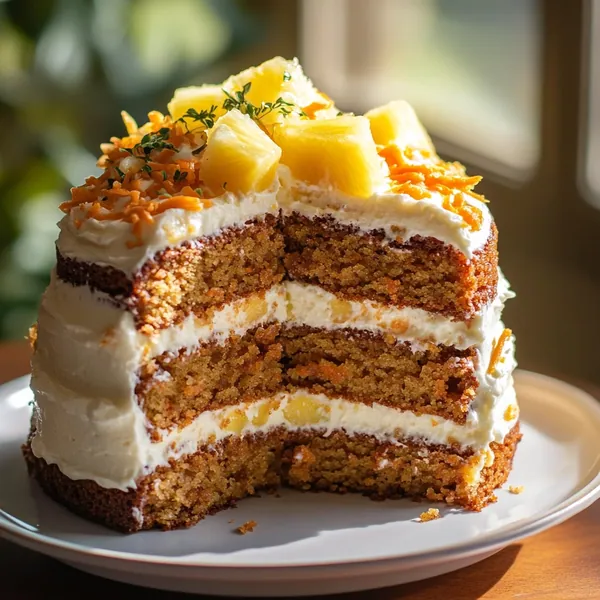
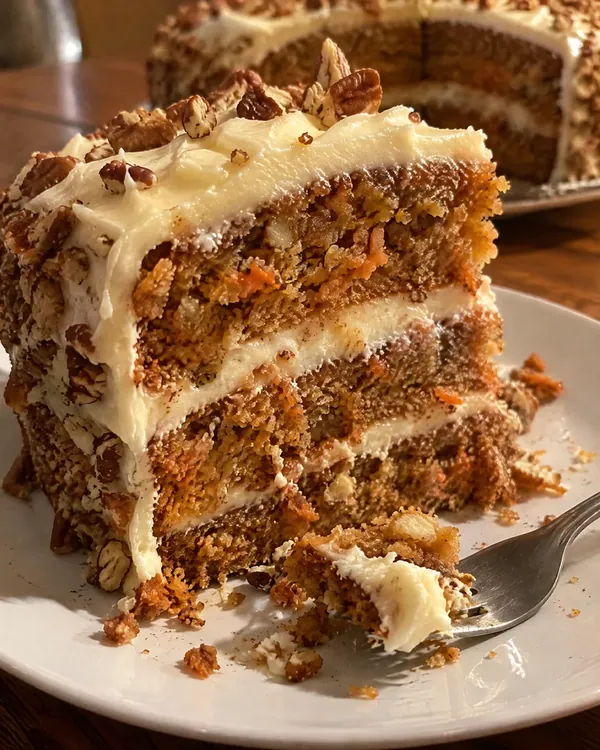
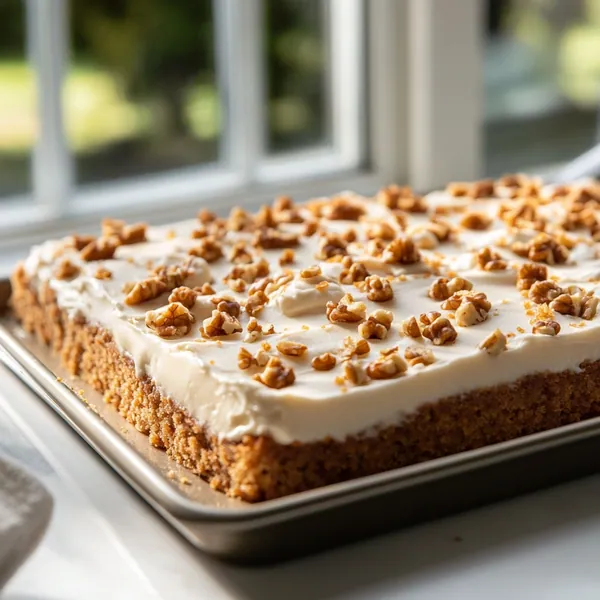
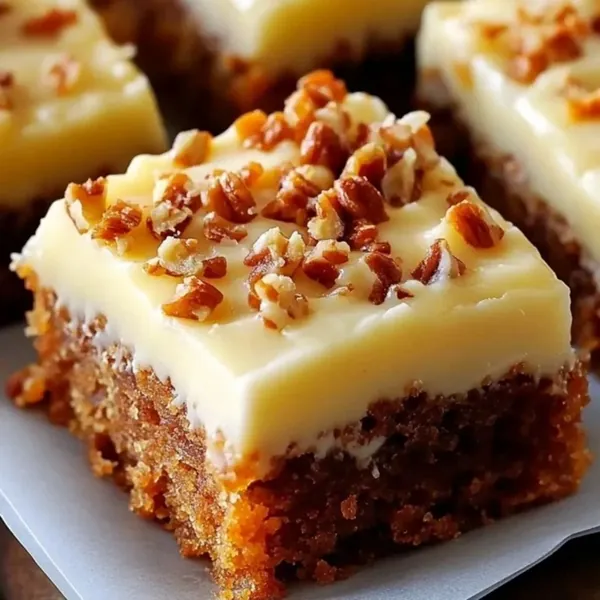
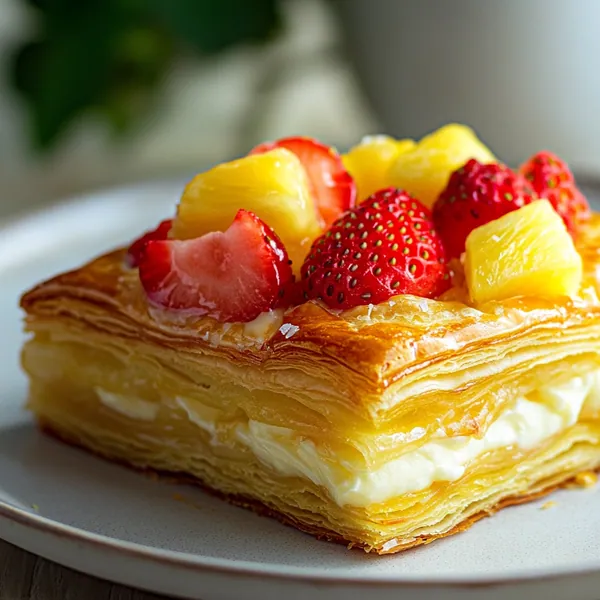
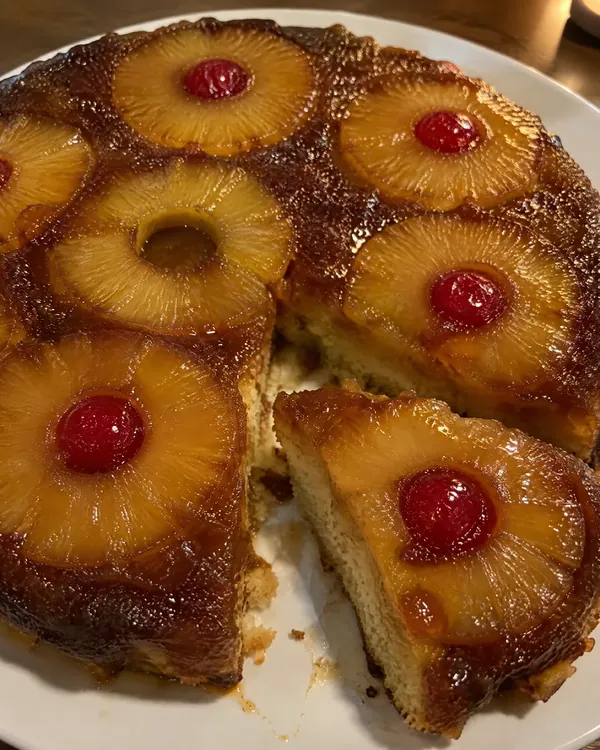
Hawaiian Carrot Pineapple Cake brings together the earthy sweetness of grated carrots with the bright tropical tang of crushed pineapple, creating a dessert that feels both comforting and adventurous. This fusion cake layers moist, warmly spiced batter studded with juicy pineapple bits and tender carrot shreds. Each bite delivers a balance of cinnamon and nutmeg warmth, a whisper of vanilla, and succulent bursts of pineapple. Instead of relying solely on butter or oil for fat, this recipe often incorporates pineapple juice for extra moisture, resulting in a cake that stays tender for days. The finished product, trimmed and frosted with cream-cheese frosting or a coconut-buttercream swirl, evokes beachside luaus and backyard barbecues alike. Whether you’re hosting a spring gathering, celebrating a birthday, or simply craving a slice of sunshine on your plate, Hawaiian Carrot Pineapple Cake promises to brighten any occasion with its vibrant flavors and inviting texture.
Origins & Inspiration
Carrot cake traces its roots to 17th-century Europe, where cooks sweetened desserts with carrots in an era when sugar was scarce and costly. Over time, recipes evolved, and by mid-20th century America, carrot cake had established itself as a beloved, warmly spiced layer cake often paired with cream-cheese frosting. Pineapple, on the other hand, became synonymous with Hawaii after the arrival of commercial canning operations in the early 1900s, transforming pineapple into both a key export and a symbol of island hospitality. Combining grated carrots and crushed pineapple likely emerged as home bakers sought novel ways to incorporate local Hawaiian ingredients into continental desserts. The result honors two culinary traditions: the European-American love of spice-rich, moist loaf cakes and the island flair of sweet, juicy fruit. Hawaiian Carrot Pineapple Cake thus stands as a testament to cross-cultural creativity, offering familiar textures alongside an unexpected tropical twist.

Essential Ingredients & Their Roles
To achieve the characteristic texture and flavor of Hawaiian Carrot Pineapple Cake, each ingredient plays a specific role:
-
All-Purpose Flour (2 cups): Provides structure by forming a gluten network. Too much flour yields a dry cake, so accurate measurement (via spoon-and-level or weighing) is crucial.
-
Baking Soda (1 tsp) & Baking Powder (½ tsp): Leavening agents that react under heat and acidity (from pineapple juice) to create lift. The combination ensures an evenly risen crumb without overexpansion.
-
Ground Cinnamon (1½ tsp) & Nutmeg (¼ tsp): Warm spices that complement the natural sweetness of carrots and pineapple. Cinnamon brings a familiar depth, while a hint of nutmeg adds complexity without overpowering.
-
Salt (½ tsp): Enhances overall flavor, balancing the sweetness of sugar and fruit.
-
Granulated Sugar (¾ cup) & Light Brown Sugar (¾ cup, packed): Dual sugars contribute both sweetness and moisture. Brown sugar’s molasses content deepens flavor and retains tenderness.
-
Vegetable Oil (¾ cup): Keeps the cake exceptionally moist. Oil remains liquid at room temperature, so the crumb stays softer longer compared to butter-based recipes.
-
Large Eggs (3): Provide structure (via proteins) and emulsification (via lecithin), ensuring a cohesive batter that traps air for leavening.
-
Pure Vanilla Extract (1 tsp): Rounds out flavor, enhancing both spice and fruit notes.
-
Grated Carrots (2 cups, packed): The backbone of texture and moisture. Finely or coarsely grated according to preference; finer shreds integrate more fully, while larger pieces create visible strands.
-
Crushed Pineapple (1 cup, drained): Delivers bursts of tropical sweetness and acidity. Proper draining prevents excess moisture that could lead to a gummy crumb. Retain a few tablespoons of juice to incorporate into the batter for extra flavor without sogginess.
-
Shredded Unsweetened Coconut (½ cup): Optional add-in that reinforces the island theme and adds chew.
-
Chopped Macadamia Nuts or Walnuts (½ cup): Introduces a crunchy contrast to the tender crumb. Macadamias enhance the tropical profile; walnuts offer classic earthiness.
Each element—from dry to wet—works in concert to produce a cake that is tender but stable, sweet but balanced, and universally appealing. Proper mixing order (dry ingredients whisked separately, wet ingredients combined, then dry folded in) keeps the crumb light. Gentle folding prevents over-development of gluten, ensuring a moist, tender outcome.
Step-by-Step Baking Instructions
-
Preheat and Prepare Pans:
• Preheat the oven to 350°F (175°C). Position a rack in the middle of the oven for even heat circulation.
• Grease two 8- or 9-inch round cake pans with nonstick spray or softened butter. Lightly dust with flour, tapping out any excess, to prevent sticking. For easier release, line the bottoms with parchment rounds. -
Combine Dry Ingredients:
• In a large mixing bowl, sift or whisk together 2 cups of all-purpose flour, 1 teaspoon baking soda, ½ teaspoon baking powder, 1½ teaspoons ground cinnamon, ¼ teaspoon nutmeg, and ½ teaspoon salt. Whisk for 30 seconds to ensure uniform distribution of leaveners and spices. -
Blend Wet Ingredients:
• In a separate bowl or the bowl of a stand mixer fitted with the paddle attachment, beat ¾ cup vegetable oil with ¾ cup granulated sugar and ¾ cup packed light brown sugar on medium speed until the mixture lightens slightly and the sugars dissolve, about 1–2 minutes.
• Add 3 large eggs, one at a time, beating briefly after each addition to maintain emulsion. Scrape the bowl as needed. Stir in 1 teaspoon vanilla extract. -
Incorporate Carrots and Pineapple:
• Fold 2 cups packed, grated carrots into the wet mixture until evenly distributed.
• Gently stir in 1 cup drained, crushed pineapple. Retain a small amount of pineapple juice and add no more than 2 tablespoons to the batter if it appears too stiff—this helps bind ingredients without over-moisturizing. -
Combine Wet and Dry:
• With the mixer on low speed (or using a spatula), add the dry ingredients in three batches, mixing just until no streaks of flour remain. Overmixing can develop gluten, leading to a tougher crumb.
• If desired, gently fold in ½ cup shredded unsweetened coconut and ½ cup chopped nuts (macadamias or walnuts) for texture and flavor contrast. -
Fill Pans and Bake:
• Divide the batter evenly between the two prepared pans, smoothing the tops with an offset spatula.
• Bake in the preheated oven for 25–30 minutes, rotating the pans halfway through if your oven has hot spots. The cakes are done when a toothpick inserted into the center emerges with a few moist crumbs (not batter). -
Cool Properly:
• Remove pans from the oven and set on a wire rack. After 10 minutes, gently run a knife around the edges, then invert the cakes onto parchment or directly onto the rack to cool completely. Cooling in the pan too long can trap steam and lead to sogginess; cooling too rapidly can cause shrinking, so the 10-minute window is ideal. -
Level and Layer:
• Once fully cooled (about 1 hour), use a serrated knife or cake leveler to trim any domed tops, creating flat surfaces for even stacking.
• Prepare your chosen frosting (classic cream-cheese or coconut-buttercream), and place one layer on a cake board or plate. Spread a generous even layer of frosting, then top with the second cake layer. -
Frost and Decorate:
• Apply a thin “crumb coat” layer of frosting to seal in loose crumbs. Chill for 10–15 minutes until slightly firm.
• Finish with a smooth final layer, using an offset spatula or bench scraper. Garnish with toasted coconut flakes, pineapple rings, or edible flowers as desired. -
Serve and Store:
• Slice with a sharp, warm knife (dip in hot water and wipe dry between cuts) for clean edges.
• Store leftover cake, covered, in the refrigerator for up to three days. Allow slices to sit at room temperature for 15 minutes before serving to let flavors and texture shine.
Hawaiian Twists & Variations
-
Coconut-Cream Cheese Swirl: Combine 8 ounces of softened cream cheese with ½ cup unsweetened shredded coconut and ½ teaspoon coconut extract. Swirl this mixture into the batter before baking for pockets of tangy, coconut-flecked cream cheese throughout the cake.
-
Macadamia Streusel Topping: Mix ½ cup chopped macadamia nuts, ¼ cup light brown sugar, 2 tablespoons melted butter, and 2 tablespoons all-purpose flour. Sprinkle over the batter in each pan just before baking to add a sweet, crunchy crown reminiscent of island hospitality.
-
Pineapple Glaze Finish: In place of traditional frosting, combine 1 cup powdered sugar with 2–3 tablespoons reserved pineapple juice and 1 teaspoon cornstarch (for stability). Drizzle over cooled cake for a translucent, tangy sheen that lets the cake layers shine.
-
Gluten-Free Adaptation: Substitute a 1-to-1 gluten-free baking blend for the flour, ensuring it contains xanthan gum. Reduce baking powder to ¼ teaspoon to prevent over-leavening, and add 1 tablespoon more pineapple juice if the blend yields a drier crumb.
-
Vegan Version: Replace eggs with ¾ cup unsweetened applesauce and use flax “eggs” (1 tablespoon ground flaxseed mixed with 3 tablespoons water per egg). Swap oil for non-dairy yogurt or melted coconut oil, and choose a vegan cream-cheese frosting or coconut buttercream to finish.

Frosting & Decoration Ideas
A well-chosen frosting and thoughtful garnish transform Hawaiian Carrot Pineapple Cake into a showstopper fit for any celebration. Here are four distinctive approaches:
-
Classic Cream-Cheese Frosting
Blend 8 ounces of full-fat cream cheese (softened) with ½ cup unsalted butter at room temperature. Beat on medium speed until smooth, then gradually add 3 cups of sifted powdered sugar and 1 teaspoon pure vanilla extract. The result is a tangy, velvety frosting that beautifully offsets the cake’s sweetness. For optimal spreadability, chill the frosting 15 minutes before applying. Use an offset spatula to create soft peaks or smooth sides. -
Coconut-Buttercream Fusion
Soften ¾ cup unsalted butter and beat with 3 cups powdered sugar until pale. Stir in ½ cup unsweetened shredded coconut and 1 teaspoon coconut extract. If the frosting feels too stiff, add up to 2 tablespoons of reserved pineapple juice. This variation introduces a tropical aroma and flecks of coconut throughout the frosting, enhancing both taste and visual texture. -
Pineapple Cream Swirl
Whip 6 ounces of softened cream cheese with ½ cup crushed pineapple, well-drained, until light and airy. Fold in 1 cup whipped heavy cream for a mousse-like topping. Dollop spoonfuls onto the cake and gently swirl, leaving peaks of pineapple-studded cream for a decorative, island-inspired effect. -
Glaze Drip Finish
For a lighter finish, whisk together 1½ cups powdered sugar, 2 tablespoons cornstarch (for stability), and 3–4 tablespoons pineapple juice until smooth. The glaze should be pourable but thick enough to cling. Spoon over the chilled, crumb-coated cake, allowing drips to cascade down the sides. Garnish immediately with toasted coconut flakes or thin pineapple wedges so they adhere before the glaze sets.
Decoration Tips:
-
Toasted Coconut: Spread unsweetened coconut flakes on a baking sheet and toast at 325°F for 5–7 minutes, stirring once, until golden.
-
Pineapple Slices: Use fresh pineapple rings or chargrilled rings for a smoky note; trim to fit the cake’s circumference.
-
Edible Flowers: Hibiscus petals or orchid buds add an elegant tropical flourish—place sparingly to avoid wilting.
-
Nut Crumbles: Coarsely chop macadamias or walnuts, lightly toast, and press along the cake’s base or scatter atop the frosting for crunch and contrast.
By selecting one of these frostings and pairing it with complementary garnishes, you’ll highlight the cake’s carrot-spice warmth and pineapple brightness while creating a visually stunning centerpiece.
Serving, Storing & Make-Ahead Tips
Serve slices at room temperature for the best flavor and texture—remove from refrigeration 20 minutes before plating. For clean cuts, dip a sharp knife into hot water, wipe dry, and slice in a single, decisive stroke, wiping the blade between cuts.
To store, cover the cake loosely with a cake dome or plastic wrap and refrigerate for up to three days; the frosting’s dairy content necessitates chilling. If you prefer room‐temperature storage for up to 24 hours, keep the cake in a cool area away from direct sunlight and heat sources.
For make-ahead convenience, bake and cool the layers up to two days in advance, wrap each layer in plastic wrap, and refrigerate. Prepare frosting separately and assemble no more than six hours before serving. This ensures maximum freshness while minimizing day-of tasks.
Nutritional Snapshot & Dietary Notes
A standard 1/12th slice of Hawaiian Carrot Pineapple Cake (including cream-cheese frosting) contains approximately:
-
Calories: 380 kcal
-
Total Fat: 21 g (Saturated Fat: 9 g)
-
Cholesterol: 55 mg
-
Sodium: 250 mg
-
Total Carbohydrates: 45 g (Sugars: 30 g; Dietary Fiber: 1.5 g)
-
Protein: 4 g
Dietary Considerations:
-
Allergens: Contains wheat, eggs, dairy, and nuts (if included).
-
Sugar Content: High in added sugars; consider reducing brown sugar by 25% or substituting part with coconut sugar for a lower-glycemic option.
-
Fat Adaptations: Swap half the oil for applesauce to cut fat by about 15%, though texture will be slightly less moist.
-
Gluten-Free: Use a 1:1 gluten-free flour blend containing xanthan gum; expect a marginally denser crumb.
-
Vegan: Replace eggs with flax “eggs” (1 tablespoon ground flaxseed + 3 tablespoons water per egg) and use plant-based cream cheese and butter alternatives. Ensure the sugar is vegan-friendly.
FAQs
-
Can I use fresh pineapple instead of canned?
Yes; finely chop fresh pineapple and drain thoroughly. Reserve a couple of tablespoons of juice for moisture. -
Why is my cake dense or gummy?
Overmixing activates gluten; mix batter just until no flour streaks remain. Ensure pineapple is well drained. -
How do I prevent the frosting from sliding?
Chill the crumb-coated cake for 10–15 minutes before applying the final layer. This firms the base layer. -
What’s the best way to grate carrots?
Use the medium holes of a box grater or a food processor grating disc. Finely grated carrots integrate more evenly. -
Can I halve the recipe?
Yes; bake in a single 9-inch round pan and reduce baking time by 5–10 minutes, checking doneness with a toothpick. -
How can I store leftover slices?
Wrap individually in plastic wrap and refrigerate up to three days, or freeze in airtight containers for up to one month.
Conclusion & Call to Action
Hawaiian Carrot Pineapple Cake masterfully marries the cozy spice of carrot cake with the bright, tropical sweetness of pineapple, offering a versatile dessert for any occasion. Whether you opt for classic cream-cheese frosting or a daring coconut-buttercream swirl, each option enhances the cake’s lush texture and vibrant flavor. Gather your ingredients, follow the step-by-step guidance, and embrace the island spirit in your own kitchen. If you try this recipe, we’d love to see your creations—snap a photo, tag us on social media, and share your favorite twist or variation. Your slice of paradise awaits!
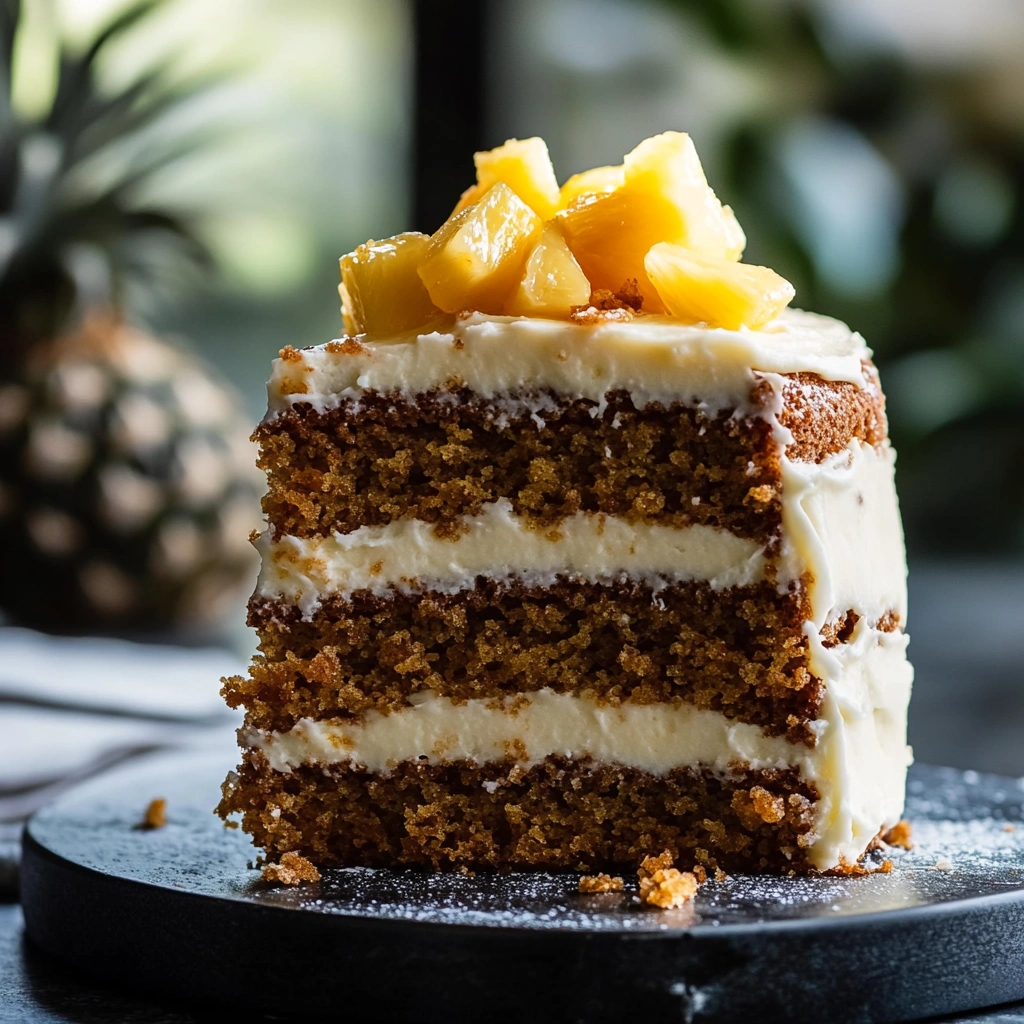
Hawaiian Carrot Pineapple Cake
This Hawaiian Carrot Pineapple Cake is a moist, warmly spiced layer cake studded with sweet grated carrots and juicy bursts of crushed pineapple. Lightly scented with cinnamon and nutmeg, the tender crumb is enriched by vegetable oil and brown sugar, then finished with your choice of tangy cream-cheese frosting or a tropical coconut-buttercream. Garnished with toasted coconut flakes, fresh pineapple rings, or macadamia nuts, it brings island flair to any celebration—perfect for backyard barbecues, birthday parties, or casual family gatherings.
Ingredients
- 2 cups all-purpose flour
- 1 cup granulated sugar
- 1 teaspoon baking powder
- 1 teaspoon baking soda
- 1/2 teaspoon salt
- 1 teaspoon ground cinnamon
- 1/2 teaspoon ground nutmeg
- 1/2 teaspoon ground ginger
- 1 cup vegetable oil
- 4 large eggs
- 2 cups grated carrots
- 1 cup crushed pineapple, drained
- 1 teaspoon vanilla extract
- 1/2 cup chopped walnuts (optional)
- Cream cheese frosting (for topping)
Instructions
- Start by preheating your oven to 350°F (175°C). Greasing and flouring two 9-inch round cake pans is also essential to prevent sticking.
- In a large bowl, whisk together the flour, sugar, baking powder, baking soda, salt, cinnamon, nutmeg, and ginger until well blended.
- In a separate bowl, mix the vegetable oil and eggs together, blending them until smooth.
- Slowly add the wet ingredients into the dry mixture. Stir until just combined—don’t overmix!
- Gently fold in the grated carrots, crushed pineapple, vanilla extract, and walnuts (if you’re using them).
- Pour the batter evenly into the prepared cake pans.
- Place the pans in the oven and bake for 30-35 minutes or until a toothpick inserted in the center comes out clean.
- Allow the cakes to cool for 10 minutes in the pans, then turn them out onto a wire rack to cool completely.
- Once cooled, frost with the cream cheese frosting to make it even more decadent.