In this article
Peruvian cuisine is celebrated worldwide for its bold flavors, cultural diversity, and rich traditions. Among the many dishes that represent this culinary heritage, Tacu Tacu stands out as both humble and extraordinary. At its heart, Tacu Tacu is a delicious blend of rice and beans, seasoned and pan-fried to form a crispy, golden crust on the outside while staying soft and flavorful inside. It is a dish that reflects Peru’s ingenuity in transforming simple, everyday ingredients into something memorable.
Tacu Tacu is more than food; it is a cultural expression of resourcefulness, resilience, and community. Traditionally made with leftover rice and beans, it embodies the philosophy of avoiding food waste while creating a satisfying, comforting meal. Whether eaten in a family home, a bustling Lima street stall, or a fine dining restaurant, Tacu Tacu has earned its place as one of Peru’s most iconic dishes.
History and Cultural Origins
The story of Tacu Tacu begins with Afro-Peruvian communities, who played a central role in shaping Peru’s food culture. During the colonial period, enslaved Africans brought to Peru adapted their cooking techniques to the ingredients available locally. Leftovers of rice and beans became the foundation for a new dish: seasoned, mashed together, and fried into a hearty patty or oval. This creative use of food waste soon became a staple among working-class families and has since grown into a symbol of cultural pride.
The very name “Tacu Tacu” is believed to come from Quechua, an indigenous language of Peru, meaning “to mix” or “to mash.” This reflects the blending of rice and beans, but also the cultural mixing that defines Peruvian cuisine. Just as ceviche represents the coast and pachamanca reflects the Andes, Tacu Tacu is deeply tied to Afro-Peruvian heritage.
Over time, the dish gained wider recognition beyond humble kitchens. Today, you will find it on menus across Peru, often elevated with luxurious toppings such as steak, seafood, or eggs. Still, its origins remain firmly rooted in simplicity and cultural resilience.
Ingredients and Flavor Profile
At its core, Tacu Tacu is made from two primary components: rice and beans. Traditionally, Peruvians use canary beans (frejoles canarios), which are creamy and mild in flavor, but other varieties such as black beans, lentils, or red beans can also be used. The rice is usually white and previously cooked, often leftover from another meal.
Seasonings are what transform these basic ingredients into a flavor-packed dish. Garlic, onions, and the beloved ají amarillo pepper bring depth, spice, and color. Some versions also include cumin and fresh herbs for an aromatic boost.
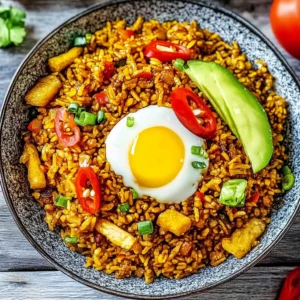
The hallmark of Tacu Tacu is its texture. When pan-fried, the mixture develops a crispy crust while staying tender inside. It is often served with accompaniments that balance richness with freshness, such as salsa criolla (a tangy onion relish), fried plantains, or a perfectly fried egg. This combination makes every bite both hearty and vibrant.
How to Make Traditional Tacu Tacu (Step-by-Step)
Making authentic Tacu Tacu at home is both straightforward and rewarding. Here is a step-by-step guide:
Ingredients
-
2 cups cooked white rice (preferably a day old)
-
2 cups cooked beans (canary beans, black beans, or lentils)
-
1 medium onion, finely chopped
-
2 garlic cloves, minced
-
1 ají amarillo pepper, chopped (or substitute with yellow chili pepper)
-
2 tablespoons vegetable oil (or olive oil)
-
Salt and pepper to taste
-
Optional: fried egg, steak, seafood, or fried plantains for serving

Preparation
-
Prepare the beans: If starting from scratch, soak beans overnight, boil until tender, and season lightly with salt. Mash half of them, leaving some whole for texture.
-
Cook the aromatics: In a large skillet, heat oil and sauté onion, garlic, and ají amarillo until fragrant and golden.
-
Combine rice and beans: Add the cooked rice and beans into the skillet. Mix thoroughly until you get a cohesive mixture. Season with salt, pepper, and cumin if desired.
-
Shape the mixture: With a spatula, press the mixture into an oval or patty shape in the skillet.
-
Pan-fry until crispy: Cook on medium heat until a golden crust forms on one side, then carefully flip to crisp the other side.
-
Serve hot: Plate the Tacu Tacu with accompaniments such as salsa criolla, fried egg, or steak.
Tips for Success
-
Use slightly dry rice to avoid a mushy texture.
-
Don’t rush the frying; allow a proper crust to form.
-
For extra richness, use butter or olive oil instead of vegetable oil.
-
If making for a crowd, prepare smaller patties rather than one large oval.
Regional and Modern Variations
Tacu Tacu has evolved into many different variations, each reflecting Peru’s culinary creativity:
-
Tacu Tacu con Lomo Saltado: Served with the famous stir-fried beef dish, combining crispy rice and beans with savory strips of beef, onions, and tomatoes.
-
Tacu Tacu a lo Pobre: A hearty version topped with fried egg, fried plantains, and steak. This variation highlights the Peruvian love for abundant, layered flavors.
-
Seafood Tacu Tacu: Paired with a rich seafood sauce, shrimp, or octopus, this version is especially popular along the Peruvian coast.
-
Vegetarian or Vegan Tacu Tacu: Made with lentils, mushrooms, or even quinoa as a substitute for beans, appealing to modern health-conscious eaters.
-
Restaurant-style Tacu Tacu: Upscale versions may feature gourmet sauces, truffle oil, or fine cuts of meat, turning a humble dish into fine dining.

Nutritional Value and Health Aspects
Tacu Tacu is not just delicious; it is also nutritious. Rice and beans together provide a complete source of protein, making it a balanced meal for vegetarians. Beans are high in fiber, which aids digestion, while rice supplies essential carbohydrates for energy. Garlic, onions, and peppers add antioxidants and vitamins.
However, the frying process increases calorie content. For a lighter version, you can bake Tacu Tacu or use a nonstick pan with minimal oil. Substituting white rice with brown rice or quinoa also boosts fiber and nutrients.
Tacu Tacu in Peruvian Culture Today
In modern Peru, Tacu Tacu continues to hold a special place in everyday meals and festive occasions alike. It is often sold in local eateries known as “huariques,” hidden culinary gems where traditional recipes thrive. Families prepare it at home for weekend lunches, using leftovers from the week.
Beyond home kitchens, Tacu Tacu has gained recognition in gourmet restaurants across Lima. Chefs experiment with textures, flavors, and high-quality ingredients, reimagining the dish for modern diners while respecting its roots. During cultural festivals, Tacu Tacu often makes an appearance, symbolizing Afro-Peruvian pride and resilience.
Internationally, Peruvian restaurants around the world now feature Tacu Tacu on their menus, introducing global audiences to this iconic dish.
Frequently Asked Questions
What does “Tacu Tacu” mean in Peru?
The term comes from Quechua and roughly means “to mix” or “to mash,” referring to the mixing of rice and beans.
What beans are used in Tacu Tacu?
Traditionally, Peruvians use canary beans, but black beans, lentils, or red beans can also be used.
Is Tacu Tacu spicy?
Not necessarily. The spice level depends on the amount of ají amarillo used. It can be mild or moderately spicy.
What is the difference between Tacu Tacu and Lomo Saltado?
Tacu Tacu is a rice-and-bean dish, while Lomo Saltado is a stir-fry of beef, onions, and tomatoes. However, they are often combined for a popular variation.
Can Tacu Tacu be made vegetarian or vegan?
Yes. Using lentils or mushrooms instead of meat makes it vegetarian or vegan-friendly.
What do you serve with Tacu Tacu?
Common accompaniments include salsa criolla, fried egg, plantains, steak, or seafood.
Is Tacu Tacu eaten for breakfast, lunch, or dinner?
It can be eaten at any meal, but it is most often served as a hearty lunch or dinner.
Where can you try authentic Tacu Tacu in Lima?
You can find authentic versions in local huariques or traditional Peruvian restaurants in Lima.
Conclusion
Tacu Tacu is more than a dish; it is a story of heritage, resilience, and creativity. What began as a way to reuse leftovers has grown into a beloved staple of Peruvian cuisine. Its versatility allows it to be enjoyed in countless variations, from simple home-cooked meals to refined restaurant creations. By blending rice, beans, and vibrant seasonings, Tacu Tacu represents the essence of Peru’s culinary identity: resourceful, flavorful, and full of history.
Whether you prepare it at home or enjoy it in Peru, Tacu Tacu offers not only nourishment but also a taste of culture. It is a dish that celebrates tradition while embracing modernity, proving that even the simplest ingredients can create something extraordinary.

Peruvian Tacu Tacu
Tacu Tacu is a traditional Peruvian dish made from leftover rice and beans, seasoned with garlic, onions, and ají amarillo, then pan-fried until golden and crispy on the outside. Rooted in Afro-Peruvian heritage, this hearty comfort food is as practical as it is flavorful, turning simple ingredients into a rich and satisfying meal. Often served with accompaniments like salsa criolla, fried plantains, steak, or a fried egg, Tacu Tacu is a versatile dish that works for breakfast, lunch, or dinner.
Ingredients
- 2-3 tablespoons coconut oil, separated
- 1 medium red onion, finely diced, about 1 cup
- 3 cloves garlic, finely minced
- ¼ cup aji Amarillo paste
- 1 teaspoon dried oregano
- 1 ½ cups canary beans, cooked and well-drained
- 1 ½ cups white rice, cooked ideally the night before
- Salt and Pepper, to taste
- 1 red onion
- 1 aji amarillo, deseeded
- 1 handful cilantro, chopped
- 1-2 limes juiced
- ½ teaspoon salt, plus a bit more for soaking
Instructions
- Cut ends of onion and remove outside paper layer. Cut onion in half and remove the smaller compact pieces in the center. Then slice the outer layers of onion into thin strips, lengthwise. 1 red onion
- Sprinkle sliced onion with salt, cover with cold water and soak for five minutes. Then drain well and rinse.
- Add lime juice, ½ teaspoon salt. aji amarillo, and cilantro. Mix well and set aside to allow flavors time to meld. 1 aji amarillo, deseeded,1 handful cilantro,1-2 limes juiced,½ teaspoon salt
- Heat 1 tablespoon coconut oil in a large skillet over medium high heat. Add onion and garlic to oil. Cook onions until soft, about 7-9 minutes. Add the aji amarillo paste and oregano. Cook an additional 2-3 minutes. Remove from heat. 2-3 tablespoons coconut oil,1 medium red onion, finely diced,3 cloves garlic, finely minced,¼ cup aji Amarillo paste,1 teaspoon dried oregano
- Place half the beans in a food processor and pulse a few times. You can also mash them by hand with a fork if you prefer. Add all the beans and rice to the onion mixture. Stir until the mixture comes together. Taste and season with salt and pepper. 1 ½ cups canary beans, cooked and well-drained,1 ½ cups white rice,Salt and Pepper, to taste
- Scoop out about a third or fourth of the mixture and shape by hand into an oval that’s more narrow at the ends similar to a small football.
- Heat 1-2 tablespoons coconut oil to cover the bottom of a in a non-stick frying pan or skillet over medium heat until oil is hot. Add tacu tacu to skillet and cook on each side for 3-4 minutes without moving until you’re ready to flip. Serve up the tacu tacu with the salsa criolla and your favorite side dishes.
- Place shaped tacu tacu onto a lightly oiled or sprayed baking sheet with some space in between so you can easily turn them over later. Cook in a 400 degree F oven and cook for thirty minutes. Flip them over halfway through the cooking time.